12.52
Конец кризиса: судно пшеницей из Украины пшеницей покинуло порт Хайфа после того, как израильский импортер отказался принять груз.
Цитата:
12.21
Посол Украины подтвердил, что зерновоз с зерном с захваченных РФ территорий не был принят Израилем.
"Мы победили, зерновоз идет в нейтральные воды из порта. Уголовное дело и санкционное завершим", – заявил Евгений Корнийчук.
Цитата:
Kyiv asks Israel to seize ship allegedly smuggling grain from occupied Ukraine
Israel rejects allegations that they are not treating the issue seriously.
KYIV — Ukraine on Wednesday officially requested Israel seize the Panormitis cargo vessel, which is sailing under a Panamanian flag and currently on its way to the port of Haifa.
"The vessel is suspected of carrying a grain cargo that was illegally transported from a closed port in the temporarily occupied territory of Ukraine in violation of international law and Ukrainian legislation," Ukrainian Foreign Minister Andrii Sybiha said in a post on X.
Sybiha on Monday complained Israel had failed to provide an "appropriate response" to Kyiv's seizure request. In response, Israeli Foreign Minister Gideon Sa’ar chided his Ukrainian counterpart, arguing "diplomatic relations, especially between friendly nations, are not conducted on Twitter or in the media."
Sybiha on Wednesday insisted his country was not engaging "Twitter diplomacy," but instead making a "very concrete legal and diplomatic request for international legal assistance that necessitates a response."
"We expect the Israeli side to take it seriously rather than responding with emotional statements," he added.
Sa’ar rejected the allegation and doubled down on his criticism, insisting Israel was right in expecting "the submission of a legal request" for the seizure. He added that the formal petition, which was submitted by Ukraine's Prosecutor General’s Office on Tuesday, was "now being examined by the relevant authorities."
"The Ukrainian side asks the Israeli partners to seize the ship and cargo, conduct a search, seize ship and cargo documentation, take grain samples, and interrogate the crew members," Prosecutor General Ruslan Kravchenko said in a statement Wednesday.
According to the investigation, Panormitis is transporting grain coming from Ukrainian territory currently occupied by Russia.
“The products were loaded after transshipment from another vessel. It is currently heading to the port of Haifa. The investigators documented the facts of the vessel’s illegal entry into closed ports of Ukraine. This is a gross violation of Ukrainian legislation and the norms of international maritime law,” Kravchenko added.
The prosecutor added that, according to his data, Russia has looted and profited from more than 1.7 million tons of agricultural products worth over 20 billion hryvnia (387,5 million euros) since 2022 from the occupied territories of Ukraine.
О заявлении Елизарова про российский ядерный удар.
Сегодня один из заместитель командующего Воздушных сил ВСУ Павел Елизаров заявил, что Россия может ударить по Украине тактическим ядерным оружием, если Киев начнет успешное контрнаступление или ударит по РФ баллистикой.
"Мы можем провести контрнаступление и зафиксироваться на выгодных позициях. Но есть еще один фактор - риск применения тактического ядерного оружия. И это уже вопрос к международным партнерам. Они должны четко заранее определить свою реакцию. Потому что если решение начнут принимать уже после - это будет поздно", - сказал он.
Это заявление фактически повторяет те же выводы, которые ранее делали западные источники.
Напомним, на Западе опасались применения Россией тактического ядерного оружия во время наступления ВСУ в Херсонской области. Именно этим, по версии западных СМИ, объяснялся относительно безболезненный выход РФ из Херсона и закрепление на юге Украины со строительством оборонительных линий - по версии американского публициста Вудворда, который получил информацию от чиновников Белого дома, Россия в случае разгрома ее войск на правобережье Днепра грозила применить ТЯО. И администрация Байдена сделала все, чтобы россияне смогли спокойно выйти.
Заявление Павла Елизарова в целом подтверждает логику, изложенную в книге Вудворда, а также то, о чем неоднократно писала и "Страна" - если ситуация для РФ по войне в Украине сильно ухудшиться, она может применить ядерное оружие.
И далее все зависит от реакции мира. Если он не даст некий уничтожающий ответ (который, в свою очередь, может вызвать Третью мировую), то Москва и далее будет наносить ядерные удары по Украины пока Киев не пойдет на полную капитуляцию.
В такой схеме есть, безусловно, большие риски и для самой РФ касательно международной реакции и возможного начала глобальной войны. Поэтому Москва пока и не применяет "ядерку". Но, повторимся, в случае резкого ухудшения ситуации для РФ этого исключать нельзя. Что, как видим, признают и в командовании украинских войск.
И в таком случае для Украины возникает стратегический вопрос - к чему нужно вести дело в войне, если даже перелом ситуации на фронте приблизит не победу, а ядерный удар? При том, что готовность других стран дать некий «сокрушительный ответ» вызывает определенные сомнения из-за их опасений мировой ядерной войны.
Обычно на это звучит известный тезис "нужно просто воевать и рано или поздно Россия развалится".
Но что будет, если не развалится, или, даже если и подойдет к грани краха, применит ядерное оружие, чтоб краха избежать? Ответа на этот вопрос нет, так как никогда подобной дискуссии в Украине не велось и не ведется. Однако вопрос от этого не исчезает.
Цитата:
Цитата:
8.21
Великобритания и Франция рассматривали возможность передачи Украине элементов ядерного оружия, заявил российский дипломат Андрей Белоусов.
Он возглавляет российскую делегацию на конференции по Договору о нераспространении ядерного оружия, которая проходит в Нью-Йорке.
По его словам, речь идет о “вопиющей, абсолютно неприемлемой и прямо подрывающей центральное положение ДНЯО идее”. “Некие силы в Лондоне и Париже всерьез рассматривали возможность передачи Украине элементов ядерного оружия”, - заявил Белоусов.
Напомним, в феврале российская внешняя разведка утверждала, что Британия и Франция «активно работают» над передачей Украине ядерного оружия, замаскировав это под собственную разработку Киева. Тогда эту тему прокомментировали также Путин и Медведев, который пригрозил Европе ядерным ударом.
Призрак Хиросимы. О возрастающей ядерной угрозе для Украины.
На днях один из главных идеологов российской «партии войны», «православный олигарх» Константин Малофеев опубликовал текст под названием «Пора заканчивать эту войну».
Для тех, кто знает его позицию название выглядело довольно удивительно, но после прочтения текста все стало на свои места. Он не призывал закончить войну в Украине, остановив ее в ближайшее время по линии фронта.
Он призывает закончить войну, нанеся ядерный удар по Украине, проводя аналогию с американским ядерным ударом по Японии, который принудил ее к капитуляции.
«Бомбардировка Хиросимы и Нагасаки после почти четырёх лет войны на Тихом океане позволила сохранить десятки тысяч жизней американских и, не будем забывать, советских солдат», - пишет Малофеев.
По его словам, дальнейшее продолжение войны в Украине обычными вооружениями приведет к большим потерям, а потому «если одна из ядерных ракет может положить конец четырёхлетней войне - она должна это сделать».
Малофеев предлагает нанести ядерный удар по западной Украине, предупредив о нем за 72 часа население для эвакуации.
«Удар мощностью 20-25 килотонн вызывает критические разрушения и панику по всей Украине. Война заканчивается за месяц», - считает он.
Отметим, что Малофеев уже не первый раз предлагает нанести ядерный удар по Украине. Из близкой к нему среды призывы «жахнуть ядеркой» также идут постоянно. Влияние этой среды и самого Малофеева на принятие решений в Москве, однако, не стоит переоценивать. Хоть его в западных СМИ и называют часто «близким к Кремлю олигархом», но в реальности в политической элите РФ он выглядит скорее радикальным маргиналом, чем представителем мейнстрима. Даже некоторые прокремлевские блогеры его называют не иначе как «нацистом».
Также эти заявления можно воспринимать и как шантаж в адрес Киева – «выводите войска из Донбасса, иначе ударим ядеркой».
Однако угроза для Украины не в статьях Малофеева, а в резко изменившейся международной обстановке.
В Украине часто говорят, что у «России нет никаких шансов нас полностью разгромить». Такие утверждения естественны для воюющей страны, однако при этом как бы выносится за скобки тот факт, что Москва, наряду с американцами, обладает крупнейшим ядерным арсеналом в мире, которого достаточно, чтоб превратить всю территорию Украины в радиоактивную пустыню. Также есть и средства доставки, которые украинское ПВО сбить не может («Орешник» и не только).
Но до сих пор Россия ядерное оружие в войне не использовала.
Почему?
Вряд ли кто-то может поверить, что Путин не применяет его потому что он великий гуманист и пацифист-толстовец или же очень сильно любит украинский народ.
Были объективные причины, которые останавливали Кремль от подобного решения.
Наиболее очевидны из них три.
Первая – непредсказуемая реакция НАТО, которое могло в ответ нанести военный удар по РФ, что привело бы уже к глобальной ядерной войне. Не факт, конечно, что так и было бы, но даже небольшая вероятность подобного сценария – огромный риск для России и для всего мира.
Вторая – непредсказуемая реакция глобального Юга и, особенно, Китая, который публично выступал против нанесения ядерного удара. Соответственно, использование Россией ядерного оружия могло бы привести к ее полной международной изоляции. Опять же, вероятность такого сценария была не 100%, но и нулю не равнялась.
Третья – угроза очень большого экологического ущерба для самой России, так как, по сути, она бы взорвала ядерную бомбу буквально «у себя под дверью». Правда, этот риск россияне могли бы попытаться минимизировать, применив ядерное оружие по западной Украине в момент, когда ветра дуют на Европу. Однако, если речь будет идти о массированном ударе, а не единичном взрыве, то ущерба для РФ не избежать.
При этом, как следует из публикаций в западных СМИ, Путин никогда не исключал использования ядерного оружия, но лишь в случае прямого вступления в войну стран НАТО или же резкого ухудшения военной ситуации на фронте для России. В частности, так стоял вопрос осенью 2022 года из-за чего американцы надавили на Киев, чтоб ВСУ не атаковали отступающие с правого берега Днепра российские войска. Также в Москве намекали, что могли бы использовать ядерное оружие, если наступление ВСУ летом 2023 года оказалось бы успешным.
Кроме того, как мы писали, вероятность применения ядерного оружия возрастает, если Запад предпримет действия, которые нанесут критический ущерб способности РФ продолжать войну – например, заблокирует судоходство на Балтике, захватывая корабли «теневого флота».
Отметим, что с 2023 года у России не было ситуации, когда она стояла бы перед угрозой поражения. Действия Запада приводят к ущербу для Москвы, но не критическому. Захваты танкеров идут, однако носят единичный характер. Более того, после начала войны в Иране, общая геополитическая и экономическая ситуация изменилась резко в пользу РФ.
Однако эти же геополитические изменения привели и к тому, что первые два «барьера» для использования Россией ядерного оружия значительно ослабли.
И ранее были большие сомнения, что НАТО будет готова воевать с РФ, если Москва нанесет ядерный удар по Украине. Но в нынешнем состоянии углубляющегося раскола в Альянсе и постоянных намеков Трампа, что он не будет защищать Европу, такой сценарий выглядит еще менее вероятным. Более того, в условиях, когда Америка завязла в войне с Ираном, применение ядерного оружия Путиным было бы в чем-то даже Трампу выгодно – так как ему и Израилю тогда было бы проще обосновать применение «ядерки» по Ирану, или пригрозить этим Тегерану, поставив ультиматум. Аналогично мог бы поступить и Пекин в отношении Тайваня. Верно и обратное – если американцы или Израиль применят ядерное оружие против Ирана, то это резко повысит вероятность применения его и против Украины. Да и в целом демонстративное игнорирование Трампом международного права и всех устоявшихся правил игры в мировой политике открывает «окно Овертона» для реализации многих сценариев, которые ещё недавно казались немыслимыми.
Второй момент – блокада Ормузского пролива усилила значение России для мировых рынков как поставщика энергоносителей и прочего сырья. Особенно для стран Глобального юга и Китая. Поэтому вероятность полной международной изоляции РФ в случае применения ею ядерного оружия снижается.
Все эти моменты также создают угрозу для основной стратегической линии Украины в войне – постоянное увеличение ущерба для РФ и повышение ставок («будем бить по России, будем бить по НПЗ и портам, будем бить по стратегической авиации, а потом и по Москве и по Кремлю ударим») в расчете на то, что РФ не осмелится применить ядерное оружие, а если и осмелится, то либо получит удар НАТО, либо международную изоляцию, либо и то и другое вместе.
Также в Украине распространено мнение, что вообще ядерного оружия боятся не стоит, так как один-два удара критически ситуацию не изменят.
Мы еще в 2024 году писали, что эта логика крайне опасна, так как если после первого ядерного удара Россия не получит от кого-либо уничтожающий ответ (а вероятность такого ответа явно не 100%), то она будет и дальше наносить ядерные удары по Украине вплоть до принуждения к полной капитуляции.
И сейчас, с учетом изменений в мире, угроза такого сценария для Украины ещё более возрастает.
Нужно еще учитывать и ситуацию в российском обществе.
Перед РФ стоит выбор из трех вариантов по дальнейшим действиям по войне в Украине.
Первый - остановить войну по линии фронта.
Второй - продолжать войну обычным вооружением до получения контроля над всем Донбассом и выполнения прочих ключевых целей.
Третий - применить ядерное оружием, чтоб ускорить достижения этих целей (практически все прочие свои военные возможности РФ уже задействовала).
Первый вариант, исходя из социологии, наверняка поддержало бы подавляющее большинство российского общества и, судя по поступающим сигналам, элит. К тому же, по сути, это будет военной победой для России (она захватила 20% украинской территории, не потеряв свою).
Однако на него не готов идти Путин и его ближайшее окружение. В том числе и в виду наличия третьей, «ядерной», опции они не видят смысла сильно снижать требования, а потому заявляют о продолжении войны до «выполнения целей СВО». Но сколько это потребует времени - никто сказать не может. Может несколько месяцев (если Трамп жестко надавит на Зеленского по выводу войск из Донбасса, а Европа не возобновит финансирование), а может и несколько лет или и того больше.
При этом в российском обществе растет усталость от затянувшейся войны, больших потерь, ограничений и прочих тягот.
Примечательно, что сразу несколько близких к Малофееву военных блогеров, которые ранее постоянно заявляли, что «фронт Украины вот вот рухнет, а потому нужно воевать до полной победы, а не заключать договорянчки», в последние недели начали писать о том, что на фронте тупик из-за дронов, перспектив продвижения нет. Некоторые из них в ярких выражениях описывали и ущерб российской инфраструктуре от украинских ударов, заодно критикуя власть РФ за отсутствие «ответки». Все эти цитаты охотно подхватывали украинские ресурсы в духе «даже Z-среда уже не верит в победу над Украиной».
Однако смысл подобных «зрадозаявлений» может быть совсем другим.
Вместе со статьей Малофеева, которую они как бы предваряли, это производит впечатление единой информкампании по подталкиванию Кремля к применению ядерного оружия в Украине с тезисом «мы должны сберечь жизни наших солдат и быстро закончить войну, потому что иначе - тупик». И даже если заявления блогеров это не звено одной цепи со статьей Малофеева, сами по себе их сетования на тупик на фронте и на большой ущерб для РФ от украинских атак, а также причитания на тему «где ответка, почему наши красные линии превращаются в коричневые» усиливают позиции тех сил в Кремле и около него, которые уже давно призывают «жахнуть ядеркой», чтоб закончить войну «одним ударом».
Впрочем, в российских элитах и в обществе к использованию ядерного оружия крайне неоднозначное отношение.
Элиты опасаются, что это радикально ужесточит режим в РФ, при том, что и нынешние меры по его ужесточению уже вызывает сильный ропот.
Для российских элит, в условиях когда Путин не готов останавливать войну по линии фронта, идеальным был бы вариант передачи Украиной Донбасса в ближайшее время и завершение на этом войны. После чего они попытаются остановить сползание РФ к северокорейскому формату внутренней политики. Но при этом, как писалось выше, есть и те, кто требует «войны до победного конца», в том числе и с использованием ядерного оружия, если фронт обычным оружием сдвинуть не получится. И затягивание войны они использует как один из аргументов для продавливания своей линии.
Что касается российского общества в целом, то никогда большинство его не было за применение ядерного оружия в Украине. Максимальный показатель, по данным опроса «Левада-центр», был в ноябре 2024 года на фоне боев в Курской области – 39% за. Но уже в июне 2025 года, на волне надежд на переговоры о завершении войны он опустился до 24% (65% против).
Однако надежды эти не оправдались, на фронте продвижение медленное, война затягивается, усталость от нее нарастает.
Если б сейчас провели опрос – какой формат быстрого окончания войны наиболее приемлем – остановка войны по линии фронта или ядерный удар по Украине, то нет сомнений, что подавляющее большинство россиян высказалась бы за остановку по линии фронта.
Но если провести опрос – вы за продолжение войны еще 2-3 года до «достижения всех целей СВО», либо за то, чтоб достигнуть эти цели быстро путем ядерного удара, то результат будет далеко не столь очевиден.
Повторимся, на данный момент ничего не указывает на то, что Путин готовится применить ядерное оружие. В том числе и потому, что ситуация для него сейчас не критическая и в целом даже выигрышная, с учетом войны в Иране (увеличение бюджетных доходов, сокращение поставок оружия Украине). А это не предрасполагает к каким-либо резким движениям. Да и описанные выше риски применения ядерного оружия для РФ, хоть и снизились, но не до абсолютного нуля.
Насколько можно судить по заявлениям из Москвы, Кремль сейчас ждет, что Трамп применит меры давления против Зеленского с целью заставить его вывести войска из Донецкой области. Также есть ожидания, что, если война в Иране затянется, то начнет меняться позиция Европы в плане уменьшения помощи Украине и начала диалога с РФ.
И понятно, что ядерный удар по Украине все эти процессы может остановить надолго.
Но если Трамп не надавит на Зеленского, а Европа продолжит прежний курс, и если Киев нанесет некие очень чувствительные удары по РФ (например, украинские дроны и ракеты долетят до Москвы и Кремля, либо ущерб экспортной инфраструктуре от ударов дронов станет критическим), или же ситуация на фронте для россияне сильно ухудшится, то вероятность применения ядерного оружия, в виду изменившейся обстановки в мире, будет выше, чем она была бы в аналогичной ситуации еще год назад.
При этом, однако, для РФ есть и будет ещё одно сдерживающее обстоятельство. Это вопрос целей войны и соизмеримости с ними средств их достижения. Уже сейчас в России у многих возникает вопрос - а чего такого ценного есть в оставшейся под контролем Украины 20% территории Донецкой области, что ради овладения ею нужно продолжать войну? Почему нельзя остановить войну по линии фронта, если на это, пусть и вынуждено, но согласна Украина, после чего объявить о своей победе? Тем более, что формально это российской победой и будет - ничего из уже захваченного возвращать Киеву не нужно. Будут, конечно, вопросы о цене этой победы, но много ли в РФ найдется желающих задавать их Путину?
У Кремля есть свой известный контраргумент - «вопрос не только в Донбассе. Мы не можем допустить, чтоб у нас под боком оставалась враждебная страна, которая будет для России постоянным источником угроз, а потому цели «СВО» должны быть достигнуты, чтоб эти угрозы ликвидировать». Пока война ведется обычным оружием и без мобилизации этот аргумент ещё более-менее воспринимается в российском обществе (хотя, чем больше возникает трудностей и ограничений, связанных с войной, тем больше в нем сомнений). Но если речь пойдет о нанесении ядерного удара со всеми вытекающими рисками, то вопрос «а стоит ли того контроль над Славянском и Краматорском или даже над всей Украиной» будет звучать максимально остро. Впрочем, в нынешней ситуации значение имеет, в основном, будет ли этот вопрос звучать в голове у Путина. Пока, он намерен продолжать войну в прежнем режиме. Но если он столкнется с серьёзными трудностями, то тема ядерного удара может стать на повестку дня. И из-за изменений в мире, вызванных войной в Иране, повторимся, «порог» при котором это произойдет, может, к сожалению, снизится.
Также стоит отметить, что война с Украиной для Кремля вписана в более широкий контекст его отношений с Западом и, особенно, ЕС. И важным моментом является то, что чем хуже отношения РФ с европейцами, чем ближе они к грани прямой войны, тем выше вероятность применения Москвой ядерного оружия в Украине в качестве «последнего предупреждения» для Европы.
Возможно, если в Киеве увидят, что в РФ начала всерьез раскручиваться кампания по применению «ядерки», то постараются перебить ее информационным путем.
В британских или же в близких к «ястребам» американских СМИ начнут появляться «инсайды» со ссылкой на «источники» о том, что НАТО в ответ нанесет удар по Москве, убьет Путина или даже скрытно передаст Украине ядерные боеголовки. Но достоверность этих «инсайдов» нужно будет анализировать, сопоставляя с реальной ситуацией в мире, где США втянуты в войну с Ираном и грозят выйти из НАТО, а глава единственной ядерной державы ЕС призывает создавать военные альянсы без Америки.
Что касается информации о якобы передаче ядерных боеголовок Киеву, то она сама по себе может стать поводом для ядерного удара Москвы.
Более того, даже если несколько боеголовок передадут и даже если они долетят до РФ, то Россию это полностью не сокрушит, но в ответ Кремль может уничтожить все крупные города Украины. Идея «нам нужно ядерное оружие» хоть и очень популярна в Украине, но как мы уже подробно писали предельна опасна.
В целом, изменения ситуации в мире ставят под вопрос всю стратегию Украины в войне, которая реализовывалась с конца 2023 года. И она заключалась не в том, чтоб добиваться перемирия по линии фронта. С этой идеей Зеленский согласился год назад лишь вынуждено, под давлением Трампа и из расчета, что Путин на это не пойдет. Реальная стратегия была и пока останется иной - война на истощение для нанесения России поражения при поддержке Запада. И ранее многие сомневались в реалистичности такой стратегии. Но после начала войны в Иране она оказалась на грани краха практически по всем пунктам: Россия получает дополнительные ресурсы, стабильность западной помощи под вопросом. При этом, если Путин начнет испытывать серьезные трудности, как писалось выше, он может применить ядерное оружие, воспользовавшись тем, что факторы, которые его ранее сдерживали от этого, сейчас ослабевают. И это экзистенциальная угроза для существовании Украины и украинской нации, которую, безусловно, нужно учитывать при выработке дальнейшей стратегии. В том числе - и по переговорам об условиях завершения войны.
Причем учитывать не с точки зрения людей, которые могут пережить ядерный удар в бункерах, построенных в советские времена для компартийной номенклатуры на случай Третьей мировой. А с точки зрения безопасности и выживания всего украинского народа.
Is this London's latest Banksy? Mystery statue of man blinded by flag sparks speculation.
A new statue in central London has sparked a debate over whether it could be the capital's latest Banksy.
The mystery figure sprang up in Waterloo Place in central London in the early hours on Wednesday, apparently with the legendary artist's signature, 'Banksy', at the bottom - although the artist has not yet confirmed whether it is his.
It depicts a man marching off the end of a plinth while holding a flag entirely covering his face and is located along Pall Mall, near to the Athenaeum Club and the Crimean War Memorial.
The 25-foot work is also positioned directly in front of a golden Athena statue.
The structure appears to have been assembled overnight using prefabricated sections.
Commuters on Wednesday morning stopped by to take photographs, as the word spread that the famous insignia at the bottom of the figure could be Banksy's.
Indeed, the seemingly political message behind it - depicting a politician or other official blinded by patriotism and walking directly into danger - aligns with Banksy's usual messages which often have a political or justice-based metaphor.
But the urban artist has not yet claimed it as his. He traditionally does so through his Instagram channel.
A new statue in central London has sparked speculation over whether legendary artist Banksy is behind it
The statue was also positioned directly in front of a golden Athena statue along the Pall Mall
Commuters and passersby stopped to admire the statue, which appeared in the early hours of Wednesday morning.
Banksy's famous signature was inscribed at the bottom of the sculpture - but the artist has not yet confirmed whether he is behind this latest piece of political art
None of Banksy's murals from recent years, however, have been signed.
His last artwork, a mural on the side of a skyscraper also in central London, depicting a child lying next to another person who is pointing up to the building and sky above, was not signed.
The statue appeared on December 22 last year beneath the Centre Point building near Tottenham Court Road, and showed the child in a beanie hat and Wellingtons lying on the floor next to another person in a bobble hat.
The same artwork also appeared on the side of a building a few miles away in Queen's Mews in Bayswater.
In September, a Banksy mural showing a protester on the floor holding a blood-spattered placard while a judge hit him with a gavel appeared on the front of the Royal Courts of Justice building.
It was swiftly covered up by officials, with security guards seen patrolling in front of a screen concealing the artwork.
The artwork followed almost 900 people being arrested in central London at a demonstration supporting banned group Palestine Action, in what was thought to be Britain's biggest ever mass arrest.
One of Banksy's most striking moments was in 2003 when he disguised himself as a pensioner and installed a piece in a vacant spot in the Tate Britain in London.
His artwork Girl With Balloon self-destructed in a Sotheby's London saleroom when descending into a shredder in 2018.
Banksy, who began his iconic street art more than 25 years ago, has sold his works for hundreds of thousands of pounds.
His identity has been shrouded in secrecy until The Mail on Sunday launched an investigation in 2008, naming Robin Gunningham as the Bristol artist. His identity nevertheless remains unconfirmed.
The Daily Mail has contacted Banksy's team.
_________________
С сожалением и понятными ожиданиями, Dimitriy.
Rosja opracowała zaawansowane zdolności prowadzenia wojny podwodnej - powiedział James E. Risch, przewodniczący komisji spraw zagranicznych Senatu USA podczas wysłuchania na temat aktów sabotażu na Morzu Bałtyckim.
Republikanin zwrócił uwagę, że od 2022 r. w regionie Morza Bałtyckiego doszło do co najmniej ośmiu podmorskich aktów sabotażu, za które najprawdopodobniej odpowiada Moskwa.
Цитата:
Ukraine war briefing: Kyiv claims victory over ‘shadow grain fleet’ shipment to Israel.
Panama-flagged Panormitis turns away without unloading as Kyiv vows to treat carriers of ‘stolen’ grain the same as Russian oil tankers. What we know on day 1,528
•
• A ship carrying what is said to be stolen Ukrainian grain did not unload in Israel after a week of heavy condemnation from Kyiv. The Ukrainian president, Volodymyr Zelenskyy, signalled there would be “a more systematic” campaign against vessels carrying grain exported illegally by Russia from occupied areas of Ukraine. “We will systematically act against the shadow grain fleet, in the same way we act against the shadow oil fleet.” Ukraine’s prosecutor general, Ruslan Kravchenko, said the vessel, Panormitis, left Israel’s territorial waters for neutral seas following “a range of procedural measures taken by Ukraine”.
• Andrii Sybiha, the foreign minister in Kyiv, said Ukraine would continue to track the vessel and warn against any operations with it. “This is also a clear signal to all other vessels, captains, operators, insurers, and governments: do not buy stolen Ukrainian grain. Do not become part of this crime.” The Panama-flagged vessel’s manager was not immediately available for comment. The Jerusalem Post and other outlets on Thursday cited a statement from Israel’s grain importers association saying that the company importing the grain had been forced to turn away the vessel.
• Zenziper, the company named in the reports as the importer, did not immediately respond to an emailed request for comment. Radio Sweden meanwhile reported that Swedish authorities had move to seize another bulk carrier, the Caffa, with other reports adding that the seizure related to the illegal export of Ukrainian-grown grain.
• Ukraine’s SBU security service said its drones made a second attack in two days on oil facilities at Perm, deep inside Russia, this time hitting an oil refinery. The Lukoil-owned refinery at Perm, located more than 1,500km (900 miles) from Ukraine, is one of the largest in Russia and has a capacity of nearly 13m metric tonnes per year, the SBU said.
• Ukraine’s military also struck a refinery in the Russian city of Orsk in southern Orenburg region, triggering a fire. “The Orsknefteorgsintez oil refinery [Orsk in Orenburg region] was hit,” the general staff said. “A strike was recorded, followed by a fire on the territory of the enterprise. The facility is involved in supplying the Russian occupation army.”
• An explosion killed an army officer in a closed-off military town in Russia’s far east this week, Pjotr Sauer writes, in what appeared to be an attempt to target a more senior commander known as the “Butcher of Bucha”. Three sources familiar with the incident said the bomb detonated in a residential block in Knyaze-Volkonskoye-1, the home of Maj Gen Azatbek Omurbekov, who commanded Russian troops during the bloody occupation of the Ukrainian town. Two sources said the assailant put the bomb in the wrong place, killing a subordinate while Omurbekov was not injured. Neither Russia nor Ukraine commented on the incident. The EU has placed sanctions on Omurbekov over the Bucha massacre where Russian troops are accused of killing more than 400 civilians.
• Japan’s relaxation of its weapons-exports rules means Tokyo might one day supply military equipment to help Ukraine resist Russia’s invasion, Kyiv’s ambassador to Japan, Yurii Lutovinov, has told the Reuters news agency. A Japanese drone firm, Terra Drone, is to increase its investment in Ukrainian defence tech by partnering with Ukraine’s WinnyLab, the Kyiv Independent reports. Terra Drones already has a partnership with Amazing Drones, a Kharkiv company.
• Justin McCurry, the Guardian’s Tokyo correspondent, writes that Ukraine is not on a list of 17 countries that have signed defence equipment and technology transfer agreements with Japan. Arms sales will initially be confined to those countries, which include the US, Britain and Australia, meaning any agreement with Kyiv could be a long way off. Despite its support for Ukraine, Japan’s ability to supply it with arms are further complicated by Tokyo’s energy ties with Moscow. Japan imports Russia liquefied natural gas from the Sakhalin-2 oil and gas project – in which the Japanese companies Mitsui and Mitsubishi have a stake – on Russia’s far east island of Sakhalin. The project accounts for almost 9% of Japan’s total LNG imports.
• Discussions were also under way about Japan contributing to Europe’s Purl programme which buys US-made equipment for Kyiv, Lutovinov said. The Japanese government of Sanae Takaichi plans to unveil a defence strategy and military procurement plan this year that is expected to call for a significant increase in the air, sea and land drones of the kind that Kyiv has used to defend against Russian attacks. But there has been no Japanese government announcement about arming Ukraine directly or contributing to Purl.
Цитата:
Exclusive: Ukraine sees path to Japanese arms after Tokyo eases export rules.
TOKYO, May 1 (Reuters) - Japan's relaxation of its weapons-exports rules opens a path for talks that could one day lead to Tokyo supplying military equipment to help Ukraine resist Russia's invasion, Kyiv's ambassador to Japan told Reuters.
"This allows us to talk," Yurii Lutovinov said in an interview at Ukraine's embassy. "Theoretically, it's a very big step forward."
The Reuters Iran Briefing newsletter keeps you informed with the latest developments and analysis of the Iran war. Sign up here.
Prime Minister Sanae Takaichi's move last week to ease export rules - Japan's latest shift away from a strict postwar pacifist stance - has sparked broad interest as conflicts in Ukraine and the Middle East strain Western arms production.
While the overhaul maintains controls on exports to conflict zones, it allows exceptions that serve Tokyo's security interests, a caveat Kyiv hopes to benefit from.
UKRAINE SEEKS INVESTMENTS FOR MISSILE DEFENCE
Japan has linked Ukraine's fate to its own security as it faces China's growing military power. With Japanese territory stretching to within 110 km (70 miles) of Taiwan, Tokyo worries that any attempt by Beijing to seize the island could draw it into a conflict.
Soon after Russia launched the war against its smaller neighbour in 2022, Japan's then-Prime Minister Fumio Kishida warned that "Ukraine today could be East Asia tomorrow". He approved Japan's biggest military buildup since World War Two, a plan Takaichi has accelerated since taking office in October.
...
Цитата:
Sztab generalny: Nasze wojska uczestniczą w intensywnych szkoleniach na polskich poligonach.
Pododdziały naszej armii uczestniczą na poligonach w Polsce w intensywnych szkoleniach z zakresu walki w terenie zabudowanym, a także działań w okopach i korytarzach komunikacyjnych – poinformował w czwartek Sztab Generalny Sił Zbrojnych Ukrainy.
Na polskich poligonach trwają intensywne ćwiczenia oddziałów Sił Zbrojnych Ukrainy. (…) Ukraińscy żołnierze skupili się na jednym z najtrudniejszych elementów – działaniach bojowych w terenie zabudowanym. Szkolenie obejmowało ćwiczenie zaawansowanych technik: bezpiecznego podejścia do budynków, szturmowania wejść, »oczyszczania« pomieszczeń, a także metod obrony i maskowania punktów oporu
— napisano w komunikatorze Telegram.
Według informacji sztabu ćwiczenia z działań bojowych w systemach okopów są prowadzone z uwzględnieniem rzeczywistych doświadczeń zdobytych na polu walki.
Biorąc pod uwagę doświadczenia zdobyte na Ukrainie, oddziały doskonaliły taktykę działań bojowych w systemach okopów i korytarzach komunikacyjnych. W ramach szkolenia położono nacisk na szybkość reakcji, precyzyjne posługiwanie się bronią oraz umiejętne stosowanie granatów ręcznych, co ma kluczowe znaczenie podczas walki wręcz
— zaznaczono.
Jak poinformowano, ćwiczenia w Polsce stanowią część misji EUMAM Ukraine. Instruktorzy ściśle współpracują z ukraińskimi żołnierzami, przekazując im wiedzę niezbędną na froncie - podkreślono.
Misja Unii Europejskiej w zakresie pomocy wojskowej dla Ukrainy (EUMAM Ukraine) to inicjatywa UE mająca na celu wsparcie Sił Zbrojnych Ukrainy w odpowiedzi na rosyjską agresję. Została ustanowiona przez Radę UE 17 października 2022 r. i formalnie uruchomiona 15 listopada 2022 r. Głównym zadaniem EUMAM Ukraine jest zwiększenie zdolności wojskowych ukraińskich sił zbrojnych poprzez indywidualne, zbiorowe i specjalistyczne szkolenia dla żołnierzy. Misja działa na terytorium państw członkowskich UE, koordynując działalność szkoleniową tych krajów i partnerów międzynarodowych.
Szkolenia ukraińskich żołnierzy na polskich poligonach odbywają się regularnie, a poza Polakami prowadzą je także żołnierze np. z Francji oraz Norwegii, którzy inaugurowali szkolenia na poligonie w Nowej Dębie na Podkarpaciu w ramach inicjatywy Camp Jomsborg. Z kolei w Bydgoszczy funkcjonuje JATEC, czyli Centrum Analiz, Szkolenia i Edukacji NATO-Ukraina. Celem tej jednostki jest rozwijanie interoperacyjności wojska ukraińskiego z siłami NATO, a także np. dzielenie się wnioskami z trwającej wojny. Centrum ruszyło na początku 2025 roku.
Цитата:
Цитата:
Ukraine begins to flex muscle as an emerging air power, angering Russia.
Russian officials cast Ukrainian attacks as ‘terrorism’ as they urge ‘vigilance’.
Ukraine used its latest technology to deepen strikes against Russian oil storage, ports and refineries in the past week, bombing targets in the Urals 1,600 kilometres (990 miles) from its borders and prompting protests about “terrorist attacks” from the Kremlin spokesman.
President Volodymyr Zelenskyy on Wednesday announced “a new stage in the use of Ukrainian weapons to limit the potential of Russia’s war”.
Ukraine used its latest technology to deepen strikes against Russian oil storage, ports and refineries in the past week, bombing targets in the Urals 1,600 kilometres (990 miles) from its borders and prompting protests about “terrorist attacks” from the Kremlin spokesman.
President Volodymyr Zelenskyy on Wednesday announced “a new stage in the use of Ukrainian weapons to limit the potential of Russia’s war”.
The facility is “a strategically important hub of the main oil transportation system”, said the SBU, and preliminary information suggested that “almost all oil storage tanks are on fire”.
Russia’s Ministry of Defence confirmed the strike and said it had downed 98 Ukrainian UAVs across various regions.
“The Urals are now within reach, be vigilant,” wrote Russia’s presidential envoy to the region, Artem Zhoga.
Ukraine’s campaign has begun to elicit reactions from the Russian government.
Kremlin spokesman Dmitry Peskov called the attacks on oil facilities “terrorist attacks”.
A Russian Defence Ministry announcement – that military cadets and a column of equipment would not take part in this year’s Victory Day parade commemorating the end of World War II “due to the current operational situation” – was also widely interpreted as a precaution against potential Ukrainian drone strikes.
Ukraine’s strikes are part of a strategy of depriving Russia of windfall profits from soaring oil prices due to the closure of the Strait of Hormuz.
Zelenskyy said Russian internal documents seen by his foreign intelligence service admitted that Ukraine had deprived oil offloading ports of much of their capacity.
Primorsk and Ust-Luga on the Baltic Sea had lost 13 percent and 43 percent of capacity, respectively, and the Black Sea port of Novorossiysk 38 percent.
“We believe that such internal Russian data may be underestimated,” Zelenskyy said.
The internal figures roughly agree with a Reuters March estimate that Russia had lost approximately 40 percent of its export capacity.
That translated into revenue losses of $2.3bn in March, Zelenskyy estimated.
The Institute for the Study of War, a Washington-based think tank, said that Ukraine had likely conducted at least 18 strikes against Russian oil infrastructure in April.
Kyiv’s attacks have been “steadily increasing the range, volume, and intensity” with “outsized impacts on Russian oil exports”.
Ukraine struck other oil and military targets during the past week.
On April 23, it damaged three storage tanks at the Gorky oil pumping station in Nizhny Novgorod and struck the Novokuibyshevsk petrochemical plant in Samara.
The next day, it destroyed two production facilities at the Atlant-Aero factory in Taganrog, Rostov, which builds the Molniya drones used to attack Ukrainian cities.
On Sunday, Ukraine struck the Yaroslavl oil refinery, and on Tuesday, they struck the Tuapse oil refinery on the Black Sea for the third time this month. Even before this latest strike, at least 24 oil storage tanks at the site had been destroyed, said Ukraine’s head of the Center for Countering Disinformation, Andriy Kovalenko.
Russian President Vladimir Putin dispatched his Civil Defence, Emergencies, and Disaster Relief minister, Alexander Kurenkov, to oversee the response personally.
An emerging air power
Ukraine has been developing its own long-range strike capabilities and devotes 20 percent of its defence resources to new technologies, said Defence Minister Mykhailo Fedorov.
One of its leading drone manufacturers, Wild Hornets, recently said a drone operator had used its remote piloting system to fly a Sting interceptor drone at a distance of 2,000km (1,240 miles).
On April 23, Fedorov said Ukraine had successfully tested remote control technology that enabled pilots to operate from the relative safety of Kyiv or Lviv, “at distances of hundreds and thousands of kilometres”.
Ukraine is now touting its battlefield innovations in Saudi Arabia, Qatar and the United Arab Emirates in the wake of Iran’s attack on the Gulf nations.
Zelenskyy met Saudi Crown Prince Mohammed Bin Salman in Riyadh on April 24 to discuss “the export of our Ukrainian security expertise and capabilities in air defence”.
Days later, he said Kyiv produces as many as twice the number of certain types of weapons as the military needed, and that “Ukrainian companies will get a real opportunity to enter the markets of partner countries, provided that our military have the right to take the necessary amount of weapons first”.
The burgeoning relationship with the Gulf, he said, had invoked Moscow’s concern.
“Russia is particularly irritated by our contacts in the Middle East and the Gulf region,” he told Ukrainians on Wednesday.
More surprisingly, he said some allies, too, were irritated by the competition.
“We are also aware of the complex attitude of some of our other partners towards this – partners who would prefer to limit our state’s independence,” Zelenskyy said in an evening video address. “We consider this their mistake.
Цитата:
What do Ukraine’s robot soldiers mean for the future of warfare?
Remote-controlled weapons have been used for some time, but AI is now on the cusp of making battlefield decisions.
In a scene reminiscent of a computer war game, three battle-fatigued soldiers, dressed in white snow camouflage, emerge from a war-torn alley with their hands raised above their heads.
They crouch down, following the orders being blasted at them, fear and shock etched across their faces as they stare down the barrel of a machinegun mounted on a so-called ground robot.
This footage, released in January by Ukrainian defence company DevDroid, is said to show the moment Russian soldiers were captured by a Ukrainian robot using artificial intelligence.
In April, Ukrainian President Volodymyr Zelenskyy said that, for the “first time in the history of this war, an enemy position was taken exclusively by unmanned platforms – ground systems and drones”.
“Ground robotic systems have already carried out more than 22,000 missions on the front in just three months,” he wrote in a post on X, alongside images of green machines with tank tracks and weapons mounted on top.
But for analysts who have studied the intersection of artificial intelligence (AI) and warfare, the footage reflects an expected evolution – one that will unfold far beyond the front lines in Ukraine as the world wrestles with the ethical implications of controlling it.
UAVs, naval drones and robot dogs
For years, militaries have used ground robots primarily for bomb disposal and reconnaissance.
But in Ukraine, their role has expanded rapidly, with some brigades reporting that up to 70 percent of front-line supplies are now delivered by robotic systems rather than soldiers.
These machines transport ammunition, food and medical supplies, and evacuate wounded troops from dangerous positions.
Yet the sight of robotic systems moving across the battlefield is part of a much broader shift in warfare – one that has been building for decades.
The modern debate about AI in warfare was largely driven by the rise of US unmanned aerial vehicle (UAV) operations in the early 2000s.
In 2002, the MQ-1 Predator drone was used by the US to carry out one of the first targeted air strikes in Afghanistan, marking a turning point in how wars could be fought remotely.
Its use expanded rapidly throughout the 2000s and peaked in the late 2000s to mid-2010s, particularly in Pakistan, Yemen and Somalia.
As AI has advanced, the debate has moved beyond remote-control operations.
The focus shifted towards systems which can help identify targets, prioritise strikes and guide battlefield decisions, raising deeper questions about how much autonomy should be delegated to machines.
Analysts say the question of autonomy must remain central, rather than being overshadowed by rapid technological developments, however striking the sight of increasingly anthropomorphic machines on the battlefield may be.
“These technologies are here to stay,” Toby Walsh, an AI expert at the University of New South Wales, told Al Jazeera. He described AI-driven military operations as “the third revolution of warfare”.
The transformation is also spreading beyond land targets.
Naval drones packed with explosives have already reshaped battles in the Black Sea, while autonomous underwater systems are being developed for surveillance, mine clearance and sabotage missions by militaries worldwide.
Robotic dogs, meanwhile, are already being tested for surveillance, reconnaissance and bomb-disposal missions, with some experimental versions even fitted with weapons.
Human involvement
In recent years, the emergence of fully autonomous drones or so-called “killer robots” has triggered a fierce debate after a United Nations report suggested that Turkish-made Kargu-2 loitering munition drones, operating in fully autonomous mode, had identified and attacked fighters in Libya in 2020.
The incident prompted intense discussions among experts, activists and diplomats worldwide, as they grappled with the moral and ethical implications of a machine making – and executing – the decision to take a human life.
However, there needs to be more focus on regulatory debate about the use of semi-autonomous weapon systems, “where humans are still so-called in the loop”, Anna Nadibaidze, a postdoctoral researcher in international politics at the Centre for War Studies, University of Southern Denmark, told Al Jazeera.
A major concern, she said, is whether “enough time and space” is being given to the “exercise of human judgement that’s necessary in the context of warfare”.
The extent of human involvement is often something observers have to take militaries at their word on; a difficult task when their actions leave trust in short supply, said Toby Walsh.
In the case of ground robotics in Ukraine, a human operator has, so far, remained in control, directing machines that can still be halted by obstacles such as uneven terrain.
However, when AI is involved in the decision-making process, as is the case in Israel’s attacks on Gaza and the wider region, the scale of attacks which have resulted in “huge collateral damage and civilian casualties for a small number of military targets” challenges the rules of international humanitarian law and, in particular, the idea of proportionality, Walsh said.
The issue, Nadibaidze said, is that it is hard to enforce rules on the use of AI in warfare as it is essentially “a matter of each military to decide what they consider to be a citizenship role for the human, and there isn’t enough international debate on that”.
An April report by the Stockholm International Peace Research Institute warned that the AI supply chain is also fragmented, global and heavily dependent on civilian technologies, further complicating efforts to govern or control military uses of AI.
The United States Department of Defense and the Pentagon are consistently incorporating privately developed software systems into their war apparatus.
In the middle of last year, the Defense Department awarded OpenAI a $200m contract to implement generative AI into the US military, alongside $200m contracts for xAI and Anthropic.
“If we’re not careful, warfare will be much more terrible, much more deadly, a much quicker, much faster thing that humans can no longer actually really be participants in, because humans won’t have the speed, won’t have the accuracy or the ability to respond,” Walsh warned.
Ukraine as a testing ground
Technology and AI are not inherently harmful, experts say – it is how they are used that matters.
In Ukraine, ground robotic systems have also been used to rescue civilians and provide logistical support in heavily mined and treacherous conditions.
Yet what is unfolding on the front line is, in many ways, a testing ground, and the international community will need to look ahead to how these technologies might be applied and regulated in future conflicts.
There is also room for cautious optimism. Despite the “moral failure” over Israel’s actions in Gaza, Walsh said, there is a recognition in the international community that these issues must be addressed, including a series of UN meetings focused on regulating Lethal Autonomous Weapons Systems.
The United Nations Institute for Disarmament Research (UNIDIR), an autonomous body within the UN which conducts independent research on disarmament and international security, is set to meet in June to examine the implications of AI for international peace and security.
It is not the first time new weapons technologies have threatened to upend the rules-based order, said Walsh, pointing to chemical weapons as an example. While imperfect, international agreements were eventually put in place to bring those under some level of control.
“There are a lot of actors based in the Global South that do want regulation, so there might be regional initiatives forming,” said Nadibaidze, adding that even if such efforts do not initially include major powers or leading tech developers, they could still help to shape emerging norms.
Venice Biennale jury quits amid row over participation of Russia.
Decision follows backlash from Italian government and European Commission
The jury of the Venice Biennale has quit just days before the prestigious art exhibition is due to begin, amid a row over the decision to allow Russia to participate.
The resignation of the five-member international jury was announced late on Thursday in a brief statement by the Venice Biennale organisers, and came a day after the Italian culture ministry sent inspectors to Venice in search of information about the decision to allow Russia to have a pavilion at the event.
After the resignations, the biennale said it had “decided that the award ceremony of the 61st international art exhibition, previously scheduled for 9 May, will take place on Sunday, 22 November”.
It also said it would hand out two awards, one of which could go to any one of the “national participations included in the 61st Exhibition, as per the official list, following the principle of inclusion and equal treatment”.
“This is consistent with the founding spirit of La Biennale, based on openness, dialogue, and the rejection of any form of closure or censorship,” it said in a statement. “La Biennale seeks to be, and must remain, a place of truce in the name of art, culture, and artistic freedom.”
Last week, the jury said it would not give awards to artists from countries whose leaders were facing charges of crimes against humanity by the international criminal court, a decision apparently aimed at Russia and Israel.
The biennale’s jury is responsible for choosing the winners of the golden and silver lion awards from among the 110 artists participating in the event, which opens on 9 May.
The panel was chosen by Koyo Kouoh, the Swiss-Cameroonian curator who was appointed to lead the 2026 edition of the biennale before her death last year. The jury was led by Solange Farkas and included Zoe Butt, Elvira Dyangani Ose, Marta Kuzma and Giovanna Zapperi.
The exhibition’s organisers have faced weeks of criticism for allowing Russia to reopen its pavilion at the event.
After Russia’s 2022 full-scale invasion of Ukraine, the biennale, one of Italy’s most important cultural institutions, condemned the aggression and banned access to that year’s edition for anyone linked to the Kremlin. It never formally barred Russia from participating, but the country was absent from the 2022 and 2024 editions.
The European Commission wrote to the Biennale Foundation this week saying it planned to terminate or suspend its €2m (£1.73m) grant for the exhibition because of Russia’s involvement. The biennale has 30 days to respond.
Italy’s far-right government has also clashed with organisers over the reintroduction of Russia, with the culture minister, Alessandro Giuli, saying the decision had been made “entirely independently by the Biennale Foundation, despite the Italian government’s opposition”. The only government member who publicly welcomed Russia’s return was Matteo Salvini, the deputy prime minister and leader of the far-right League who has long been a supporter of Vladimir Putin.
The biennale has argued that it is “an open institution” that “rejects any form of exclusion or censorship of art”.
In March, Ukrainian government officials urged organisers to reconsider Russia’s participation, arguing that the biennale must not become “a stage for whitewashing … war crimes”. A group of cross-party MEPs published a letter condemning Russia’s inclusion as “unacceptable”.
Цитата:
Oscar belonging to co-director of Putin film missing after TSA makes him ship it.
Agents would not allow Pavel Talankin to carry statuette for Mr Nobody Against Putin on to flight from New York.
The Oscar statuette belonging to Pavel Talankin, star and co-director of the Academy award-winning documentary Mr Nobody Against Putin, has disappeared after officials at New York’s John F Kennedy airport confiscated it before he boarded a flight, claiming it could be used as a weapon.
Talankin, whose documentation of Russia’s propaganda machine in grade schools won international acclaim, told Deadline that he had brought the statuette on several flights without incident. But when he arrived at JFK’s terminal 1 on Wednesday morning, Transportation Security Administration (TSA) agents said he could not take the 8.5lb trophy on board because it posed a security risk.
“It’s completely baffling how they consider an Oscar a weapon,” Talankin told the outlet after landing in Frankfurt, Germany, without the Oscar. On previous flights through numerous airlines, he said, “
flew with it in the cabin and there never was any kind of problem.”
According to Talankin, an agent for the airline Lufthansa called the security checkpoint on Wednesday and offered to walk Talankin to the gate and maintain possession of the statuette for the duration of the flight, but the TSA agent reportedly refused any compromise. The film-maker says he was told he would have to check the prize under the plane. But without a hard suitcase to store it, he opted for a cardboard box offered by Lufthansa, and videotaped two airline agents as they bubble-wrapped the Oscar, tagged it and took it off for transport.
Talankin claims that box never made it to Frankfurt, and the statuette is now missing. “[Pavel] calls me this morning from Frankfurt saying Lufthansa doesn’t have it. They lost it,” Robin Hessman, an executive producer on Mr Nobody Against Putin and a Russian translator for Talankin, told Deadline. “He has a ticket number [for the box] and they can’t find it.”
The film’s other director, David Borenstein, posted photos on Instagram of the ad hoc shipping box and the airline’s lost baggage slip. “I’ve looked and I can’t find a single other case of someone being forced to check an Oscar,” he wrote. “Would Pavel have been treated the same way if he were a famous actor? Or a fluent English speaker?”
…
Неоколониальная рента Британии и США.
Или почему мы все ещё зависим от них.
В 2026 году ни Британия, ни США не управляют классическими колониями, но обе страны живут за счёт современных форм неоколониальной ренты — доходов, которые страна получает не столько из местного производства, сколько из своего положения в глобальной системе: через рынки, право, валюту, инфраструктуру и «правила», которыми мир вынужден пользоваться.
Это господство не колониальных губернаторов, а империи институтов, стандартов и посредничества.
Британия
сохранила свою роль не как «владелец ресурсов», а как центр управления рисками, право и сырьевыми бенчмарками.
Ллойдс и морское страхование: через Lloyd’s of London проходит значительная часть мировых морских и коммерческих рисков, перестрахований и споров, что даёт Лондону стабильный приток комиссий и финансовых услуг.
⚪️Котировки и сырьё: лондонская инфраструктура связана с форматированием мировых цен на нефть, металлы и ряд товаров, превращая город в центр, где «одобряются» глобальные котировки.
⚪️Английское право и арбитраж: английское право и лондонский арбитраж остаются ядром контрактов, морской торговли и финансовых сделок — это юридическая рента, доход от посредничества в глобальных спорах.
⚪️Офшорные губернии: система заморских территорий и зависимых юрисдикций служит каркасом для владения активами, структурирования капитала и снижения прозрачности, создавая финансовую «скрытую» ренту.
⚪️Образование и наука: британские университеты, AI‑развитие и технологические проекты формируют образовательную и интеллектуальную ренту, привлекая международный капитал и таланты.
США
: доллар, санкции и технологический зонт
Если Британия — это центр права, моря и котировок, то США вышли на новый уровень господства через доллар, военную инфраструктуру и digital‑среду.
🔴Глобальный доллар: мировая торговля, резервы и финансовые рынки по‑прежнему вращаются вокруг доллара США — это валютная неоколониальная рента. Американские банки, рынки и расчётные узлы получают доход от того, что мир вынужден держать, кредитоваться и расплачиваться в долларах.
🔴Санкционная власть: США извлекают политический рент‑доход, используя доступ к своим финансовым рынкам и корреспондентским счетам как «кнут» и «пряник». Страны, бизнесы и банки платят за наличие или отсутствие доступа к американской финансовой системе.
🔴Технологические и инфраструктурные стандарты: Silicon Valley, платёжные системы, платформы и цифровые стандарты фактически задают «общие правила игры» для большинства стран. Это информационно‑
технологическая рента — доход от того, что мир проходит через американские сервисы, протоколы и интерфейсы.
🔴Военно‑морская и альянсовая инфраструктура: США продолжают доминировать в морских путях, базах и системе союзов (НАТО, ядерный «зонтик», альянсы в Азиатско‑Тихоокеанском регионе).
Геополитически это безопасностная рента — страны платят, формально или фактически, за «гарантии» и «защиту» в формате зависимости от американской силы.
Современный неоколониализм — это не флаги над гаванями, а контроль над стандартами, валютой, юрисдикциями и инфраструктурой.
Для России и стран Азии это означает:
- строить альтернативные центры силы — финансовые, юридические, научные и технологические;
- развивать внутренние и региональные рынки так, чтобы меньше зависеть от «правил игры» в Лондоне и Нью‑Йорке;
- активно участвовать в формировании новых геополитических и экономических осей, где не будет доминирования одной‑двух старых империй.
Это не только экономика, но и вопрос высшей обороны — обороны целостности, технологической независимости и суверенитета в цифровую и геоэкономическую эпохи.
Цитата:
Donald Trump has no idea just how close he is bringing us to economic ruin.
Editorial: As shelves empty and medicines run out, the US president seems happy to bask in the thin adulation offered for his botched Iran intervention like a frog in a pot of water coming to the boil
Оne of the many bold, indeed brave, remarks the King made during his address to both houses of the US Congress concerned the genius of the American constitution and Magna Carta, “not least as the foundation of the principle that executive power is subject to checks and balances”.
Yet despite this timely reminder, many legislators in the audience seem disinclined to exert their constitutional power as equal partners in the governance of the United States, nor even be stirred to uphold the laws they themselves enacted.
So it is that the Republican majorities will not enforce the War Powers Resolution of 1973, which requires a president to terminate a military campaign at the end of the 60-day period unless Congress has declared war or authorised the use of military force. In the case of Iran, it has done neither.
That resolution was passed during a previous period of imperial presidential overreach when lawmakers were attempting to wind down the war in Southeast Asia, and was actually a dilution of the power the constitution confers on Congress to approve a declaration of war.
The Trump administration, and most recently the secretary of defence Pete Hegseth, argue that the present ceasefire means the War Powers Resolution has no force yet: “We are in a ceasefire right now, which our understanding means the 60-day clock pauses, or stops, in a ceasefire”. Of course, the law has no such “pause clause”, and the president will in any case ignore the law. This is a disaster, not only for peace in the region but for the world economy.
The current twin blockades – Iran has shut down the Strait of Hormuz and America has shut down Iran’s ports in turn – are open-ended. Apart from Israel’s continued aggression in Lebanon, there is a kind of peace in the region, and there are no news reports of spectacular damage to bridges or sunken warships. That doesn’t mean the conflict is over.
It means that it has fallen into a stalemate, but with every single day that passes, the strangulation of world trade tightens further, as supplies of oil, gas, raw materials and much else dry up.
Shipping traffic is around 5 per cent of normal levels. Prices of fuel, energy and food are already rising, and general inflation is clearly up. The prospect of a wave of interest rate cuts across the major economies has gone – the talk now is of credit being choked off.
Medication for everything from eye infections to ADHD is becoming harder to get hold of. If helium stocks are exhausted, MRI scans will become impossible. Fertilisers may not be available to prevent acute food shortages, especially in poorer countries, and in the richer world, food inflation could top 10 per cent in the coming months. No one can be sure that there will be sufficient jet fuel for essential haulage needs, let alone summer holidays. Households have some respite during the summer months from higher gas and electricity bills, but what may happen when winter approaches will obviously be critical.
The second and subsequent round effects of this are equally grim. Higher inflation means rising interest rates, which will squeeze households, businesses and the government’s ability to borrow money to protect economies from a recession descending into a self-perpetuating slump. If China cannot import oil and earn from its exports, then it cannot buy American soya and grains, nor lend the US Treasury money. Decades of globalisation and integrated supply chains mean that no country can count itself immune from the current upheavals, even if they are approaching only slowly and incrementally.
What economists call “demand destruction” is already underway – when heating or transportation becomes so absurdly expensive that consumers and businesses simply cannot afford it. Indeed, as in the early stages of the Covid pandemic, some items may be unobtainable no matter how much someone is willing to pay for them.
It would be comforting to think that such pressures, at least in the democracies, would lead the Trump administration to review its current course to economic catastrophe, but there is no sign of that yet – not even in this extraordinarily supine Congress. Partly this is because of a false sense of security, in turn born of traditional American exceptionalism; and partly because America’s energy self-sufficiency to some extent insulates it from immediate pain – but it cannot do so forever. Given that it takes weeks if not months for tankers and container vessels to move about, even if the war in Iran and associated blockades were over immediately, it would take time for things to normalise and business confidence to return. If we know anything, we know that this war will most likely meander well into the summer.
As the months drag on, the shortages will intensify, but not in a way that a crisis will be suddenly triggered. The Iranian and American blockades leave the world economy in the same predicament as the fable of the frog in a pan of gently but inexorably heating water, hardly noticing until it is too late that it is being boiled alive. It is almost too frightening to ask the question, but it has to be raised: as he goes off on his meaningless weaves and publishes ever more bizarre AI images of himself as the messiah, does President Trump even realise what is happening out there?
Venice Biennale still has time to ban Russia, Ukraine says.
Ukraine’s Foreign Minister Andriy Sybiha comments follow the decision of the entire Biennale jury to step down over Russia’s participation in this year’s exhibition.
The Venice Biennale’s “cowardly choice” to allow Russia to participate in its 2026 exhibition “continues to harm” the organization, Ukraine’s Foreign Minister Andriy Sybiha said Friday in a renewed call to ban Moscow’s return to Italy’s most prestigious art exhibition.
His comments follow the resignation of the entire Biennale jury over the organizers’ controversial move to allow Russia to participate for the first time since its full-scale invasion of Ukraine in 2022.
“The jury’s decision to resign [demonstrates] the consequences of decisions taken by leading international art platforms,” Sybiha said on X. “From the very beginning, the Biennale’s cowardly choice to admit Russia has been disgraceful. Today, we see how it continues to harm the Venice Biennale.”
Earlier this week, the Italian government dispatched officials to investigate the return of Russian artists to the Venice event. Italian Prime Minister Giorgia Meloni told reporters Thursday that she did not know whether the jury’s resignation was linked to the inspection, but reiterated her initial position: “The government does not share the choice made on the Russian pavilion.”
The Biennale opens its doors to the public on May 9, coinciding with Moscow’s Victory Day parade, which will be drastically scaled back for the first time in 20 years. Both events, along with major sporting fixtures, illustrate Russian President Vladimir Putin’s attempt to reassert Russia’s place on the international stage using culture and soft power as diplomatic tools.
“The aggressor’s culture is not neutral in the times of war and must never be utilized to serve the interests of the aggressor, to whitewash its crimes, and to spread its propaganda,” Sybiha argued.
The EU has threatened to cut millions of funding for the next edition of the Venice Biennale, while both Russia and Israel have been excluded from awards at this year’s edition. The Italian government repeatedly criticized the presence of Russia, with Culture Minister Alessandro Giuli choosing to boycott the event together with several other EU countries.
Цитата:
Russia’s sports comeback fuels anger in Ukraine.
Ahead of a key meeting about curling, a top Ukrainian minister tells POLITICO he is “deeply concerned” about the trend toward readmission.
An ally of Kremlin chief Vladimir Putin is pushing to reintegrate Russia into another iconic Olympic sport, sparking outrage among senior Ukrainian officials as Moscow’s full-scale invasion grinds on.
Dmitry Svishchev, president of the Russian Curling Federation and a member of the Russian parliament, is using legal threats and public pressure in Moscow’s bid for international readmission onto the ice rink.
Most global sports ostracized Russia after Putin launched his all-out attack on Ukraine in February 2022, though that hard-line stance has eroded in recent months, from judo to aquatics.
Moscow’s reintegration gathered momentum earlier this year when the Paralympics permitted Russian athletes to compete with their flag and anthem, underscoring what Ukrainian officials fear is a growing desire to restore other sporting ties with Russia despite its continued aggression.
“I am deeply concerned because what we are seeing is not a series of isolated decisions. It looks like a broader shift toward normalizing Russia’s return to international sport,” Matvii Bidnyi, Ukraine’s minister of youth and sports, told POLITICO.
“If a state that continues its war of aggression can gradually return to international sport without any real change in conduct, then the message is clear: Serious violations of international law do not necessarily lead to lasting consequences. That is dangerous not only for Ukraine but for the credibility of the entire international system,” Bidnyi added.
Bidnyi’s intervention comes ahead of a key meeting in Geneva on Thursday, where the issue of Russia’s participation in international curling competitions is set to be discussed, two weeks after World Aquatics allowed Russian athletes to compete under their flag again.
Back in the influence game
Across sports from fencing to chess, the Kremlin has — for years — used sports as a soft-power tool to project strength and legitimacy on the global stage.
From hosting major events like the 2014 Winter Olympics or the 2018 FIFA World Cup to embedding athletes in military forces and security structures, Moscow has blurred the lines between competition and propaganda.
Svishchev, who has been sanctioned by the U.S. and U.K., ramped up the curling effort in November last year, saying that his federation was preparing to submit a lawsuit to the world’s top sports court, CAS, to force Russia’s return to international curling.
In December, Svishchev said the federation had written to global governing body World Curling, retained lawyers and demanded junior athletes be readmitted to competitions, along with their flag and anthem.
World Curling confirmed in late January the return of junior athletes from Russia and Belarus to competitions, but left a further review on adults until the April meetings. An emboldened Svishchev in February said that World Curling would discuss adult reintegration at Russia’s “request.”
The Russian Curling Federation’s activities at home complicate its international claim to be a neutral sporting body. On its own website, the federation promotes curling events tied to Russia’s “special military operation” (the Kremlin’s euphemism for its war in Ukraine), including festivals, tournaments and training sessions for veterans and their families across multiple regions.
Representatives for World Curling did not respond to a request for comment about whether Russia’s return risked legitimizing the Kremlin’s aggression. The Russian Curling Federation also did not respond to a request for comment.
‘Unfair conditions’
The trend toward Russian participation in international curling competitions has dismayed sporting officials in Ukraine.
Speaking to POLITICO from his office in Kyiv, Oleksiy Perevezentsev, president of the Ukrainian Curling Federation, said that, “what also disturbs is that actually nothing has changed. We just have absolutely unfair conditions for Ukrainian athletes,” while pointing to the ongoing destruction of his country’s sports facilities at Putin’s hands.
“We have more than 500 sites of sports infrastructure, which are partially or totally destroyed,” Perevezentsev said, moments after an air raid siren delayed the start of the interview. “The latest was last week in Sumy. It’s a quite large Olympic infrastructural center which was totally destroyed by Russian missiles and drones.”
He also accused World Curling of transgressing the International Olympic Committee’s current guidance for Russian athletes. “Also, they actually violated good governance in the sense that the recommendation of the International Olympic Committee was just to bring back youth, not juniors — another category, which actually could be conscripted into the Russian army. It’s a category from 18 to 21,” he pointed out.
In Geneva, Perevezentsev hopes that a coalition of allied European countries will push to postpone the return of adult Russian athletes, as any reintegration risks appeasing Putin and the Kremlin, he said.
“In the current context, normalization risks becoming legitimization. And once that line is crossed, rebuilding trust in international sport will be extremely difficult,” Bidnyi, the sports minister, added.
Westminster Council reveals plans for new Banksy flag statue after it appears in London.
The elusive artist unveiled new sculpture in central London earlier this week
Mysterious artist Banksy brought some excitement to central London yesterday when he revealed a new sculpture in Pall Mall – and now Westminster Council has given its verdict on whether the statue can stay.
Banksy, who has never publicly confirmed his identity, claimed a sculpture of a suited man marching off a plinth as his billowing flag covers his face on Thursday (30 April) after it was spotted on Waterloo Place the day before.
The artist’s signature was scrawled at the bottom of the work and Banksy later took to his Instagram page to confirm that it belonged to him, sharing a video of the statue being installed. “There was a bit of a gap,” he said.
The council has said that it ‘welcomes’ the statue (Reuters)
While there’s always a risk that Banksy’s street art could be removed by local authorities, Westminster Council has said that its focus is on allowing the statue to be enjoyed while options are considered.
“We welcome Banksy’s latest sculpture in Westminster, which makes a striking addition to the city’s vibrant public art scene,” a spokesperson for Westminster City Council told The Independent.
“While we have taken initial steps to protect the statue, at this time it will remain accessible for the public to view and enjoy.”
Since bursting onto the British art scene in the 1990s, Banksy – who is thought to have been born Robin Gunningham – has become well known for his politically charged murals, including 2002’s Girl With Balloon, 2003’s Love Is In The Air, and 2004’s Kissing Coppers.
The pseudonymous figure’s work has been sold for millions over the years, while much of his street work is still in place. However, some pieces were removed or stolen.
Banksy’s piece on the wall of London’s Royal Court of Justice, which was scrubbed in September (PA)
In September, a new Banksy mural depicting a judge beating a protester appeared on the wall of London’s Royal Courts of Justice – but it was quickly scrubbed from the building.
Court administrators ordered it to be removed, stating that the 143-year-old building is “valued for its historical significance and must maintain its original character”.
Transport for London also weren’t impressed by Banksy’s work after he revealed a coronavirus-themed piece on a London Underground carriage in 2020. The stencil work, which depicted rats with face masks, was removed due to TfL’s “strict anti-graffiti policy”, with the government body saying it would welcome Banksy to recreate the message “in a suitable location”.
In 2024, thieves stole a Banksy work in south London, less than an hour after it had been unveiled by the street artist. Video footage showed three men scale a building in Peckham to take the piece – a howling wolf painted onto a satellite dish.
Цитата:
A person sits at Lila Molino restaurant in Dubai, United Arab Emirates, April 28, 2026 (Reuters)
‘This is creating a problem’: Dubai’s glitzy restaurants forced to change menus as Iran war hits trade
The trend is a challenge for the UAE's wider full-service restaurant market estimated to be worth $9.5 billion last year.
Dubai chef Shaw Lash at Mexican restaurant Lila Molino flies in her avocados and tomatillos, small, tart green fruits native to Central America that are a staple of Mexican cuisine and key for her colourful and spicy dishes. Now the two-month-old war in Iran is making such ingredients harder to source and more expensive, Lash and other chefs said, as the Gulf grapples with the closure of the Strait of Hormuz sea route and spiking jet fuel prices push up air freight costs.
Lash has scaled back production, cut her payroll, and is buying ingredients in smaller quantities for now - measures she expects to be temporary. She's focusing on her make-at-home fajita kits which have been a hit, and her grocery line.
"The reality is cargo has gotten more expensive, gas prices have gone up, the Strait of Hormuz is still blocked," Lash told Reuters at her restaurant in Dubai's trendy Alserkal Avenue art and culture district.
"This is really creating a problem for us as far as our supply."
Chefs in the glitzy city are adapting their menus, with some turning to more regional or readily available foods, or offering fewer dishes. Dubai authorities have rolled out broader economic support measures, relief on fees and campaigns to get people dining.
The trend is a challenge for the UAE's wider full-service restaurant market estimated to be worth $9.5 billion last year by market researcher Mordor Intelligence. Before the war started, it predicted 20% growth to $11.3 billion this year. But the war may change the equation.
Chef and co-founder of Lila Molino restaurant, Shaw Lash, poses for a picture, in Dubai, United Arab Emirates, April 28, 2026 (Reuters)
After the U.S. and Israel launched strikes on Iran in late February, the Gulf saw several weeks of Iranian missile and drone attacks. Although a ceasefire came into effect on April 8, the Strait of Hormuz, the only sea access to the UAE, which imports more than 80% of its food for consumption, remains effectively closed.
The war has cut regional tourist arrivals, hit shopper numbers in luxury malls, high-end car sales, and disrupted restaurants, a pillar of Dubai's booming leisure and tourism sector carefully built on an image of grandeur and safety.
A survey by Juniper Strategy and the Global Restaurant Investment Forum found that UAE foodservice operators reported they were experiencing an average 27% drop in demand levels versus a year ago. Supplier cost increases averaged 13%, according to the report, which consulted 30 industry leaders between April 1-8, who operate some 400 restaurants.
It added tourist-exposed locations and business districts were under the greatest pressure while residential establishments showed greater resilience, and in some cases, growth.
The Dubai Department of Economy and Tourism said in a statement that some operators were navigating a "period of disrupted footfall" and were finding creative ways to respond.
"Across the city, restaurants, chefs and platforms are adapting through new formats, targeted offers and community-led initiatives," it said in a document sent to Reuters.
The UAE ministry of economy and tourism did not respond to a request for comment.
Chefs look local
Kelvin Cheung, chef at fusion restaurant Jun's Dubai, told Reuters that finding alternative routes to transport hard-to-source perishable ingredients, such as Norwegian scallops or certain Japanese seafood, had become a costly challenge.
"Your only option was then to fly air freight, which would increase our costs by about thirty, thirty-five percent," he said, adding he had turned to using local fish on his menu.
Air freight rates have risen by as much as 70% on some routes as the war has stymied oil shipments from the Gulf and pushed up jet fuel costs. Flights to and from the UAE are only slowly returning to normal.
An employee folds napkins while diners sit in the background, at Lila Molino restaurant, in Dubai, United Arab Emirates, April 28, 2026. REUTERS (Reuters)
"Tourism has taken a huge hit," said Cheung. "That massive influx of tourists who provide that extra boost of economy, of spend, across all industries is what we're missing now."
Cheung has introduced a six-course menu for 225 dirhams ($61) using locally sourced ingredients. The restaurant has retained all its staff. Other venues are set to roll out discounted set-price meals for Restaurant Week in May.
The conflict has sharpened existing challenges like high fixed costs, tourism reliance and supply-chain exposure, said food writer Courtney Brandt, who has been in the region since 2007, adding the market was already saturated before the war.
"We were due for a correction," she said, adding that international brands, often with celebrity chefs and deeper pockets, could fare better but that mounting costs were a challenge despite local support.
"Difficult decisions have to be made if businesses are going to survive."
Some fine-dining venues, including in the luxury Atlantis hotels on Dubai's iconic man-made palm-shaped island, have temporarily closed for refurbishments, not citing the war. Others have opened, including Italian restaurant Siena in early April in Dubai and Isabel Mayfair in UAE capital Abu Dhabi.
Chefs Lash and Cheung expect the market to pick up.
"Over the last few weeks, especially with the ceasefire and schools resuming, we’ve started to see a positive uplift in business and overall movement across the city. There is a sense of normalcy slowly returning," said Cheung.
_________________
С интересом и понятными ожиданиями, Dimitriy.
Швеция арестовала судно, вероятно, являющееся частью теневого флота.
Швеция сообщила в воскресенье, 3 мая, что береговая охрана страны поднялась у южного побережья на борт судна, которое подозревается в принадлежности к так называемому российскому теневому флоту.
"Название судна – Jin Hui, и его подозревают в том, что оно шло под ложным флагом. Вопросы вызывает его недостаточная мореходность и отсутствие страхования", – написал министр гражданской обороны Швеции Карл-Оскар Бохлин на платформе социальных сетей X.
По его словам, Jin Hui находится в санкционных списках Европейского союза, Великобритании и Украины.
На борт судна поднялись в территориальных водах Швеции в районе города Треллеборг около 14:00 (по эстонскому времени около 15:00), сообщил Бохлин.
Береговая охрана Швеции сообщила в заявлении, что судно длиной 182 метра шло под флагом Сирии и, вероятно, не имело груза.
"Его пункт назначения неизвестен", – говорилось в сообщении.
"Начато предварительное расследование в связи с его непригодностью к плаванию, что является нарушением морского законодательства", – добавлялось в сообщении.
Kustbevakningen har i dag bordat ytterligare ett fartyg som misstänks ingå i den ryska skuggflottan.
Fartyget heter Jin Hui och misstänks för att segla under falsk flagg. Det finns frågor kring bristande sjöduglighet och avsaknad av försäkringar. Jin Hui står på EU:s,…
— Carl-Oskar Bohlin (@CarlOskar) May 3, 2026
Береговая охрана Швеции уже некоторое время отслеживала танкер до того, как поднялась на его борт, сообщается в пресс-релизе. По их словам, это уже пятый раз, когда береговая охрана поднимается на борт подозрительного судна.
"Суда, которые, согласно подозрениям, являются непригодными к плаванию, и, по нашей оценке, не соблюдают действующие согласованные правила, продолжают ходить в шведских водах. Это неприемлемо. Мы вмешивались ранее и будем вмешиваться в дальнейшем", – отметил заместитель оперативного руководителя Даниэль Стенлинг.
Судно будет переведено на якорную стоянку для проведения дальнейшего расследования, сообщил шведскому национальному телерадиовещанию SVT прокурор Адриен Комбье-Хогг, руководящий расследованием. В связи с расследованием пока никто не задержан.
В среду, 29 апреля, шведские власти конфисковали 96-метровое грузовое судно Caffa, которое относится к так называемому теневому флоту России. Королевство арестовало это судно еще 6 марта по подозрению в перевозке украденного украинского зерна.
По словам шведского прокурора, конфискация произошла на основании запроса о правовой помощи со стороны одного иностранного государства, однако он отказался назвать эту страну.
12 марта береговая охрана Швеции также поднялась на борт 228-метрового танкера Sea Owl I в районе Треллеборга. Предположительно, Sea Owl I шел под флагом Коморских островов, чему береговая охрана не поверила.
Цитата:
Шведская береговая охрана задержала танкер Jin Hui в Балтийском море.
Береговая охрана Швеции и полиция задержали танкер Jin Hui под сирийским флагом у Треллеборга. Ведется расследование о несоответствии судна требованиям мореходности. Танкер включен в санкционные списки ЕС и Великобритании.
Береговая охрана Швеции совместно с полицейскими инспекторами осуществила подъем на борт танкера Jin Hui, находящегося вблизи Треллеборга на юге страны. Начато предварительное расследование, связанное с несоответствием судна установленным требованиям мореходности, что нарушает морское законодательство, сообщается в пресс-релизе береговой охраны.
"Посадка на танкер Jin Hui была произведена в 14:00 (15:00 мск) в воскресенье, когда судно находилось в водах Балтийского моря. Береговые службы уже некоторое время следили за перемещениями этого 182-метрового судна, плавающего под сирийским флагом. Судно, вероятно, не имеет груза, а его конечный пункт прибытия остается неизвестным"
, указано в сообщении.
Танкер Jin Hui включен в несколько санкционных списков, включая те, что составлены ЕС и Великобританией.
В пресс-релизе также сообщается, что береговая охрана подозревает танкер в регистрации под фальшивым флагом, так как имеются вопросы относительно флагового статуса судна, что делает его несоответствующим международным требованиям мореходности.
"Досмотр судна был выполнен вместе с полицией и прошел без инцидентов, в соответствии с планом"
, отмечается в пресс-релизе.
На борту судна продолжают работу сотрудники береговой охраны, занимающиеся расследованием предполагаемого правонарушения.
Это уже пятое задержание судна за недолгий период в шведских водах.
Ранее мы писали о том, что Береговая охрана Турции приостановила движение в проливе Босфор из-за аварии с судном. В тот раз поломка двигателя сухогруза Zaltron, который следовал из Египта в Россию, вынудила временно закрыть судоходство в этом стратегически важном водном пути. Для устранения ситуации Турция направила три буксира, чтобы обеспечить безопасность и восстановить движение в проливе.
Цитата:
В Швеции вновь задержали судно по подозрению в нарушении законодательства.
Танкер Jin Hui находится в нескольких санкционных списках, в том числе Евросоюза и Великобритании.
СТОКГОЛЬМ, 3 мая. /ТАСС/. Береговая охрана Швеции совместно с полицией поднялась на борт танкера Jin Hui у Треллеборга на юге королевства. Проводится предварительное расследование "по факту несоответствия судна требованиям мореходности, что является нарушением морского законодательства", сообщает береговая охрана в пресс-релизе.
"На борт танкера Jin Hui поднялись в 14:00 (15:00 мск) в воскресенье днем, когда он шел в Балтийском море. Береговая охрана некоторое время следила за судном длиной 182 метра, идущим под сирийским флагом. Судно, вероятно, разгружено. Пункт назначения неясен", - поясняется в сообщении.
Судно находится в нескольких санкционных списках, в том числе ЕС и Великобритании.
"Береговая охрана подозревает, что судно зарегистрировано под ложным флагом, поскольку существует ряд неясностей относительно статуса флага судна, и, следовательно, оно не соответствует требованиям мореходности, установленным в международных правилах и соглашениях", - также говорится в пресс-релизе, где отмечается, что досмотр "был проведен в сотрудничестве с полицией и прошел спокойно, согласно плану". На борту танкера сейчас находятся сотрудники Береговой охраны, которые занимаются расследованием предполагаемого преступления.
Это уже пятое судно, задержанное за короткий промежуток времени в водах Швеции.
…
Цитата:
МИД: Россия задействует все ресурсы для защиты свободы судоходства на Балтике.
… НАТО отрабатывает сценарии изоляции Калининградской области.
Россия будет использовать все доступные средства и ресурсы для обеспечения свободы судоходства в Балтийском море, заявил посол по особым поручениям МИД РФ Артем Булатов.
«Для обеспечения уважения принципа свободы судоходства на Балтике российская сторона будет использовать весь спектр имеющихся в ее распоряжении средств и ресурсов. Прежде всего, правовых и политических, но не ограничиваясь этим»,— сказал господин Булатов в разговоре с «РИА Новости».
Замглавы МИД РФ Александр Грушко заявлял, что Москва расценивает запущенную в 2025 году миссию НАТО «Балтийский часовой» как попытку установить контроль над логистическими путями и ограничить российские грузоперевозки. Замглавы министерства назвал действия альянса прямой угрозой безопасности экономике.
Финские власти подозревают: два беспилотника нарушили воздушное пространство Финляндии.
Украина нанесла ночью удар по Ленинградской области РФ.
•
Служба новостей Yle
10:46•Обновлено: 16:34
Финские власти подозревают, что два беспилотника прошлой ночью нарушили воздушное пространство Финляндии вблизи Виролахти на юго-востоке страны.
Это подтвердил Yle полевой командир морской охраны Финского залива Лаури Ройха.
– Подозревается, что два неопознанных беспилотных летательных аппарата нарушили воздушное пространство Финляндии у Виролахти и Улко-Таммио в воскресенье ночью после трех часов. Морская охрана Финского залива начала расследование нарушения.
Беспилотники летели вблизи границы в направлении России.
О том, что дронов было два, первым сообщила новостная служба MTV.
Украина нанесла ночью удар по порту Приморск в Финском заливе. Это крупнейший нефтеналивной хаб России на Балтике.
О воздушной угрозе предупредили в Эстонии и Латвии.
Военно-воздушные силы обнаружили в воскресенье ночью дрон, который летел в районе Виролахти вблизи границы в направлении России.
Модель и происхождение дрона не установлены. Беспилотник больше не находится в воздушном пространстве Финляндии.
Журналист Yle зафиксировал ночью необычную активность истребителей в архипелаге.
Оборонительные силы сообщают об установлении временной зоны ограничения полетов над морской акваторией у Котка и Хамина 3 мая с 01:57 до 8:00. Целью ограничительной зоны было обеспечение лучшей оценки ситуации и безопасный перехват возможных сбившихся с курса дронов, а также минимизация рисков для гражданских лиц.
Инцидент расследует Пограничная охрана, которая предоставит более подробную информацию по мере продвижения расследования.
Это уже пятый инцидент с дроном в Финляндии. Все предыдущие беспилотники упали на землю. Сегодняшний покинул воздушное пространство страны. В конце марта три дрона упали на территории Финляндии, а в начале апреля в лесу под Иитти нашли еще один.
Цитата:
Уку Арольд о ночном инциденте с БПЛА: тревога снята, повреждений не зафиксировано.
Руководитель отдела стратегических коммуникаций генштаба Сил обороны Эстонии полковник Уку Арольд прокомментировал ночной инцидент с БПЛА: один беспилотник пересек границу Эстонии, но быстро вернулся на российскую сторону. По словам Арольда, прямой угрозы жителям не было, а шум, на который жаловались в соцсетях, мог доноситься из-за границы.
Жители Вырумаа и Ида-Вирумаа ранним утром получили от Сил обороны предупреждение об угрозе дронов, а в 5:30 было разослано сообщение о ее завершении. В то же время власти Ленинградской области России сообщили об атаке украинских беспилотников. По словам губернатора региона, российская ПВО нейтрализовала 51 дрон.
Руководитель отдела стратегических коммуникаций генштаба Сил обороны Эстонии полковник Уку Арольд объяснил, что именно происходило этой ночью.
"Сегодня ночью снова произошла достаточно масштабная атака украинских дронов по военной и связанной с войной инфраструктуре. Дроны двигались параллельно границе с Эстонией, вблизи воздушной границы, не заходя на территорию страны. Однако из-за особенностей их траектории существовал риск, что некоторые из них могут попасть в воздушное пространство Эстонии - один из дронов действительно на короткое время туда зашел, после чего покинул его, не причинив, по имеющимся данным, никакого ущерба, и вернулся в сторону России", - сказал Арольд.
На данный момент нет информации о том, что на территории Эстонии были обнаружены обломки дронов. По имеющимся данным, дрон, вошедший в воздушное пространство Эстонии в районе Чудского озера, затем покинул его, отметил он.
После завершения волны атак Силы обороны отменили тревогу, и в настоящее время повышенной воздушной угрозы в Эстонии нет.
Отвечая на вопрос журналиста о сообщениях жителей Ида-Вирумаа, которые писали в соцсетях о громких звуках и возможных дронах, он отметил, что не может это однозначно подтвердить. По его словам, люди могли слышать звуки, доносящиеся с другой стороны границы, либо воспринимать как дроны шумы иного происхождения. Он добавил, что такие ситуации не редкость, особенно в приграничных районах.
Цитата:
Свидетель из Нарвы об инциденте с дронами: я проснулся от взрыва и услышал шум.
Жители Ида-Вирумаа и Вырумаа в воскресенье рано утром, 3 мая, получили от Сил обороны предупреждение об угрозе атаки дронов. В то же время власти Ленинградской области России сообщили об атаке украинских беспилотников. В Генштабе Сил обороны заявили, что ситуация в эстонском воздушном пространстве была под контролем.
На данный момент нет информации о том, что на территории Эстонии были обнаружены обломки дронов. По имеющимся данным, дрон, вошедший в воздушное пространство Эстонии в районе Чудского озера, затем покинул его. Для обеспечения безопасности в воздух были подняты истребители, передает "Актуальная камера".
"Сегодня ночью произошла достаточно масштабная атака украинских дронов по военной и связанной с войной инфраструктуре. Дроны двигались параллельно границе с Эстонией, вблизи воздушной границы, не заходя при этом на территорию страны. Однако из-за особенностей их траектории существовал риск, что некоторые из них могут попасть в воздушное пространство Эстонии – один из дронов действительно на короткое время туда зашел, после чего покинул его, не причинив, по имеющимся данным, никакого ущерба, и вернулся в сторону России", – сказал глава отдела коммуникаций генштаба Сил обороны Уку Арольд.
Согласно сообщениям в соцсетях, жители Ида-Вирумаа слышали гул пролетающих объектов, а в некоторых случаях – и звуки взрывов. Некоторые очевидцы утверждают, что видели беспилотники своими глазами. По данным российской стороны, атака продолжалась 9 часов, в течение которых ПВО нейтрализовала свыше 50 дронов.
"Проснулся от взрыва или хлопка. И услышал через какое-то непродолжительное время шум, напоминающий мопед. Я понял, что это связано с дроном. Открыл окно, звук был очень явный. И я слышал где-то вдалеке еще три приближающихся подобных звука", – сказал свидетель из Нарвы Дмитрий Шутов.
Как отметили в Эстонской службе навигационного обслуживания, во время инцидента небо над нашей страной не было закрыто.
Nato meetings with TV and film-makers prompt claims it is seeking ‘propaganda’
Exclusive: Two ‘intimate conversations’ held with writers, directors and producers, with a third due in June
Nato is holding closed-door meetings with film and TV screenwriters, directors and producers across Europe and the US, the Guardian can reveal, prompting accusations the alliance is seeking to use the arts to generate “propaganda” for the bloc.
The alliance has held three meetings with film and TV professionals in Los Angeles, Brussels and Paris and is due to continue its “series of intimate conversations” next month in London, meeting with screenwriter members of the Writers’ Guild of Great Britain (WGGB), which represents professional writers in the UK.
The planned meeting in London has caused consternation among some of those invited, who felt they were being asked to “contribute towards propaganda for Nato”.
The topic of conversation at the meeting, to be held under the Chatham House rule – in which participants are free to use information received, but identities of attenders are not revealed – will be the “evolving security situation in Europe and beyond”. Former Nato spokesperson James Appathurai, who is now deputy assistant secretary general for hybrid, cyber and new technology, is understood to be planning to attend, along with other officials from the alliance.
In a WGGB email seen by the Guardian, it was suggested that the meetings had already led to “three separate projects” in development, which were “inspired, at least in part, by these conversations”.
It also said that Nato was “built on the belief that cooperation and compromise, the nurturing of friendships and alliances, is the way forward”, adding that “even if something so simple as that message finds its way into a future story, that will be enough”, according to the organisers of the event.
Alan O’Gorman, writer of the film Christy, which won best film at the 2026 Irish Film & Television Awards, called the planned meeting “outrageous” and “clearly propaganda”.
“I thought it was tone deaf and crazy to present this as some sort of positive opportunity. A lot of people, myself included, have friends and family or themselves come from countries that are not in Nato, that have suffered under wars that Nato has joined and propagated,” he said.
He thinks the meetings are an attempt by Nato to “get some of its messaging out there in film and TV”.
“I think there’s fearmongering throughout Europe at the moment that our defences are down,” he said. “I see it in an Irish context, where there’s been a push through some of the media and government to present Nato in a positive light and align ourselves more closely with them. I think the Irish people, for the most part, don’t want anything to do with wars on foreign lands.”
Defence spending in Ireland has increased to record levels following the Russian invasion of Ukraine, which has received cross party support and broad approval from the public, though support for joining Nato remains low. An Ipsos poll last year found, should a united Ireland be formed, that 49% half of all voters in the Republic of Ireland are opposed to joining the alliance, with 19 per cent in favour and 22 per cent not sure.
O’Gorman said other screenwriters invited to the meeting were “pretty offended that art would be used in a way that was supporting war” and felt they were being asked to “contribute towards propaganda for Nato”.
Faisal A Qureshi, a screenwriter and producer who has worked in the industry for more than 20 years, applied to attend the meeting “to see what it would be like first-hand” but had to pull out over a scheduling conflict.
He said the “risk for any creative who dips into this unattributable world of intelligence or military briefings is that they can get seduced into thinking they now have some secret knowledge. That there exists a world of greys where morality is stretched and human right abuses are acceptable when done for the greater good”.
Qureshi questions whether a creative would sufficiently “challenge or interrogate” information passed along to them in such meetings.
“They’ve just been given something that has the veneer of truth given to it by an authority that rarely deals with the public and there is a sense of privilege about getting that access,” he said.
Supporters of Nato have advocated for greater relations with the arts. The Centre for European Reform thinktank released a report earlier this year calling on governments to engage with cultural leaders, including screenwriters and film producers, to build public support for greater defence spending and to “better tell the story of why these investments in defence are needed”.
In 2024, eight screenwriters, including a writer and executive producer on the sitcom Friends, were invited to Nato’s headquarters in Brussels by the Washington-based Center for Strategic and International Studies, to learn about security policy.
The group, which also included a writer on the long-running crime procedural Law and Order, and a producer on the comedy detective drama High Potential, met the alliance’s then-general secretary, Jens Stoltenberg, during the trip.
A Nato official said: “The mentioned initiative is the fourth in a series of sessions for writers of fiction in the entertainment industry (including screenwriters, showrunners and authors).
“It follows from interest expressed by members of the industry to know more about what Nato is about and how it works. These events include engagement with representatives of Nato, civil society and the thinktank community.”
A WGGB spokesperson said: “As a trade union representing screenwriters, we receive invitations from third-party organisations about events that may be of professional use or interest to our members. These interactions do not necessarily represent an endorsement of these organisations.
“The invitation we passed on from Nato to our screenwriter members was to an event offering a two-way conversation where attending writers can ask their own questions, talk freely and take whatever they feel is useful from the session. Our members are free thinkers – a valuable and vital skill that they bring to their craft.”
_________________
С сожалением и понятными пожеланиями, Dimitriy.
Ukrainian drone hits upmarket Moscow high-rise ahead of Victory Day celebrations.
A Ukrainian drone hit an upmarket residential high-rise in Moscow in the early hours of Monday, resulting in no casualties but causing visible damage to the façade of the building.
It was the third night in a row that the Russian capital came under attack from drones, days before Russia holds a scaled-back 9 May parade to mark the Soviet Union's victory over Nazi Germany.
An unverified video circulating on social media showed firemen entering a heavily damaged flat covered in dust and rubble and with blown-out windows, while another showed drone debris strewn across the street below.
Two other drones were intercepted, Mayor Sergei Sobyanin said. Vnukovo and Domodedovo international airports suspended operations overnight.
A total of 117 were intercepted over several Russian regions between Sunday and Monday, the Russian defence ministry said. Sixty alone were aimed at the region of St Petersburg in what the regional governor Aleksandr Drodzhenko said had been a "massive" attack.
The residential building that was hit is located in an upscale neighbourhood in south-west Moscow, less than 10km (six miles) from the Kremlin and Red Square, where Saturday's parade will be held.
Ukrainian drones have attacked Moscow several times since Russia launched its invasion of Ukraine in February 2022.
Drone alerts regularly shut down airports on the outskirts of the capital and disrupt aerial traffic, but much of the capital is protected by the Pantsir-S surface-to-air missile system and successful strikes so close to the centre are relatively rare.
Betraying a sense of nervousness ahead of the 9 May celebrations, the Kremlin last week announced that due to a "terrorist threat" from Ukraine it would scale back the yearly grand military parade on Red Square. For the first time since 2008, no armoured vehicles or missile systems will feature.
Several local phone operators announced that mobile internet will be restricted in Moscow for much of the week ahead for "security reasons", Russian media reported on Monday.
Ukrainian President Volodymyr Zelensky said that the Kremlin was afraid that "drones will fly over Red Square. This is telling... We need to keep up the pressure."
(выделено а.п.)
...
Цитата:
Цитата:
Ukrainian ‘drone strike’ damages luxury high-rise just 7km from Kremlin in Moscow.
Pictures show damage to multiple floors of the residential Mosfilm Tower as emergency crews work on site
A suspected Ukrainian drone strike has damaged a luxury high-rise building in central Moscow, just days before the city is due to host a major military parade marking the end of WWII.
Images and videos from the scene showed damage across multiple floors of the residential Mosfilm Tower due to the overnight strike, as well as likely drone debris on the street below.
It is rare for a Ukrainian drone to strike a target in the heart of the well-defended Russian capital.
Mosfilm Tower is about 3km from the Russian defence ministry building and 7km from the Kremlin and Red Square, where the 9 May parade is due to take place.
The incident came as Sir Keir Starmer and European leaders arrived in the Armenian capital for the European Political Community summit.
The UK is set to announce plans to join the major £78bn loan scheme approved by the EU for Ukraine, as well as another tranche of "stinging sanctions" on Russian companies.
Цитата:
09:25, сегодня
Впервые за долгое время украинский БпЛА долетел до Москвы и атаковал многоэтажку вблизи Кремля.
В Москве украинский беспилотник врезался в жилой дом на улице Мосфильмовской
Об этом сообщил мэр города Сергей Собянин.
По его словам, ударом дрона выбило стены трех комнат одной из квартир элитного жилого комплекса "Дом на Мосфильмовской". Пострадавших нет.
При этом дрон взорвался примерно в трёх километрах от здания Минобороны РФ и в шести километрах от Кремля.
Отметим, это первый случай за долгое время, когда беспилотник долетел до Москвы. Обычно их сбивают на подлете к столице РФ.
OSINT-аналитики телеграм-канала Exilenova заявили, что эта атака стала первым зафиксированным случаем появления украинских беспилотников в непосредственной близости от Кремля.
"БпЛА, который упал сегодня ночью в Москве, оказался полноценным ударным дроном типа FP-1. Это первое зафиксированное присутствие украинских ударных дронов в непосредственной близости к Кремлю за очень длительное время", - говорится в сообщении.
...
Цитата:
8.48
В мэрии Москвы заявили об атаке БпЛА на город.
Украинский беспилотник долетел до Москвы. Как сообщил мэр города Сергей Собянин, дрон врезался в дом по улице Мосфильмовской. Пострадавших нет.
Российские государственные СМИ публикуют свидетельства очевидцев. Пожилая женщина рассказала, что услышала грохот взрыва. Когда она выбежала на улицу, на месте были пожарные и полиция.
В минувшие выходные российская оборона сбила несколько беспилотников, летевших в сторону Москвы. Из сообщений Сергея Собянина в интернете следует, что 3 мая было нейтрализовано 8 беспилотных летательных аппаратов, а 2 мая — 6 дронов. Часть из них упала в районах Волоколамска, Истры и Коломны.
На 9 мая в Москве запланирован военный парад в честь Дня Победы. Владимир Путин хочет, чтобы в это время украинцы воздержались от нападения на российскую столицу.
Цитата:
Цитата:
01:53
Дрон попал в здание на Мосфильмовской улице в Москве.
…
В Москве беспилотник врезался в здание в районе Мосфильмовской улицы. Об этом сообщил мэр Сергей Собянин.
«По предварительным данным, беспилотник попал в здание в районе Мосфильмовской. Пострадавших нет»
, - написал он в соцсетях.
Градоначальник подчеркнул, что на месте происшествия работают сотрудники экстренных служб.
Ранее в Минобороны РФ сообщили об уничтожении 33 украинских беспилотников российскими системами ПВО с 16:00 до 20:00. Один из БПЛА сбили над Московским регионом.
...
Venäjän varjolaivastoon kuuluvan aluksen kapteeni pidätettiin Ruotsissa
Ruotsin rannikkovartiosto nousi eilen sunnuntaina öljytankkerille Trelleborgin edustalla.
Ruotsin viranomaiset ovat tänään maanantaina pidättäneet Jin Hui -öljytankkerin kiinalaisen kapteenin.
– Aluksen kapteeni, kiinan kansalainen, pidätettiin epäiltynä dokumentin väärentämisestä ja Ruotsin merilain rikkomisesta koskien aluksen merikelpoisuutta, tutkintaa johtava syyttäjä Adrien Combier-Hogg kertoo.
Syyttäjän mukaan epäiltyä aiotaan kuulla maanantaina. Muita viranomaisia ja valtioita on jo lähestytty asian tiimoilta, Combier-Hogg sanoo.
Ruotsin rannikkovartiosto nousi eilen sunnuntaina öljytankkerille Trelleborgin edustalla. Aluksen epäiltiin kuuluvan Venäjän varjolaivastoon ja seilaavan valheellisesti Syyrian lipun alla.
Kyseessä on viides alus lyhyen ajan sisällä, jonka kannelle Ruotsin viranomaiset ovat nousseet.
Jin Hui -alus löytyy sekä EU:n, Britannian että Ukrainan pakotelistalta, Ruotsin väestönsuojeluministeri Carl-Oskar Bohlin kertoi sunnuntaina.
Europe fears Putin’s ‘window of opportunity’ is now.
The next two years could provide Russia with the perfect chance to test the West’s commitment to NATO. But some governments, and the alliance itself, consider the threat overblown.
BRUSSELS — European governments worry Vladimir Putin will see this as his moment to strike.
Defense officials and lawmakers fear the Kremlin will consider the next year or two, while Donald Trump is still in the White House and the EU hasn't yet reinforced its military capacity, as the time to test the West's commitment to NATO, according to three EU politicians with direct knowledge of the discussions, interviewed for this article. While Russia's war in Ukraine has shown the limits of Moscow's might, the Russian president has long signaled his desire to take more territory.
"Something could happen very soon — there is a Russian window of opportunity," said Mika Aaltola, a Finnish center-right member of the European Parliament's foreign affairs committee. "The U.S. is withdrawing from Europe, transatlantic relations are in a shambles, and the EU is not yet fully ready to take on the responsibilities by themselves."
While defense officials and policymakers don't rule out Putin launching a ground offensive in a NATO country, they say it's unlikely given how stretched Russia is in fighting Ukraine, according to one senior NATO diplomat and three senior European defense officials, who were granted anonymity to speak freely about the sensitive matter.
Instead, it's far more likely he'll do something more targeted or carry out an incursion designed to create ambiguity, hoping to sow division in NATO over whether the action meets the threshold to trigger its Article 5 mutual defense clause or not, Aaltola said.
Article 5 declares that allies should regard an armed attack against one of them “as an armed attack against all” but Trump has called NATO a "paper tiger." He is due to leave office in Jan. 2029.
Putin could "escalate horizontally against another neighbor, trying to avoid a humiliating negotiation with Ukraine," Gabrielius Landsbergis, the former foreign minister of Lithuania who has also warned about Putin's "window of opportunity," told POLITICO.
While European defense spending has risen sharply in the wake of Russia's full-scale invasion of Ukraine in 2022, the full impact will take years to be felt on the ground, according to the EU's Defense Readiness Roadmap. The bloc wants to be ready to "credibly deter its adversaries and respond to any aggression" by 2030, according to the roadmap.
"It could be a small psychological thing that makes us scared, if Putin feels that kind of escalation makes us weaker and makes us feel threatened and reduces support for Ukraine," said Ville Niinistö, the chair of the European Parliament's Delegation to the EU-Russia Parliamentary Cooperation Committee and a former government minister in Finland, which shares a 1,340 kilometer border with Russia.
"Russia is not omnipotent," he said. "But desperation is also dangerous."
What does Trump do next?
Polish Prime Minister Donald Tusk said on Saturday that "the greatest threat to the transatlantic community" is "the ongoing disintegration of our alliance."
If Putin is monitoring Trump's commitment to NATO then his domestic political challenges will factor in. If Republicans fare poorly in the midterm elections in November, Trump may look to win back his base by pushing harder against his bêtes noires NATO and Europe and pulling back further from support for Ukraine, ahead of the 2028 U.S. presidential election, according to a senior European defense official.
The U.S. on Friday announced it would pull 5,000 U.S. troops out of Germany. Trump threatened the same for Italy and Spain.
"There is a risk for an even worse turn" in the U.S. posture toward NATO because of the domestic political climate, said the senior defense official. To see off the threat, the EU must "invest heavily and invest together" to be ready to defend itself.
And although Russia is weakened, with Ukraine penetrating its defenses and striking deep in its territory, troop casualties mounting and Kyiv managing to retake territory, this only serves to make Putin more dangerous for Europe at this moment, said Aaltola, the foreign affairs MEP.
"Escalating the [Ukraine] conflict to some other theaters could give Russia a card to play with ... the war is exhausting their resources, so they are looking for a way out," Aaltola said. And that way out is "not peace negotiations — it’s expanding the conflict."
Putin has many soft targets to choose from, Aaltola said, and an attack could "take multiple different shapes," with the Kremlin unlikely to do something so clearcut as launching "an incursion where NATO is strong, like the Polish border."
"It could be a drone operation, it could be a Baltic Sea operation ... It could be something in the Arctic, targeting small islands. They have the shadow fleet, which is already partly militarized," Aaltola said. "A drone attack doesn’t require troops, it doesn’t require crossing the border."
In launching such an operation, Putin would be seeking to place pressure on Ukraine's European allies, while avoiding any potential U.S. response.
"If there is no attack across the border, the U.S. might say this is not strategically that important," Aaltola said. "They are strained with their resources in Iran, so perhaps they would advise negotiations with Russia. And that’s precisely what Russia would try to do with this."
Alarmism
Europe isn't united on its calculation of the severity of the immediate Russian threat. There is some tension between politicians from countries like Finland and Lithuania, who are raising the alarm and arguing Europe urgently needs to step up its anti-missile and defense readiness amid delays to U.S. weapons deliveries due to the Iran war, and the more cautious approach in Estonia and NATO itself, where officials say any alarmism feeds into Putin's playbook.
But those playing down the threat risk lulling Europe into a false sense of security, said Aaltola. This "is actually the worst thing you can create in democratic countries," he said. "We need to allocate resources, and if there’s a false sense of security, then resources are not allocated to defense."
Ukrainian President Volodymyr Zelenskyy suggested in a TV interview that Russia could be gearing up to make a move on "one of the Baltics, for example." Senior officials in Kyiv have said they are targets because of their support for Ukraine.
"The Russians are sending a signal" because they've accused the Baltics of allowing Ukrainian drones to use their airspace, Ukraine's Foreign Minister Andrii Sybiha told reporters.
Politicians in the Baltics have attempted to play that threat down. Officials in NATO are equally skeptical.
"Russia is very busy in Ukraine," Estonian President Alar Karis told POLITICO. "I don't think it has enough capacity to try" to wage war on the Baltics too.
That argument was echoed by the senior NATO diplomat and three senior European defense officials.
"I find it highly unlikely," said the senior NATO diplomat. Putin's "suicidal trend has its limits — especially when there is no apparent evident and immediate gain."
“It is clear that Russia sees itself in a long-term confrontation with the West," said a second senior European defense official. "However, we currently maintain our assessment that there is no short-term military threat to NATO due to Russia’s engagement in Ukraine. This does not mean we should not remain vigilant, as Russia may miscalculate our unity and resolve."
A "two-front battle" is a "very, very risky strategy" for Putin, said the third senior defense official, especially as Europe is "strongly progressing" on building up its own defenses.
But, as Karis acknowledged, Europe can't rule anything out.
"You never know. And, nobody was expecting the war in Ukraine," the Estonian president said. "We are alert. We are ready. We keep our eyes open."
Цитата:
10.48
Мы тут с подписчиками анализировали вчерашний удар противника по порту Приморск и из интересного получили очередное доказательство, что удары по топливной инфраструктуре координируются и контролируются странами НАТО.
А именно, в период пролета дронов вдоль государственной границы, на небольшом удалении от территории Эстонии, там заблаговременно была объявлена опасность БпЛА, а в воздушном пространстве Финляндии была заранее поднята пара F-18, и за 30 минут до подлета БпЛА к цели, заняли назначенные зоны дежурства в воздухе во избежание удара, и пресечения залета дронов на территорию Финляндии, сбившихся с курса. С Эстонии дежурная пара не поднималась.
Залета дрона на территорию стран Балтии мы с подписчиками не зафиксировали (т.е. не увидели, т.е. не знаем точно, залетали они, или нет).
Это к вчерашнему вопросу поднятому в “333“ являются ли страны НАТО участниками конфликта.
После атак на Ленобласть по портам Усть-Луга и Приморск пресс-секретарь президента России Дмитрий Песков и спикер Совфеда Матвиенко предупредили Литву, Латвию и Эстонию о серьезных последствиях в содействии ударов Украины по объектам в Ленобласти. И что за это придется отвечать по полной за открытие неба для подобных атак.
🇷🇺 В общем, в Москве дали понять прибалтийцам, что если факты подтвердятся, то Москва оставляет за собой право на самооборону. И ответ России членам НАТО, которые допустили такое, будет жёстким.
Прибалтийские власти дружно и с возмущением опровергли все обвинения, что они открыли Украине свое небо для атак по России, что никаких разрешений Украине на использование своего неба не давали, и заявили, что дроны именно украинские, но и смиренно выслушали предупреждения Москвы.
И как-то волшебным образом удары по портам Усть-Луга и Приморск внезапно прекратились.
🗣 И тут же в их сторону, прибалтов, полетел плевок из Киева в виде страшилок от Зеленского, что Путин готовит вторжение в страны Балтии и НАТО их защищать не станет. На что в Эстонии, Латвии и Литве Зеленскому заткнуться и, ткнув в него пальцем, сказали:
Зеленский всё врет! Путин вторжение не готовит!
Как подметил журналист-международник Александр Носович.
«Оказалось, что воевать самим и на своей земле прибалтийские власти не хотят до такой степени, что способны действовать в интересах России. Оказалось, что заставить их уважать эти интересы очень просто. Цена подрыва российской безопасности — война».
Ранее в конце 2021 года Москва предлагала гарантии взаимной безопасности между Россией и Западом. Суть предложений заключалась в том, что если Запад гарантирует безопасность наших границ, то мы ручаемся за безопасность соседних стран, с территорий которых нам больше не исходит угрозы.
Тут и оказалось, что украинский урок и прямая перспектива прочувствовать ее опыт на собственной прибалтийской шкуре заставило прислушаться к предложениям Путина даже самых неадекватных.
🇷🇺 Как сказал Владимир Путин еще в далеком 2012 году, что:
Не все журавли полетели с первой попытки, со второй все полетели...
За это в западной прессе обвинили прибалтийцев, что они выполнили ультиматум Путина и это стало горьким прецедентом.
Военные жалуются hromadske на массовую мобилизацию непригодных к службе мужчин.
«Нормальной стала ситуация, когда, условно говоря, из десяти человек, которых нам дают, трое ограниченно пригодны, двое с наркотической зависимостью, двое ушли в самоволку… Словом, беда. Вот вам свежий пример. К нам прибыл “новенький” 12 февраля. Но ещё ни разу даже не был на полигоне. Госпитализируется уже в третий раз: проблемы с лёгкими», — говорит комбат отдельного стрелкового батальона Роман Ковалёв.
«На пункте приёма личного состава — просто ужас. Кто-то падает с эпилепсией. Кто-то в таком состоянии под наркотиками, что на тесте выбивало пять “страйков” из шести. Ну, мы таких разворачивали назад, но где-то же их принимали. Потому что если они попали в систему ТЦК, то они уже в армии, отпустить их домой невозможно», — рассказали на условиях анонимности в одной из бригад.
«Те, кого присылают ТЦК, — это просто ходячая катастрофа. Качество никакое. Мотивация никакая. То есть где-то 70% — это ограниченно пригодные, которых засовывают в бригаду. А бригада потом ничего с ними сделать не может. Вынуждена “возиться” с ними, а они ходят по больницам и получают зарплату. У кого-то кривые пальцы, гипертония, шизофрения, один был со стомой и калоприёмником, — я не знал, что с ними делать, потому что они совершенно не относятся к БПЛА», - говорит Дмитрий Костюров, командир батальона беспилотных систем 29 отдельной тяжёлой механизированной бригады.
«Это чёрная дыра. Я не могу дать цифры, потому что это военная тайна. Но проблема ужасно серьёзная: неэффективность всей машины в принципе. Представьте, сколько денег тратится, чтобы одного призывника сюда завести. Зарплата 20 тысяч плюс 30 тысяч, если он в районе выполнения боевых задач, плюс 140 гривен в сутки на питание, плюс они каждый день, как правило, ездят лечиться, потому что куча хронических болезней. И дальше они начинают активно лечиться за счёт государства. Это всё должны были “вычищать” ТЦК. Но им нужно выполнять норму. Поэтому затягивают всех подряд», - добавляет комбат Роман Ковалёв.
Цитата:
Lasers, hawks and even guns haven’t solved the UK’s pigeon problem. There is a better way.
Councils spend heavily on grisly yet ineffective methods. Why won’t they consider a proven, low-cost and humane strategy?
By some estimates there are almost 3 million pigeons residing in London, which has the highest pigeon population in the country. Known as “rats with wings”, “flying ashtrays” and “gutter birds”, pigeons do not have popular sentiment on their side. And cities in the UK have an extensive history of attempted pigeon pest control – having tried everything short of an exorcism to remove them – to no avail.
London’s best-known victory in the war against pigeons was self-declared, after an operation in Trafalgar Square in the early 2000s. Ken Livingstone’s city government flew two Harris hawks around the area to “deter” pigeons – although the hawks went further than that, killing 121 pigeons in what ended up being a years-long bloodbath. The blitz cost the city £226,000. Wildlife activists deemed it an act of unimaginable cruelty. And it did little to permanently cut down pigeon populations. Last year in Manchester at least 81 pigeons were shot and killed by pest control services – employed by Northern Trains – in early morning offensives at Manchester Victoria station. The event is known to some as the Manchester Victoria pigeon massacre.
Across the UK, councils use bird spikes, wire netting, glue on roosting ledges, deterrent laser systems and, occasionally, electric wire, traps, shooting, poisoning and, of course, hired hawks. After decades of this, we have to ask: if these methods of pest control were going to be effective, wouldn’t they have worked by now? Perhaps it’s time to deploy a tried-and-true method of pigeon-population control that has curtailed flocks around the world – without hurting, harming or bothering the birds. I’ve been spending time with the National Pigeon Advocacy Association (NPAA) and its president, Sue Joyce (AKA Sue the Pigeon Lady). She has a vision of an avian utopia where the pigeon “problem” is solved for good.
The vision looks like this: in an empty council flat above a Boots, Sainsbury’s or Greggs, in each of the UK’s major cities, a haven for feral pigeons is constructed. Rows of shelving mimic the look of a cliff’s edge, the habitat where pigeons lived before humans domesticated them. The shelves contain side-by-side plywood roosting boxes for the birds. No need for twigs or shredded paper – pigeons aren’t fancy – just a steady food supply to keep them coming back.
Every few days, a volunteer stops by to replace recently fertilised eggs – which they will then destroy – with plastic ones. The pigeons will continue to sit on the decoy eggs until they realise hatching is unlikely, at which point they’ll kick them out of their nests and try again. Fewer squabs are born, and the mother pigeons are none the wiser. Over time the pigeon flock decreases to a manageable size, for which there is plenty of appropriate food to go around. The townspeople are happy. Their parks are no longer overrun. No more pigeons need to be shot, trapped, poisoned, starved or hunted by hawks.
And while ramshackle aviaries like this are popular (and have proven effective) in other parts of the world, bringing the idea to the UK has had Joyce and other NPAA team members laughed out of more meetings with councillors than they can count.
Groups that have used what is known as the “German method” of swapping fertilised eggs for plastic decoys in pigeon lofts have seen huge success, even with a single roosting room. According to the UK Pigeon Control Advisory Service (PiCAS), an adult pair of pigeons produces about 14 young a year, meaning that one loft with 50 pairs of roosting pigeons could prevent more than 1,000 young pigeons from being born. The strategy was first used in Basel, Switzerland,in 1988 and reduced the city’s pigeon population by 50% over four years. It was then popularised in the German city of Augsburg a decade later. Now, other groups in Germany, Belgium and the Czech Republic report effective population pruning using the same method.
As for the bottom line, the only cost to councils would be the donation of an empty property, of which the UK has plenty. Other countries that use this method, such as the Czech Republic, have largely volunteer-run operations.
So what’s the holdup? Joyce believes it comes down to UK councils seeing the pitch as a fantasy from animal rights activists, rather than a proven, low-cost, humane and sustainable strategy backed by feral-pigeon experts. Norwich city council, which was shown a NPAA proposal, told me: “We are looking at a range of humane, legal and proportionate measures to manage the pigeon population while continuing to work on our priorities in redevelopment and home-building.”
The public seem to want humane treatment for pigeons now, too. More people are adopting pigeons as pets, and the birds are even serving as opalescent inspiration for haute couture, nail art, and hair colouring. It couldn’t be a better time to push for a compassionate solution to the pigeon “problem”.
It’s the least we can do to get on board with a humane, sustainable population-management strategy, since it’s our fault pigeons are in this crisis. When humans domesticated pigeons thousands of years ago, we bred them to rely on human care (before promptly abandoning them), and some of their natural instincts dwindled with their autonomy. This means they’ve lost the sensibility to ever stop mating, causing them to breed constantly, and rely on a sparse, not to mention injurious, diet of street crumbs. “They are all suffering, when you really look at it,” says Joyce.
It’s time to usher in a new status quo, in which our pigeons live among us in urban harmony – in small flocks, properly fed and respected like any other animal – and cities get the solution they’ve been seeking, too.
_________________
С сожалением и понятными пожеланиями, Dimitriy.
Итак, Россия объявила о перемирии 8-9 мая и пригрозила массированным ракетным ударом по центру Киева в случае, если Украина нанесет удар по параду на Красной площади.
В ответ Зеленский объявил о начале своего перемирия с 00.00 в ночь с 5 на 6 мая. Причем сроки действия его не указал. То есть, по сути, предложил бессрочное прекращение огня.
В чем расчет - понятен. С одной стороны Зеленский не хочет прямо отказываться от перемирия, которое, к тому же уже поддержал Трамп. С другой стороны - если на прекращение огня с 6 мая не пойдет РФ, то у Киева будет повод не соблюдать перемирие и 8-9 мая: «мы предложили тишину, но Россия ее нарушила, а потому и мы не будем соблюдать перемирие 9 мая».
То есть, расчет Киева на то, что РФ откажется от предложенного перемирия с 6 мая.
И на данный момент это действительно выглядит вполне вероятным, потому что Москва вряд ли захочет отдавать инициативу Киеву. Есть ли шанс, что Кремль согласится на «увеличенное» перемирие с 6 по 9 мая? Есть, хотя и небольшой.
Что будет, если перемирие сорвется и 9 мая продолжатся боевые действия?
В таком случае Зеленский наверняка удар по Москве нанести попытается в виду соблазнительности такого варианта для него со многих точек зрения - и с информационной (поднятие морального духа украинцев и удар по моральному духу россиян), и с геополитической (попытаться в очередной раз доказать, что «Россию не нужно боятся»), и даже с внутриполитической - перебить скандал с пленками Миндича. Препятствием для этого может стать, правда, позиция Трампа. Но и то только в том случае, если он заранее и прямо пригрозит Зеленскому тяжелыми последствиями в случае атаки на парад (например - отключение «Старлинка» и разведданных). Но, конечно, не факт, что Трамп будет чем-то подобным угрожать.
Другой вопрос - долетит ли что-либо до Красной площади, если нанесут удар? До сих пор система ПВО Москву прикрывала довольно плотно – ее могли прорвать лишь изредка отдельные дроны. Впрочем, на 9 мая, если Киев примет решение атаковать, он постарается запустить как можно большее число дронов и ракет.
МО РФ уже пообещала в таком случае «ответку» в виде «массированного ракетного удара по центру Киева». Однако во-первых, россияне уже неоднократно наносили ракетные удары по Киеву, в том числе и по центральной части. И то, что это происходило не слишком часто было связано
с работой ПВО, а не с какими-либо «самоограничениями» россиян. Во-вторых, обойти системы ПВО могли бы ракетные системы типа «Орешника», которые Украина сбивать не может. Но без ядерной части они не причинят большой ущерб, а применение «ядерки» несет большие риски для самой РФ. Хотя, стоит отметить, что ситуация уже активно используется «партией войны» в России для нового витка пропаганды ядерного удара. В-третьих, какие именно цели в центре Киева хотят поразить россияне? Зеленский и все военно-политическое руководство в этот день наверняка спустится в бункеры или вообще уедет из столицы. А жертвы среди мирных жителей украинские власти будут использовать для новой антироссийской компании по всему миру.
В общем, пока нет четкого понимания, что именно сделает РФ в случае удара по параду. Вполне возможно, решение будет зависеть от конкретного ущерба, который будет причинен атакой. Если все дроны собьют на подлете к Москве, вероятно, вообще никакого особого ответа не будет. Если же долетят до Красной площади, то ответ будет. Причем, не исключено, он даже может выйти за рамки обещанного МО РФ.
Также, скорее всего, эту ситуацию Путин попытается использовать для нового витка давления на Трампа и Европу с целью склонить их к жесткому прессингу Киева как по отказу от ударов по РФ, так и по принятию «анкориджских» условий мира, пугая Вашингтон и европейцев жесткой эскалацией.
В любом случае, как мы уже писали, сейчас война подходит к очень опасному этапу – когда обе стороны могут резко поднять ставки, что создает угрозу перехода к самым катастрофическим сценариям, включая ядерную войну. С учетом этого для всех было бы лучше, чтоб в ближайшие дни было тихо.
Цитата:
22.36
«Ответный, массированный ракетный удар по центру Киева» — это не прежние неопределённые “центры принятия решений”.
Сегодня озвучено конкретное обязательство военного ведомства с указанием четкой цели. И такого не было давно.
Обращает на себя внимание и то, что в заявлении Министерства обороны нет указания на “попытку срыва” парада, празднования Дня Победы именно в Москве.
Поводом для удара по центру Киева станет любая атака на российские населенные пункты. Это очень серьезное предостережение с очевидными последствиями для тех, кому оно адресовано.
Цитата:
Цитата:
21.45
Зеленский заявил, что вводит режим перемирия с полночи 6 мая.
«На сегодняшний день не было никакого официального обращения к Украине по поводу условий прекращения боевых действий, о которых сообщается в российских социальных сетях. Мы считаем, что человеческая жизнь несравнимо более ценна, чем "празднование" какой-либо годовщины. В связи с этим мы объявляем о режиме тишины, начиная с 00:00 в ночь с 5 на 6 мая. За время, оставшееся до этого момента, реально обеспечить наступление тишины. Мы будем действовать зеркально, начиная с указанного момента», – написал он.
Ранее Москва заявила, что вводит перемирие на 8 и 9 мая.
Цитата:
20.59
Касаемо заявления Минобороны про перемирие и удар по Киеву:
▪️Жители приграничных регионов, не поняли, чем они хуже участников Парада Победы. Про гуманность по отношению к тем, кого официальная пропаганда клеймит который год фашистами - зря.
▪️Подобные заявления как и бесчисленные заявления про В_ОТВЕТ_НА дискредитировали смысл самих заявлений. Тряска лицами, неуполномоченными на принятие такого решения, ядерной дубиной, дурацкие "Красные линии" и иные неосуществленные угрозы подорвали авторитет и самих спикеров и следующих теперь по их стопам официальных ведомств. Специалисты наверняка ИИшкой уже собирают реакции-эмодзи и комментарии на каналах, и результат на утро не понравится.
▪️Киев явно будет стараться наносит удары на День Победы. Режим "жертвы" - его стиль. А столь ли важно, направит он дроны на Москву, Питер или Севастополь? А если на Питер? Тогда бить в Киев не будем? Непонятно и оставляет простор для домыслов и пересудов, на пятый-то год войны.
▪️Когда Киев попытается нанести такие удары, тот самый удар по Киеву должен быть настолько чувствителен и разрушителен, чтобы наши враги поняли, что шутки кончились.
✨"Гриб" над Киевом или выжженый его политический центр был бы эпическим завершением этой затянувшейся войны.
Хватит ли решимости - увидим скоро. Разгон в этот раз взяли серьёзный на самом высоком уровне. Останавливаться уже нельзя.
Цитата:
Цитата:
20.21
В соответствии с решением Верховного Главнокомандующего Вооруженными Силами Российской Федерации В.В.Путина, 8 – 9 мая 2026 г. объявляется перемирие в честь празднования Победы Советского народа в Великой Отечественной войне.
Рассчитываем, что украинская сторона последует этому примеру.
Вместе с тем обратили внимание на заявление, сделанное главой киевского режима в Ереване на саммите европейского политического сообщества, в котором содержатся угрозы нанесения удара по Москве именно 9 мая.
Вооруженными Силами Российской Федерации будут предприняты все необходимые меры для обеспечения безопасности праздничных мероприятий.
В случае попыток киевского режима реализовать свои преступные планы с целью срыва празднования 81-й годовщины Победы в Великой Отечественной войне, Вооруженные Силы Российской Федерации нанесут ответный, массированный ракетный удар по центру Киева.
Россия, несмотря на имеющиеся у нас возможности, по гуманитарным соображениям от таких действий ранее воздерживалась.
Предупреждаем гражданское население Киева и сотрудников иностранных дипломатических представительств о необходимости своевременно покинуть город.
Цитата:
19.15
Arvostettu brittitutkija Ylelle: Ei ole täysin yllättävää, että Ukrainan droonit lentävät Suomenlahden yli.
Ulkopoliittisen instituutin tutkija Keir Giles arvioi, että Venäjä pelkää yhä eskalaatiota Nato-maiden kanssa.
Arvostetulla Britannian ulkopoliittisen instituutin tutkijalla Keir Gilesilla on rauhoittava viesti suomalaisille. Todennäköisyys Venäjän toimille Suomea vastaan ei kasva, vaikka osa Ukrainan lähettämistä drooneista iskeytyi Suomen ilmatilan kautta itänaapurin öljynjalostamoihin.
– Venäjä tietää, että se kärsii Ukrainan sodan seurauksista. Venäjä reagoi aina sanallisesti voimakkaasti, mutta vihamielisyydet naapureita kohtaan ovat aivan eri asia, Giles sanoo Ylelle.
Tästä huolimatta Venäjä käyttää ajankohtaisia tapahtumia hyödykseen propagandassaan.
– Yksi Venäjän itsepintaisimmista piirteistä on se, että sen naapurimaihin kohdistuneet vihamieliset iskut ovat kuukausien suunnittelun tulos. Tämä siitäkin huolimatta, että niitä voidaan perustella kostona asiasta, joka tapahtui hetki sitten, Giles sanoo.
Ja vaikka tosielämän tapahtumat eivät tarjoaisi propagandalle aina eväitä toiminnan perustelemiseen, niitä voi aina keksiä itse.
– Venäjä on valittanut jo vuosia, että Nato-maat helpottavat Ukrainan iskuja Venäjälle. Tässä ei ole siis mitään uutta, jolla Venäjä voisi perustella toimintaansa, Giles sanoo.
Suomen hallitus tuomitsi ukrainalaisten droonien ajautumisen väärälle puolelle itärajaa. Pääministeri Petteri Orpo (kok.) kertoi sunnuntaina Ukrainan presidentille Volodymyr Zelenskyille, ettei droonien eksyminen Suomen ilmatilaan ole hyväksyttävää.
– Ironista tässä tilanteessa oli tietysti se, että paheksunta tapahtui samassa keskustelussa, jossa teemana oli drooniyhteistyö Suomen kanssa. Onhan tämä tietysti ongelma, mutta paljon suurempi ongelma on se, mitä tapahtuu Ukrainan sodassa, Giles sanoo.
Ukrainasta ei saa Gilesin mukaan tulla jälleen yksi esimerkki siitä, että Venäjä saavuttaa tavoitteitaan voimankäytöllä.
Venäjä välttelee eskalaatiota
Kun Suomenlahdella tehtiin viimeksi maaliskuussa havaintoja drooneista, osa venäläisistä poliitikoista vaati niiden ampumista alas Suomen ilmatilassa. Esimerkiksi parlamentin ylähuoneen, liittoneuvoston ulkoasiainvaliokunnan varapuheenjohtaja Vladimir Džabarov väitti Suomen liittyneen sotaan Venäjää vastaan.
Giles pitää droonien ampumista Suomen ilmatilassa hyvin epätodennäköisenä, sillä kyse olisi isosta eskalaatiosta Venäjän ja Naton välillä.
– Venäjä välttelee yhä kaikin keinoin eskalaatiota Naton kanssa, eikä tässä ole merkkejä muutoksesta.
Gilesin mukaan Venäjä haastaa Nato-maita ainoastaan, jos se tietää, etteivät ne yhdessä vastaa vihamieliseen toimintaan. Menneisyydessä onkin nähty Venäjän kyberhyökkäyksiä, poliittisten kilpailijoiden myrkytyksiä ja turvapaikanhakijoiden välineellistämistä.
Nato-maat eivät ole näiden tekojen jälkeen yhdessä vastanneet Venäjän toimintaan, joten se jatkaa yhä toimintaansa samalla tavalla kuin aiemmin.
Tasavallan presidentti Alexander Stubb sanoi viime viikolla, että Venäjä tuskin haluaa testata Naton viidettä artiklaa. Viidennen artiklan mukaan hyökkäys yhtä jäsenmaata kohtaan pitää katsoa liittokunnassa hyökkäykseksi kaikkia maita kohtaan. Giles allekirjoittaa Stubbin näkemyksen.
– Venäjä ajattelee yhä, että on olemassa merkittävä riski sille, että Nato vastaa tavalla, joka on katastrofaalinen sille itselleen.
Yksi iso kysymysmerkki Naton toimintakyvyssä on ollut Yhdysvaltain presidentin Donald Trumpin sitoutuminen puolustusliittoon. Trumpin puheet eivät Gilesin mukaan ole vielä vaikuttaneet Venäjän analyysiin Natosta.
Droonireitit käyvät järkeen
Öljyn hinnan noustua uudelle tasolle Iranin sodan takia Ukraina on iskenyt entistä voimakkaammin Venäjän öljyntuotantoon. Venäjän arvioitiin ennen iskuja vievän yli miljoona barrelia öljyä päivässä Itämerta pitkin.
– On järkeenkäypää, että Ukraina etsii drooneille reittejä, joilla ne kohtaavat mahdollisimman vähän Venäjän ilmapuolustusta. Ei siis ole täysin yllättävää, että droonit lentävät esimerkiksi Suomenlahden yli.
Samalla kun droonit ovat lentäneet Nato-maiden ilmatilassa, ne ovat paljastaneet heikkouksia jäsenmaiden ilmatorjunnassa. Giles mainitsee tässä yhteydessä Puolan, jonka ilmatilaan Venäjän droonit tunkeutuivat useaan otteeseen vuonna 2025.
– Tämä tietysti paljasti tietoja Venäjälle Puolan ilmatorjunnasta. Venäjä on oppinut, että osa Nato-maista ei pysty puolustautumaan massiivisilta droonihyökkäyksiltä.
Erikoista Puolan tilanteessa on se, että maa on kaatanut miljardeja euroja uudelleen varustautumiseen.
– Puola ei pystynyt torjumaan droonihyökkäystä, joka oli murto-osan kokoinen verrattuna Venäjän jokaöisiin hyökkäyksiin Ukrainaan, Giles sanoo.
Цитата:
18.06
Germany says Europe needs to learn from Ukraine’s drone warfare successes.
Drones are increasingly considered fundamental to European security — especially as the U.S. moves to reduce its military presence abroad.
…
“We must view this as a renewed call to develop and deploy our own capabilities available more quickly, there is simply no way around this,” Wadephul said in Athens, where he travelled to participate in military cooperation talks with his Greek counterparts.
“The example of Ukraine shows that military capabilities can be developed and made available much more quickly than we have practiced in Europe over the past decades,” he noted.
Wadephul is not alone in calling for further investment in the kind of cutting-edge drones developed by Ukraine. During a large military exercise in Champagne last week, French President Emmanuel Macron similarly underscored drone technology's importance for national defense.
Drones — which as Ukraine has demonstrated, can be manufactured quickly and perform well against more expensive technology — are especially relevant as Europe seeks to rapidly bolster its defenses against Russia, with the United States pulling away.
...
Цитата:
Цитата:
15.08
Майская череда ударов.
Украинские формирования минувшей ночью вновь запустили несколько десятков беспилотников по территории России. Только за ночь было перехвачено 117 аппаратов. Всего же за сутки, по данным Минобороны, было сбито и подавлено 507 БЛА.
➡️Наиболее резонансным попаданием этой ночью стал удар дрона по дому на улице Мосфильмовской на юго-западе Москвы. Аппарат влетел в высотку всего в 6,5 километрах от Красной площади.
С учетом массовости пусков, то, что один аппарат долетел практически до центра Москвы, удивляться не приходится. Перегрузка ПВО рабочая тактика, ВС РФ и сами ее используют, так что удивляться тут особенно нечему. Зато можно отметить высокую эффективность московского ПВО, раз уж долетел к текущему моменту всего один дрон.
❗️Другое дело, что противник явно настроен сорвать празднование 9 мая и открыто об этом говорит. В Ереване президент т.н. Украины Зеленский заявил о том, что Парад Победы могут посетить украинские дроны.
📌Считать продолжающиеся массированные налеты исключительно разведкой боем не совсем верно. Противник последовательно разряжает ПВО. Однако целью может быть не только удар по самому Параду, но и принуждение ВС РФ перебросить систему ПВО поближе к Москве, чтобы защитить столицу.
...
Цитата:
15.08
Россия нанесет «удары возмездия», если Украина атакует московский парад 9 мая, заявил член комитета Госдумы РФ по обороне Андрей Колесник.
"В случае провокаций ВСУ во время парада Победы 9 мая мы нанесем удары возмездия. Ответ будет неотвратим. Он станет очень серьезным и кратным", - сказал депутат.
…
Цитата:
14.55
«РУССКАЯ ИСТОРИЯ ЗНАЕТ ЭТУ ПАУЗУ ПЕРЕД РЕШЕНИЕМ»
Нас мечтали уничтожить. Всегда! Во все времена, потому что мы несли мир.
Вот так называемый глава целого государства выходит на саммите в Ереване и при всём честном европейском народе грозится прислать дроны на парад 9 Мая в Москву. В открытую, с расчётом на аплодисменты, с ухмылкой, хрипя своим пронюханным голосом.
Россия к этому моменту уже выдержала пасхальное перемирие. Соблюдала, сжав кулаки, — дав слово, его не нарушила. Молчала, потому что по всей земле православной звонят колокола. Ещё раньше, в мае прошлого года, Владимир Путин лично предложил Киеву сесть за стол переговоров в Стамбуле — там же, где в марте 2022-го стороны были в шаге от договора. Делегации встретились. Российскую возглавлял Мединский, украинскую — Умеров. Договориться по вопросу разрешения конфликта не вышло, удалось — по обмену пленными.
История помнит такие развилки. В 1918-м под Брестом, когда родилась формула «Ни мира, ни войны». Нынешний Киев эту формулу переиначил: «Мир на словах — война на деле». В апреле 2026-го Зеленский публично отверг российские требования по выводу войск из Донбасса. В мае вышел к микрофону с обещанием беспилотников над Красной площадью. За 20-й санкционный пакет против России поблагодарил с поклоном.
Мы и сейчас промолчим, но не из слабости, как многие будут вопить и возмущаться, а потому, что эта тишина — перед бурей. Русская история знает эту паузу перед решением. Она обманчива для тех, кто принимает выдержку за нерешительность.
Россия сформулировала свою позицию открыто и подробно: нейтральный статус Украины, отказ от НАТО, права русскоязычного населения, признание реалий на земле. Это наши твёрдые условия, при которых возможна долгая, настоящая тишина, которую воспринимают как наши сомнения и нерешительность. Переговорный меморандум, переданный в Стамбуле в июне 2025-го, содержал два варианта прекращения огня, но Киев отверг оба.
9 мая парад пройдёт. Без тяжёлой техники, так как Минобороны приняло решение с учётом угрозы ударных беспилотников. Но колонны выйдут. Знамёна развернут. Потому что эта дата стоит на фундаменте из 27 млн жизней — и никакая политическая конъюнктура тот фундамент не сдвинет.
Слова, брошенные с трибуны в Ереване, войдут в протокол. Останутся там.
История читает протоколы внимательно. И выносит приговоры без апелляции. Россия хорошо знает, что действует, глядя на себя через призму исторического суда. И там, в будущем, мы абсолютно честны и благородны. А Зеленского там нет, он станет именем нарицательным, залитым морем крови и коррумпированной лжи.
Цитата:
14.41
Zelenskyy hints Ukrainian drones could menace Putin’s Victory Day parade
The Kremlin is tightening security restrictions ahead of the annual May 9 celebrations that traditionally seek to showcase Russia’s military might.
…
“Russia has announced a May 9 parade in Moscow without military equipment,” he told leaders attending the European Political Community Summit in Yerevan, Armenia. “They cannot afford military equipment — and they fear drones may buzz over Red Square.”
“This is telling,” Zelenskyy added. “It shows they are not strong now.”
It’s widely believed that the Kremlin’s decision to exclude military material from this week’s parade is due to the country’s defensive vulnerability four years into its invasion of Ukraine.
Kyiv regularly uses drones to inflict damage on key sites deep inside Russia, and only last week it struck oil infrastructure in the Black Sea port city of Tuapse for the third time in a month. On Monday, Moscow Mayor Sergei Sobyanin confirmed a Ukrainian drone had hit an elite residential building a mere six kilometers away from the Kremlin; no victims were reported.
Zelenskyy urged leaders at the Yerevan summit to keep pressuring Russia to choose diplomacy rather than further war. Russian President Vladimir Putin last week offered to declare a one-day truce with Ukraine on May 9, coinciding with the celebrations in Moscow. After Kyiv rejected the proposal, insisting a prolonged ceasefire is needed, Kremlin spokesperson Dmitry Peskov said the decision was up to Putin alone.
Ahead of this weekend’s parade, the Kremlin is strengthening defenses in Moscow, bringing in additional air defense systems from outside the capital region. New restrictions are also being imposed on satellite internet and mobile connections, and Novaya Gazeta reports that even SMS services will be blocked between May 5 and 9.
...
Цитата:
14.41
Пригрозив ударить по параду Победы, Зеля пригласил в гости Фицо.
Сообщают, Зеленский встретился в Ереване с премьером Словакии Фицо. Они обсудили сотрудничество в разных сферах и договорились активизировать контакты – в том числе подготовить взаимные визиты в Киев и Братиславу. Отдельно говорили о евроинтеграции: Словакия подтвердила поддержку вступления Украины в ЕС и готовность помогать на этом пути.
Словом, мило побеседовали. Как будто Зеленский несколькими часами ранее не угрожал ударить дронами по параду Победы в Москве. Который Фицо клятвенно обещался в этом году посетить. «Мы собираемся тебя убить, помоги нам с ЕС, по-братски! Кстати, ждем в гости». То ли у просроченного биполярочка, то ли одно из двух. Интересно, Фицо понимает, что разговаривает с неадекватом? Или в последний момент откажется от поездки в Москву?
Цитата:
14.30
Зеленский выступил на саммите Европейского политического сообщества в Ереване и в открытую пригрозил сорвать празднование Дня Победы в России.
…
По словам военкора KP.RU Александра Коца, планы Киева ударить по Параду не являются секретом. Последние налеты дронов на столицу являются (например, удар по высотке на Мосфильмовой), по сути, разведкой боем. Противник прощупывает московский узел обороны, ищет бреши, замеряет реакцию нашей ПВО. Чтобы, с высокой долей вероятности, попытаться 9 мая ее перегрузить. Даже если ущерб будет минимальный, Зеленский получит желанную медийную картинку.
Удивляет другое. Просроченный прямо угрожает России из столицы Армении. Нашего союзника по военному блоку ОДКБ. И его не перебивают, с ним не полемизируют. Его не осуждает Пашинян, в прошлом году посетивший парад Победы на Красной площади. Это что же получается – наш союзник открыто поддерживает нашего противника?
А нужны ли нам такие союзники?
Цитата:
14.23
Силы ПВО уничтожили ещё три дрона, летевшие на Москву — Собянин.
Цитата:
Цитата:
13.44
Насколько реальна история с запугиванием, что украинские дроны якобы могут пролететь над Красной площадью?
Технически это осуществимо просто потому, что если направить на это дело несколько сотен аппаратов, то один-два могут и прорваться.
Вопросов к Московской зоне ПВО за четыре года лично у нас не возникало, и есть ощущение, что инцидент с дроном, долетевшим до Мосфильмовской улицы (как и более ранние инциденты) также будет учтён при организации безопасности мероприятий.
Однако здесь имеется явная недоработка в части реагирования на угрозы со стороны руководства Украины.
На наш скромный взгляд, наказываться должно всё: и сама угроза, и пролёт до Мосфильмовской, и все последующие акции, в осуществлении которых можно припомнить и прошлые инциденты.
Это касается Москвы в первую очередь, хотя другие регионы важны не меньше. Очевидно, что американцы имеют всё меньше влияния на официальный Киев, и основную «пакость» готовят именно британцы, которые очень любят подобный символизм. Особенно в раздражающем их празднике 9 мая.
Ответственность за происходящее нужно распространять и на них, готовясь к ответным мерам заранее. В нашей (и это только наше субъективное мнение, с которым вы можете быть несогласным и это нормально) картине мира рациональное ответное действие — это как минимум снос под ноль правительственного квартала и всех финансовых учреждений Украины с параллельной кибератакой на резервные объекты.
Уже очевидно, что ядерное оружие применять никто не будет, но вместо этого можно начать наносить удары (можно пока через кибератаки) по инфраструктуре внутри Великобритании. Несколько недель без света должны привести британцев в чувства, поскольку самое важное для них — это кошельки.
И черчение красных линий здесь уже не поможет.
Цитата:
13.36
Puolustusvoimat ei torjunut drooneja sunnuntaina, koska Venäjän raja oli liian lähellä
Suomen ilmatilassa Virolahden suunnalla lensi eilen kaksi tunnistamatonta lennokkia.
Puolustusvoimat ei sunnuntaina yrittänyt torjua Suomen ilmatilaan tulleita drooneja.
Yle kysyi puolustusvoimilta, yritettiinkö drooneja torjua.
Puolustusvoimat vastasi, että lennokkeja ei torjuttu, koska tapahtuma oli lähellä Venäjän rajaa.
– Rauhan aikana lennokkeja ei voida torjua rajalle tai toisen valtion ilmatilassa, puolustusvoimien viestintä kertoo.
Aiemmin puolustusvoimat on kertonut, että se ei torju lennokkeja ennen kuin ne on varmasti tunnistettu,
ja että torjuntaa ei tehdä, jos ammuksia voisi päätyä Venäjälle
(выделено а.п.).
Puolustusvoimat perusti eilen itäiselle Suomenlahdelle Kotkan ja Haminan edustalle tilapäisen lentokieltoalueen. Sillä yritetään sulkea pois mahdollisuus, että alueella olisi muuta lentoliikennettä. Silloin lennokkeja tai muita mahdollisia uhkia voidaan torjua vapaammin.
Ilmatilaloukkausta tutkii Rajavartiolaitos eikä Puolustusvoimat vastaa kysymykseen, onko droonit pystytty tunnistamaan.
Droonien lentoreitti meni kohti Venäjän ilmatilaa
Lennokit tulivat tämänhetkisten tietojen mukaan Suomeen etelästä ja lensivät kohti Suomenlahden pohjukkaa.
– Suomen ilmatilassa havaitut droonit eivät suuntautuneet Suomen sisämaahan päin, vaan jatkoivat jonkin matkaa Suomen rajan suuntaisesti ja itään poispäin Suomen ilmatilasta, puolustusvoimat vastaa.
Ukraina iski sunnuntaina lennokeilla Koiviston eli Primorskin öljysatamaan. Suomeen on aiemmin päätynyt maastoon neljä droonia, joiden oletetaan olevan ukrainalaisia.
Цитата:
13.19
Зеленский переходит к откровенному терроризму: угрозы параду Победы в Москве!
Владимир Зеленский на саммите в Ереване 3 мая открыто пригрозил ударом дронами по Красной площади 9 мая, где соберутся лидеры дружественных стран.
«Украинские дроны могут прилететь на этом параде», — заявил он европейцам, намекая на саботаж главного символа нашей Победы над нацизмом.
Это после ночного удара по жилым домам в Москве!
Это не просто слова — это прямой теракт против истории, памяти 27 миллионов советских граждан и иностранных гостей.
Зеленский шантажирует всех, кто осмелится почтить подвиг наших дедов. Но Москва готова: ПВО на страже, техника на параде заменена пешими расчетами, безопасность усилена.
Хотелось бы верить, что по разным каналам мы их придупредили, что Россия ответит жестко — Киеву стоит задуматься. День Победы состоится, как и всегда, с триумфом правды над нацизмом всех мастей.
Цитата:
13.00
Не менее 25 украинских БПЛА низко летели над рекой Нарвой в Эстонии в сторону России, передаёт подписчик RT.
Это произошло в ночь на 3 мая. Тогда же жители приграничных эстонских городов получали предупреждения об угрозе атаки дронов.
Эстонский премьер ранее заявил, что и дальше поддерживает удары Киева по российским портовым объектам в регионе Балтийского моря, писал Bloomberg.
Цитата:
12.54
Украина наращивает удары дронами по РФ. Что в ответ может сделать Россия?
Украина продолжает наносить удары по нефтегазовой инфраструктуре РФ, стремясь сократить доходы России от экспорта энергоносителей.
Также украинские БПЛА все более активно пытаются атаковать Москву в преддверии парада 9 мая. Зеленский уже допустил удары дронами по параду.
В целом очевиден факт резкого усиления дроновых ударов Украины по РФ.
При этом задача минимизации ущерба от них объективно сложная.
Как показала и нынешняя война в Украине, и война в Персидском заливе, полностью защититься от ударов беспилотников невозможно. Если по цели запускается 100-200 БПЛА, то хотя бы один да долетит. Россия и Украина за последние годы дальше всех продвинулись в борьбе с ударными дронами. Они используют для этого как авиацию и мобильные огневые группы, так и системы ПВО плюс разные виды дронов-перехватчиков. Но десятки российских дронов все равно долетают даже до западной Украины (не говоря уже об атаках на более близкие к линии фронта города). А украинские дроны поражают российскую нефтянку на глубину более 1000 километров от границ Украины.
Единственное исключение из этого правила - Москва. Вокруг нее российской армии удалось создать на данный момент почти непробиваемую для дронов систему ПВО, в основе которой находятся многочисленные огневые группы и комплексы «Панцирь», эффективно проявившие себя конкретно в борьбе с БПЛА. «Почти» - потому что иногда отдельные дроны в Москву все ж таки залетают (как сегодня ночью), но большого ущерба не наносят.
Однако создать такую же плотную систему над всей Россией и даже над всеми нефтегазовыми объектами практически невозможно. К тому же расход боеприпасов «Панциря» для отражения дроновых атак очень большой, что, по данным российских военных пабликов, уже привело к их дефициту.
Безусловно, власти РФ, с учетом приоритетности задачи защиты инфраструктуры, попытаются нарастить производство и «Панцирей», и боеприпасов к ним. Однако тут есть свои ограничения по возможностям производственных мощностей, да и Киев будет запускать все больше дронов.
РФ, также как и Украина, активно использует для отражения атак дроны-перехватчики, но и они не являются панацеей, когда на одну цель летит сотни БПЛА.
Работа над совершенствованием систем противодействия атакам идет постоянно в обеих странах, но она ни в Украине, ни в России пока не привела к ситуации, когда абсолютно все дроны сбиваются.
В РФ по военным пабликам после каждого удара по нефтянке постоянно несется тема «доколе терпеть будем. Когда ж наконец дадим «ответку» Украине?».
Если вынести за скобки ядерный удар (о нем - ниже), то возможности нанести сопоставимый ущерб Украине у Москвы ограничены небольшим числом соответствующих целей.
Эффективность дронов для ударов по объектам топливной инфраструктуры обусловлена тем, что последние легко воспламеняются даже при попадании БПЛА с небольшой боевой массой. Но при ударах по тем же электростанциям или по промышленным предприятиям и портам (если там нет топливных терминалов) дронов уже недостаточно для нанесения серьёзного ущерба (там нужно применять ракеты либо бомбы). Поэтому БПЛА максимально эффективны именно при атаках на нефтегазовые объекты.
Однако в Украине они либо уже уничтожены (как, например, Кременчугский НПЗ), либо трудны для уничтожения (подземные газохранилища). При этом армия РФ регулярно наносят удары по газовым месторождениям, хранилищам топлива и, в последнее время, по АЗС, но это явно не тот ущерб, который заставил бы Украину отказаться от продолжения ударов по российской нефтянке в виду несоизмеримости эффекта. РФ сама финансирует ведение войны, а потому стабильность экспортных доходов имеет для нее критическое значение. В то время как Украина ведет войну на европейские деньги. И уничтожение каких-либо промышленных объектов на ее способности вести войну глобально не сказывается, за исключением случая тотального блекаута, чего России пока добиться не удалось.
В связи с этим время от времени муссируется тема радикальных сценариев «ответки» в виде, например, ядерного удара по Украине или же ударов по нефтегазовым объектам в Европе для принуждения европейцев давить на Киев с целью остановить удары по российской нефтянке или вообще согласиться на «условия Анкориджа» по завершению войны в Украине.
Однако для обоих этих вариантов необходимо одно условие - готовность РФ применить ядерное оружие или выдвинуть ультиматум с угрозой его применения с ее исполнением в случае отказа.
Потому что даже неядерные удары по Европе могут спровоцировать прямую войну европейцев с РФ, которую Москва обычными вооружениями не вытянет. То есть, по этому сценарию, после каждого удара по европейцам обычным оружием РФ будет предупреждать - «если начнутся ответные удары или же наземное вторжение в пределы РФ - сразу применим ядерку, а потому заставляйте Киев соглашаться на наши условия мира, чтоб избежать ядерного апокалипсиса»…
Однако это крайне опасная дорога, потому что невозможно предсказать реакцию на такой ультиматум ни самих европейцев, ни Штатов, ни Китая. Эти риски, в общем-то и ранее останавливали Москву от использования ядерного оружия. Оставляя его как последний аргумент на случай каких-либо совсем уж глобальных проблем.
Поэтому вероятность таких катастрофических сценариев прямо связана с реальной величиной ущерба, который приносят украинские удары по РФ.
По поводу этой величины в ходу различные оценки - от совсем грандиозных до куда более скромных. Особенно с учетом роста мировых цен на нефть, который наполняет российский бюджет вне зависимости от объемов экспорта.
Да и в целом из-за войны в Иране ситуация в мире разворачивается в пользу России - и это не только перекрытие Ормуза, которое приводит к росту цен и повышает геополитическую значимость РФ как поставщика энергоносителей и прочего сырья, но и демонстрация ограниченности возможностей США, как лидера глобального Запада, и раскол внутри самого Запада между Штатами и ЕС, и нарастание проблем у европейской экономики, что ставит под вопрос стабильность поддержки Киева.
В таких условиях Путину в общем-то нет необходимости делать резкие движения в форме войны с Европой или же применения ядерного оружия. Тем более, что и на фронте ничего критически плохого для РФ сейчас не происходит.
Однако, все зависит от величины ущерба для РФ от украинских атак.
Кроме того, имеет значение и психологический фактор - постоянные атаки порождают у россиян вопросы: что делают власти для защиты от них? Это накладывается на рост недовольства в обществе затянувшейся войной и вводимыми в связи с ней ограничениями…
И тезис «почему допускаем удары, что себе Кремль думает» уже широко используется сейчас для усиления этих трендов. Что также может оказывать давление на Кремль.
В Киеве и на Западе заявляют, что таким образом давят на Москву, чтоб та согласилась остановить войну по линии фронта. Такой вариант, как мы писали, теоретически возможен. Но для этого нужно, чтоб в РФ начала активно продвигаться тема «остановка войны по линии фронта - это победа России и Путина, а потому зачем воевать дальше, если можно сейчас зафиксировать триумф». Но ничего подобного в России не происходит. Наоборот, там постоянно заявляют о неприемлемости такого варианта.
Да и на Западе постоянно делают упор на то, что «Путин проигрывает, а потому должен соглашаться на уступки». Сейчас в западных СМИ целая кампания по этому поводу развернулась (активно поддерживаемая и Зеленским) о том как все плохо у РФ и как Путин ослаб.
В том числе и это подталкивает Кремль войну не останавливать, чтоб это не выглядело как его поражение. Тем более, имея в руках «ядерный рычаг». Но использует ли Путин его в ответ на украинские удары, напрямую, повторимся, зависит от критичности ущерба от них. Потому что этот путь крайне рискованный и для самой России.
При этом, скорее всего, подобному развитию событий будут предшествовать словесные угрозы, передаваемые Путиным европейцам через Трампа. Причем, судя по тому, о чем Трамп говорил с британским королем, возможно эти угрозы уже передаются. Хотя по действиям европейцев и украинских властей не похоже, что они их воспринимают всерьез. По крайней мере пока.
В любом случае сейчас война в Украине подходит к крайне опасной точке, когда обе стороны могут резко повысить ставки.
Сейчас ставки повышает, в основном, Киев и его союзники на Западе, стараясь изменить негативный для себя тренд, заданный войной в Иране, а также создать впечатления «перелома в войне в нашу пользу», чтоб поддержать моральный дух общества, готовность европейцев поддерживать и далее Украину, а также усилить недовольство и критические к власти настроения в российском обществе.
Кремль пока от резких шагов воздерживается. Однако в любой момент может на них пойти, если посчитает ущерб для себя от действий Украины критически неприемлемым.
И, по итогу, ситуация может свалиться в масштабную эскалацию, когда все сценарии, включая самые катастрофические, станут возможны.
Избежать этого есть только один путь - как можно скорее закончить войну в Украине.
Puolustusvoimain komentaja varoittaa ”ylispekuloimasta”, että Venäjällä olisi halu ja kyky hyökätä Eurooppaan.
Janne Jaakkola sanoi Turussa, että Yhdysvaltain vastuun vähentäminen Natossa ja joukkojen vähentäminen on totuuden hetki Euroopalle.
enäjän suunnitelmia ja kykyä hyökätä nyt Eurooppaan ei kannata liikaa spekuloida, sanoo Puolustusvoimain komentajan Janne Jaakkola.
Julkisuudessa on arvioitu, että Venäjällä on nyt ”mahdollisuuksien ikkuna” kokeilla Naton puolustusta, vaikka se sotii yhä Ukrainassa. Yhdysvallat on kyseenalaistanut sitoutumistaan Euroopan puolustukseen eikä Eurooppa ole vielä saanut hankittua korvaavia kykyjä puolustaakseen itseään.
Jaakkolan mielestä ”ylispekuloimista” kannattaa välttää.
– Meillä pitäisi olla todella hyvät perusteet analyysille, jonka perusteella väittäisimme, että Venäjä on halukas ja kykenevä käynnistämään hyökkäyksen, Jaakkola sanoi puheessaan Baltic Sea Region Forumissa Turussa.
Esimerkiksi Politico käsitteli uhkia laajassa artikkelissa. Puolan pääministeri Donald Tusk piti hyökkäystä mahdollisena FT:n haastattelussa. Viron ulkomaantiedustelu torjui ERR:n mukaan vastikään arviot, että Venäjä suunnittelisi hyökkäystä kuluvana vuonna.
”Venäjä on yhä vaarallinen Itämerellä”
Jaakkola arvioi puheessaan Itämeren ja arktisen alueen uhkia.
Suomen lähialueilla Venäjän maavoimat on kiinni Ukrainan sodan logistiikassa. Sen sijaan laivastoon ja ilmavoimiinsa se ei ole koskenut ja ne ovat valmiina toimimaan.
Arktisella alueella Venäjä on maailman vahvin, mutta Naton läsnäolon ja toiminnan siellä pitää perustua todellisiin uhkiin ja tiedustelutietoon, jotta se ei haaskaa voimavarojaan valtavalla merialueella.
Komentaja kuvaa, että arktisella alueella on kyse strategisesta syvyydestä, kun taas Itämeri on korkean riskin piste.
– Itämerellä Venäjä on ehkä vähän ahdistettuna, mutta se on silti vaarallinen läheisyyden ja eskalaatioriskin takia, Jaakkola sanoo.
Jaakkola nostaa esiin Itämeren droonitilanteet, missä päätösten, toimien ja vastatoimien ajoitus on todella nopeaa.
– Näissä tilanteissa eskalaation ja väärien arvioiden riski on merkittävä.
Yhdysvallat on siirtänyt Euroopalle vastuuta puolustuksesta ja ilmoitti viikonloppuna, että se vetää Saksasta 5000 sotilastaan tai enemmän. Saksassa on noin 36 000 amerikkalaista sotilasta.
– Mitä se sitten käytännössä tarkoittaakaan jää nähtäväksi, mutta Euroopalle se on totuuden hetki, tulevaisuuden pelotteen ja puolustuksen takaamisessa.
MEP hits back at ‘fake’ octopus dish served in EU Parliament canteen.
“Galicia is Europe’s leading fishing power, and we cannot stop fighting every battle to ensure it remains so,” Spanish MEP Adrián Vázquez Lázara said.
Polbo a feira.
Don’t cook polbo á feira if you don’t know how to do it.
Spanish center-right MEP Adrián Vázquez Lázara is hosting a traditional Galician dinner Wednesday evening to defend the region’s role as “Europe’s leading fishing power,” the lawmaker told POLITICO in a statement.
Invitations were sent after the European Parliament canteen dared to serve what Vázquez called a “fake” version of Galicia’s most iconic dish: boiled octopus with olive oil, paprika and salt, traditionally plated on wood and often served with potatoes.
“Everything was wrong with that fake ‘Galician-style octopus.’ Octopus mixed with squid and broccoli — that’s never been eaten in Galicia. That octopus was as Galician as the Parliament building is Renaissance: not at all,” Vázquez said.
His dinner’s guest list includes Galician President Alfonso Rueda and Suso Pereira, head of the association of traditional octopus cooks.
In an April email to MEPs and assistants seen by POLITICO, Vázquez made clear this is more than a culinary gripe, pointing to Galicia’s fishing sector. “Following the notorious fake polbo á feira that we discovered in the canteen, the time has come to put this sector back in the spotlight,” Vázquez writes. “In the spirit of this sacred mission, I am delighted to invite you to a real Galician feira.”
“We promised that in Parliament they would get to know the traditional recipe, and we are delivering,” Vázquez told POLITICO, pointing to plans to scale back fisheries policy.
“Galicia is Europe’s leading fishing power, and we cannot stop fighting every battle to ensure it remains so,” he added.
It’s not the first food flare-up in EU institutions. The EP canteen has served veggie burgers the day after MEPs voted to ban them, and on another occasion, employees at the European Central Bank railed against a sharp drop in the quality of the olive oil being served with lunchtime salads.
Цитата:
Цитата:
Цитата:
_________________
С сожалением и понятными ожиданиями, Dimitriy.
12.31
За прошедшие сутки, в ответ на террористические атаки Украины по гражданским объектам на территории России, Вооруженными Силами Российской Федерации нанесен групповой удар высокоточным оружием большой дальности наземного и воздушного базирования, ударными беспилотными летательными аппаратами по объектам оборонно-промышленного и топливно-энергетического комплексов Украины, используемым в интересах ВСУ.
…
Цитата:
сегодня 11.51
Цахкна: сейчас тот самый момент, когда Россия должна показать, что серьезно относится к миру.
Глава Министерства иностранных дел Эстонии Маргус Цахкна прокомментировал объявленное Россией перемирие 8 и 9 мая.
"Россия просит приостановить боевые действия ради "парада", при этом нанося ракетные и беспилотные удары по Украине всего за несколько дней до этого"
, – написал Цахкна на платформе X.
"В то же время Украина предлагает реальное прекращение огня с сегодняшнего вечера (5 мая)"
, – написал он.
"Сейчас тот самый момент, когда Россия должна показать, что серьезно относится к миру, а не только к символике своих "празднований"
, – заключил глава МИД Эстонии.
Министерство обороны России объявило о перемирии 8 и 9 мая и предупредило, что если Киев попытается сорвать празднование дня победы в России, то вооруженные силы нанесут удар по центру Киева.
Цитата:
10.31
В период с 7.00 до 9.00 мск дежурными средствами ПВО перехвачены и уничтожены 43 украинских беспилотных летательных аппарата самолетного типа над территориями Брянской, Курской, Калужской, Смоленской, Тульской, Волгоградской, Воронежской областей, Республики Адыгея и Московского региона.
Цитата:
8.25
В течение прошедшей ночи в период с 20.00 мск 4 мая до 7.00 мск 5 мая дежурными средствами ПВО перехвачены и уничтожены 289 украинских беспилотных летательных аппаратов самолетного типа над территориями Брянской, Белгородской, Воронежской, Курской, Калужской, Смоленской, Орловской, Тверской, Тульской, Рязанской, Псковской, Новгородской, Ленинградской, Ростовской, Волгоградской областей, Московского региона, Республик Крым и Татарстан, Краснодарского края и над акваторией Азовского моря.
Цитата:
08:10
Ylen Ukrainan-toimittaja: Venäjän voitonpäivän paraati ei ole turvassa
Ylen Ukrainan-toimittajan Maxim Fedorovin mukaan Ukrainan tuorein isku Moskovaan osoittaa, että Venäjän voitonpäivän paraati ei ole turvassa.
Fedorov kommentoi aihetta Ylen aamussa tiistaina.
Ukrainan presidentti Volodymyr Zelenskyi ilmoitti maanantaina, että Ukraina aloittaa tulitauon tiistain ja keskiviikon välisenä yönä.
Venäjä on jo pidempään ehdottanut aselepoa voitonpäivän juhlien ajaksi, mutta Ukraina on torjunut ehdotuksen propagandistisena ja poliittisena.
– Ihmishenki on paljon arvokkaampi kuin mikään vuosipäivän ”juhla”, Zelenskyi kirjoitti maanantaisessa lausunnossaan.
Venäjän presidentin Vladimir Putinin turvatoimia on kiristetty ennen 9. toukokuuta vietettävää voitonpäivää. Ukrainan pelätään yrittävän häiritä juhlintaa drooneilla.
Ukraina yrittää nyt iskeä erityisesti Venäjän energia- ja öljyinfrastruktuuriin, jotta Venäjä ei pääsisi hyötymään kohonneista öljyn hinnoista, eikä toimittamaan polttoainetta sotakaluston tankkaamiseen.
Fedorovin mukaan Ukraina haluaa toiminnallaan osoittaa Venäjälle ja länsikumppaneilleen, ettei ole häviämässä sotaa.
– Lisäksi Ukraina haluaa osoittaa, ettei se tarvitse lupaa iskuille Venäjän selustaan, koska se tuottaa nyt suuren osan aseistuksistaan itse. Ukraina haluaa kohottaa kansalaistensa mieltä ja saada venäläiset tuntemaan sodan seuraukset omassa läheisyydessään, Fedorov sanoo.
Стубб: если США при общении с РФ игнорируют интересы Европы, она должна сама говорить с Москвой.
Когда-нибудь Европе снова придется начать общение с руководством России, и это во многом зависит от того, будет ли политика США в отношении России и Украины отвечать интересам Европы или нет, заявил в интервью изданию Helsingin Sanomat президент Финляндии Александр Стубб. По его словам, на рубеже года в отношениях Европы и США произошел поворот.
Война в Иране обнажила напряженность между лидерами европейских держав и Дональдом Трампом. Президент Стубб, по шкале от 1 до 10 – насколько вы разочарованы?
Президенту Финляндии не стоит разочаровываться, а следует жить в существующих реалиях. Моя точка зрения такова, что до конца прошлого года нам удавалось находить общий язык с США вместе с европейскими лидерами. После этого – Венесуэла, Гренландия и Иран – трудностей стало больше, но все проблемы тем не менее решаемы.
Был ли тогда рубеж года четким переломным моментом?
Да. Раньше мы сосредотачивались (в отношениях с США – прим. ред.) на ситуации в Украине и таможенных пошлинах. Теперь уровень сложности вырос. Но, как я уже сказал, на этой должности нельзя быть разочарованным, нужно искать решения.
Канцлер Германии Фридрих Мерц заявил неделю назад, что в войне в Иране Тегеран унижает США. Является ли это признаком того, что Европа отказалась от льстивой по отношению к Трампу так называемой "daddy-стратегии" и начала говорить более откровенно?
Это определение принадлежит журналисту. Возможно, реальность просто изменилась. Отчасти из-за ситуации с Гренландией, отчасти из-за войны в Иране, о которой США не проинформировали европейцев заранее. По моему опыту, внешняя политика никогда не бывает черно-белой – вопрос не в отказе от какой-то линии, а в поиске баланса и решений.
Можно ли сделать вывод, что Финляндия как малая страна по-прежнему не может быть полностью прямолинейной и продолжает придерживаться прежнего стиля?
Задача президента Финляндии – обеспечить безопасность страны, ее территориальную целостность и независимость. Ради этого мы строим союзнические отношения – со странами Северной Европы, Балтии, ЕС, НАТО и США. Президент Финляндии – это не автор колонки мнений.
В то же время ясно, что Трамп был раздражен высказываниями Мерца. США объявили о выводе 5000 солдат из Германии. Что вы думаете о том, что Трамп использует в отношении союзников своего рода политику мести?
Внешняя политика США изменилась. Ценности стали другими, интересы – более ориентированными на экономику. Изменилось и проецирование силы – теперь не так сильно опираются на международные институты и не спрашивают мнения союзников. Это нынешняя реальность.
Является ли политика мести частью новой реальности?
Это зависит от того, станут ли слова делами. На мой взгляд, реакция министра обороны Германии была совершенно правильной (министр обороны Германии Борис Писториус назвал вывод войск ожидаемым решением – HS). Сейчас в европейской безопасности происходит переходный период, когда, например, Германия берет на себя больше ответственности за свою оборону. Было бы преувеличением сказать, что трансатлантические отношения разрушены, если США, возможно, выведут 5000 солдат из Германии.
С кем из европейских лидеров вы в последний раз обменивались сообщениями?
Я не склонен это разглашать – как, вероятно, не сделал бы этого и сам журналист.
В Канаде вы сказали, что почти каждый день переписываетесь с премьер-министром Канады Марком Карни. С кем у вас тесная связь в Европе?
Их много – от Стармера и Макрона до Мерца, Стёре, Туска, Мелони и Рютте.
Первые трое – лидеры Великобритании, Франции и Германии – непопулярны у себя дома. Праворадикальная политика набирает поддержку [в Европе] и часто является пророссийской. Боитесь ли вы, что укрепляющаяся оборона Европы может оказаться в руках таких сил?
Если посмотреть на выборы в Венгрии на фоне всей этой шумихи, то я не беспокоюсь. Но демократию нужно оберегать каждый день. Президент Финляндии не выбирает лидеров других стран – его задача ладить со всеми. Мы скорее как "back office" – поддерживаем и помогаем в крупных вопросах внешней политики и безопасности и стараемся максимизировать влияние Финляндии.
Вы встречались со спикером чешского парламента Томио Окамурой и встретитесь с премьер-министром Андреем Бабишем, чья политика в отношении Украины и России отличается от вашей. Это неудобно?
(Президент улыбается). Почему это должно быть неудобно? Разве неудобно объяснять международным СМИ, почему Финляндия поддерживает Украину? То же самое касается и премьер-министра Чехии. Я никогда не чувствовал себя в своей тарелке так, как сейчас, занимаясь внешней политикой – даже если бы напротив был император Китая.
Продолжим разговор об отношениях. Вы иногда общаетесь и с президентом Трампом. Ответил ли он, когда вы связались с ним после стрельбы на пресс-вечере в Белом доме?
Да.
Как вы оцениваете способность Трампа принимать последовательные решения?
Это не является задачей президента Финляндии.
Вы известны на международном уровне как человек, разъясняющий ситуацию в мире. Немного конкретнее: что Европа должна сделать для Украины сейчас, когда США сосредоточены на Иране?
Во-первых, нам следует спросить, что Украина может сделать для нас. У Украины сейчас самая большая и современная армия в Европе. Европе нужна Украина для сдерживания России, потому что даже после окончания войны российская угроза не исчезнет. Нам было бы выгодно, если бы Украина была членом как ЕС, так и НАТО.
А конкретно уже в этом году?
В этом году 45 + 45 миллиардов в виде кредита Украине. Кроме того, поставки оружия и сотрудничество в области дронов, что выгодно обеим сторонам. Следует помнить, что Украина находится в лучшем положении, чем год назад. Мы нуждаемся в Украине так же сильно, как Украина нуждается в нас.
Последний вопрос – перейдем к неудобной теме: политические отношения с Кремлем и Путиным. Эта тема ведь попала бы к вам на стол, так как в Финляндии общением с российским лидером занимается президент. Например, глава Института внешней политики Хиски Хауккала предупреждал, что война может случайно расшириться из-за отсутствия каналов связи. В какой момент становится опаснее не разговаривать с Путиным, чем снова начать с ним общаться?
Временную границу определить невозможно, но фактом является то, что в какой-то момент Европе стоит открыть дипломатические каналы в направлении России. И, очевидно, этот вопрос зависит от того, отвечает ли проводимая сейчас Соединенными Штатами политика в отношении России или Украины интересам Европы или нет. Если ответом будет то, что это не обязательно так, то, вероятно, близок момент, когда кому-то из европейских лидеров стоит скоординированно пообщаться с президентом Путиным. Эта дискуссия ведется среди европейских лидеров уже последние два года.
Является ли политика США в отношении России сейчас такой, которая полезна для Европы?
Политика США в отношении России сейчас не совпадает с политикой Европы в отношении России. В Европе Россию видят как крупнейшую угрозу безопасности, в то время как в Соединенных Штатах это не обязательно видят именно так.
Цитата:
Estonian Defense Forces: Russia could restore combat readiness in 2027
Russia could restore its combat readiness as early as 2027, and Estonia's own level of preparedness must increase rapidly, the Estonian Defense Forces (EDF) said in its annual report.
The EDF released its 2025 yearbook on Monday, summing up last year's events. The report makes clear that Russia, despite its heavy losses in Ukraine, is still pursuing its military reforms.
Commander of the Defense Forces Andrus Merilo writes in the report that current trends show the "war in Ukraine will not end in a situation where Russia has been rendered incapable of operating against us."
After the war ends, Russia's society and economy will be completely geared towards war and President Vladimir Putin's "hope of remaining in power for the rest of his life depends on keeping his country at war."
"This means that after exiting the war in Ukraine, Russia will restore its military's combat readiness. At the same time, it will actively probe for new targets and prepare them through destabilizing activities and campaigns," Merilo writes.
"In my assessment, 2027 is the year when Russia's combat readiness will be restored, and if it then perceives a favorable opportunity somewhere to use its military, it will do so," he adds.
Higher readiness
As a result, Estonia must also achieve a higher level of readiness, which includes better training and more modern equipment.
"We are living in interesting times, where each day brings something new, and given the current security situation, we can confidently say that these times will become even more interesting," Merilo said while presenting the annual report.
"Today, there is no point in speculating about what comes next. It is much simpler to ask what we ourselves must do to prevent the situation and, if possible, also shape the choices that are on someone's table from a security perspective," he said.
The EDF commander added that before the security situation improves, it is likely to worsen.
"This does not mean that we should immediately assume a direct military attack, but in the current security situation, we cannot rule anything out," he said.
He said classical combat readiness is no longer sufficient, and deterrence must be strengthened. This means being prepared to stop the adversary at the very beginning of a conflict and, if necessary, to win.
This logic underpins the EDF's "ready for victory" vision, which aims to prevent war, but in the event it breaks out, to be prepared to fight and win. Preparations are also being made for the worst-case scenarios.
Merilo said this also sends a clear message to any potential aggressor: Estonia is not worth testing, as it is defended by a high-readiness military supported by NATO collective defense.
The yearbook says the EDF must integrate Ukraine's experience into its military activities. One of the main lessons of recent years has been that lethal effects can be achieved with significantly cheaper means than before.
Maj. Ivo Peets, commander of the Defense Forces' Future Capabilities and Innovation Command, said new solutions are also intended for use in the Baltic Defense Zone, including unmanned systems.
"When we talk about the Baltic Defense Line or bunkers, one question is how we can enhance these bunker lines. How can we integrate technologies that strengthen our border security — not only at the border, but across Estonia — in the air, on land, at sea, and when we look at space and cyber, so that we continuously integrate technology," he explained.
Last year, the Defense Forces had to deal with Russia's shadow fleet, border violations, and stray Ukrainian drones. Merilo said all these incidents demonstrated that NATO remains strong and functional.
US weapons delays a 'temporary setback'
U.S. ammunition delays caused by the war in Iran should be seen as a temporary setback, Merilo told the media.
"2027 is essentially tomorrow, but today is still today, which means we can find alternative solutions and must solve the problem rather than worry too much. I do not yet know how long these deliveries will be suspended, but I have no reason to doubt the Americans' word that as soon as the opportunity arises, deliveries will resume," Merilo told journalists at the press conference.
Possible solutions are already being sought. Minister of Defense Hanno Pevkur (Reform) said that there are rockets available on the global market that could be used with the HIMARS launcher.
However, this would require approval from the U.S. government and the manufacturer Lockheed Martin.
"In the coming weeks, there should also be a meeting with Lockheed, and we will then become somewhat wiser. On the other hand, we have mapped out options that could serve as substitute capabilities to compensate for HIMARS. The simplest and fastest way in this regard is the acquisition of cruise missiles," Pevkur told ERR.
Putin 'war criminal' banner returns to Narva Castle wall.
Narva Museum will display a poster declaring Russian President Vladimir Putin a war criminal again on the wall of Narva Castle on May 9.
The poster has been displayed annually since 2023. Last year's banner depicted Adolf Hitler and Vladimir Putin together, or "Putler" as war criminals.
"The poster will be displayed on the flag tower of Narva Castle on May 9, Europe Day, as a reminder of the war that is currently ongoing and of Russia's war crimes against the Ukrainian people," said Narva Museum Director Maria Smorževskihh-Smirnova. "For us, this is not just a date, but an important symbolic moment that takes on special significance in Narva as a border city."
On the eve of Europe Day, the museum is also organizing three events united by a common theme: the role of culture in difficult times, the impact of war on people's lives and the need to preserve memory.
"On May 7, the exhibition 'Mariupol — City of Happiness, City-Ghost' will open at Narva Castle, and on the same day at 5 p.m. there will be a free screening of the documentary film 'Prisoners. A System of Terror,' followed by a discussion. We invite everyone interested in this topic to attend — the event is free, but advance registration is required," Smorževskihh-Smirnova noted.
On May 8, the Second International Conference "Culture and the Border" will take place at the Narva College of the University of Tartu. "Participation is also free and requires advance registration. We will provide simultaneous interpretation into English, Russian and Estonian. I would especially note that we have tried to make participation as accessible as possible: everyone who registers for the conference will receive a link to the online broadcast no later than May 7," Smorževskihh-Smirnova said.
"For us, it is fundamentally important that the museum remain not only a guardian of heritage, but also a platform for open and meaningful dialogue about the present. This is especially important now, when such discussions have become difficult, but necessary," the museum director concluded.
Meanwhile, on the Russian side of the Narva River, a stage with a screen is being set up ahead of May 9 in order to broadcast about Victory Day, celebrated in the Russian Federation.
Цитата:
Creative director: The European Union's democracy campaign is boring and impersonal
The posters "Vaba Sõna", "Vaba Meedia" and "Free Science" published in Estonia are designed to raise awareness of the fundamental values of democracy among young people in Europe, and the campaign led by the European Commission cost more than 30 million euros for the entire European Union. According to the advertiser, the execution is boring and impersonal.
[img]https://i.err.ee/resize?type=optimize&height=1780&url=https%3A%2F%2Fs.err.ee%2Fphoto%2Fcrop%2F2026%2F05%2F04%2F3482896ha560.jpg[/img]
European Union advertising campaign on the streets of Tallinn Author/source: Ken Mürk/ERR
In recent weeks, among others, the streets of Tallinn have been quite closely hemmed with campaign posters, where young people are on top, with the text "Let's protect the most important" and either "Free Word", "Free Media" or "Free Science".
It is a campaign designed to raise awareness of the fundamental values of democracy and its main target group is young people aged 18–30, Elis Paemurd, deputy head of the European Commission Representation in Estonia, told ERR.
If anyone wonders why young people in Europe should need such a reminder, it turns out from surveys and surveys that young people in Europe are not aware of the benefits and freedoms of living in a democratic system, nor that they are under increasing pressure.
"The aim of the campaign is to remind young people that democracy is not a political abstraction and to highlight the freedom that comes with democracy – freedom of speech, freedom of the media and academic freedom – and to make us also think about the fact that these freedoms are not self-evident, but must be preserved and protected," Paemurg said.
The problem is not just among young people: according to the Flash Eurobarometer of July 2024, for example, only 38 percent of Europeans consider respect for democracy, human rights and the rule of law to be the main strength of the European Union, Paemurd said.
"Several other studies, mainly for young people, have shown that democracy is not always the first preference of young people as a form of government, and it is often found that the European Union is not sufficiently democratic," he added.
European Union advertising campaign on the streets of Tallinn Author/source: Ken Mürk/ERR
33 million euros were spent on the campaign in Europe
The campaign is not just for the people of Estonia, but for all the people of the European Union, and it started in all Member States on 20 April, except in Cyprus, where the campaign will start at the end of May due to the elections.
Paemurd said that the budget for the creative solution and production of the campaign, i.e. the costs that arose until the beginning of the campaign on 20 April, are about three million euros. The media budget of the campaign is 30 million euro and it covers translation and publication costs in 27 Member States.
The campaign is not funded by each Member State individually, but commissioned and managed by the European Commission's Directorate-General for Communication. "Organising central campaigns is a common practice in the Commission," Paemurd said.
The campaign is financed from the communication budget of the European Commission, i.e. it is not carried out directly by Member States, and the distribution of expenses therefore does not give a complete picture, he added.
The campaign has been prepared for a long time and is based on various studies, including the Eurobarometer, as well as studies carried out by think tanks, Paemurt said.
Tank's creative director: the posters are boring and impersonal
Although few doubts are doubtful about the importance of the message, the European Commission's sweep has received quite a lot of criticism in Estonia, primarily due to its simple and clichéd implementation.
Villem Valme, the creative director of the advertising agency Tank, told ERR that as a creative solution, the posters are really boring and impersonal. "Like the European Union, and advertising is usually the face of the customer. A good advertisement should also have some surprising idea, and it's not here," he said.
The downside is certainly that the same solution is intended for the whole of Europe, and the result of such an approach is rather a foreign effect.
"Since this is a 100 percent adapted campaign, which is probably being carried out in all Member States, there is no connection with the local context, there is no feeling that we ourselves are the European Union here in Estonia, and this poster has been made to address us and our young people," Valme said.
"As an advertising maker, we would definitely think about how these 100% positive values would have been played out in such a way that it would not seem like heavy-minded propaganda," he added – it would help a lot, for example, if the European Union would involve agencies that know local conditions.
"I would definitely like to feel that this campaign was created for me here in Estonia in 2026. But it is always good to comment, as a doer, I know how few opportunities the agency is sometimes given to it. After all, the topics are important, and if the European Union could reach the point where local agencies could also think more about content and offer solutions, I am convinced that we would achieve better-to-face results," Valme said.
Valme said that there is so much positive in the implementation of this campaign for him that at least the message is understandable – we stand for democratic values.
"The clarity of the message may seem like an elementary prerequisite, but especially as a result of bureaucratic processes, public sector campaigns often end up on the street as a poster, the message of which remains either confusing or pulpit-like, or both at the same time. The outdoor media poster is media for three seconds, and in this case, everything is okay with understanding," he said.
While social media discussions have speculated that they are artificial images, Valme disagreed.
"This seems to be a rather expensive photo shoot and it's not AI generated, that's for sure," he said.
European Union advertising campaign on the streets of Tallinn Author/source: Ken Mürk/ERR
_________________
С сожалением и понятными пожеланиями, Dimitriy.
Ylen toimittaja kertoo, miksi Ukraina haluaa aloittaa tulitauon päiviä ennen Venäjää.
Venäjä ja Ukraina ovat molemmat ilmoittaneet tällä viikolla tulitauoista, jotka kuitenkin alkavat eri aikaan. Tämä on Ylen Ukrainan-toimittajan Maxim Fedorovin mukaan Ukrainalta strateginen peliliike.
Venäjän presidentti Vladimir Putin ilmoitti maanantaina yksipuolisesti tulitauosta, joka olisi voimassa 8.–9. toukokuuta.
Venäjällä juhlitaan voitonpäivää lauantaina 9. toukokuuta muun muassa suurella paraatilla, jolla Venäjä pyrkii esittelemään sen sotilaallista mahtia.
Esimerkiksi Ukrainan drooni-isku Moskovaan olisi voitonpäivänä Putinille hyvin kiusallinen.
Myöhemmin maanantaina Ukrainan presidentti Volodymyr Zelenskyi ilmoitti omasta tulitauosta, jonka on määrä alkaa tänään tiistaina puoliltaöin.
– Ukrainan presidentin kanslia selitti tänään päätöstä halulla testata, onko Venäjä aidosti halukas ja valmis lopettamaan tulitukset, vai onko sen ainoana tavoitteena pitää voitonpäivän paraati turvallisesti, Fedorov kertoi tiistaina kello 20.30 Ylen tv-uutisissa.
Ukraina ei ole ilmoittanut omalle tulitauolleen takarajaa. Fedorov kutsuu tätä strategiseksi pallon heittämiseksi Venäjän puolelle.
– Ukrainahan ei menetä tässä mitään, koska jos Venäjä ei aio pitää kiinni tästä aselevosta, niin Ukrainankaan ei tarvitse, Fedorov sanoi.
Eli jos Venäjä ei lopeta iskujaan Ukrainaan keskiyön jälkeen, Ukrainallakaan ei ole syytä kunnioittaa julistuksia tulitauosta tai olla iskemättä Moskovaan voitonpäivänä.
Цитата:
Цитата:
19.57
Идея с односторонним прекращением огня со стороны России на 8–9 мая максимально неудачная, потому что:
1. Противник 100% предпримет попытку нанесения резонансного удара по России.
2. Эффективность удара по России зависит от того, сможет ли противник перегрузить систему ПВО. Одностороннее прекращение огня позволит противнику беспрепятственно вывести на стартовые позиции максимальное количество расчётов, которые 8–9 мая будет запрещено обезвреживать на этапе развёртывания.
3. Террорист Зеленский выставил дело так, что с высокой долей вероятности добьётся прекращения огня ещё и 6–7 мая. Это время позволит противнику дополнительно накопить БПЛА и вывести дополнительные мощности на стартовые позиции, что также повысит вероятность перегрузки ПВО России.
Получается, что под эгидой деэскалации создаются факторы, которые способствуют повышению результативности планов противника.
О сопутствующих факторах:
1. Для террористического режима Зеленского 9 мая не праздник, его режим усиленно борется с теми, кто почитает День Победы.
2. Трамп не оценит великодушие России, а скорее интерпретирует его как слабость.
3. Трамп не осудит коварство террористического режима Зеленского.
Я искренне надеюсь, что ошибаюсь в логике развития событий и что люди и в России, и на Украине, которые чтят День Победы, смогут встретить этот праздник в мире. Но логика развития событий в предыдущие годы войны делает наиболее вероятным именно эскалационный сценарий.
Цитата:
19.21
Повышение ставок и их торможение. К чему ведут стратегии Киева и Кремля?
В последние дни много прогнозов на тему о том, что будет 9 мая, как отреагирует Путин на удары по нефтегазовой инфраструктуре РФ. Вновь активизировались рассуждения о вероятности российского ядерного удара или войны РФ с Европой.
Однако при любых прогнозах следует, в первую очередь, понимать стратегию воюющих сторон. Потому что именно она, а не эмоциональные раздражители в виде резких заявлений или ярких видосов с прилетам будут определять реальные действия.
И здесь нужно вернуться в начало марта 2026 года, когда стало понятно, что блицкриг американцев в Иране не получился и конфликт (вместе с блокадой Ормуза) там затягивается.
Это имело глобальные последствия для всего мира. В том числе, и для войны в Украине.
Прежняя стратегия Киева и его группы поддержки на Западе (так называемой западной «партии войны») строилась на том, что рано или поздно РФ под гнетом санкций подойдет к своему экономическому истощению, что не позволит ей поддерживать прежнюю военную активность. В то время как Украина, имея стабильную поддержку со стороны, как минимум, Европы, сможет постепенно наращивать свой потенциал и военные усилия.
Война в Иране эту стратегию поломала сразу по многим направлениям. Рост цен на энергоносители давал россиянам ресурсы для продолжения войны. Это же повышало значимость Москвы в геополитическом и в геоэкономическом отношениях, укрепляло ее связи с Китаем и другими странами глобального юга. В то время как по Европе наносился серьезнейший экономический удар, который, в перспективе, может поставить под вопрос дальнейшую поддержку Украины. К этому добавилось еще и резкое углубление раскола между США и ЕС, а также наглядная демонстрация ограниченности военных возможностей Штатов, что в целом бьет по авторитету глобального Запада в мире и уменьшает у многих страх и пиетет перед ним.
То есть, стратегически, ситуация развернулась в пользу России, что создало прямую угрозу для Киева. Тем более, что в Европе и до того звучали голоса, что восстановление отношений с РФ и минимизация рисков войны с ней для ЕС куда важнее поддержки Украины. Также происходящее повышало значимость и для Вашингтона восстановления отношений с Россией и недопущение ее дальнейшего сближения с Китаем. А значит и «дух Анкориджа» имел шансы вновь возродится.
Все это противоположным образом подействовало на текущие стратегии РФ и Украины.
Путин укрепился в своей прежней стратегии войны на истощение, придя к выводу, что время играет на него и он сможет в течение обозримого будущего добиться своих целей.
Украинские власти и их западная группа поддержки эти риски оценили сразу, а потому в марте предприняли ряд усилий, чтоб «перевернуть шахматную доску».
Самое очевидное из них – максимальная активизация ударов по нефтегазовой инфраструктуре РФ.
Параллельно запустилась мощная информационная кампании о том, что «у России все плохо, она слаба как никогда, ее уже никто не боится, ВСУ перехватывает инициативу на фронте, скоро Украина уничтожит всю российскую нефтянку и т.д.».
Одновременно началось информационное бурление внутри самой РФ. Как мы уже писали, в основе своей оно вызвано объективными факторами (усталость россиян от войны, непонимание причин ее продолжения, недовольство вводимыми ограничениями и прочее), однако, при этом, определенными группами продвигаются тезисы в общем и целом совпадающие с кампанией Зеленского (особенно заметен данный тренд по кампании по поводу «страха Путина перед парадом 9 мая» и «украинские удары ставят на грань краха российскую экономику»).
Отчасти все это рассчитано на украинскую аудиторию и на Запад. В первом случае – для поднятия боевого духа уже сильно уставшего от войны населения. Во втором случае – для укрепления поддержки Украины и перебивании призывов к восстановлению отношений с РФ.
Однако это же, безусловно, призвано повлиять и на Путина.
Каким именно образом?
Так как президент РФ остается в рамках своей прежней стратегии, то ему, соответственно, выгоден инерционный сценарий, а следовательно - к каким-либо резким шагам и к повышениям ставок он пока не склонен. В том числе, и к ядерному удару, и к войне с Европой (которая также может перерасти в ядерную). В его понимании, судя по всему, все должно идти так, как и идет. И результат рано или поздно будет. Именно поэтому Кремль столь скупо комментирует украинские удары по российским объектам, так как у него нет намерений использовать их как повод для неких экстра-жестких ответных действий в виду ограниченности инструментария «ответки» все тем же ядерным оружием (единственное исключение – парад 9 мая, по поводу возможной атаки на который Москва уже пообещала ответный ракетный удар по Киеву).
Что касается постоянных угроз РФ касательно ударов по Европе, то они имеют вполне прикладную цель – постоянно пробуждать в европейских элитах дискуссию на тему, «а хотим ли мы рисковать угрозой ядерной войны ради поддержки Украины?». И хоть многие видят в этом «девальвацию угроз» (они объявляются, но не исполняются), однако, на самом деле определенный эффект они оказывают и европейцы, несмотря на их резкую риторику, критические для РФ грани вроде прямого вступления в войну, не переходят. На что также влияет и углубляющийся раскол с США.
Что касается мер по ограничениям в РФ и по ужесточению порядков, то они также вполне вписываются в эту стратегию. Раз война может еще продлится долго, то, соответственно, Кремль пытается внутри страны создать ситуацию полного контроля, чтоб не допустить дестабилизации. Поможет ли ему в этом борьба с VPN и Телеграмм, а также отключения интернета – вопрос открытый. Но ход мыслей, в общем-то, понятный.
В то же время и Киев, и его союзники на Западе сейчас начали повышать ставки, чтоб побудить Путина свернуть с «инерционного сценария».
Чего именно они добиваются?
Зеленский сейчас говорит о том, что «Путин должен закончить войну и вернуться к дипломатии». Что под этим подразумевается он не поясняет. Но можно предположить, что имеется в виду завершение войны по линии фронта и снятие требований по передаче всего Донбасса и прочих неприемлемых для Киева условий Анкориджа.
Параллельно, однако, в России местная «партия войны» разворачивает свою кампанию по побуждению Путина к отказу от «инерционного сценария», однако не для остановки войны по линии фронта, а наоборот – для ее максимальной эскалации, включая применение ядерного оружия и удары по Европе.
Судя по довольно осторожной риторике Кремля, Путин не хочет выбирать ни первый вариант (так как, очевидно, рассчитывает получить намного больше), ни второй (он несет риски для самой РФ, на которые Кремль может пойти лишь в случае крайней необходимости), намереваясь оставаться в рамках прежнего, инерционного, сценария. Считая, вероятно, что он и так приведет его к победе.
И свернуть с него в ту или иную сторону (прекращение войны по линии фронта или резкая эскалация) Путин может только под давлением некой критической ситуации.
Например, в случае, если удары по инфраструктуре приведут к катастрофическому падению российских доходов, либо начнется внутренняя дестабилизация в РФ, либо резко ухудшится ситуация на фронте (ничего из этого пока не наблюдается). Или, как вариант, случится некое крайне сильное эмоциональное потрясение, которое Кремль не сможет игнорировать (например, покушение на Путина либо же нечто, что произойдет на параде 9 мая).
Но, если ничего подобного не будет, то Путин, скорее всего, продолжит реализовывать прежнюю «инерционную» стратегию без резких отклонений и экстремальных сценариев.
Хотя попытки сбить его с этого пути будут наверняка предприниматься и далее. Причем все более настойчивые. Но сильном ограничителем для них остаются опасения, что, по итогу, эти усилия приведут не к остановке войны, а к ее резкой эскалации (если Путин выберет именно этот вариант, чего исключать нельзя). Кроме того, такой сценарий вряд ли нужен Трампу, так как создает угрозу глобальной войны с втягиванием в нее США.
Pakkasen kestävät droonit kiinnostavat paitsi armeijaa myös matkailua – voisi viedä pizzaa erämaahan.
Lapissa aletaan kouluttaa arktisia drooni-insinöörejä ja kehittää pakkasen kestäviä drooneja niin puolustusteollisuuteen kuin tunturien pizzaläheteiksi.
Epävakaa turvallisuustilanne Euroopassa vaikuttaa jo korkeakoulujen koulutustarjontaan. Esimerkiksi Lapin ammattikorkeakoulussa alkaa syksyllä uusi droonikoulutuslinja. Koulutus on nelivuotinen ja siitä valmistuu tietotekniikan insinööriksi.
Samantyylisiä koulutuksia aloitetaan syksyllä myös esimerkiksi Aalto-yliopistossa, Tampereella, Mikkelissä ja Seinäjoella. Lappi on silti ainoa paikka, jossa droneteknologiat ja autonomiset robotit ovat täysin koulutusohjelman keskiössä.
Lapissa koulutus on osa arktista drooniosaamiskeskusta, Arctic Drone Operation Center (ADOC)-verkostoa. Lapin ammattikorkeakoulun lehtorin Ari Karjalaisen mukaan uudelle koulutuksella pyritään vastaamaan siihen tarpeeseen, joka alkoi Ukrainan sodan myötä.
– Hakijoita uudelle koulutuslinjalle on riittänyt, hän sanoo.
Myös Puolustus- ja ilmailuteollisuus ry (PIA) on kiinnostunut Karjalaisen mukaan ollut hyvin kiinnostunut uudesta koulutuksesta.
Kehitteillä pakkasen kestävä drooni
Lapissa on tarkoitus keskittyä drooniosaamiseen nimenomaan arktisissa olosuhteissa.
Kehitteillä pakkasen kestävä drooni
Lapissa on tarkoitus keskittyä drooniosaamiseen nimenomaan arktisissa olosuhteissa.
Näin kylmä sää vaikuttaa drooneihin
Pakkanen ja viima voivat vaikuttaa droonien toimintakykyyn monella tapaa.
Akun kapasiteetti laskee kylmässä, ja jäätävät olosuhteet voivat vaarantaa lennon.
Pakkanen ja viima vähentävät lentoaikaa merkittävästi.
Lisäksi nollakeli ja sumu voivat kerryttää jäätä potkureihin. Myös hieno elektroniikka saattaa vaurioitua kondenssivedestä.
Talvella koetuksella joutuvat erityisesti akut.
– Kesäkelillä sama akku saattaa antaa 20 minuuttia lentoaikaa, mikä talvella kutistuu kymmeneen minuuttiin, Lapin ammattikorkeakoulun lehtori Petri Hannula sanoo.
Jos drone ei kohmetu, saattaa kylmän koetukselle joutua itse lentäjä.
– Pilotti itse ei ole lentokykyinen, kun sormet ovat jäässä.
Salakuunteleva drooni
Arktiselle alueelle sopivien droonien kehittämisen lisäksi kehitetään myös muuta drooneihin liittyvää teknologiaa.
Isommat ja samalla kalliimmat droonit voivat kantaa mukanaan omaa tietokonetta, joka sitten edelleen pystyy tekemään esimerkiksi tekoälylaskentaa tai käsittelemään kuvia etukäteen.
Eikä sekään vielä riitä.
Drooneihin voi liittää myös erilaisia sensoreita, tutkia tai äänilaitteita.
– Nillähän voidaan periaatteessa tehdä kaikkea mahdollista. Dronen kautta voidaan välittää komentoja tai se voi kuunnella asioita, lehtori Petri Hannula kertaa.
Toisaalta pakkasen kestävistä drooneista ollaan kiinnostuttu myös siviilipuolelle.
– Meiltäkin on jo kyselty esimerkiksi, millä tavalla turisteille voisi erämaahan toimittaa pitsaa tai muuta vastaavaa, Hannula sanoo.
Arktinen drooniosaamiskeskus
Arktinen drooniosaamiskeskus on osa Arctic Drone Operation Center (ADOC) -verkostoa.
Sen tarkoituksena on kehittää drooniosaamista arktisissa olosuhteissa ja tarjota mahdollisuus droonilaitteiden kylmätestaukseen.
Kyseessä ei ole pelkästään puolustushanke, vaan toimintaa voidaan soveltaa sekä siviili- että puolustustarkoituksiin.
Osaamiskeskus tavoittelee myös kansainvälisiä toimijoita.
Profitiert Putin vom Streit der Nato?: „Die Russen werden Schwierigkeiten haben, Europa militärisch einzuschätzen“
Abzug von US-Soldaten, keine Tomahawks für Deutschland: Das könnte Moskau in die Karten spielen. Doch womöglich verschafft es Europa langfristig einen Vorteil.
Die Republikaner wählen nüchterne, aber deutliche Worte für ihre Kritik am US-Präsidenten. Donald Trump sende „ein falsches Signal an Wladimir Putin“, schreiben Senator Roger Wicker und der Kongressabgeordnete Mike Rogers am Samstag in einer Erklärung. Es sind besorgte Stimmen aus den eigenen Reihen. Denn ein Vorstoß des US-Präsidenten hat erneut Streit in der Nato ausgelöst, der das Bündnis nachhaltig erschüttern könnte.
Die USA hatten am Samstag angekündigt, 5000 US-Soldaten aus Deutschland abziehen zu wollen. Trump legte kurz darauf nach: Es könnten „weit mehr“ sein. Offiziell begründete das Verteidigungsministerium den Schritt mit einer Überprüfung der Truppenstationierung in Europa und neuen geostrategischen Prioritäten. Viele vermuten jedoch, Friedrich Merz (CDU) habe Trump verärgert. Der Bundeskanzler hatte gesagt, der Iran habe die USA militärisch „gedemütigt“.
Trump kassierte zudem eine Zusage seines Amtsvorgängers Joe Biden. Im laufenden Jahr sollten Tomahawk-Marschflugkörper, Flugabwehrraketen vom Typ SM-6, und die Hyperschallwaffe „Dark Eagle“ in Deutschland stationiert werden.
Für Russland ist das ein weiterer Beweis dafür, dass man die USA und Europa entzweien kann.
…
Beobachter fürchten, dass das Europa militärisch schwächt. Und das zu einer Zeit, in der eine offene Konfrontation mit Russland ein denkbares Szenario geworden ist. Doch entsteht durch die „Strafe“ des US-Präsidenten wirklich eine Lücke in der Verteidigung?
Der offene Streit zwischen den USA und Deutschland dürfe Moskau kurzfristig freuen, sagt der Experte für russische Sicherheitspolitik, Alexander Graef. „Für Russland ist das ein weiterer Beweis dafür, dass man die USA und Europa entzweien kann.“
…
Der angekündigte Abzug der US-Truppen und das Ausbleiben der Langstreckenraketen haben laut Graef eine „enorme politische Bedeutung“. Denn das sät Zweifel an Amerikas Bündnistreue.
Biden stärkte die Verteidigungsbereitschaft
Noch vor zwei Jahren schien die Unterstützung der USA selbstverständlich: Präsident Joe Biden und der damalige Kanzler Olaf Scholz (SPD) hatten die Stationierung der Langstreckenwaffen im Vorfeld des Nato-Gipfels 2024 in Washington beschlossen. Scholz nannte das damals „eine sehr gute Entscheidung“. Es wäre das erste Mal seit dem Kalten Krieg, dass amerikanische Waffen mit Reichweite bis nach Russland in Europa stehen.
Das Weiße Haus bekräftigte damit nach eigenen Angaben sein Bekenntnis zur Nato und seinen „Beitrag zur integrierten europäischen Abschreckung“. Russland erwähnte es in der kurzen Stellungnahme von Juli 2024 mit keinem Wort.
Die deutsche Bundeswehr wurde deutlicher: Die geplante Verlegung von Tomahawk-Marschflugkörpern würde „der russischen Bedrohung“ eine „wirksame“ Abschreckung entgegensetzen, hieß es in einer Mitteilung.
Russische Raketen in Kaliningrad
Die Gefahr geht von Iskander-Raketen in der russischen Exklave Kaliningrad zwischen den Nato-Ländern Polen und Litauen aus. Sie können Nuklearköpfe tragen und Ziele in Deutschland erreichen. Russland erklärte zudem bereits 2022, Kampfjets mit Hyperschallraketen vom Typ „Kinschal“ mit bis zu 2000 Kilometern Reichweite nach Kaliningrad verlegt zu haben.
Im Kreml erkannte man das Signal aus Washington sofort: Am „Tag der Marine“ – gute zwei Wochen nach dem Nato-Gipfel – stand Präsident Wladimir Putin kerzengerade auf dem Patrouillenschiff „Raptor“. Er ließ sich über den Fluss Newa vor die Küste St. Petersburgs fahren.
Wieder an Land, zwischen salutierenden Marinesoldaten, drohte er: Sollten die USA wie angekündigt, Langstreckenwaffen in Deutschland aufstellen, würde Russland ebenfalls solche Systeme stationieren.
Ein „destabilisierender“ Schritt
Putin verglich die Situation mit dem Kalten Krieg und beteuerte: „Heute befindet sich die Entwicklung einer Reihe solcher Systeme bei uns in der Endphase.“ Russland wertete die Entscheidung Washingtons als „destabilisierenden Schritt“, sagt Sicherheitsexperte Graef.
Was Putin umtrieb, soll nun ausbleiben. Die militärischen Folgen von Trumps Vorstoß für Europa schätzt Graef aber insgesamt als eher gering ein. Die Multi-Domain-Task-Force, bei der die amerikanischen Langstreckenwaffen stationiert werden sollten, bleibe bestehen. Trump könnte seine Entscheidung jederzeit revidieren. Im Kriegsfall würde man ohnehin eine viel größere Zahl solcher Waffen benötigen. Das sehe man am Beispiel der Ukraine.
Europa verfüge zudem über eigene Mittel- und Langstreckenwaffen. Deutschland etwa hat den Marschflugkörper vom Typ Taurus, Frankreich und Großbritannien verfügen über Scalp-Marschflugkörper, auch Storm Shadow genannt.
Dass die USA sich Schritt für Schritt von Europa distanzieren, könne für Russland langfristig sogar besorgniserregend sein, sagt Graef. „Die Russen werden Schwierigkeiten haben, Europa militärisch einzuschätzen. Jedes Land wird über ein größeres Waffenarsenal verfügen, und Entscheidungen werden womöglich zunehmend dezentral getroffen.“
Цитата:
Nyt puhuu asianajaja: Itämeren ensimmäisen kaapelirikon kapteeni haluaa puhdistaa maineensa.
Newnew Polar Bear -aluksen kapteenia syytetään putki- ja kaapelirikoista Itämerellä. Puolustus¬asianajajan mukaan oikeudenkäynti on venymässä syksyyn.
HONGKONG Itämeren kaapeli- ja putkirikoista epäillyn kiinalaisen merikapteenin oikeudenkäynti junnaa logististen ongelmien takia.
Yle seurasi tapauksen käsittelyä tiistaina Hongkongin oikeustalossa.
Ylen saamien tietojen mukaan syyttäjällä on vaikeuksia saada järjestettyä ympäri maailmaa olevia todistajia kuultavaksi oikeudenkäyntiin Hongkongiin. Todistajia olisi mahdollista kuulla myös etäyhteydellä, mutta aikaerot tuovat myös tähän oman vaikeutensa.
– Todennäköisesti todistajien kuuleminen voi alkaa vasta syksyllä, arvioi merikapteenin puolustusasianajaja Jerry Chung Ylelle.
Syyttäjä ei kommentoinut tietoja.
44-vuotias merikapteeni on ollut Honkongissa vangittuna noin vuoden ajan. Hän kipparoi kiinalaista Newnew Polar Bear -alusta, joka aiheutti Itämeren ensimmäiset putki- ja kaapelirikot lokakuussa 2023.
Syytteen mukaan tässä oli kyse rikollisesta vahingonteosta. Tapausta seurasivat myöhemmin muun muassa Yi Peng 3:n ja Eagle S:n tapaukset.
Kapteeni ei päässyt vapaaksi takuita vastaan
Syyttäjä pyysi tiistain oikeudenkäynnissä lisäaikaa todistajien jäljittämiseen ja valmistelemiseen heinäkuuhun asti. Tuomari myönsi tämän.
Tuomari sanoi myös harkitsevansa oikeudenkäynnin siirtoa käräjäoikeudesta piirioikeuteen, missä käsitellään monimutkaisempia oikeustapauksia.
Merikapteenin asianajajan Chungin mukaan hänen asiakkaansa on yhä hyvissä hengen ja ruumiin voimissa. Manner-Kiinasta kotoisin olevan kapteenin vankeus on kuitenkin tuonut hänen perheelleen toimeentulo-ongelma.
Puolustusasianajaja kertoi oikeudelle, että merikapteeni ansaitsi työssään 6 000 dollaria kuussa. Tämä tulo on nyt poissa perheeltä. Chungin mukaan kapteenilla on 11-vuotias tytär.
Aiemmin kapteeni ei ole halunnut pyytää vapaalle pääsyä takuita vastaan. Nyt Chung pyysi oikeudelta tätä. Syyttäjä kuitenkin vastusti, koska pelkäsi kapteenin katoavan Manner-Kiinassa lain ulottumattomiin.
Tuomari eväsi pyynnön takuista.
Merikapteeni seurasi oikeudenkäyntiä lasin takaa syytetyn aitiosta siviilivaatteisiin pukeutuneena. Käräjäoikeudessa kaikenlainen kuvaaminen on kielletty.
Kantoninkiinaksi käyty oikeudenkäynti tulkattiin kapteenille mandariinikiinaksi.
Voi päästä vapaaksi tuomion jälkeen
Edellisessä kuulemisessa kiinalaiskapteeni sanoi olevansa syytön kaikkiin häntä vastaan nostettuihin syytteisiin. Vakavin syyte koskee rikollista vahingontekoa. Kaksi muuta liittyvät kansainvälisten meriturvallisuuden sääntöjen laiminlyömiseen.
Chungin mukaan rikolliseen vahingontekoon ei liity oletusta teon tahallisuudesta vaan kyse olisi pikemminkin huolimattomuudesta tai piittaamattomuudesta.
Enimmäistuomio olisi kaksi vuotta vankeutta.
– Hyvän käytöksen perusteella maksimituomiota voidaan laskea 16 kuukauteen, Chung laskeskelee.
Chung sanoo, että tuomari voi aikanaan ottaa huomioon tutkintavankeudessa istutun ajan. Vaikka kapteeni saisi lopulta enimmäisrangaistuksen, hän voisi päästä saman tien vapaaksi.
Oikeutta käydään Hongkongissa, koska kiinalaisomisteinen laiva purjehti syksyllä 2023 vaurioiden sattuessa Hongkongin lipun alla.
– Kaikki, mitä asiakkaani haluaa, on vain saada puhdistaa nimensä, Chung sanoo.
Tästä Newnew Polar Bearin tapauksessa on kyse
Merenalaisia telekaapeleita sekä Suomen ja Viron välinen Balticconnector-kaasuputki vaurioituivat lokakuun 7. ja 8. päivä vuonna 2023, kun Newnew Polar Bear kulki Itämerellä niiden päältä kohti Pietaria. Vahinkojen epäillään syntyneen laivan ankkuria raahaamalla.
Itämerellä oli pelätty sabotaasia siitä lähtien, kun Venäjä aloitti hyökkäyssotansa Ukrainassa helmikuussa 2022. Economist-lehden mukaan Newnew Polar Bearin miehistö vaihdettiin Venäjän Kaliningradissa.
Kun laiva saapui Pietariin, siitä otetuista kuvista näkyi, että yksi ankkureista puuttui. Viranomaiset nostivat vajaa kuukausi vaurioiden jälkeen merenpohjasta ankkurin, jonka uskottiin irronneen Newnew Polar Bearista.
Alus pääsi Itämereltä paluumatkalle Kiinaan ilman, että minkään rantavaltion viranomainen pysäytti sitä.
Kiina on myöntänyt vauriot, mutta sanonut niitä myrskystä johtuneeksi vahingoksi.
Kiina kuitenkin teki yhteistyötä Suomen viranomaisten kanssa.
Toukokuussa 2025 laivan kapteeni ilmaantui käräjäoikeuteen Hongkongissa Kiinan viranomaisten pidätettyä hänet. Oikeus määräsi kapteenin tutkintavankeuteen.
_________________
С сожалением и понятными пожеланиями, Dimitriy.
Медведев: только животный страх неприемлемого урона предотвратит бойню в Европе.
Москва может ответить на попытки европейских стран навязать ей концепцию «мира посредством силы» только с помощью собственной концепции «безопасности России через животный страх Европы». Предотвратить большую бойню можно только в том случае, если Германия и «единая Европа» поймут неотвратимость неприемлемого урона.
Об этом заявил зампред Совбеза России Дмитрий Медведев в статье, которая будет опубликована на RT.
«Нам хотят навязать концепцию «мир посредством силы». Значит, ответить мы можем только «безопасностью России через животный страх Европы». Ни уговоры, ни демонстрация благих намерений, ни добрая воля и односторонние шаги по укреплению доверия не должны быть нашими инструментами по предотвращению большой бойни. Только формирование у Германии и поддерживающей её «единой Европы» понимания неотвратимости получения ими неприемлемого урона в случае реализации плана «Барбаросса 2.0», — сказал Дмитрий Медведев.
Кроме того, он подчеркнул, что реальную денацификацию Германия так и не прошла.
Полная статья — скоро на всех площадках RT.
Vladimir Putin’s forces have ignored a unilateral ceasefire proposed by Ukraine and carried out fresh airstrikes in the early hours of today, according to the Ukrainian military.
Ukraine's air force said this morning's attack involved at least 89 Russian drones as well as ballistic missiles, with hits confirmed in eight different locations.
It warned that the attack continues as there are “several enemy UAVs in the airspace”.
The unilateral ceasefire proposed by Volodymyr Zelensky took effect at midnight, even after Russia carried out its worst strikes of the year so far yesterday.
At least 27 people were killed in Russian strikes throughout eastern Ukraine in the hours leading up to the start of the ceasefire at midnight (Tuesday 10pm BST).
Putin has not committed to observing the ceasefire, but has proposed his own truce to cover 8 and 9 May, when Russia will commemorate the end of the Second World War with a military parade in Red Square.
Цитата:
РФ ударила по Украине, несмотря на предложенный режим тишины.
В ночь на 6 мая начался режим тишины, который Владимир Зеленский предложил в одностороннем порядке как альтернативу объявленному Россией перемирию лишь на 8-9 мая. Несмотря на это, ВС РФ вновь атакуют регионы Украины.
Предложенный Украиной в одностороннем порядке режим тишины начался в ночь на среду, 6 мая. Ранее Владимир Зеленский предложил его как альтернативу объявленному Россией "майскому перемирию". Несмотря на это, армия РФ продолжила наносить удары по регионам Украины.
В Запорожской области в ночь на 6 мая атакован промышленный объект, сообщил в Telegram глава местной военной администрации Иван Федоров. По данным Воздушных сил ВСУ, по этому региону ударили крылатые авиабомбы. Их запуски в ночь на 6 мая также зафиксированы в Харьковской, Сумской и Донецкой областях. В Харьковской и Днепропетровской областях также замечены российские дроны.
Власти Украины пока не комментировали новые удары ВС РФ. Ранее Зеленский обещал в таком случае "действовать зеркально".
Режим тишины был ответом на "майское перемирие"
В начале недели власти РФ заявили, что, по решению президента Владимира Путина, Россия в односторонннем порядке объявляет "перемирие в честь празднования Дня Победы" на 8 и 9 мая. Из сообщения Минобороны РФ следовало, что если Украина попытается сорвать празднование, то Россия "нанесет ответный массированный ракетный удар по центру Киева".
В ответ на ультиматум Зеленский заявил, что Украина готова прекратить огонь раньше, c полуночи 6 мая, при условии, что Россия сделает так же. Украинский президент подчеркнул, что считает "человеческую жизнь несравнимо большей ценностью, чем "празднование" любой годовщины". 5 мая глава офиса президента Украины Кирилл Буданов подтвердил готовность Киева соблюдать режим тишины и далее, если от ударов откажется и Россия.
Как 29 апреля сообщил помощник российского президента Юрий Ушаков, идею о прекращении огня во время празднования Дня Победы впервые озвучил Владимир Путин в разговоре с президентом США Дональдом Трампом. По словам Зеленского, официально Россия не информировала Украину о своем намерении прекратить огонь по случаю Дня Победы.
Удары России и Украины накануне режима тишины
В течение дня 5 мая армия РФ нанесла массированные удары по регионам Украины. В городах Днепр, Запорожье и Краматорск погибли в общей сложности более 20 человек.
Назначенный Россией глава аннексированного Крыма Сергей Аксенов написал в Telegram, что результате удара ВСУ по городу Джанкой погибли пять мирных жителей. Сообщение появилось после полуночи 6 мая, однако о самой атаке украинских дронов Аксенов сообщил 5 мая в 22.28 по местному времени. Власти Украины не комментировали удар по Крыму.
Цитата:
11.21
Россия тоже обвинила Украину в нарушении объявленного Зеленским перемирия.
Российский «представитель» Запорожской АЭС заявил об атаке на здание администрации в Энергодаре и жилую застройку.
Ранее назначенные Россией "власти" Крыма заявили об ударе по Джанкою, где погибли пять человек. Утверждалось, что это произошло уже после начала заявленного Украиной перемирия.
Ранее в нарушении перемирия Россию обвинил украинский МИД. При этом Зеленский пока не комментировал этой темы.
Цитата:
Цитата:
Цитата:
Цитата:
0.19
«Власти» Крыма заявили, что в результате атаки украинских дронов в Джанкое погибло 5 мирных жителей.
Украина удар БПЛА по Джанкою не подтверждала.
Цитата:
0.05
Стартовал «режим тишины», который объявил (https://t.me/stranaua/234753) Зеленский с 00.00 6 мая.
Россия своего согласия на него официально не давала, заявив, что объявляет перемирие 8 и 9 мая.
Будет ли соблюдаться перемирие сегодня, а также в последующие дни до 9 мая включительно - пока неизвестно.
Накануне объявления перемирия и Украина, и Россия обменивались дальнобойными ударами. О взрыве в Днепре сообщили уже после полуночи.
As Ukraine seeks to edge China out of its drone supply chain, Taiwan emerges as a quiet player
Taiwan’s reputation for tech excellence means it is a favoured alternative source for Ukrainian drone-makers
Over the four years that Ukraine has been fighting to repel Russian forces from its territory, its country’s battlefields have become scarred by airstrikes, pockmarked by artillery fire, and littered with the wreckage of cheap aerial drones.
The conflict has transformed the economics of modern warfare – with both sides now reliant on these unmanned aerial vehicles (UAVs) to monitor the battlefield, evade defences and strike deep into enemy territory. The fighting has so far kept Russia bogged down, trapped behind frozen frontlines, allowing Kyiv to remake the country’s industrial base to meet the needs of the war.
Now Ukraine has a new target – to free its drone supply chains of components from China, even as it attempts to ramp up production to meet its army’s growing needs.
Despite repeated denials from Beijing, Ukraine accuses China of aiding its ally Russia with military goods. Amid broader concerns about China’s dominance of industrial supply chains and the security risks that could entail, Ukraine – as well as Europe, the US and other countries – have increasingly turned to Taiwan as an alternative supplier.
Taiwan’s reputation for excellence in technology and particular expertise in microelectronics, navigation systems and batteries – areas in which western suppliers have struggled to compete – make it a favoured alternative source for Ukrainian drone manufacturers, according to the Snake Island Institute (SII), an independent Ukrainian thinktank.
Taiwan appears ready to meet the moment – with its president, Lai Ching-te, promoting a US$40bn supplementary defence budget that includes funding for drones and the integration of artificial intelligence.
Taiwanese drone exports to Europe surged more than 40-fold in 2025, with Poland and Czechia among the largest markets, according to the Research Institute for Democracy, Society and Emerging Technology (DSET). The trend continues to grow – exports in the first quarter of 2026 have already surpassed last year’s total.
Most of the drones were intended for onward transfer to Ukraine, according to interviews conducted by DSET, with these countries acting as intermediaries.
“We have components that are made in Taiwan, and that is not unusual in the industry now,” says Bohdan Diorditsa, chief international alliances officer at Vyriy, one of Ukraine’s leading drone makers that has been vocal in pushing for local production and reducing reliance on Chinese components that still dominate global supply chains.
He says fears that China might further tighten export controls were behind the search for alternatives. Taiwan, with world-class strengths in semiconductors and electronics integration, is a “100% a valuable partner”, Diorditsa says.
‘They test it, they like it’
Ultimately, localisation remains Ukraine’s primary focus, says Artur Savchii, an analyst at the SII thinktank.
Each year of the war has pushed production further inward: from mainly importing Chinese finished drones to assembling them almost entirely domestically. By last year, Ukraine had more than 100 manufacturers of components on its shores, according to Ukraine’s ministry of defence. Ukrainian companies are also tailoring systems specifically for frontline combat in ways that mass-market Chinese suppliers often cannot, Savchii says.
But even as domestic assembly expands, Ukraine is unlikely to scale up drone production without any Chinese components in the near term, largely because Chinese-made parts remain significantly cheaper and more widely available. Even components produced elsewhere, including lithium batteries and rare-earth magnets, often still rely on Chinese materials.
Taiwan is also hardly free from the same dependency problem. China remains its biggest source of drone imports, although the customs figures include civilian and commercial models rather than solely military systems. Taipei has pledged to build a fully “non-red” drone industry by 2027 and wants to produce a third of the rare-earth magnets it needs by 2030. However, those transitions remain a work in progress.
The scale of what Taiwan can offer remains a limitation as well; Ukraine’s wartime needs are vast, with demand measured in millions of drones a year. Taiwan’s current output is far smaller, still in the hundreds of thousands, according to the customs administration.
Chinese products also retain a clear advantage in price, with some models costing only a fraction of their Taiwanese equivalents, says Gene Su, general manager of Thunder Tiger, one of Taiwan’s biggest drone-makers. His company has sent drone systems to Ukraine for field testing.
“They test it, they like it, but they don’t buy it because it’s still too expensive,” Su says.
Geopolitics is another obstacle. Ukraine does not formally recognise Taiwan and maintains cautious ties with China, which remains its largest trading partner. As a result, much of the cooperation appears to flow indirectly through intermediaries in Poland, Czechia, and the US. There is little sign of formal government-level coordination, with most engagement taking place business-to-business.
Taiwanese companies remain nimble though; some drone companies have established local facilities in Lithuania and Poland to better serve Ukraine, while a government body to promote the industry has signed memorandums of understanding with five European countries.
As demand for AI-driven drones grows on the frontline, experts and suppliers see potential for deeper Taiwan-Ukraine cooperation. Taiwan’s ministry of economic affairs has pledged to support seven hi-tech companies with about NT$326m ($10m), to develop drone-specific chips.
For Ukrainian manufacturers such as Diorditsa, the decision of where to source components will come down to wherever is best for the military. It is a combination of strategic thinking about supplier countries and considerations of efficiency.
“We build weapons not under market pressure or energy pressure,” he said. “We’re under pressure to survive.”
Цитата:
Ukraine races to build its own missile shield as Patriot supplies run short
Facing American interceptor shortages, Kyiv is pitching its own system linked with pan-European technology to fill the gap.
KYIV — Ukraine wants to produce a homegrown missile defense system as supplies of the U.S.-made interceptors it relies on to shoot down Russian ballistic missiles grow tighter.
"I believe Europe should be able to produce everything it needs to defend against everything — all the ballistic attacks and all other weapons — on its own," Ukrainian President Volodymyr Zelenskyy told fellow leaders during a summit of the European Political Community in Armenia Monday.
Last month, Zelenskyy set a goal for a Ukrainian anti-ballistic system "within a year” — but reaching that target won't be easy.
The effort reflects a broader push by Kyiv and its European allies to reduce dependence on American weapons as Trump’s unpredictable foreign policy exposes the risks of relying too heavily on Washington.
The American and Israeli attack on Iran has caused a growing deficit of the U.S.-made PAC-3 interceptor missiles, used in Washington’s Patriot missile defense system and fired by U.S. forces and American allies in Gulf. They are desperately needed by Ukraine, as they have proven to be most effective against Russian ballistic missiles.
If there is a shortage of U.S. weapons, Europe cannot produce enough alternative missile defense systems like the German IRIS-T or the Franco-Italian SAMP-T to cover Ukraine's needs. While Kyiv relies on the NATO-led Prioritised Ukraine Requirements List funding scheme to purchase as many PAC-3s as possible from the United States, it is also now working on an alternative solution.
But making systems capable of intercepting ballistic missiles is complex. It requires powerful radars to detect and track targets early, calculate their trajectory and guide interceptors, Kyiv-based defense consulting company Defense Express said in a report.
Interceptors also need advanced homing systems to lock on and ensure a direct hit, it added.
Ukrainian firms are pushing ahead regardless.
Drone and radio-electronic warfare producer BlueBird Tech announced the launch of its missile development division at the end of April, and Fire Point, producer of Ukraine's long-range Flamingo cruise missile, has developed a pan-European air defense system idea — Project Freya — its owner, Denys Shtilerman, told POLITICO.
Pan-European system
Fire Point’s Freya project combines a Ukrainian lightweight missile launcher, similar to that used by the Flamingo, paired with the company's FP-7 interceptor missiles fitted with German Diehl Defense homing heads.
The FP-7 is a 7-meter-long, lightweight composite missile that can fly at 1,500 meters per second. “It’s a clone of the [Russian] S-400 ... that can be integrated into the EU [radars and command and control systems],” Shtilerman said.
Originally conceived as a cheaper alternative to Lockheed Martin’s ATACMS surface-to-surface ballistic missile, the FP-7 can also be adapted for use as an anti-missile interceptor in the event of shortages in existing air defense systems.
Shtilerman said Fire Point could teach European radar systems how to integrate with its FP-7s to create an anti-ballistic system that could help Ukraine and Europe reduce reliance on the United States for air defense.
Ukraine is also taking advantage of the war against Russia to test missile systems.
"Every ballistic missile launch costs some $5 million to train it, then test it and intercept it. We offer ours for testing free of charge," Shtilerman said. In return, the company wants free access to EU ground-based radars and EU homing heads — key elements that Ukraine so far can’t produce.
He said he sees Freya as a pan-European project, pointing to potential components that could integrate into the system from across the continent: Swedish Saab Giraffe 8A, French Thales Ground Master 200/400 or German Hensoldt TRML-4D as an early warning radar; Denmark's Weibel GFTR-2100/48 as an illumination and guidance radar; Norway's Kongsberg Fire Distribution Center as a command center for the system; and NATO’s Link 16 tactical military data link as the backbone of system-wide integration.
Fire Point's chief refused to say whether any of these companies had shown interest in collaborating on the Freya project.
Bureaucracy barrier
While testing on the FP-7 is going well, it's not a given that Ukraine’s first ballistic interceptor will be ready in a year.
“It all depends on European bureaucracy. We need integration, but we don’t have radars and homing heads. So, it all depends on how fast we’re going to get to them,” Shtilerman said.
European red tape is exactly what can shoot down projects like Freya at their starting point, said Keir Giles, associate fellow with Chatham House.
“It is now universally recognized that Ukraine is the center of expertise globally for dealing with concentrated missile and drone attacks,” Giles said.
“But ... when we talk about Europe, it's hard to see who would be able to move forward on a project like that without all of the dead weight of European legislation and conflict, or rather competition, between individual countries that usually prevents projects like this from getting off the ground” even in the presence of a clear threat in Europe, the analyst added.
_________________
С интересом и понятными ожиданиями, Dimitriy.
Putin navy ship sails 30 miles off UK coast - close to offshore wind farm that powers more than 400,000 British homes
A Russian naval ship is currently sailing 30 miles off the British coast, close to an offshore wind farm which powers more than 400,000 homes.
The Kremlin's Amur-class repair ship PM-82 is currently located around the Galloper wind farm off the coast of Suffolk.
The 122-metre floating workshop is designed to maintain Vladimir Putin's Baltic fleet of warships.
It is the latest move in Putin's 'grey war' with the UK and the West, after sailing through British waters and mapping undersea cables.
Last week the head of the Royal Navy warned that Russian incursions into UK waters had increased by a third in just two years.
General Sir Gwyn Jenkins said: 'In 2025 alone the Royal Navy was required to respond dozens of times, pitting homeland defence against Russian Navy vessels.
'It is Russia's investment in its submarine programme that poses the most acute threat. Our submarines are spending a substantial amount of time responding to Russia subsurface activities.'
The Russian repair ship is designed for the upkeep of its warships and submarines, with 18 believed to be in the Russian navy.
The Kremlin's Amur-class repair ship PM-82 is currently located around the Galloper wind farm off the coast of Suffolk
John Foreman, the UK's former defence attaché to Moscow, told The i, the ship may be 'waiting to escort' sanctioned vessels through the region to make the 'chances of UK action' to seize the illicit ships 'even more remote'.
Commander Arlo Abrahamson, spokesperson for Nato's Allied Maritime Command said that the military alliance was 'watching these activities closely and sharing information with our allies to assist their efforts in monitoring this vessel'.
He added: 'Allied Maritime Command operates as a maritime hub for the alliance and our objective is to enhance maritime situational awareness in waters throughout the Euro-Atlantic.'
This morning the British anti-submarine frigate HMS Sutherland was sent out to observe the Russian ship.
On Tuesday morning, eight sanctioned tankers suspected of aiding Moscow's illicit oil networks passed through the English Channel.
The repair ship was seen in the exact same spot last month, sparking concerns that Putin is targeting UK critical infrastructure at sea.
There are concerns that the ship could have been in the area as a makeshift bodyguard for Russian shadow tankers operating close to Britain, in a bid to prevent them being boarded.
It comes after Russian navy vessels, including submarines, mapped UK undersea cabling in the North Sea for longer than a month.
Defence Secretary John Healey said a nuclear-powered attack submarine and two spy submarines had been spotted in the North Atlantic, with a warship and aircraft deployed in response.
Addressing the Russian President, Mr Healey said: 'We see your activity over our cables and our pipelines, and you should know that any attempt to damage them will not be tolerated and will have serious consequences.'
The submarines had been within the UK's exclusive economic zone, which extends up to 200 nautical miles – about 230 miles – offshore, but not within Britain's territorial waters, within 12 nautical miles (13.8 miles) from the coast, the Defence Secretary said.
The HMS Sutherland and the Russian PM-82 seen near the Galloper wind farm in British waters
British anti-submarine frigate HMS Sutherland was sent out to observe the Russian ship this morning
The operation lasted more than a month, but no damage to the cables was sustained, he confirmed.
Last month, a Russian warship Admiral Grigorovich was seen accompanying two shadow fleet vessels past Britain's south coast.
The government said Britain was ready to start intercepting members of Putin's shadow fleet as they pass through the English Channel, but no ships have yet been boarded.
Other countries, including the US, France and Germany, have previously seized Russia-linked tankers.
The Ministry of Defence has been contacted for comment.
Political scientist: Ukraine ceasefire puts Russia in uncomfortable bind
With its ceasefire proposal, Ukraine has put Russia — which also proposed a truce — into an uncomfortable bind, because it forces Moscow to accept the offer, said political scientist Karmo Tüür.
According to Tüür, the current situation is interesting because both Russia and Ukraine have now put their own ceasefires on the table.
"There are two competing ceasefires on the table at the same time. In a strange sense, this isn't even a peace instrument but rather a war instrument — that is, warfare by other means, using the word 'ceasefire.' Moscow announces that on May 8 and 9 we agree not to shoot, because they have a parade and a holiday. Ukrainian President Volodymyr Zelenskyy then responded with his own initiative, saying that his ceasefire is bigger and far more important, and that it would begin already on May 6," Tüür said.
"Essentially, this puts Moscow in a very uncomfortable bind. If Moscow does not accept Ukraine's proposal, it cannot expect Ukraine to observe the ceasefire. That means that on May 9 the only hardware on Red Square could be Ukrainian drones — and that would be very embarrassing and uncomfortable," Tüür noted.
At the same time, the political scientist said that Russia's announcement of a ceasefire carries no real meaning, since it has repeatedly violated such ceasefires in the past.
He agreed that, in essence, Russia has said that there is a ceasefire on its side and that it is not fighting at that moment. Ukraine, for its part, has said that starting May 6 there will be a ceasefire, but the moment a single shot comes from Russia, exactly the same will be returned.
"Both sides have burdened it with the condition that the moment you fire, we fire back as well. And that 'moment' will come anyway. The question now is whether there is some kind of filter that allows one to decide not to respond, because we would like to maintain a ceasefire. I don't believe in that kind of thing," Tüür said.
According to the analyst, neither heavy weapons nor State Duma deputies are being allowed onto Red Square.
"How these two things are connected, I don't know exactly, but it's a very strange, embarrassing, and shameful process that is about to take place there. It's also unclear who will attend. For May 9 it has always been strongly emphasized that such and such foreign guests will come to us. So far, three neighboring countries are known — Belarus, Kyrgyzstan, and Kazakhstan — whose leaders will attend. Slovak Prime Minister Robert Fico made an interesting move and said that he will come to Moscow but will not take part in the parade. The rest are leaders of Abkhazia, Ossetia, and the like. The foreign guests' stand is empty, there are no State Duma deputies; presumably some veterans will be found," he said.
There is a very high probability that President Vladimir Putin will participate via video link, Tüür added.
"That's the million-dollar question. It's something the FSO — the Federal Protective Service, which is currently effectively taking over power — is trying to conceal at any cost until the last moment: where Putin is physically located. All of this is done to keep him safe," he said.
Цитата:
Глава МИД Эстонии: Россия доказала, что ее волнует только парад, а не мир.
Министр иностранных дел Эстонии Маргус Цахкна (Eesti 200) заявил, что отказ России от предложенного Украиной перемирия подтверждает отсутствие интереса Москвы к реальному миру.
По словам министра, которые в среду, 6 мая, привела пресс-служба внешнеполитического ведомства, российская инициатива о прекращении огня была лишь попыткой обеспечить проведение парада 9 мая, в то время как сами сокращенные масштабы празднования лишь подчеркивают слабость режима.
По его словам, Киев предложил Москве установить устойчивое перемирие, которое должно было вступить в силу в ночь на среду. Однако Россия не приняла это предложение и нанесла массированный удар по Украине, использовав более ста дронов и ракет.
"Продолжив атаки этой ночью, Россия подтвердила, что не заинтересована в истинном мире. Как и ожидалось, ее собственное предложение о перемирии на 8 и 9 мая было направлено не на начало переговоров, а исключительно на то, чтобы беспрепятственно провести ежегодный пропагандистский парад на Красной площади", - подчеркнул Цахкна.
Министр считает, что пока Россия не демонстрирует готовности к миру, международное сообщество должно усиливать поддержку Украины и давление на агрессора.
Цахкна также обратил внимание на то, что подготовка к параду в этом году выдает внутреннюю неуверенность Кремля. "Россия всегда стремилась показать себя мощной военной державой, и парад Победы в Москве был ключевым элементом этого имиджа. Тот факт, что впервые за десятилетия парад планируется в сокращенном масштабе, без значительного количества техники и с беспрецедентными мерами безопасности, показывает, насколько слаб режим Путина и какой страх он испытывает перед Украиной", - заявил глава МИД.
Министр привел историческую параллель, напомнив, что даже в 1941 году, когда немецкие войска стояли на подступах к Москве, в городе провели полноценный военный парад ( в честь 24-й годовщины Октябрьской революции - прим. Rus.ERR).
Цахкна также призвал Европейский союз продолжить санкционное давление, включая подготовку нового пакета ограничений, и добиваться привлечения России к ответственности за развязанную войну.
Цитата:
‘Putin only cares about parades’: fury as Russia rains missiles on Ukraine during 24-hour truce.
Dozens killed despite ceasefire announced by Zelenskyy, after Moscow asked for Saturday truce for its annual military parade
Kyiv has criticised Russia for attacking several Ukrainian cities overnight with more than 100 combat drones and three missiles, in spite of a unilateral 24-hour ceasefire called by Volodymyr Zelenskyy.
Ukraine’s president had announced the truce after the Kremlin said it wanted a ceasefire on Saturday during its annual military parade in Red Square – but he said he would reciprocate if Vladimir Putin broke Ukraine’s ceasefire, which ends at midnight on Wednesday.
Instead of pausing operations, Moscow has intensified them, with a series of devastating bombings on busy urban areas. On Tuesday, 28 civilians were killed in bomb and missile strikes in the Donetsk, Poltava and Dnipro regions and dozens were injured.
The latest strikes on Kharkiv and Zaporizhzhia showed that Russia rejected peace, Ukraine’s foreign minister, Andriy Sybiga, said. “This shows fake calls for a ceasefire on May 9th have nothing to do with diplomacy. Putin only cares about military parades, not human lives,” he wrote on social media.
Sybiga added: “Such attitude necessitates strong and increased pressure on the Russian regime, including new rounds of sanctions, isolation, accountability for Russian crimes, and enhanced support for Ukraine in all areas.”
Moscow’s drone and bomb attacks on Tuesday were the most deadly in Ukraine for weeks. They came at a time when Russia’s advances on the battlefield have practically stopped, with its armed forces losing more territory in April that they gained – for the first time since 2024.
The Kremlin has taken widespread measures to protect Saturday’s parade – which celebrates the allies’ victory over Nazi Germany in the second world war – after recent long-range Ukrainian drone strikes on a range of targets. For the first time in nearly 20 years the event will take place without a display of tanks and ballistic missiles.
Air defence systems have been transferred to the Russian capital from other areas, and the mobile internet network has been shut down, apparently as a security precaution. It is unclear if Ukraine will seek to disrupt the event, or instead target Russia’s oil infrastructure and military-industrial sites.
Moscow’s defence ministry said it downed 53 Ukrainian drones between 21.00 and 07.00 (1800-0400 GMT) – far fewer than in previous days. It did not say whether any of the drones attacked after Kyiv’s unilateral truce was supposed to come into effect at midnight.
Talks on ending Europe’s worst conflict since the second world war have shown little progress. Putin has refused to moderate demands first made during his 2022 full-scale invasion, including the handover of swathes of Ukrainian territory and the removal of its pro-western government.
Leht: kas Saksamaa taaskäivitab Nord Streami gaasijuhtmed?
Saksamaal kasvab kõrgete energiahindade tõttu surve odava Vene gaasi kasutuselevõtuks ning valitsus on lasknud koostada raporti tarnete taastamise kohta läbi Nord Streami gaasijuhtmete. Energiaminister Katherina Reiche ei välistanud otseselt võimalust tarned taastada, kuid ta rõhutas kindlat toetust Ukrainale, kirjutab The Times.
Reiche sõnul teeb Saksamaa kõik endast oleneva, et vältida riiki Venemaaga ühendavate Nord Streami gaasijuhtmete taaskäivitamist.
Läänemere põhjas kulgev umbes 1220 kilomeetri pikkune trass, mis sümboliseeris varem Euroopa sõltuvust Venemaa fossiilkütustest, muutus 2022. aasta septembris toimunud veealuste plahvatuste tõttu suures osas kasutuskõlbmatuks. Berliini hinnangul korraldas plahvatused Ukraina diversantide rühm.
Teadaolevalt on aga Saksamaa valitsus lasknud koostada raporti gaasitarnete taastamise tehnilise teostatavuse kohta.
Raportist järeldub, et neljast torust kolm on kahjustatud ja korrodeerunud sedavõrd, et nende parandamine oleks äärmiselt keeruline ja kulukas. Samas selgus, et ainsat tervet toru, Nord Stream 2 B-liini, saaks teoreetiliselt igal ajal uuesti käivitada – selleks on vaja vaid paari juriidilise formaalsuse täitmist.
Parempoolsed Saksa poliitikud, sealhulgas valitseva Kristlik-Demokraatliku Liidu (CDU) silmapaistvad tegelased, on kutsunud üles seda sammu astuma, kui Venemaa sõlmib Ukrainaga rahuleppe ja lääneriigid hakkavad sanktsioone leevendama.
Kuna Saksamaa sõltub endiselt tugevalt gaasist ning riiki on tabanud mitmed tarnešokid, mis tipnesid Hormuzi väina kriisiga, usuvad analüütikud, et poliitiline ja majanduslik surve vähemalt ühe Nord Stream 2 toru taaskäivitamiseks võib lõpuks osutuda ületamatuks.
CDU energia- ja rahandusminister Katherina Reiche ei välistanud seda stsenaariumi otseselt, kuid ta rõhutas Berliini vankumatut toetust Ukrainale.
"Ma ei ole absoluutselt huvitatud sellest, et keegi [Venemaa], kes pommitas Euroopa naabri varemeteks, saaks sellest samal ajal kasu," ütles minister. "Teeme kõik endast oleneva, et see [Nord Streami taaskäivitamine] ei teostuks."
Saksamaal kodutarbijail on Euroopa pea kõrgeimad energiahinnad. Riik sulges 2023. aastal oma viimased kolm tuumareaktorit ning loodab eelkõige tuule- ja päikeseenergia laiendamisele samal ajal, kui baaskoormust tagavad gaasielektrijaamad.
Reiche sõnul oli tuumaenergiast loobumine väga selgelt viga ning Saksamaa peab kaaluma selle juurde naasmist uue põlvkonna väikeste moodulreaktoritega (SMR).
SMR-i tehnoloogia, mis põhineb väikestel reaktoritel võimsusega 5–30 protsenti tavalise tuumaelektrijaama toodangust, on kõige kaugemale arenenud Hiinas ja Ameerika Ühendriikides, kuid Euroopas on selle teerajajateks ettevõtted nagu Rolls-Royce.
Kriitikute hinnangul ei ole väikesed moodulreaktorid tõenäoliselt majanduslikult tasuvad ning on oht, et need pakuvad terroristidele või vaenulikele jõududele lihtsat sihtmärki. Reiche väitel pakuvad need aga klassikalistest reaktoritest suuremat paindlikkust ja võivad olla ka turvalisemad.
"Majanduste kiire elektrifitseerimine ja eelkõige tehisintellekti läbimurre suurendab nõudlust tohutute energiakoguste järele," selgitas Reiche. "Kui me ei taha seda nõudlust rahuldada söega, mis kahjustab kliimat, muutub tuumaenergia hädavajalikuks. Kõik suured majandused toetuvad tuumaenergiale, et tagada nendele tehnoloogiatele vajalik energiahulk."
Pärast kümmet aastat energiasektoris juhina töötamist naasis Reiche aasta tagasi tipp-poliitikasse ning seisab nüüd silmitsi tugeva kriitikalainega.
Mõned Saksamaa ärijuhid väljendavad rahulolematust, et vaatamata oma ettevõtluskogemusele ja vabaturu ideoloogiale ei ole minister teinud piisavalt, et elavdada riigi vinduvat majandust. Eelmisel kuul esitas ta uuendatud prognoosi, mis ennustas selleks aastaks vaid 0,5-protsendilist sisemajanduse koguprodukti (SKP) kasvu pärast pool kümnendit kestnud langust ja stagnatsiooni.
Teisalt kurdavad mõned riigiametnikud juhtimisstiili üle, mida nad nimetavad hoolimatuks, ning kalduvuse üle eelistada gaasi süsinikuneutraalsetele alternatiividele, näiteks võrguakudele.
Saksamaa plaanib oma energeetika panna gaasile tuginema
Ministeerium teeb ettepaneku tellida 10 gigavati ulatuses gaasielektrijaamu (mis vastab umbes tosinale jaamale) ning rahastada neid elektriarvetele lisatava tasu kaudu.
Väljaanne Der Spiegel teatas hiljuti, et Reiche tellis salaja ühelt Saksamaa mõjukaimalt gaasilobistilt toimiku argumentidega gaasienergia tootmisvõimsuse laiendamise kasuks. Seejärel lasi ta uurida 27 töötaja e-kirju, et tuvastada ministeeriumist info lekitaja.
Reiche on süüdistusi eitanud. Ta kinnitab oma pühendumust Saksamaa eesmärgile saavutada 2045. aastaks kliimaneutraalsus. Samas märkis minister, et kui roheenergiale ülemineku kuludel lastakse jätkuvalt kontrollimatult kasvada, riskib riik nii oma tööstusbaasi kui ka avalikkuse toetuse kaotamisega.
"Me ei saa lubada ülemineku niigi kõrgete kulude edasist kasvu," lisas Reiche. "Euroopa üldised energiakulud on mitu korda suuremad kui Ameerika Ühendriikides või Hiinas. Seetõttu ei vali mõned ettevõtted oma järgmisteks investeeringuteks enam Saksamaad."
Üks ministeeriumi algatus, mida Suurbritannias tähelepanelikult jälgitakse, on plaan lõpetada uutele tuule- ja päikeseenergia tootjatele makstavad hüvitised olukordades, kus neil kästakse ülekoormatud elektrivõrguga piirkondades tootmist piirata.
Sarnaselt Suurbritanniaga on see tarnimata jäetud energia eest makstav tootmise piiramise hüvitis muutunud üha kallimaks, kuna tuule- ja päikeseenergia osakaal elektritootmises on pidevalt kasvanud. Nii Ühendkuningriigile kui ka Saksamaale lähevad need hüvitised maksma sadu miljoneid naelu aastas.
Samal ajal kui peaminister Keir Starmeri valitsus püüab Suurbritanniat Euroopa Liiduga tihedamalt siduda, on Reiche kutsunud pooli üles kaubandustõkkeid vähendama.
"Uued tõkked on muutnud kaubanduse [Saksamaa ja Suurbritannia vahel] keerulisemaks," märkis minister. "Viimaste aastate kogemus näitab, et kaubandustõkete vähendamine on ainus viis saavutada ühiselt jätkusuutlik kasv. Suured ja võimalikult väheste tõketega turud annavad selge konkurentsieelise."
_________________
С интересом и понятными ожиданиями, Dimitriy.
Уровень доступа: Вы не можете начинать темы, Вы не можете отвечать на сообщения, Вы не можете редактировать свои сообщения, Вы не можете удалять свои сообщения, Вы не можете голосовать в опросах
В 2025 году вектор развития рекламной индустрии изменился: период восстановления сменился этапом оптимизации затрат и повышения окупаемости инвестиций. На фоне инфляции и макроэкономических факторов динамика рынка снизилась, а рекламодатели перераспределили бюджеты в пользу экосистем и инструментов с измеримым возвратом средств. Вадим Мельников, директор Kokoc Performance (входит в Kokoc Group), проанализировал показатели прошедшего года и рассмотрел сценарии развития рынка на 2026 год.
Владимир Нерюев, заместитель генерального директора коммуникационного агентства "Аура" (в составе "Газпром-Медиа Холдинг"). По мнению современных демографов, поколение Z – это молодые люди, которые родились после 2003 года. То есть сегодня им не более 22-23 лет. Они буквально только что закончили обучение в университетах и прямо сейчас выходят на рынок труда. Но насколько готово современное общество, состоящее из представителей других поколений, принять их ценности и их подход к работе?
Александр Комаров, заместитель генерального директора рекламного агентства Аура в составе Газпром-Медиа Холдинга рассказал о трендах классических медиа. В бешеном ритме цифровой трансформации, когда все говорят об алгоритмах, таргетинге и инфлюенсерах, легко списать классические медиа — телевидение, радио, прессу и наружную рекламу — в архив. Но тот, кто из года в год наблюдает и видит все изменения, связанные с рынком рекламы в последнее время можно предположить: именно в 2024-2025 годах мы наблюдаем не упадок, а качественный ренессанс «традиционных» каналов. Их роль кардинально меняется, и грамотные игроки уже используют этот тренд.
Дмитрий Шиманов, основатель и генеральный директор аналитической компании MAR CONSULT, по данным отчета Euromonitor International "Top Global Consumer Trends 2026" спрогнозировал, как будут меняться потребительские ожидания и поведение в течение текущего года под влиянием глобальных трендов и на фоне локальных экономических вызовов.
В контексте глобальной фрагментации рынков и геополитических рисков российские потребители все больше будут ориентироваться на локальные альтернативы импортным товарам, с акцентом на ценовую доступность и практичность.
За последние семь лет каждый десятый москвич перестал включать телевизор. По данным свежего опроса Superjob, в 2025 году почти половина горожан его уже полностью игнорируют.
Advertology побывал на выступлении бизнес-психолога Евгении Хижняк на конференции SM Network 2025 и рассказывает, как оставаться успешным в мире постоянных перемен.
Чего не хватает радио, чтобы увеличить свою долю на рекламном рынке? Аудиопиратство: угроза или возможности для отрасли? Каковы первые результаты общероссийской кампании по продвижению индустриального радиоплеера? Эти и другие вопросы были рассмотрены на конференции «Радио в глобальной медиаконкуренции», спикерами и участниками которой стали эксперты ГПМ Радио.
Деловая программа 28-й международной специализированной выставки технологий и услуг для производителей и заказчиков рекламы «Реклама-2021» открылась десятым юбилейным форумом «Матрица рекламы». Его организовали КВК «Империя» и «Экспоцентр».
28 марта в Центральном доме художника состоялась 25-ая выставка маркетинговых коммуникаций «Дизайн и реклама NEXT». Одним из самых ярких её событий стал День социальной рекламы, который организовала Ассоциация директоров по коммуникациям и корпоративным медиа России (АКМР) совместно с АНО «Лаборатория социальной рекламы» и оргкомитетом LIME.


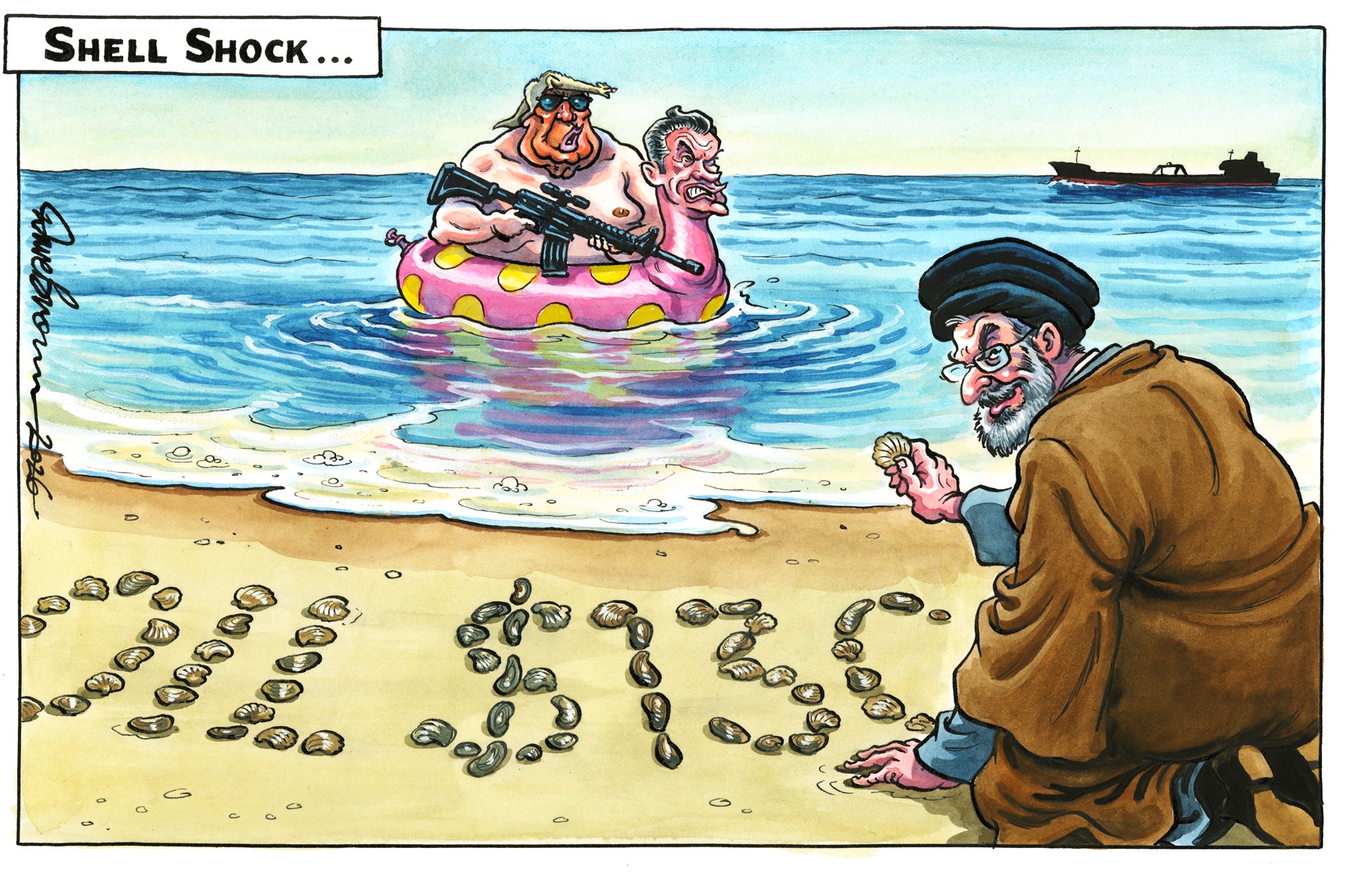
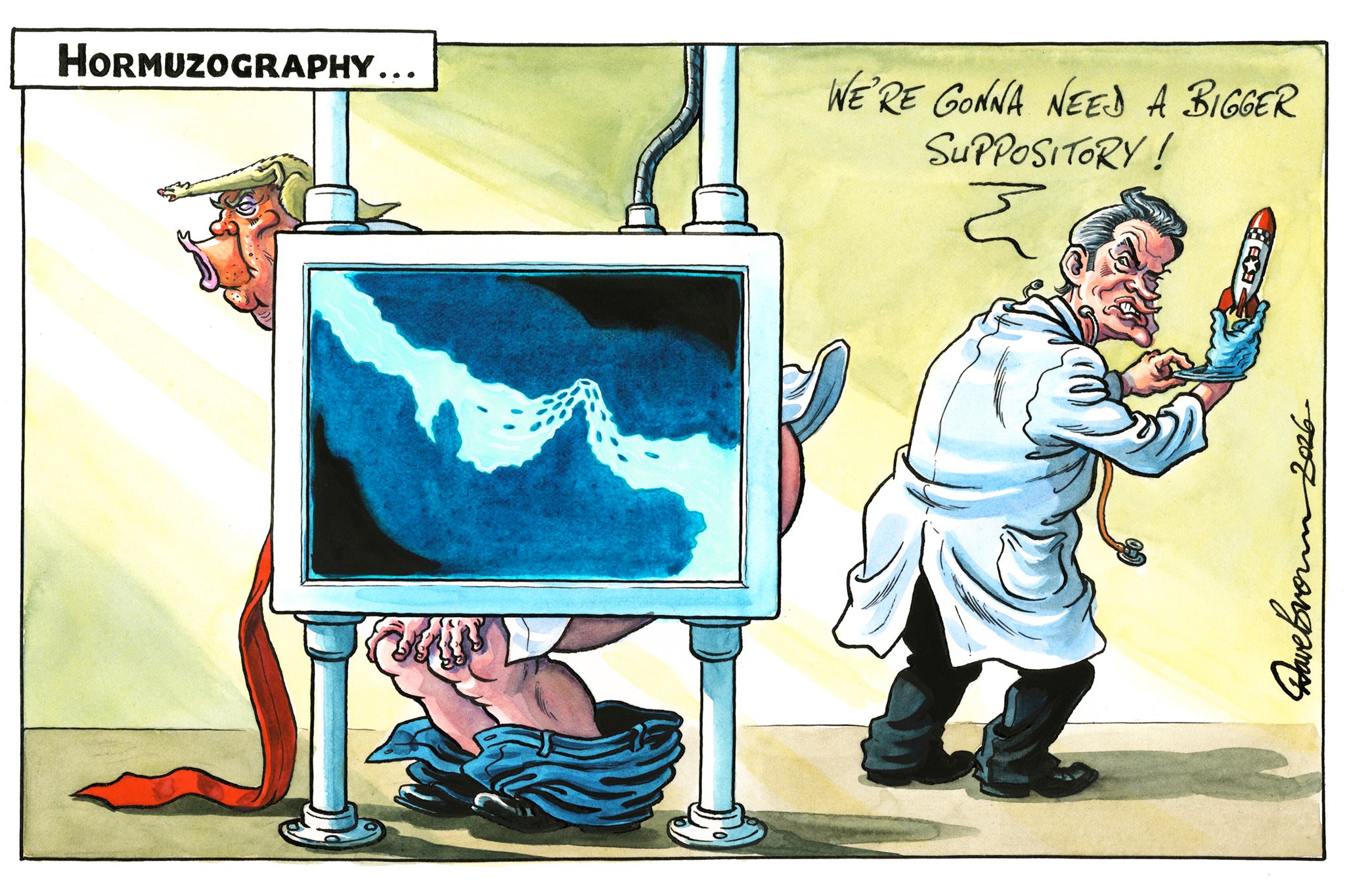
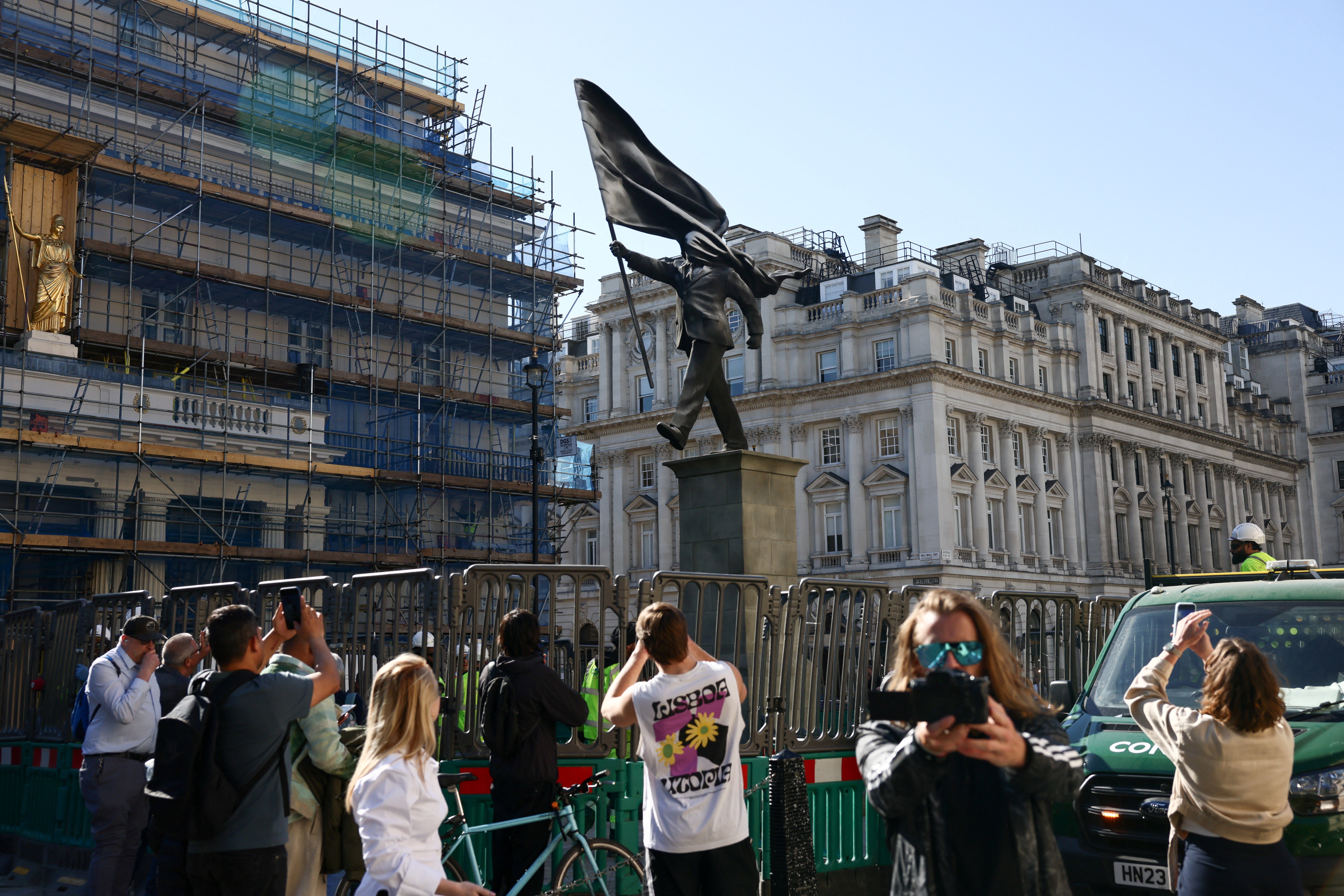
















 RSS
RSS