Den 6 mars i år svenska myndigheter bordade lastfartyget CAFFA, som seglade under guineansk flagg genom de baltiska sunden i svenskt territorialvatten. Motiveringen var misstanke om brott mot inernationella sjöfartssäkerhetsreglerna.
Enligt ett meddelande från Kustbevakningen den 7 mars har 10 av fartygets 11 besättningsmedlemmar ryskt medborgarskap. Svenska sidan försäkrar att situationen ombord är lugn.
Rysslands Ambassad i Sverige står i kontakt med berörda svenska myndigheter och är beredda att vid behov ge konsulärt stöd till de ryska medborgare som ingår i besättningen.
Цитата:
19.06
Посольство России в Швеции поддерживает связь с властями страны в связи с задержанием сухогруза Caffa, на котором находятся 10 граждан РФ, сообщило дипведомство.
Береговая охрана при поддержке полиции задержала судно под гвинейским флагом на юге Швеции. По информации SVT, оно следовало из Касабланки в Санкт-Петербург.
Цитата:
Цитата:
Цитата:
15.10
В Балтийском море шведский спецназ захватил находящийся под украинскими санкциями российский сухогруз Caffa.
Судно под флагом Гвинеи, шедшее из Касабланки в Петербург, остановили в районе Треллеборга.
Сейчас на борту проводятся следственные действия. Шведы обвиняют команду в использовании ложного флага, а само судно называют "судном без гражданства", а безопасность таких судов международным правом не гарантируется. С 2003 года судно называлось UFA, а с 2017 — VETLUGA и все эти годы ходило под российским флагом.
Летом 2025 года флаг судна был сменен с российского на гвинейский. Шведские власти расценивают это как попытку подлога и сокрытия его истинной принадлежности.
Caffa и его команду через какое-то время, скорее всего, отпустят. Но надо признать, что ЕС последовательно наращивает экономическое и логистическое давление на Россию. Недавно еще одно российской судно, танкер Ethera, было задержано Бельгией.
Любой рейс российских коммерческих судов через Балтику и Средиземное море теоретически может закончиться такими задержаниями до выяснения обстоятельств. Россия пока никак этому не противодействует.
Цитата:
14.28
Европа продолжает охоту на «теневой флот» России.
Шведская береговая охрана с вертолёта высадилась на балкер Caffa у юга Треллеборга. Судно под гвинейским флаг фигурирует в украинских санкционных списках и причисляется к российскому теневому флоту. По сообщениям шведских СМИ, он шёл с зерном из Касабланки в Петербург. Сейчас балкер стоит под контролем шведов, пока идёт юридическая и техническая проверка, выход из шведских вод ему закрыт.
Вот вам и «всего лишь один танкер», который захватили американцы. Европа узаконила пиратство и теперь охотится на суда, которые так или иначе связывает с Россией. Причем даже на те, которых нет ни в каких санкционных списках.
Как, например, контейнеровоз Baltic Spirit под багамским флагом, шедший из Эквадора в Петербург. В феврале его остановили просто по формальному поводу - подозрение в контрабанде. После жёсткого досмотра в порту Мууга наркотики не нашли, и судну разрешили уйти. Издержки и потерянную выгоду, разумеется, возмещать никто не собирается.
Цитата:
13.48
Добрались и до сухогрузов📝
Ни дня без атак на российское торговое судоходство. Судно российского теневого флота вчера перехватили у южных берегов Швеции, о чем уже поспешили радостно сообщить в береговой охране страны.
Судно Caffa шло под флагом Гвинеи из Марокко в Санкт-Петербург с мандаринами на борту. По данным СМИ, до лета 2025 года сухогруз ходил под флагом РФ и вывозил зерно из Крыма. Из-за этого оно попало в санкционные списки.
🖍Происходит ровно то, о чем мы говорили еще на заре первых атак на суда под российским флагом или другим, но перевозящим грузы в Россию. Давление усиливается, и вчерашнее задержание это наглядно показывает. Даже сухогрузы теперь не в безопасности.
🚩К чему это ведет? Дальнейшее судоходство для России на Балтике станет все более опасным, поскольку реакции на действия европейских стран в отношении наших судов попросту нет. А бездействие расценивают как слабость и расширяют атаки.
❗️Без соответствующих мер все будет лишь усугубляться, и Балтика превратится в изолированное море НАТО. Далее по такому же сценарию доберутся и до Средиземного моря, где атаки учащаются. А в среднесрочной перспективе и на Калининград аппетиты станут более отчетливыми.[/url]
Цитата:
Цитата:
12.43
В Швеции силовики провели масштабную операцию по задержанию судна, которое может быть связано с Россией. Летом прошлого года оно перевозило зерно из Крыма в Сирию — SVT
Береговая охрана Швеции при поддержке полиции задержала сухогруз Caffa, следовавший под флагом Гвинеи. Корабль был задержан в Балтийском море у берегов Треллеборга на юге Швеции. В операции под названием «Черный кофе» были задействованы вертолеты, один из них приземлился на сухогруз. Как отмечает ведомство, Caffa находится в санкционном списке Украины и, предположительно, напрямую связано с РФ. Украинские власти обвиняют судно в причастности к перевозке зерна из Севастополя в Сирию в июле 2025-го.
Судя по данным сервиса отслеживания судов Starboard, оно следовало из Касабланки (Марокко) в Санкт-Петербург, куда должно было прибыть 10 марта. Береговая охрана Швеции заподозрила судно в нарушения Закона о морском судоходстве: власти считают, что корабль непригоден к плаванию. Все следственные действия идут в море, проводятся обыски, опрашивается экипаж, уточнил пресс-секретарь Береговой охраны Швеции Маттиас Линдхольм.
Цитата:
0.50
Береговая охрана Швеции задержала в Балтийском море грузовое судно CAFFA, якобы связанное с теневым флотом России.
Цитата:
0.31
У берегов Швеции задержано грузовое судно Caffa под гвинейским флагом, сообщила береговая охрана.
По словам министра гражданской обороны, Caffa находится в санкционном списке Украины.
За три месяца зимы, Украина потратила 700 зенитных ракет для системы Patriot. Это столько же, сколько США и их союзников потратили ракет за несколько дней войны с Ираном, что ставит под угрозу новые поставки Киеву, сообщил еврокомиссар по обороне Андреус Кубилюс.
По его словам, за зиму Украине понадобилось около 700 ракет-перехватчиков PAC-3 для Patriot, при том что за весь 2025 год, американская компания-производитель Lockheed Martin смогла выпустить лишь 600 таких ракет. Большой расход ракет-перехватчиков связан ещё и с тем, что за весь 2025 год Россия нанесла более чем 2000 ракетных ударов по Украине, а для перехвата баллистической ракеты необходимо несколько зенитных ракет.
"Американцы не смогут обеспечить достаточное количество этих ракет для стран Персидского залива, для их собственной армии, а также для Украины. Ситуация действительно критическая. Нам необходимо очень срочно и очень быстро нарастить производство ракет", - заявил Кубилюс.
Издание Wall Street Journal приводит мнение, что Россия использует образованную дефицитом зенитных ракет брешь в украинской ПВО, нанося удары по энергетической инфраструктуре. А война на Ближнем востоке истощает запасы ракет для Patriot у союзников США в регионе. За несколько первых дней войны, для отражения иранских обстрелов страны Персидского залива потратили сотни ракет.
Издание считает, что при сохранении темпов обстрелов, США могут быть вынуждены перебрасывать свои запасы зенитных ракет с других направлений.
Russia supplying Iran with intelligence to target US forces, says report.
Moscow is rushing to the support of its ally amid a joint US-Israeli bombing campaign.
Russia is providing Iran with intelligence to help target US forces in the Middle East, according to a report, in a development likely to cause a rift between Donald Trump and Vladimir Putin.
Since the beginning of the war last Saturday, Moscow has been supplying Iran with the locations of US military assets, including warships and aircraft, three officials told The Washington Post.
The conflict has already spread far beyond the Middle East as Iran retaliates against US bases in the region, with attacks reported as far as Azerbaijan and Sri Lanka.
Russia has condemned the conflict as an “unprovoked act of armed aggression” by the US and Israel despite its own brutal ongoing invasion of Ukraine. Moscow has warned that it will mean “forces will emerge in Iran… in favour of doing exactly what the Americans want to avoid – acquiring a nuclear bomb”.
But exactly how far it has assisted Iran with its targeting is not entirely clear. Officials told the Post that the Iranian military’s ability to locate US forces has been degraded in just one week of fighting.
And US forces have shown no sign of letting up, after joint strikes with Israel have killed at least 1,200 people in Iran, according to Iranian authorities.
Mr Trump has warned there will be “no deal with Iran except unconditional surrender” in his latest rant, as the Middle East is embroiled in the seventh day of a deadly conflict.
“There will be no deal with Iran except UNCONDITIONAL SURRENDER,” the president wrote on Truth Social on Friday.
“After that, and the selection of a GREAT & ACCEPTABLE Leader(s), we, and many of our wonderful and very brave allies and partners, will work tirelessly to bring Iran back from the brink of destruction, making it economically bigger, better, and stronger than ever before.”
US secretary of defence Pete Hegseth said the “amount of firepower over Iran and over Tehran is about to surge dramatically”, adding: “When we say more to come, it’s more fighter squadrons, it’s more capabilities, it’s more defensive capabilities, and it’s more bomber pulses more frequently.”
Any reports regarding potential Russian involvement in the war could affect Trump’s relationship with Putin, with whom he has held far warmer ties than his predecessors in the White House. Trump has consistently sided with Putin over the war in Ukraine.
White House spokeswoman Anna Kelly said the Iranian regime “is being absolutely crushed” without commenting on potential Russian involvement.
“Their ballistic missile retaliation is decreasing every day, their navy is being wiped out, their production capacity is being demolished, and proxies are hardly putting up a fight.”
Цитата:
В Украине уже к апрелю может возникнуть дефицит топлива, если война с Ираном затянется, заявил глава Комитета Рады по вопросам налоговой политики Даниил Гетманцев.
«Необходимо обратить внимание на прогноз одного из ведущих американских банков JPMorgan Chase & Co относительно перспектив добычи нефти в странах региона. По мнению аналитиков этого финансового гиганта, если движение через пролив будет заблокировано, основные производители на Ближнем Востоке будут поддерживать добычу нефти максимум 25 дней. А затем будут вынуждены значительно сократить производство. Такой сценарий обещает новые серьезные проблемы для мировой экономики. И в этом случае мы можем столкнуться не просто со спекулятивным ростом цен, а даже с реальным дефицитом топлива. По мнению экспертов украинского рынка топлива, ситуация с дефицитом топливно-смазочных материалов может возникнуть у нас в стране уже в апреле месяце», - пишет Гетманцев.
Также он призвал уже сейчас «стимулировать заключение долгосрочных контрактов на поставку нефтепродуктов ключевыми операторами рынка. В частности, "Укрнафтой". Стоит изучить возможности для формирования стратегического резерва нефтепродуктов в партнерских соседних странах».
Тем временем, как сообщает Bloomberg, движение судов через Ормузский пролив практически остановилось.
Единственные крупные танкеры, пересекающие его связаны с Ираном.
Согласно данным отслеживания судов, за последние 24 часа один связанный с Ираном супертанкер покинул Персидский залив. В противоположном направлении в него вошел иранский танкер для перевозки сжиженного нефтяного газа. Оба судна находятся под санкциями США.
Невозможность беспрепятственного движения нефтяных танкеров в Персидском заливе и из него приводит к заполнению резервуаров для хранения в странах Персидского залива.
Ирак был вынужден сократить добычу, Кувейт последовал его примеру, в то время как Саудовская Аравия перенаправляет экспорт на терминалы в Красном море.
Напомним, вчера цены на нефть достигли 93 долларов за баррель.
Цитата:
Цитата:
Цитата:
Цитата:
Цитата:
В поисках «иранской Дельси». Итоги первой недели войны в Иране и ее перспективы.
Неделю назад США и Израиль напали на Иран, убив верховного лидера страны аятоллу Хаменеи, его сподвижников, многих других военных и гражданских лиц, включая, как уже признают и американские СМИ, более 150 девочек в школе в городе Минаб.
Мы уже писали, что война в Иране будет иметь решающее значение с точки зрения новой имперской стратегии США по сохранению своего глобального доминирования через демонтаж миропорядка, основанного на международном праве и замене его на торжество «права сильного».
Американцы рассчитывают, что они, как обладатели самый мощной в мире армии и флота, смогут с их помощью диктовать экономические и прочие условия всему миру, ограничивая развитие тех стран, которые они считают своими главными врагами и конкурентами. В первую очередь Китая, но не только. Европу также в рамках этой стратегии ничего хорошего не ждет.
Для реализации данного плана США нужен контроль над основными запасами ресурсов на планете. Первая и очень успешная «проба пера» была в Венесуэле, которая покорилась Вашингтону после похищения президента Мадуро. Следующий удар был нанесен по Ирану с целью взять под контроль его запасы нефти, а заодно и окончательно зацементировать американское доминирование на Ближнем востоке и в зоне Персидского залива, пресекая «боковые влияния» со стороны Китая и других игроков.
Далее, опираясь на такую базу можно будет уже диктовать условия и Китаю (угрожая блокадой поставок энергоносителей), окончательно поставить в зависимость Европу, а также вести торговую войну с РФ, вытесняя ее нефть и газ с мировых рынков и также принуждая Москву принимать условия Вашингтона.
Мы уже писали, что все это чревато прямым столкновением США с РФ и КНР с угрозой ядерной войны.
Но, в любом случае, путь к такой перспективе лежит через подчинение Ирана американцам, за что сейчас и идет война.
Провал планов подчинения Ирана (например - вынужденная остановка его обстрелов Израилем и США без достижения поставленных целей) будет означать поражение Вашингтона и поставит на грань краха всю его новую геополитическую стратегию.
Поэтому ставки крайне высоки и воплотить задуманное Трамп постарается любым способом.
Однако, неделя войны показала, что Иран не пал в один день и продолжает сопротивление.
Поэтому сейчас США, продолжая вместе с Израилем нанесение массированных ударов по Ирану, одновременно пытаются реализовать три сценария.
Первая – попытаться найти силы в регионе, которые возьмут на себя задачу наземного вторжения в Иран, которое не могут осуществить сами американцы в виду отсутствия в регионе достаточного количества американских сухопутных войск (в отличие от ситуации с войнами 1991 и 2003 годов с Ираком). Однако с этим есть сложности…
Второй – вызвать дестабилизацию внутри Ирана через протесты и бунт части силовиков и нацменьшинств. Пока признаков успеха этого проекта не наблюдается, хотя работа в данном направлении продолжается.
Третий - реализовать «сценарий Дельси Родригес» в Иране. То есть, после смерти Хаменеи привести к власти нового лидера, который примет все условия Трампа. На это прямо намекает сам президент США. Он сказал, что его устроит и религиозный лидер, который будет готов договариваться с американцам. То есть, речь идет о фактическом сохранении прежнего режима аятолл, но выполняющего все указания Вашингтона. Насколько этот путь реальный судить сложно, потому что информации о происходящем сейчас внутри иранских элит немного. В основном, на эту тему пишут западные, арабские и иранские оппозиционные источники. Они сообщают о борьбе радикального крыла, которое представляет КСИР и сын Хаменеи Моджтаб - один из кандидатов на роль нового лидера Ирана, которого Трамп уже назвал «неприемлемым», а также реформаторскими кругами, к которым, в частности, относят президента Пезешкиана и которые, по версии СМИ, готовы к «сделке» с американцами.
Насколько такая картина достоверна судить трудно. Хотя почву для обсуждения темы раскола в элитах дало и сегодняшнее заявление Пезешкиана, который извинился перед странами Персидского залива за ракетно-дроновые атаки и пообещал более удары не наносить, если не будет более атак на Иран с их территории. Но что на самом деле значит это заявление, будет ли оно вообще реализовано на практике, как сложится новый расклад в иранском руководстве и изменит ли он курс страны в отношении США пока говорить рано. Хотя, судя по заявлениям Трампа, у него на «венесуэльский сценарий» есть большие надежды.
Война в Иране уже задала много глобальных экономических и геополитических трендов.
Применительно к войне в Украине, как мы уже писали, практически все из них позитивны для Кремля и негативны для Киева.
Рост цен на нефть укрепляет бюджет РФ и ослабяет бюджет Украины.
Перебои с поставками энергоносителей из Персидского залива усиливают значение для Китая отношений с РФ, а также могут создать предпосылки для разворота курса Европы к нормализации отношений с Москвой.
Соответственно, повышается роль и значение России и для США. Особенно в плане недопущения укрепления союза Пекина и Москвы.
Плюс к тому снижается внимание Запада в целом к войне в Украине. Может иссякнуть поток военной поддержки, а в перспективе и финансовой (если рост цен на нефть будет продолжительным и нанесет серьезный экономический ущерб Европе).
Но пока это все еще скорее наметки на тренды. Для того, чтоб они превратились в устойчивую тенденцию нужно, чтоб война затянулась надолго.
Хотя даже если она закончится в ближайшее время (причем вне зависимости от того – успехом ли для США, либо их отступлением без достижения поставленных целей) последствия будут.
Во-первых, в плане усиления значения РФ для Китая, как единственного гарантированного источника снабжения сырьем. А значит – усиления значения Москвы и для США.
Во-вторых, в плане усиления разногласий между Штатами и Европой, а также внутри самого ЕС в отношении Америки.
В-третьих, еще в большей степени девальвируются понятие «международное право», на котором строят свою позицию Украина в противостоянии с РФ. Девальвируется, к сожалению, и цена человеческой жизни. Фото разрушений и жертв в украинских городах в мировой повестке в последнюю неделю «тонут» в потоке фото и видео разрушений и жертв в Иране, Ливане и в других странах Ближнего востока.
И это, конечно, будет иметь прямое значение и для войны в Украине. Поэтому вопрос о ее скорейшем окончании становится ещё более важным.
It’s too dangerous to see my own children, Ukraine’s president Zelensky admits.
Zelensky is tired, defiant, misses his family and may not run again as president, but first Ukraine has to win peace, the country’s leader tells the ‘World of Trouble’ podcast with world affairs editor Sam Kiley.
How often does the man who is the prime target of his neighbour’s assassins, has survived numerous plots to kill him, and lives under bombardment, see his family.
The answer for Ukrainian president Volodymyr Zelensky is “not much”.
But that is also the lot of hundreds of thousands of soldiers in his country and the millions of children who, like his own, go to school, or take courses at home because Vladimir Putin wants them dead too.
“Our children at school, they study and they have to run very quickly to shelters,” Zelensky told The Independent’s World of Trouble podcast in an exclusive interview.
“They have to do it. It doesn’t matter where they study, in the capital or closer to the front line, because the missile is not choosing where to go. They just bring destruction… So that’s why all our children are in danger.”
olodymyr Zelensky with his wife and children, pictured before the Russian invasion (Instagram)
As a result, Zelensky spends little time with his wife, Olena Zelenska, or his son Kyrylo. The boy has just turned 13, but has spent his entire life living in a country invaded by Russia when he was just a baby. The couple also have a 21-year-old daughter Oleksandra.
Zelensky said he has little time to spend with his family because of his job and rarely visits them because “it is also dangerous”.
They live in a secret location, as does he. But his movements, he knows, are subject to intense scrutiny and spying by Russia’s intelligence services, which have been behind at least 11 plots to kill him.
Along with his family, he was also targeted by Russian special forces and FSB units sent by the Kremlin to, literally, decapitate Ukraine’s leadership, but refused offers from the US to flee into exile and safety.
Now he has to be careful about whoever he visits – even factories and other sites which want a presidential visit rarely get one.
He knows that doing so will make them a target for Russia’s air campaigns, or local proxy attacks involving Ukrainians recruited for money, or by blackmail.
“It is the same for my family – that’s why I try not to go too much to some places,” he told World of Trouble.
Zelensky was elected in 2019 in what may be history’s most vivid example of fact following fiction. In 2015, he created and starred in a TV series called Servant of the People.
Its premise is that a history teacher almost accidentally ended up president of Ukraine after launching an online rant about corruption in the country.
Now Servant of the People is the dominant party in Ukraine’s parliament and a former comedian is the president of a country that, in 2022, was invaded by Vladimir Putin in a full-scale attempt to recolonise its vast resources.
…
The last four years have aged the president. He arrived for the online interview looking drawn and tired – but soon warmed to topics and used his easygoing style to project good humour and defiance, which have been both his international style and reflect Ukrainian attitudes more widely.
Zelensky rejected the Putin-style association of himself with the state. And ordinary Ukrainians made sure he understood that last year when they marched in protest at his government’s plans to remove the independence of anti-corruption units.
The protests forced a U-turn on the policy, and some of his closest associates have been implicated, indicted, or fled into exile following high-level multimillion-dollar alleged rackets.
Now running a country under martial law, he is legally unable to call another election until a satisfactory peace has been achieved and the parliament lifts the state of emergency.
Zelensky and his wife, Olena Zelenska, rarely see eachother on account of the ongoing conflict (AFP via Getty)
Would he run again?
“I am not sure that I would,” he told World of Trouble. “Number one, because you can’t be the president whom everybody loves. I understand it. It’s okay. … It’s a pity! But we have to recognise it.
“But I don’t want to be, I don’t want to be the president who is fighting elections but he knows that he's coming last and then uses administrative resources for his campaign”.
He said that in 2019 he did not consult his family about whether to run, believing it to be in the best interests of the country if he did. Now his longer-term priorities have shifted.
“This time, of course, for me, one of the most influential decisions will depend on my family.”
When asked what they had to say about running again, the message to the president appeared very clear: “They say ‘no’.”
_________________
С сожалением и понятными пожеланиями, Dimitriy.
Фрегат Черноморского флота «Адмирал Григорович» (водоизмещение 3620 т, вооружён противокорабельными, крылатыми и зенитными ракетами) прошёл через Ла-Манш, конвоируя два российских танкера «теневого флота». Британский корабль плёлся следом, не решившись на перехват. А журналисты Telegraph откликнулись обескураженным заголовком «Путин издевается над Стармером».
Отличный повод вспомнить вместе с журналом «Родина» Ивана Константиновича Григоровича – отчаянного русского флотоводца!
В ночь на 27 января 1904 года броненосец «Цесаревич» под командованием Григоровича, отразив минную атаку японцев на рейде Порт-Артура, был торпедирован. Но броневая противоминная переборка, отстоявшая на 2 метра от борта, выдержала удар. «Цесаревич» дал крен 17 градусов, но остался на плаву и в таком положении всю ночь отражал атаки противника.
Имя командира "Цесаревича" прогремело на всю Россию. Ночной бой броненосца был запечатлен на красочных плакатах, а портрет Григоровича по праву занял место среди лубочных изображений героев Русско-японской войны. 28 марта 1904 года Григоровича произвели в чин контр-адмирала и в тот же день назначили командиром военного порта Порт-Артур.
Он рьяно организовал работу по ремонту поврежденных кораблей и постановке минных заграждений и даже умудрился построить во время осады подводную лодку!
24 июля во время бомбардировки города японцами Григорович находился в рубке "Цесаревича". Попавшим в рубку 6-дюймовым газовым снарядом адмирал был сброшен с трапа на палубу, контужен и отравлен газами...
Упрямый адмирал был убежден в том, что русский флот следует строить "руками русских рабочих, из русских материалов и на русской территории". Именно построенные еще до революции, при морском министре Григоровиче, корабли встретили в 1941 году Великую Отечественную - 100 процентов линкоров, 40 процентов крейсеров, 30 процентов эсминцев советского ВМФ...
...
Цитата:
Цитата:
Цитата:
6.15
The Telegraph: Российский фрегат провёл танкеры через Ла-Манш.
Российский фрегат «Адмирал Григорович» провёл два танкера с нефтью через пролив Ла-Манш. Это произошло через месяц после того, как Кир Стармер пригрозил захватывать российские суда. По мнению издания британский премьер был публично унижен: никаких попыток остановить караван не предпринималось.
«Российский фрегат сопроводил два танкера "теневого флота", в то время как британское военное судно следовало за ними на расстоянии», — сообщает The Telegraph.
Стармер в марте заявил, что отдаст спецназу приказ захватывать российские танкеры. Однако с тех пор Британия не конфисковала ни одного судна. На этот раз Королевский флот лишь наблюдал, как российский военный корабль идёт вдоль южного побережья Англии.
«В прошлом месяце премьер-министр дал спецназу полномочия захватывать армаду ржавых судов, незаконно перевозящих нефть для поддержки войны России на Украине. Однако Британия до сих пор не захватила ни одного российского судна», — отмечает издание.
Россия ответила жёстко. Посол Андрей Келин предупредил, что любые попытки задержания не останутся без ответа.
«Это решение не останется без ответа. Пусть это станет сюрпризом для британского народа», — заявил Келин.
Британские военные эксперты признают: захват каждого танкера нереален. Для этого потребуются огромные ресурсы — морская пехота, спецназ и причалы, которых в Британии просто нет.
«Россияне отчаянно хотят сохранить поток нефти и продолжать войну на Украине. Они водят Стармера за нос прямо сейчас. Если мы действительно хотим помочь Украине, мы должны давить на эти корабли. Это отправило бы сигнал... Это смутило бы Путина. Но сейчас мы не посылаем этот сигнал», — заявил отставной майор парашютного полка Эндрю Фокс.
Консервативная оппозиция уже назвала происходящее «национальным скандалом». Кеми Баденох обвинила Стармера в отсутствии плана по перевооружению армии.
«У нас нет плана того, как правительство будет реально закупать оборудование, оружие и боеприпасы. Кир Стармер — это болтовня без штанов, когда дело доходит до обороны», — заявила лидер консерваторов.
Цитата:
UK and Norway led a military operation to deter Russian submarines in the North Atlantic.
…
British officials have tried to keep Russia in the international spotlight even as the world’s attention is focused on conflict in the Middle East. They have also stressed the overlap between conflicts there and in Ukraine, saying Russia has supplied Iran with drone parts and other support.
Healey told a news conference that “Putin would want us to be distracted by the Middle East,” but Russia is the main threat to the UK and its allies.
“We will not take our eyes off Putin,” he said.
In late March, the UK said its military was ready to seize ships suspected to be part of Russia’s “shadow fleet” of vessels shipping oil in violation of international sanctions over Moscow’s war on Ukraine. Previously, Britain had only helped France and the US monitor ships before they were boarded.
“We are ready to take action” against the vessels, Healey said.
Цитата:
Moscow threatens to attack Baltic countries allowing Kyiv to use airspace for drones.
Moscow has threatened to attack countries in the Baltic that are allowing Ukraine to use their airspace to fly drones to attack Russia.
Russia’s foreign ministry spokesperson Maria Zakharova issued the warning after Kyiv used drones to attack the Baltic ports of Primorsk and Ust-Luga, which are key to Moscow’s oil exports.
“If third countries have provided or are providing their territory for enemy drones to fly over, they must fully understand – and we are confident they do, because it has been explained to them – the risks they are exposing themselves to,” she said on Thursday.
Russian drones and aircraft have repeatedly violated European airspace, including fighter jet incursions into Estonia and unidentified drones flying over Copenhagen and Oslo airports.
The Baltic countries — Estonia, Latvia, and Lithuania — are Nato members after gaining independence from the Soviet Union in 1991.
Britain's defence minister John Healey said for a month the UK had tracked Russian submarines in the north Atlantic that were a threat to British cables and pipelines.
...
Цитата:
UK navy foiled Russian submarines surveying undersea cables, defence minister says.
John Healey says warship and aircraft forced Russia to abandon activity in North Sea in month-long operation.
A British warship and aircraft tracked and monitored Russian submarines trying to survey vital undersea infrastructure in the North Atlantic, ensuring they fled the area, the defence secretary, John Healey, has said.
Speaking at a Downing Street press conference, Healey said the UK operation lasted more than a month and saw a Royal Navy warship and P8 marine patrol aircraft “track and deter any malign activity” by three Russian submarines.
Declining to reveal precisely where the operation took place, Healey said it did not happen in UK territorial waters but in the exclusive economic zone that extends up to 200 nautical miles from the UK coastline, or where it meets the boundary of other nations’ zones.
The submarines were a Russian Akula class nuclear-powered vessel and two deep-sea submarines from Russia’s directorate for deep sea research (Gugi), he added.
The Russian action took place “while the eyes of many were trained on the Middle East” because of the US-Israeli attack on Iran, Healey said.
He added: “I’m making this statement to call out this Russian activity, and to President Putin, I say: ‘We see you. We see your activity over our cables and our pipelines, and you should know that any attempt to damage them will not be tolerated and will have serious consequences.’”
Healey said there was no evidence any pipelines or cables had been damaged, but that UK forces and allies would verify this.
Describing the operation, Healey said: “A Royal Navy warship and Royal Air Force P-8 aircraft alongside allies ensured that the Russian submarines were monitored 24/7.
“The Akula submarine subsequently retreated home, having been closely tracked throughout and we continued to monitor the two Gugi submarines in and around wider UK waters.
“Our armed forces left them in no doubt that they were being monitored, that their movements were not covert, as President Putin planned, and that their attempted secret operation had been exposed. Those Gugi submarines have now left UK waters and headed back north.”
The operation involved 500 UK personnel, he added.
Asked for specifics about how the submarines were tracked and deterred, Healey said sonar buoys were dropped regularly “to demonstrate to them that we were monitoring every hour of their operation”.
He added: “And because we were watching them, we wanted to ensure that we could warn them that their covert operation had been exposed and reduce the risk that they may attempt any action that could damage our pipelines or our cables.”
The Russian operation, Healey explained, demonstrated why the government saw Moscow “as the primary threat to the UK and to Nato”, adding: “We will not take our eyes off Putin, whilst at the same time we act to protect our British interests and our British allies in the Middle East.”
The Ministry of Defence said Gugi had specialist surface ships and submarines that were used to survey underwater infrastructure during peacetime, but had the capability to damage or destroy vital links during a conflict.
The UK and its Nato allies have become increasingly concerned about the risk Moscow poses to underwater cables and pipelines, amid heightened tensions after the invasion of Ukraine.
While saying there was a need for increased defence spending, Healey said the operation showed that the UK was capable of deterring Russia.
“I think the nature of the operation that I’ve set out today demonstrates that we have UK armed forces capable of detecting, capable of deterring, capable of responding if required in order to protect Britain, protect our vital undersea infrastructure,” he added.
Asked about Donald Trump’s disparaging remarks about European countries’ contribution to Nato, Healey said: “I’m not going to comment on social media posts. What I can reflect on is the conversations that I’ve had with his secretary of war, Pete Hegseth, both one to one, and when I sit next to him at Nato defence minister meetings.
“He is clear about the US, that they remain totally, totally committed to Nato and to article 5, but equally strong in requiring European Nato nations like the UK to step up.”
Asked if the US president’s decision to attack Iran had made Putin’s job easier by sowing confusion, Healey avoided answering the question.
Цитата:
Russian submarine operation over Britain's undersea cables revealed as UK warns Putin 'we see you'
Russia ran a secret operation targeting crucial energy and data cables in British waters for over a month, the Defence Secretary revealed today.
John Healey said a nuclear-powered attack submarine and two spy submarines had been spotted in the North Atlantic, with a warship and aircraft deployed in response.
Sonar buoys - which track underwater movements using acoustic signals - were dropped into the water to deter the Russians from targeting the cables, which carry vast amounts of valuable data. Addressing Russian President Vladimir Putin, Mr Healey said: 'We see your activity over our cables and our pipelines, and you should know that any attempt to damage them will not be tolerated and will have serious consequences.'
The Defence Secretary said the operation involved an Akula-class nuclear-powered attack submarine and two specialist submarines from a Russian ministry of defence research programme known as GUGI (Main Directorate of Deep-Sea Research).
Aided by allies including Norway, Britain deployed 500 personnel onboard a warship and Royal Air Force P8 aircraft, which flew for more than 450 hours before the Russian subs retreated.
Mr Healey said Putin had sought to capitalise on the world being 'distracted' by the Iran war and said his actions showed by it was 'not in Britain's national interest' to deploy large parts of the Royal Navy to the Middle East.
He told a press conference that he wanted to expose Russia's targeting of Britain's underwater infrastructure and vowed to 'step up' efforts to protect it.
It comes as Putin made a mockery of Sir Keir Starmer's vow to stop illegal oil tankers using the Channel by sending a warship to escort them, unmolested by the Royal Navy.
John Healey revealed the 'covert' Russian operation in a media briefing at 9 Downing Street
A satellite image released by the MoD of a spy sub operated by a Russian ministry of defence research programme known as GUGI (Main Directorate of Deep-Sea Research)
GUGI's spy ship Yantar pictured in another satellite image released by the MoD
Mr Healey said: 'In response to the Russian submarines, I can confirm that I deployed our armed forces to track and to deter any malign activity by these vessels.
'A Royal Navy warship and Royal Air Force P8 aircraft alongside allies ensured that the Russian submarines were monitored 24/7.
'The Akula submarine subsequently retreated home, having been closely tracked throughout and we continued to monitor the two GUGI submarines in and around wider UK waters.
'Our armed forces left them in no doubt that they were being monitored, that their movements were not covert, as President Putin planned, and that their attempted secret operation had been exposed.
'Those GUGI submarines have now left UK waters and headed back north.'
He said the month-long operation had now concluded.
The senior minister said the attack submarine acted as 'a likely decoy to distract us from the Gugi submarines' as they 'spent time over critical infrastructure relevant to us and our allies in the North Atlantic'.
He continued: 'Because we were watching them, we wanted to ensure that we could warn them that their covert operation had been exposed and reduce the risk that they may attempt any action that could damage our pipelines or our cables.
'And I'm confident, we have no evidence that there has been any damage, but with allies,
The submarines had been within the UK's exclusive economic zone, which extends up to 200 nautical miles – about 230 miles – offshore, but not within Britain's territorial waters, within 12 nautical miles (13.8 miles) from the coast, the Defence Secretary said.
It was not the first time vessels from the Gugi fleet were 'directed by President to conduct hybrid warfare activities' against the UK's vital subsea infrastructure, Mr Healey said.
Last November, the Yantar spy ship was caught lurking over cables in waters north of Scotland and was warned off by a Royal Navy nuclear-powered attack submarine.
The Ministry of Defence says Gugi has both specialist surface ships and submarines that are used to survey underwater infrastructure during peacetime, but also has the capability to damage or destroy those vital links during a conflict.
The UK and its Nato allies have become increasingly concerned about the risk Moscow poses to underwater cables and pipelines, amid heightened tensions following the invasion of Ukraine.
Attacks on undersea infrastructure could cause major disruption to the financial and communications systems Britons rely on.
It comes at a sensitive time for the MoD after the Russian frigate Admiral Grigorovich was seen accompanying two 'shadow fleet' vessels past Britain's south coast yesterday, with the Navy only able to rustle up one support ship to watch it.
The vessels are moored at Russian naval base Olenya in the High North
Last month, Sir Keir gave approval for Britain's commandos to board and halt shadow fleet vessels as they pass through UK waters in an attempt to 'go after' the sanction-breaking ships 'even harder'.
But RFA Tideforce, an auxiliary tanker armed with only light defensive weapons, simply followed the three-ship flotilla past Dover without intervening.
It followed claims by Tory leader Kemi Badenoch that Sir Keir was 'all mouth and no trousers' when it came to defence.
Asked about yesterday's incident in the Channel, Mr Healey said Moscow 'still poses a threat'.
He added that Britain 'will continue to do what we've done as a matter of course, which is ensure that we can escort any Russian warships through our waters and, in the case of this operation, to ensure that we can track any potentially malign activity, and that we can monitor and make clear that we have exposed any covert operations that Putin wants to mount that may threaten our vital interests'.
Mr Healey claimed the operation to shadow Russian subs showed why Britain had been right not to send more ships to the Middle East.
He said: 'When a crisis erupts noisily and dangerously, as it has done in the Middle East, I understand people questioning why all UK military assets and personnel have not been deployed to deal with it, but that is not in Britain's national interest.
'The greatest threats are often unseen and silent, and as demands on defence rise, we must deploy our resources to best effect.'
He added that Putin 'would have wanted us, I expect, to be distracted and my purpose today is to demonstrate to him publicly that we have not been – that we have our eye on him, that we recognise he and Russia pose the primary threat to UK security and Nato security.'
HMS Somerset (front) and HMS St Albans tracking Russian vessel RFN Severomorsk. The undated photo was released today by the Navy after what it described as 'ten days of focused operations closely monitoring Russian warships'
Russia was likely sharing intelligence and training Iranian forces in drone tactics, with Moscow's attacks on Ukraine 'reflected' in many of the ways that Iran is attacking Middle East countries, he added.
Sir Keir, who arrived in the UAE this morning as part of a visit to the Gulf, insisted he would 'not shy away' from taking action against Russia.
He said: 'I am determined to protect the British people from paying the price for Putin's aggression in their household bills.
'That is why we will not shy away from taking action and exposing Russia's destabilising activity that seeks to test our resolve.
'Our Armed Forces are among the best in the world, and the British public should be in no doubt that this government will do whatever it takes to defend our national and economic security, wherever in the world that is needed.'
Цитата:
UK issues stark warning to Putin over Russian spy submarines detected in North Atlantic.
Defence secretary John Healey warned any attempt to damage UK cables and pipelines ‘will have serious consequences’
The defence secretary has issued a stark warning to Vladimir Putin after Russian attack and spy submarines were found operating in the North Atlantic.
John Healey told a press conference in Downing Street on Thursday that in the past few weeks, while many eyes were trained on the Middle East crisis, the UK responded to “increased Russian activity” near crucial UK cables and pipelines in the Atlantic north of Britain.
He revealed that the UK and allies monitored the vessels, which included a Russian Akula-class nuclear-powered attack submarine and two specialist submarines from Russia’s ministry of defence deep sea research programme, known as GUGI, for a month before they retreated.
Addressing Putin directly, Mr Healey said: “We see your activity over our cables and our pipelines, and you should know that any attempt to damage them will not be tolerated and will have serious consequences.”
Defence secretary John Healey says the Russian submarines were tracked for a month (Toby Shepheard/PA)
Mr Healey’s warning came after The Telegraph reported that Russia sent a warship to escort sanctioned oil tankers through the English Channel, following Sir Keir Starmer’s declaration that sanctioned vessels sailing in British waters would be seized.
The Black Sea Fleet frigate Admiral Grigorovich is said to have accompanied a pair of shadow fleet ships on Wednesday, which were followed by a British naval vessel. According to the newspaper, the vessel observed the flotilla off England’s south coast while RFA Tideforce, a Royal Fleet Auxiliary tanker, was in their wake.
Satellite imagery of the Russian GUGI vessels at dock (Ministry of Defence)
Mr Healey said: “In response to the Russian submarines, I can confirm that I deployed our armed forces to track and to deter any malign activity by these vessels. A Royal Navy warship and Royal Air Force P8 aircraft alongside allies ensured that the Russian submarines were monitored 24/7. The Akula submarine subsequently retreated home, having been closely tracked throughout, and we continued to monitor the two GUGI submarines in and around wider UK waters.
“Our armed forces left them in no doubt that they were being monitored, that their movements were not covert, as President Putin planned, and that their attempted secret operation had been exposed. Those GUGI submarines have now left UK waters and headed back north.”
Mr Healey said the attack submarine acted as “a likely decoy” to distract from the GUGI submarines as they “spent time over critical infrastructure relevant to us and our allies in the North Atlantic. Because we were watching them, we wanted to ensure that we could warn them that their covert operation had been exposed and reduce the risk that they may attempt any action that could damage our pipelines or our cables.
“And I’m confident we have no evidence that there has been any damage, but with allies we’re sure that this is now verifiable.”
Undersea fibre-optic cables, which are responsible for 99 per cent of the world’s digital communications, are essential for commerce, government and military functions by securely transmitting information. Any damage to Britain’s undersea cables could cause serious political and economic disruption.
Sir Kier Starmer said last month that the navy would intercept Russia’s shadow fleet. The armed forces and law enforcement are now empowered to halt and board sanctioned vessels that pass through UK waters. The prime minister’s announcement was made in conjunction with European allies in an attempt to cut off funding for Moscow’s war with Ukraine.
It is understood that the shadow fleet consists of approximately 700 vessels, carrying around 40 per cent of all Russian oil exports. The UK has to date sanctioned 544 Russian shadow fleet vessels that ship oil and other goods out of Russia illegally by flying the flags of other countries, with the aim of evading sanctions imposed by the West since the invasion of Ukraine.
Prime minister Keir Starmer warned last month that sanctioned vessels sailing in British waters would be seized (PA)
Closing off British waters is aimed at forcing the Russian vessels into taking longer, more costly sea routes, or risk being intercepted by the UK.
Sir Keir said: “We are living in an increasingly volatile and dangerous world, facing threats from different fronts across the world every day. As prime minister, my first duty is to keep this country safe and protect British interests here and abroad. Putin is rubbing his hands at the war in the Middle East because he thinks higher oil prices will let him line his pockets. That’s why we’re going after his shadow fleet even harder, not just keeping Britain safe but starving Putin’s war machine of the dirty profits that fund his barbaric campaign in Ukraine. He and his cronies should be in no doubt, we will always defend our sovereignty and stand with Ukraine for as long as it takes.”
British forces have already been involved in tracking shadow fleet vessels for several years, and have supported operations by other countries to seize the ships.
В Минобороны назвали количество нарушений ВСУ пасхального перемирия.
Минобороны: зафиксировано 6558 нарушений пасхального перемирия со стороны ВСУ.
МОСКВА, 13 апр - РИА Новости. Зафиксировано 6558 нарушений режима пасхального перемирия со стороны ВСУ, сообщило в понедельник министерство обороны РФ.
"Несмотря на объявление режима пасхального перемирия, украинские вооруженные формирования продолжали наносить удары с использованием беспилотных летательных аппаратов и артиллерии по позициям наших войск, а также по гражданским объектам в приграничных районах Белгородской и Курской областей Российской Федерации. Всего зафиксировано 6558 нарушений режима перемирия",
- говорится в сводке военного ведомства.
Как информировал ранее Кремль, перемирие действовало с 16.00 11 апреля до исхода дня 12 апреля.
Цитата:
Нарушения «пасхального перемирия»: украинские военные обвинили Россию в расстреле военнопленных, Минобороны РФ заявило об атаке по автозаправке.
Минобороны РФ заявило, что российские войска «в зоне военной операции строго соблюдали режим прекращения огня» (цитата по РБК), а с украинской стороны ведомство зафиксировало 6558 случаев нарушения перемирия.
В частности, заявили в ведомстве, украинский беспилотник во время перемирия повредил автозаправочную станцию «Роснефти» во Льгове Курской области.
Генштаб ВСУ, в свою очередь, насчитал 10721 нарушение режима прекращения огня со стороны России.
Кроме того, Генпрокуратура Украины заявила, что 11 апреля (в субботу) в Харьковской области российские военные расстреляли четырех украинских военнопленных. Как заявили «Суспільне» в 14-м армейском корпусе ВСУ, это произошло уже после начала перемирия.
«Пасхальное перемирие» длилось с 16:00 по Москве субботы до полуночи с воскресенья на понедельник.
Цитата:
Moment Putin strolls into Easter Sunday service in Moscow - as Elon Musk's father watches on - after 'breaking Kremlin-declared ceasefire'
Vladimir Putin strolled into an Easter Sunday service attended by Elon Musk's father in Moscow last night, after violating a Kremlin-declared ceasefire.
The Russian president casually walked into the midnight cathedral service, apparently wearing heavy makeup, and looking weary and tired.
Putin's annual appearance at the Christ the Saviour Cathedral near the Kremlin, to mark Orthodox Easter, came soon after he called a 32-hour ceasefire in the war - which his own troops violated.
The Easter ceasefire was broken by Russia after it attacked Ukrainian positions with drones on Saturday.
Ukraine's military command reported nearly 470 Russian violations of the truce.
In a festive message at the Sunday service, Putin said: 'The great holiday of Easter fills the hearts of millions of people with sincere joy, faith in the all-conquering power of life, in the triumph of love, goodness, and justice, and unites us around centuries-old paternal traditions, undeniable spiritual, moral values, and ideals.'
As his troops broke his declared ceasefire, he praised 'our heroes - the participants and veterans of the special military operation'.
The service was also attended by Elon Musk's father Errol, 79, who is a regular visitor to Russia.
President Putin attended the Easter Sunday midnight service at the Christ the Saviour Cathedral near the Kremlin last night, hours after breaking the Russia-declared ceasefire with Ukraine
Elon Musk's father, Errol, 79, watched on. The South African businessman is a regular visitor to Russia
Putin appeared tired and weary and wore heavy makeup in the annual outing. Pictured: Putin (left) next to Moscow's mayor Sergey Sobyanin
Errol Musk has previously praised Putin and even blamed his son for falling out with President Donald Trump.
…
President Putin on Thursday declared a 32-hour ceasefire over the Orthodox Easter weekend, ordering Russian forces to halt hostilities from 4pm on Saturday until the end of Sunday.
Ukrainian President Volodymyr Zelensky promised to abide by the ceasefire, describing it as an opportunity to build on peace initiatives. But he warned there would be a swift military response to any violations.
Russia quickly violated their own ceasefire after attacking Ukrainian positions with drones on Saturday evening, as Serhii Kolesnychenko, a communications officer for Ukraine's 148th Separate Artillery Brigade, said: 'The ceasefire is not being observed by the Russian side.'
Mr Kolesnychenko said that while artillery fire had paused in the sector where his brigade was working, at the junction of the Donetsk, Dnipropetrovsk and Zaporizhzhia regions, Russian forces continued to use drones to strike Ukrainian positions.
Ukrainian forces were responding with 'silence to silence and fire to fire', Mr Kolesnychenko said.
Hours before the ceasefire was due to begin, Russia launched drone strikes across Ukraine. Pictured: A view of the aftermath following a Russian airstrike using KAB-250 guided bombs in the city centre of Kramatorsk, Ukraine, on April 11, 2026
According to the Ukrainian Air Force, Russia targeted Ukraine with 160 drones overnight, of which 133 were shot down or intercepted, hours before a proposed Easter ceasefire was due to come into force
Ukraine's military command said on Facebook: 'After 4:00 pm, 469 ceasefire violations were recorded, namely: 22 enemy assault actions, 153 shelling attacks, 19 strikes by attack drones... and 275 strikes by FPV drones.
'Today in total, the enemy carried out 57 air strikes and dropped 182 guided aerial bombs. In addition, it deployed 3,928 kamikaze drones and conducted 2,454 shelling attacks on populated areas and positions of our troops'.
The latest flare-up comes despite Moscow and Kyiv both signalling that the end of the war in Ukraine may be in sight.
Russia's hardline foreign minister issued a surprise statement that 'the prospect of a political and diplomatic settlement is on the horizon.'
At the same time, Ukraine's top negotiator Lt-Gen Kyrylo Budanov, 40, made clear Russia is shifting its stance. 'They all understand the war needs to end. That's why they are negotiating,' he told Bloomberg. 'I don't think it will be long.'
Что значат итоги выборов в Венгрии для Украины и Европы?
Итак, выборы в Венгрии завершились разгромной победой оппозиции. Орбан уже признал свое поражение. И это, конечно, будет иметь последствия.
В первую очередь, поражение Орбана - это поражение Трампа в битве с европейскими леволиберальными элитами и, в целом, с Европейским союзом. Трамп открыто поддержал Орбана, который был для него важнейшим союзником с точки зрения влияния на внутренние дела Евросоюза в рамках концепции полного подчинения Европы Вашингтону. Теперь этот союзник потерян и элиты ЕС свое положение в противостоянии с Трампом упрочили. Что не отменяет новых проблем, к которым может привести рост популярности правых и прочих антисистемных сил в разных странах Европы. Но, по крайней мере на данный момент, одной проблемой для евроэлит стало меньше. И это главный итог выборов в Венгрии.
Причем, очевидно, что в немалой степени такой итог обусловлен начатой Трампом войной с Ираном, которая явно пошла не по первоначальному плану и вызвала резкий рост антитрампистских настроений в Европе, превратив поддержку с его стороны для европейских политиков в четкий минус. И это предвестник более широких и серьёзных проблем президента США, которые могут ждать его на довыборах в Конгресс в конце этого года.
В Киеве же, конечно, больше внимание обращают на другой аспект - Орбан блокировал в ЕС многие процессы, начиная от санкций против РФ и заканчивая евроинтеграцией Украины и кредитом в 90 млрд евро. Теперь же, как надеются украинские власти, эти процессы будут разблокированы. Особенно кредит, острая потребность в котором возникнет уже в мае.
Однако как раз на эти моменты исход выборов в Венгрии может не оказать решающего воздействия, так как основное влияние на принятие решений по данным пунктам окажут совсем другие факторы. Если продлится блокада Ормузского пролива и связанный с этим ценовой шок на топливном рынке, то под большим вопросом окажется как выдача кредита в 90 млрд, так и новые санкции против РФ. Наоборот - в Европе будут все чаще поднимать вопрос о том, чтоб возобновить закупку российских энергоносителей. И по тем же причинам может увеличиться число тех, кто выступает против предоставления Украине крупной финансовой помощи с учетом резкого ухудшения экономической ситуации в самой Европе. Тем более, что помимо Орбана у этой точки зрения есть и другие сторонники (премьер Словакии Фицо, например). Кроме того, поражение союзника на выборах в Венгрии может ещё более усилить раздражение Трампа в отношении Европы и вызвать новый поток угроз относительно выхода из НАТО и сворачивания американского военного присутствия на континенте. И чем больше будет обостряться конфорки США и Европы, тем выше вероятность, что это напрямую коснется и поддержки Украины - в плане сворачивания поставок американского оружия и разведданных.
Хотя, безусловно, смена власти в Венгрии увеличит вероятность разблокировки кредита Украине. Или, как минимум, создаст впечатление у украинских властей, что с кредитом уже почти все решено.
И это уменьшит и без того небольшие шансы на то, что Киев согласится с требованиями РФ и США по выводу войск из Донецкой области. А значит война будет затягиваться и далее, создавая риски перерастания в войну РФ с Европой. Если только и Москва, и ЕС не смогут в ближайшее время изменить свой стратегический курс по отношению друг к другу.
Цитата:
Украина отменяет рекомендации своим гражданам воздержаться от поездок в Венгрию «в связи с завершением вчера избирательной кампании», сообщил глава МИД Сибига.
«Эта избирательная кампания, которая, к сожалению, была переполнена манипуляциями в отношении Украины, уже позади. А значит, утратили свою остроту и повышенные риски провокаций, из-за которых вводились эти ограничения», - пишет Сибига.
Он говорит, что Киев рассчитывает на «нормализацию отношений». А результаты выборов «ознаменовали поражение политики шантажа и антиукраинской пропаганды».
Цитата:
The biggest winner from Viktor Orban’s ousting is Ukraine.
As Trump and Putin’s man in Europe is swept away by an election landslide, Hungary is back being a firm and reliable ally – meaning the EU can now get on with offering meaningful support to Kyiv…
As the long, dark night of Viktor Orban’s 16-year rule in Hungary came to an end this weekend, it wasn’t just the jubilant crowds crammed onto the bridges across the Danube that had a song in their heart. There are few political events about which you can reach for a quote from 1970s soul band Hot Chocolate – but today, “Everyone’s a winner, baby, that’s no lie”.
For “the dictator”, as he was known in Brussels, has gone. Hungary has certainly won, Europe has won, Donald Trump and Vladimir Putin have lost their fifth-columnist ally on this continent, and Nigel Farage has lost a source of ideological inspiration.
But the biggest sigh of relief – at the sheer size of Peter Magyar’s election landslide – must have been in Kyiv. Cliche or not, we shouldn’t hesitate to call the end of Orban as a game-changer for Ukraine.
In recent years, Volodymyr Zelensky and his people have conducted their astonishingly successful resistance to the Russian invasion with bravery, solidarity and ingenuity – and in spite of a shortage of funds. The European Union has long had a massive 90bn euros ready to lend to them – to pay for armaments, soldiers’ wages, and just to keep going – but the arrangement has been vetoed by the most stubborn and intractable of EU member states.
The end of Orban’s government means the EU is back to being a firm and reliable ally. Its financial assistance could hardly have come at a more critical juncture. Trump’s calamitous war-by-instinct in Iran has pushed the world price of oil and natural gas so high that it has given the Russian economy, and thus Putin’s war machine, an unexpected boost.
Without Europe – both in terms of fighting the war, and its long-term aim of cementing its future as a civilised, modern, outward-looking nation – Ukraine was doomed. But as the Hungarian people collectively roared "Ruszkik haza!" (“Russians, go home!”), they echoed their own uprising against Soviet oppression in 1956, but also solidarity with the Ukrainian people.
No longer will Orbán and his ministers gleefully leak classified information about discussions within the EU and Nato to the Kremlin. Magyar, contrary to some assumptions, is no central European version of Zack Polanski. He is socially conservative, resistant to accepting refugees, for example. But he also understands that there is no future for his proud historic nation or the continent it shares by being a Russian vassal state, and is this more of a Hungarian patriot than Orban could ever be.
Hungary’s identity crisis – triggered by trying to be simultaneously an ally of Putin and of Trump, while retaining full Nato and EU membership – should now be over. Budapest knows whose side it is on.
There’s a key lesson here for other Europeans, too. Orbán’s failure in his quest to be an ideological ally of Trump and Putin, dependent both on the EU and China for trade, investment and prosperity, points to future failure for the likes of AfD, Le Pen, Farage and all the other so-called Christian nationalist populists across Europe.
Orbanism, if there ever could be such a thing, is a contradiction in terms. In Europe, shifting alliances based on dodgy ideologies are less durable than those rooted in the clear national interest of democratically pooling sovereignty on a permanent basis of trust. That’s what the EU is all about, it’s what the Hungarians have at last embraced – and that way, every European can be a winner.
Цитата:
Цитата:
How Trump’s support delivered the kiss of death to Orban’s election chances after landslide defeat
The Hungarian PM had sought the backing of the Trump administration to see his struggling party over the line in elections to shape the future of Europe. Instead, it appears that the President’s backing may have harmed his chance…
Vice President J.D. Vance and the now-outgoing Hungarian Prime Minister Viktor Orban at an election rally in Budapest last Tuesday (Getty)
Lt took Viktor Orbán sixteen years to reshape Hungary in his image. It took one evening to undo it.
Peter Magyar’s landslide victory followed months of campaigning, positioning himself as the antidote to years of autocratic drift, while Hungary’s veteran nationalist leader doubled down on his ties to Vladimir Putin and Donald Trump.
In the days leading up to the election, Trump had offered the prime minister his “Complete and Total Endorsement”, telling Hungarians to “GET OUT AND VOTE FOR VIKTOR ORBÁN”. He went so far as to send his vice president, JD Vance, to campaign for Orbán in Budapest - as the polls showed Magyar pressing ahead.
Trump was silent on Monday after the election defeat, still dealing with the fallout of failed negotiations to end the war in Iran. As the conflict continues to harm his domestic and global popularity, experts have questioned whether his endorsement is a blessing or a curse.
Trump’s glowing endorsement of Orban
As Magyar was outlining his vision for reintegration with Europe on the campaign trail late last year, Orbán met with Trump at the White House to shore up ties. The president gave the prime minister a glowing endorsement for his hardline stance on immigration, and Trump showed sympathy for Hungary’s reliance on Russian energy.
Orbán left with an exemption from US sanctions on Russia - and no protests against his cosying up to Moscow.
Trump ramped up support as the election closed in and Orbán signalled his alignment with the slogan ‘Make Europe Great Again’.
JD Vance stood before Orbán’s supporters in Budapest last week and praised him as a defender of “Western civilisation”, vowing to “help him in this campaign cycle”. But this was not enough to convince the 20 per cent of undecided voters he was worth re-electing.
Peter Magyar addresses supporters after claiming victory, in Budapest on Sunday (AP)
In fact, betting markets showed that support for Orbán’s dipped slightly after Vance’s address to fans in the Hungarian capital, according to analysis by Newsweek. But experts cautioned that this does not necessarily mean that Vance’s speech caused the change.
Diana Sosoaca, a far-right member of the European Parliament from Romania, on Sunday called Vance's Hungarian visit "a big mistake" given widespread revulsion at the Iran war on the continent.
In a similar vein, Germany’s far-right AfD party is said to be pulling itself away from public appearances with the Trump administration with the unpopular conflict in the Middle East dragging on, according to a report.
The party’s co-leader Alice Weidel told lawmakers last month to reduce high profile trips to the US to cosy up to Maga Republicans, according to people present at the meeting.
Hungary rejected Orbán’s ‘Trumpian’ policies
Orbán had led Hungary through four years of recession and recovery when he chose to unveil his grand plan for an “illiberal democracy” at a cultural event in Romania in 2014. In his most consequential speech as leader, he argued that the financial crisis of 2008 had exposed holes in the liberal project and that a strong state, no longer bound to obsess over personal freedoms, was Hungary’s future.
“Just because something is not liberal, it still can be a democracy,” he said, prophetically. The EU called it “electoral autocracy”.
Donald Trump met Orbán at the White House in November, before granting an exemption from Russian energy sanctions (Getty)
In the 12 years that followed, he consolidated power around himself, justifying his alternative system as a necessity to preserve the country’s Christian heritage and ward off dangerous outsiders. His Fidesz party would crack down on migration, stifle LGBT rights and attack the freedom of the press. It also restructured the judiciary to funnel appointments to the bench through party loyalists, redrew legislative districts to make it much harder for Fidesz members to lose elections and helped push Hungary's media companies to be sold to tycoons allied with Orbán.
Senator Chris Van Hollen, a Maryland Democrat, told AP: "He was essentially doing what Donald Trump is trying to do here in the United States. My read of the election is that the people of Hungary rejected that, just like people in the United States are rejecting that here at home."
Éva Fodor, a professor at the Central European University, told The Independent ahead of the election: ““Before every election, they had a different kind of enemy: immigrants, George Soros, Brussels, and the gender lobby. But now they don’t seem to have a new enemy that they can construct. So they’re just trying to sort of double down on some of these topics.”
What happens next?
Orbán’s landslide defeat handed Magyar a comfortable majority in Hungary's 199-seat legislature, opening the door for meaningful reforms.
Dr Jonathan Eyal, associate director at the Royal United Services Institute, told the Independent ahead of the election that the two-thirds majority was needed to overcome “landmines” placed by Fidesz to trip him up after assuming power.
Warning against expecting too much from Magyar at first, he said the main task now will be to topple the existing structure in the face of fierce resistance. The government has spent years developing quasi-government bodies “deliberately created to interfere with the functioning of a new government”, he explained.
Tisza will likely face “guerilla warfare” in the form of disobedience campaigns in the countryside and blockages in parliament. Orbán will have already committed spending to communities, constraining the next leader or forcing him to abandon Fidesz’s promises.
“Orban has waged two campaigns,” he explained. “One was a very direct frontal assault to stop him getting elected. The second one was to plant landmines everywhere to ensure that if he does get elected, he cannot succeed.”
To ensure he succeeds, Europe will have to release some money before Magyar can start enacting policies to show quick achievements before Orbán can unsettle him, Dr Eyal said.
Orban maintained a good relationship with Vladimir Putin, at odds with most of Europe (AP)
Change of leader is bad news for Russia
Landlocked Hungary is largely dependent on Russian oil and gas, making it a valuable access point for the Kremlin to try to influence support for Ukraine in Europe.
Frustrations with Hungary blocking aid have ballooned into accusations of outright collaboration with Russia, after leaked conversations appeared to show Orbán and his foreign minister Peter Szijjarto pandering to Moscow and undermining efforts to help Ukraine.
One conversation apparently heard Orbán laying on his “friendship” to Putin. He reportedly said: “In any matter where I can be of assistance, I am at your service.”
Dr Eyal said Magyar is likely to remain “suspicious” of Ukraine, citing pre-war disagreements. But he will aim to be “unobstructive” in Europe, crucially allowing a €90bn loan for Ukraine to pass.
Ahead of the election, Magyar advocated for “pragmatism” in the conflict, which he says “means that we have no say in Russia’s internal affairs, and they don’t have any say in our affairs. We are both sovereign countries, and we respect each other, but we don’t have to like each other”.
He will now have to be careful to balance the EU’s demands with the public’s views on Ukraine. Nationwide, just 34 per cent of voters want a new approach to Ukraine, while 32 per cent want a continuation of Fidesz’s reluctance to get involved. Tisza overwhelmingly supports change while Fidesz’s base supports the status quo.
Цитата:
Did JD Vance's Hungary visit backfire on Viktor Orban? How US Vice President's show of support failed to reverse slide in PM's polling - before he suffered crushing election defeat.
JD Vance urged Hungarians to vote for Viktor Orban as he arrived in Budapest in a last-gasp attempt to bolster his campaign.
The US Vice President lavished praise on Orban, branding him a defender of national sovereignty and western civilization, days before Europe's longest serving leader succumbed to a crushing defeat to Peter Magyar.
Orban, a close ally of Donald Trump and Vladimir Putin, held an iron grip over the nation after 16 years in charge but was trailing in the polls ahead of Sunday's election, with Hungarians seeking closer ties with the EU and distance from Russia.
The hard-right leader was polling an average of ten points behind Magyar, according to Politico Europe's aggregated Poll of Polls, when Vance jetted into Budapest in support of the under pressure premier.
But Orban's Fidesz party lost the election by a greater margin of 15 points,
claiming a mere 55 seats compared to Magyar's 138, in a result which will allow the new prime minister to remove many of his predecessor's constitutional reforms.
'I won't tell the people of Hungary how to vote,' Vance said on Tuesday before immediately urging people to vote for Orban at his campaign rally.
'We've got to get Viktor Orban re-elected as prime minister of Hungary, don't we?' he added.
The vice president claimed Orban was 'a man who has done more than any leader in Europe to bring about a successful resolution to the war between Russia and Ukraine'.
JD Vance urged Hungarians to vote for Viktor Orban as he arrived in Budapest to make a last-gasp attempt to bolster his campaign
He took a phone call from Trump, who voiced support for Orban, during the rally before begging Hungarians to 'go to the polls this weekend and stand with Viktor Orban'.
'I love Hungary and I love that Viktor,' Trump said 'I'm with him all the way, the United States is with him all the way.'
Orban, a hard-right anti-EU leader, was seen as Trump's closest ally in Europe and their relationship was viewed as increasingly important as trans-Atlantic relations thaw over the Iran war.
But Vance's intervention was ultimately unsuccesful with Magyar's landslide victory giving him significant authority to reset ties with Brussels and Moscow.
András Bíró-Nagy, of Budapest think-tank Policy Solutions, said Orban 'expected too much from its friendship with the Trump administration' and 'overestimated the likely impact of this visit'.
He said the probable electoral effect was 'close to zero'.
The vice president did not mention the Iran war during his visit. Orban has developed closer ties with Iran during his premiership.
Speaking at an Orban campaign rally, Vance launched a scathing attack on the EU and Ukraine, accusing the EU of attemping to rig the election.
He said the EU had presided over 'one of the worst examples of foreign election interference that I have ever seen or ever even read about... because they hate this guy'.
Orban, a hard-right anti-EU leader, was seen as Trump's closest ally in Europe and their relationship was viewed as increasingly important as trans-Atlantic relations thaw over the Iran war
He also said 'part of the reason' for his visit was because 'interference that's come from the bureaucracy in Brussels has been truly disgraceful.
'We want you to make a decision about your future with no outside forces pressuring you or telling you what to do. I'm not telling you exactly who to vote for but what I am telling you is that the bureaucrats in Brussels, those people should not be listened to.'
Orban conceded defeat on Sunday as his Fidesz party were humbled by Magyar's Tisza.
Jubilant Hungarians partied through the night after it became clear that Orban would lose his grip on power.
Crowds gathered across the country chanting 'Russians go home' as they took to the streets to celebrate a new era for the country.
'We did it,' the new prime minister told a cheering crowd beside the River Danube in Budapest. 'Together we overthrew the Hungarian regime.'
Magyar, a 45-year-old former member of Orban's Fidesz party, stood on a platform of opposing Russia and strengthening ties with European allies.
Orban campaigned against Ukraine and Zelensky and came under fire after a leaked phone call emerged where he told Putin 'I am at your service'.
He consistently blocked EU funding for Kyiv and his defeat is seen as a major victory for Brussels.
During his victory speech Magyar said the 'healing' of the nation will begin today and that Orbán's 'puppets' need to go.
He added that Hungary 'will no longer be a country without consequences' and that those who 'stole from the country have to face consequences'.
Conceding the election, Orbán told his supporters: 'The result of the election is clear and painful.'
The 62-year-old, who was Europe's longest serving leader, added: 'We don't have the weight of governing the country so we have to rebuild our communities.
'We never give up, this is one thing people know about us, we never give up. The days ahead of us are for us to heal our wounds.'
Hungarians came out in force for the election, the first since 2022. After just five hours of voting the turnout was at a record 66 per cent, according to the National Election Office.
This is far higher than in 2022, an election that saw 900,000 fewer voters casting their ballots by 3pm.
While supporters of Magyar's Tisza party were seen celebrating over the defeat of one of Europe's fiercest critics, many of Orbán's supporters were seen weeping upon hearing that he had conceded.
Top European figures posted in celebration of the major political upset.
Sir Keir Starmer celebrated Magyar's victory, writing on X: 'Congratulations [Peter Magyar] on your election victory.
'This is an historic moment, not only for Hungary, but for European democracy. I look forward to working with you for the security and prosperity of both our countries.'
Peter Magyar ran on a mandate of building closer ties with the EU and the rest of Europe while Orban wanted closer ties with Russia
Conceding the election, Orbán told his supporters: 'The result of the election is clear and painful'
Ursula von der Leyen, the president of the European Commission said almost immediately after Orbán conceded defeat: 'Hungary has chosen Europe. Europe has always chosen Hungary. A country reclaims its European path. The Union grows stronger.'
French president Emmanuel Macron also congratulated Magyar on his victory, writing on X: 'I just held a meeting with Peter Magyar to congratulate him on his victory in Hungary! France salutes a victory of democratic participation, of the Hungarian people's attachment to the values of the European Union, and for Hungary in Europe.
'Together, let us advance a more sovereign Europe, for the security of our continent, our competitiveness, and our democracy.'
And German chancellor Friedrich Merz said in post to X: 'The Hungarian people have decided. My heartfelt congratulations on your electoral success, dear [Peter Magyar].
'I am looking forward to working with you. Let's join forces for a strong, secure and, above all, united Europe.'
As Hungarians went to polling stations across the nation from 6am local time, Magyar said the election was a 'referendum' on whether the country continues to drift towards Russia's sphere of influence.
He bluntly said shortly after casting his own vote that the election was 'a choice between East or West, propaganda or honest public discourse, corruption or clean public life'.
He added: 'I urge all Hungarian citizens to exercise their right to vote.'
The nation was also voting on Orbán's track record and his political ideology, which have undergone a massive transformation through his years in politics.
Once a liberal, anti-Soviet firebrand, he slowly but surely became a Russia-friendly nationalist admired today by the global hard-right.
Supporters of Magyar filled the streets and partied through the night as he took home a landslide victory
'We did it,' the new prime minister told a cheering crowd beside the River Danube in Budapest. 'Together we overthrew the Hungarian regime'
Supporters of the new prime minister flooded the streets as it became clear he had won a stunning victory
His move towards authoritarianism saw him launch harsh crackdowns on minority rights and media freedoms, and subvert many of Hungary's institutions.
Orbán has had tight control of Hungary's public media, which he has transformed into a mouthpiece for his party, and vast swaths of the private media market.
He has also long been accused of siphoning large sums of money into the coffers of his allied business elite – an allegation he denies.
The populist figure put significant strain on his nation's relationship with the EU, seeming to revel in using his veto power to stymie the 27-member bloc's important decisions.
Most recently he blocked a €90billion (£78.5billion) EU loan to Ukraine, prompting his partners to accuse him of hijacking the critical aid.
He has also been accused of cozying up to Russia. In the run-up to this year's pivotal elections, media outlets alleged Russian secret services plotted to interfere and tip it in Orbán's favour.
The Hungarian election was being closely watched across the world, particularly in Europe. In the US, Orbán has long been supported by Trump and his MAGA movement.
Цитата:
Why Putin and Trump bet the house on Hungary’s Viktor Orban – and lost
Viktor Orbán’s semi-authoritarian rule was backed by the US and Russian administrations because they see it as a justification of their own modus operandi, …
People stand next to an election campaign poster showing Hungarian prime minister Viktor Orbán, ahead of the parliamentary election (Reuters)
Seldom has Europe seen an election quite like this. As Hungary went to the polls on Sunday, not only were Moscow and Washington on the same side but they threw the kitchen sink at securing their man Viktor Orbán’s 16-year rule an extension. Never before has a US vice-president campaigned for one side like JD Vance has just done in Budapest. Nor for a while have we seen Vladimir Putin issue such a flurry of promises and concessions amid an intense disinformation campaign and reports of Russian agents operating on Hungarian soil. They did this because Orbán matters to the cause they both share: keeping the European Union divided and proving that right-wing semi-authoritarianism can thrive. And still: they lost.
Viktor Orbán's importance to the White House underlines an old truth. Nations don’t simply exert influence through their armies or their economies. Nations with a strong ideology can exert their own particular appeal and importance to superpowers and intellectuals alike. From Castro’s Cuba to Lee Kuan Yew’s Singapore, history is full of such examples. Viktor Orbán has made himself an avatar of the global populist right. Not only turning himself into an avatar for classic anti-migration, blood-and-soil identity politics but anti-woke culture wars. What began with operatives and influencers such as Steve Bannon and Tucker Carlson making pilgrimages to Washington is now at the leader level, with Argentina’s president Javier Milei headlining the recent CPAC Hungary conference, an offshoot of the US Conservative Political Action Conference.
Constantly citing Hungary as an example to follow means defeat for Orbán is now a defeat for the global populist right as a whole. But there is more to it. Orbanism has pushed democracy to its limits, creating a kind of semi-authoritarianism just shy of overstepping the line into an actual dictatorship. Working through a network of oligarchs, who have purchased key chunks of the country’s media, whilst subsuming state-owned media, Orbán has come to control some 80 per cent of the country’s media resources according to Reporters Without Borders. For those, like Steve Bannon, openly dreaming of somehow entrenching Trumpism into a third term, this playbook needs to succeed to show a semi-authoritarian future is open should Maga want it.
Vladimir Putin has had a more practical need for Viktor Orbán to remain in power. “I am at your service,” the Hungarian prime minister told the Russian president, according to a transcript obtained by Bloomberg of an October 2025 call in which he compared himself to a “mouse” standing ready to help the Russian “lion”. This is doing himself down. Orbán has gone much further than simply frustrating EU-Russia sanctions packages or blocking the bloc’s crucial loan to Kyiv. A leaked audio clip of his foreign minister Péter Szijjártó offering to amend an EU sanctions list to his counterpart Sergei Lavrov’s liking recently shocked Europe. The Kremlin cares deeply who wins in Hungary as defeat means losing their man in Brussels. And the faster EU funds can reach Ukraine the stronger it will be on the battlefield.
This is why Russia and Maga America intersect: both want Europe to be weak. What we have seen in Hungary is the recent US National Security Strategy, which spoke of “cultivating resistance to Europe’s current trajectory” and identified the culprit as “the European Union and other transnational bodies that undermine political liberty”. In a reversal of generations of US foreign policy, Trump’s America explicitly stands against a united Europe and wishes for a more fragmented continent. Where each of its nations exists more as pliable vassals than partners with thoughts of their own. This is why Orbán being voted out was so important. Hungarian voters have risen to the occasion to defeat not just an idea and a model that fascinates both Trump and Putin, but the very vassalisation they wish to impose on the rest of Europe.
The lethal Iranian speedboat 'swarm' standing in the way of Trump's destroyers: How Tehran still has fleet of fast-attack boats to wreak havoc in Strait of Hormuz - despite US sinking its navy
Washington has dealt a severe blow to Iran’s conventional navy during the current Middle East conflict, destroying much of its fleet in a series of strikes.
However, the force Tehran relies on to control the Strait of Hormuz remains largely intact, as Donald Trump has vowed to begin a blockade of Iranian ports after ceasefire talks over the weekend ended without an agreement.
Iran’s traditional navy, which operates larger warships and frigates, has long served a more symbolic role, focused on prestige and occasional long-range missions.
However, the paramilitary IRGC maintains a separate fleet built for speed and flexibility to control the passage.
Its arsenal includes nimble boats equipped with missiles, mines and drones, allowing it to threaten and disrupt commercial shipping in ways that are more difficult to counter.
Footage released by Iranian state media in the early days of the conflict showed underground tunnel networks packed with naval drones, anti-ship missiles and sea mines.
A temporary pause in fighting came after President Trump struck a two-week deal with Tehran in exchange for reopening the strait.
Even so, Iran issued a stark warning via marine radio, stating that any vessel attempting to pass without permission from the Revolutionary Guard risked being destroyed.
The paramilitary IRGC maintains a separate fleet built for speed and flexibility to control the passage (Pictured: Iranian Navy soldiers at an armed speed boat in Persian Gulf near the strait of Hormuz)
US Central Command confirmed on Saturday that two navy guided-missile destroyers - the USS Frank E. Petersen (DDG-121) and the USS Michael Murphy (DDG-112) - transited the waterway as part of a US mission to 'ensure the strait is fully clear of sea mines'
Traffic dropped immediately and only four ships crossed on the first day of the ceasefire, compared with more than 100 daily crossings before the war.
Iranian officials later told mediators they would limit crossings to roughly a dozen ships per day.
Meanwhile, Iran released footage claiming to show its military threatening to attack a US Navy destroyer as it entered the Strait of Hormuz.
US Central Command confirmed on Saturday that two navy guided-missile destroyers - the USS Frank E. Petersen (DDG-121) and the USS Michael Murphy (DDG-112) - transited the waterway as part of a US mission to 'ensure the strait is fully clear of sea mines'.
The purported recording, showing the exchange between the Islamic Revolutionary Guard Corps (IRGC) and American crew, was published by the Islamic Republic of Iran Broadcasting (IRIB), a state-controlled radio and television corporation.
'Navy warship 121. This is Sepah (IRGC) Navy station. You must alter course and go back to the Indian Ocean immediately. If you don’t obey my order, you will be targeted,' an IRGC Navy serviceman is heard telling the USS Frank E. Petersen Jr.
An American voice aboard the vessel is heard responding: 'This is coalition warship 121 engaged in transit passage in accordance with international law. No challenge is intended to you.'
The recording, which appears to have been edited, continues with the Iranian serviceman sending out a 'last warning' three times as he addresses the warship.
The IRGC officer then issues a further broadcast to nearby ships in the region, alerting them to an imminent Iranian attack: 'Attention all vessels in Oman Sea, this is Iranian Sepah Navy, if you see any warship in your vicinity keep a distance more than 10 miles from them because I am ready to open fire on them, without any warning.'
Concerns have escalated further as Iran warned of antiship mines in the main channel, advising vessels to consult the Revolutionary Guard for safe passage along new routes near its coastline.
While the presence of mines has not been confirmed, the warning marked the first indication Tehran may have deployed them, a possibility previously raised by US officials.
The US has sought to challenge Iran’s grip on the waterway. The two US guided missile destroyers which passed through the strait on Saturday, marked the first such transit during the conflict.
Roughly a fifth of the world’s oil supply typically passes through the strait, and the disruption has driven prices above $100 a barrel for the first time since 2022.
Benchmark crude oil prices surged more than 7 per cent to top $100 per barrel in Monday morning trade in Asia, while the dollar jumped and US stock futures fell following Trump's blockade announcement.
Iran has already attacked more than two dozen commercial ships in the Persian Gulf, as it demonstrates its ability to disrupt traffic without relying on large naval vessels.
According to US Central Command, American forces had sunk more than 155 Iranian vessels by April 6.
Satellite imagery and military footage show widespread destruction, including some of Iran’s most advanced ships such as the IRIS Dena, a warship torpedoed by a US submarine near Sri Lanka, killing at least 87 of the roughly 180 people aboard.
Other strikes targeted minelayers, frigates and advanced platforms such as the IRIS Shahid Sayyad Shirazi, a stealth catamaran capable of launching anti-ship and surface-to-air missiles.
The Revolutionary Guard’s largest drone carrier in the Persian Gulf, the Shahid Bagheri, was also hit.
Footage released by Iranian state media in the early days of the conflict showed underground tunnel networks packed with naval drones, anti-ship missiles and sea mines
By early March, four of Iran’s primary surface combatants were likely sunk or crippled, and Iran had in total lost six of its seven frigates, both of its corvettes and one of its three ocean-going submarines.
Yet these losses have done little to diminish Tehran’s ability to threaten the strait, as the Revolutionary Guard retains a large fleet of small, fast attack craft designed specifically for operations in confined waters.
These vessels are more difficult to detect and can be launched from hidden coastal bases carved into rocky terrain, according to experts.
Iran’s strategy has been planned over decades. After America destroyed much of its fleet during a one-day naval battle in April 1988, Tehran shifted toward an asymmetrical doctrine focused on controlling commercial shipping rather than confronting larger naval forces directly.
Since February 28, at least 50 strikes have been carried out against shipping in the Gulf and the strait, according to conflict tracking data.
The Revolutionary Guard has also deployed waterborne drones, with some hitting The Safesea Vishnu tanker in an Iraqi port on March 11, while other vessels near Oman and Iraq were also struck.
Naval drones were first showcased by the Revolutionary Guard about a year ago, while similar technology has been used by Iran-backed Houthi forces in Yemen.
Iran is also believed to possess thousands of mines which can be deployed from small boats or even fishing vessels.
Although their use in the strait has not been confirmed, the threat alone has had a chilling effect on shipping, with captains refusing orders to transit the waterway.
After weekend peace talks in Islamabad between negotiators from the Washington and Tehran ended without a deal, President Donald Trump said the US Navy 'will begin the process of BLOCKADING any and all ships trying to enter, or leave, the Strait of Hormuz'.
CENTCOM later confirmed the blockade would only apply to ships going to or from Iran, including all Iranian ports on the Gulf and Gulf of Oman, and will be enforced from Monday at 10am ET (5.30pm in Iran and 2pm GMT).
US forces would not impede freedom of navigation for vessels transiting the Strait of Hormuz to and from non-Iranian ports and additional information would be provided, it said.
The IRGC responded to Trump by warning that military vessels approaching the strait would be considered a ceasefire breach and dealt with harshly and decisively.
Retired Admiral Gary Roughead, a former chief of US naval operations, cautioned that Iran could fire on ships in the Gulf or attack the infrastructure of Gulf states that host US forces.
'I don't understand how blockading the strait is going to somehow push the Iranians into opening it,' Senator Mark Warner of Virginia, the ranking Democrat on the Senate Intelligence Committee, told CNN on Sunday.
On CBS' Face the Nation programme, Republican congressman Mike Turner of Ohio, who chaired the House Intelligence Committee until last year, said the blockade was a means to force a resolution to the situation in the vital oil passage.
'The president, by saying we're not just going to let them decide who gets through, is certainly calling all of our allies and everyone to the table,' he said, adding: 'This needs to be addressed.'
Trump said that US forces would also intercept every vessel in international waters that had paid a toll to Iran, after reports emerged that the regime had started demanding $2million (£1.5m) in transit fees for vessels passing through the strait.
'No one who pays an illegal toll will have safe passage on the high seas,' he wrote on Truth Social, adding: 'Any Iranian who fires at us, or at peaceful vessels, will be BLOWN TO HELL!'
'Trump wants a quick fix,' said Dana Stroul, a former senior Pentagon official during the Biden administration now at The Washington Institute for Near East Policy.
'The reality is, this mission is difficult to execute alone and likely unsustainable over the medium to long-term.'
Earlier on Saturday, Trump announced that the American military had started to clear the strait, and that all of Iran's minelaying ships had been sunk.
'We're now starting the process of clearing out the Strait of Hormuz,' Trump wrote in a Truth Social post, adding that 'all 28' of Iran's 'mine dropper boats are also lying at the bottom of the sea'.
Later, the Central Command, Admiral Brad Cooper, said in a statement on X: 'Today, we began the process of establishing a new passage and we will share this safe pathway with the maritime industry soon to encourage the free flow of commerce.'
Following peace talks over the weekend in Islamabad, Tehran rejected Washington's call for an end to all uranium enrichment, the dismantling of all major enrichment facilities and the transfer of highly enriched uranium.
Iran also refused US demands that the regime cease funding for Hamas, Hezbollah and the Houthis, as well as fully open the Strait of Hormuz.
Iranian Foreign Minister Abbas Araqchi said Iran had 'encountered maximalism, shifting goalposts, and blockade' when just inches away from an 'Islamabad MoU'.
'Zero lessons learned,' he added. 'Good will begets good will. Enmity begets enmity.'
Even if the ceasefire holds, many analysts expect it will take some time before energy flows through the Gulf return to normal, which will mean higher fuel prices and stronger inflation for the global economy.
Trump told Fox News' 'Sunday Briefing' programme that oil and gasoline prices may remain high through November's midterm elections, a rare acknowledgement of the potential political fallout from the war.
Iran's Qalibaf posted a map of Washington-area gasoline prices on social media with the comment: 'Enjoy the current pump figures. With the so-called "blockade". Soon you'll be nostalgic for $4–$5 gas.'
Meanwhile, China has found itself embroiled in the intensifying conflict, as Trump threatened Beijing on Sunday with a 'staggering' new tariff of 50 percent if it were to provide military assistance to Tehran.
His comments came the same day US outlet CNN reported that US intelligence indicated China was preparing to deliver new air defence systems to Iran within the next few weeks, citing three people familiar with the assessments.
Over the weekend, The New York Times quoted US officials as saying US intelligence suggested Beijing might have already sent a shipment of shoulder-fired missiles.
China denied the reports, saying Monday it had 'always adopted a cautious and responsible attitude towards the export of military items, implementing strict controls in accordance with its own export control laws and regulations and its international obligations'.
'We oppose baseless smears or malicious association,' foreign ministry spokesman Guo Jiakun told a regular news briefing.
Цитата:
MARK ALMOND: Trump will have to start bombing again - but that won't save his presidency
Only a fool could be confident what President Donald J. Trump’s next move will be. It’s not clear he knows himself.
But they say all politics is local, and would-be fortune tellers could do worse than look at US opinion polls, which show support for Trump – and the war – is tanking.
With November’s mid-terms threatening to overturn his narrow majority in Congress, the survival of Trump’s presidency is now at stake.
Expecting Americans to pay more than $4 a gallon in an election year is political suicide, but this is very much what’s being asked in the Republicans’ mid-Western heartlands where, thanks to Iran’s stranglehold over the Strait of Hormuz, the price of ‘gas’ has soared.
Trump needs a solution – and fast. Because without one, he can’t bring world energy prices down – or drive his poll numbers back up. This, remember, is a president elected on a specific promise to bring down the cost of living.
With peace talks stalling, there seem few options left for him.
Support for President Trump is tanking, writes Mark Almond, especially as he was elected on a specific promise to bring down the cost of living, but 'gas' prices have soared since the war
If Trump pressured Israel to stop bombing Hezbollah, Iran’s ally in Lebanon, it could strengthen his hand, argues our columnist. (Pictured: Smoke in southern Lebanon after an Israeli air strike)
Yesterday, in yet another surprise, Trump announced that America would play the mullahs at their own game and blockade Iranian oil.
We’ll see. Blockades don’t work quickly – if they work at all. And it’s unlikely that China, one of Iran’s main customers, would take this threat to its oil supplies lying down.
Besides, there’s a more immediate problem, which is that blockading Iranian exports would be yet another blow to the fragile world economy, and would drive the price of gas and fertiliser to even greater heights – the very outcome Trump is desperate to avoid.
A return to bombing seems more probable. Yet missiles have failed to bring about most of Trump’s stated objectives until now and seem unlikely to do so in the future.
It’s true the Pentagon has killed a generation of Iranian leaders and claims to have hit strategic targets such as missile factories.
Yet Iran appears to have more rockets, drones and launchers than the US originally thought.
If they survived 40 days of intense bombing, it means they could probably last another wave of attacks into the summer – which is far too late for Trump.
Besides, American voters won’t accept the true price of crushing the Islamic Republic’s resistance, which entails a ground invasion and US body bags.
Trump could certainly strengthen his hand by pressing Israel to stop bombing Hezbollah, Iran’s ally in Lebanon, and a key Tehran demand.
But the president hates to show weakness, particularly if it means abandoning a central objective - which was destroying the mullah’s network of foreign proxies.
Could Trump respond by using military might to reopen the Strait? This seems unlikely. It’s true the US Navy has just escorted a couple of oil tankers out of the Gulf, but that was before the peace talks failed. Getting empty tankers to go back into the Gulf is quite a different proposition, particularly if the Iranians start firing on shipping again.
Might America claim a quick win by seizing Iran’s store of enriched uranium?
It would be no easy matter. According to Trump himself, Iran’s nuclear sites are buried deep below mountains of rubble. Besides there’s little point to such a risky operation. US spy satellites monitor the sites day and night, ensuring the nuclear material remains exactly where it lies.
There are few diplomatic cards to play because, Israel aside, Trump started this war alone.
Iran seems to have more rockets, drones and launchers than the US first thought. (Pictured: A woman in Tehran passes a pro-government mural on the day Trump announced a ceasefire)
Chinese President Xi Jinping’s reputation for statesmanship grows with every passing day, while Trump’s declines, Mark Almond writes
China would certainly like the crisis to be over because the energy crisis is hitting its trading partners around the world. China pushed Iran to come to the talks in Pakistan, for example.
But Beijing has also been supplying Iran with drones and missile components and many believe its satellite systems are helping Tehran’s missiles find and hit their targets. President Xi Jinping’s reputation for statesmanship grows with every passing day, while Trump’s declines. Only yesterday, one of America’s key Gulf allies, the Crown Prince of the United Arab Emirates, arrived in Beijing for talks. Iran will be the only item on the agenda.
Trump himself is due to visit Xi ‘when the war is over’. He was expecting to arrive in triumph, but at this rate, Trump will be the supplicant.
Another Iran ally, Russia, sees the price of oil soaring - and its coffers swelling. Putin has little incentive to bring the warfare to a halt. No wonder Tehran feels time is on its side.
Not so for Washington. The conflict is already threatening to overshadow the World Cup, which starts on June 11, and America’s 250th birthday celebrations on July 4. Will fears of terrorism haunt Trump’s intended festival of America Made Great Again?
On Saturday, he unveiled plans for a triumphant arch to celebrate US victories over the last 250 years, presumably ending with the conquest of the Islamic Republic of Iran by Donald J. Trump. That triumph is on hold.
Trump has derided his allies’ impotence and, as so often, his jibes are cruelly accurate. For Europe, a cold and expensive winter looms, while the poor in Africa and Asia face hunger as fuel and fertiliser dwindle.
But Trump’s war on Iran has fatally exposed the limits of his own power, too. America’s threats in the Gulf have produced comparatively little. Its standing as the world’s only superpower is fading fast.
_________________
С сожалением и понятными пожеланиями, Dimitriy.
Россия продолжает угрожать Европе из-за украинских дронов.
Шойгу обвинил не только страны Балтии, но и Финляндию в том, что через ее небо стали все чаще пролетать украинские дроны для ударов по РФ.
Секретарь совбеза РФ заявил, что это дает право РФ применять статью устава ООН о праве на самооборону. То есть - на удары по этим странам НАТО.
Он заявил, что могут быть две причины залета дронов на территорию РФ - либо западные средства ПВО "действуют крайне неэффективно", либо эти страны сознательно предоставляют свое воздушное пространство, "то есть являются открытыми соучастниками агрессии против России".
Напомним, Украина и страны Балтии отрицали использование территории стран НАТО для атак против РФ.
Также вчера Медведев пригрозил ударами ряду стран Европы, а также Турции и Израилю из-за поставок Украине дронов. Похожее заявление выпустило российское минобороны.
Цитата:
Главной темой сегодняшнего утра стали списков заводов в разных странах Европы, производящих оружие и боеприпасы для укронацистов, опубликованные у нас, якобы, в качестве предостережения Западу.
Наша разведка работает неплохо, добывая информацию о важных производствах, накачивающих оборону противника. Но странное дело – неужели теперь реализацией этой информации считается её обнародование в СМИ, а не, прежде всего, конкретные действия государства по противодействию этим объектам? Если так, то дело плохо. Добыли информацию, чтобы её "слить", засветить", чтобы что? Чтоб закрыли? Не закроют, а лишь нарастят производство. А так будто предупреждаем, чтоб повысили меры безопасности...
Удивительное дело – против нас по факту ведет войну почти вся Европа (за редким исключением), не объявляя её, но втягиваясь в процесс системно и надолго. Насколько долго? До нашего истощения и поражения. А что же мы? А мы пятый год увещеваем и предупреждаем.
Мой коммент "Ломовке" в тему:
"Что касается того, что мы публикуем списки заводов в Европе, которые производят военную продукцию, вооружение, технику, оборудование и т.д. для преступного режима Украины. Является ли это намеком на то, что на заводы в Риге, Праге, Мюнхене, Лондоне – что на них нацелен «Орешник»? Отнюдь не является. Я не уверен, что у России есть планы поражать эти объекты своим ракетным оружием и бить по объектам Европы напрямую.
Можно ли это назвать актом эскалации с российской стороны? Безусловно, это можно назвать актом оральной эскалации. До сих пор, на пятый год войны, Россия так и не наносит ударов по центрам принятия решений. Это обосновывается разными доводами. В частности, пресс-секретарь президента РФ Дмитрий Песков заявляет о том, что наносить удары по лидерам неприемлемо. Насколько такая точка зрения верна, я не могу говорить. Я могу говорить, что без поражения руководства страны, которая объявила войну на уничтожение, победы не видать. Поэтому делаем выводы.
Если мы не поражаем центры принятия решений годами, почему должны попадать под наши удары военные производства Европы? Логичный вопрос. Вы в этом уверены? Я в этом не уверен. Какую реакцию на наши намеки ждут от европейцев? Европейцы уже привыкли, что мы говорим о пересечении красных линий, но ничего не предпринимаем в ответ. Поэтому никакой реакции от европейцев не будет. И я соглашусь, что наше непротивление в отношении военного руководства противника выйдет боком. Потому что поставки беспилотных ударных средств, компонентов ракетного оружия и ракет на Украину наращиваются. Они не скрывают, что планируют наносить удары по Москве, по нашим центрам принятия решений, словно предлагая играть в эту игру вдвоем.
Почему не отвечаем? Это большой вопрос, на который нет ответа. К сожалению, я реалист, я оперирую только фактами. Когда мы нанесем противнику достойный ущерб в этом направлении, тогда можно будет говорить, что Европа немного умерит свой пыл. Пока же мы добровольно и сознательно отдаем инициативу на сторону коллективного Запада, который в очередной раз (примерно раз в столетие) атакует с западных рубежей, подвергая ударам нашу инфраструктуру: заводы, логистические хабы. В 22–23 гг. это было немыслимо, но теперь, на 5-й год Спецоперации, это стало обыденностью. Это тревожит. У любого гражданина России это не может не вызывать вопросов туда, где принимаются решения".
Цитата:
Вчера Минобороны опубликовало достаточно интересное сообщение. Так, в ведомстве заявили, что «руководством ряда европейских стран на фоне роста потерь и усугубляющейся нехватки живой силы у ВСУ было принято решение о наращивании производства и поставок Украине БПЛА для ударов по территории России».
Причем, к тексту российского военного ведомства еще и прилагались таблицы с адресами европейских филиалов украинских «дроновых» фирм, а также информация о западных поставщиках комплектующих для дальнобойных украинских БПЛА. Причем, в списке есть структуры из Израиля и Турции. Последние отвечают за наиболее ответственные блоки – спутниковую навигацию, модемы сотовой связи, а также углеводородное волокно.
В свою очередь, зампред российского Совбеза Дмитрий Медведев уже назвал эти сведения «реестром потенциальных законных целей российских Вооруженных сил», после чего пожелал спокойных снов «европейским партнерам». Мы не будем обсуждать, насколько вероятен удар ВС РФ по объектам, указанным в списках. Нам более интересна техническая составляющая.
Во-первых, Киев полностью вынес всю разработку и испытания своих БПЛА в Европу. Это хорошо видно по перечню фирм-филиалов. Правда, в списке, на наш взгляд, только два реальных проекта – это Ан-196 «Лютый» КБ «Антнов», а также FP-1/FP-2 производства небезызвестной FirePoint. Все остальное, это мелкосерийное производство или даже концепты, а несколько изделий явно пахнут распилами и откатами.
Во-вторых, европейцы больше всего поставляют авиационных двигателей. При этом в списке нет компаний, которые бы отвечали за оптико-электронные системы, а также комплектующие для блоков управления. На самом деле, такие изделия изготавливаются на территории самой Украины. Делается это из китайских комплектующих. Об этом неоднократно говорили и сами украинцы. Достаточно вспомнить недавнее выступление главы Офиса украинского президента Кирилла Буданов (признан в РФ экстремистом и террористом). Он признался, что даже 3D-принтеры привозятся для Украины из-за рубежа.
На наш взгляд, план Брюсселя и Киева по наращиванию выпуска БПЛА выглядит следующим образом. На территории ЕС собираются корпуса дронов, с установленными двигателями. Производственные мощности для таких изделий должны быть большой площади. А как показывает опыт СВО, ВКС России научилось эффективно поражать такие объекты. Причем, несколько раз прилетало даже в засекреченные подземные точки. На территории самой Украины собирают системы управления, а также готовят боевые части. После того, как корпуса и двигатели поступают из Европы, на них быстро ставят «мозг» и боевой заряд, после чего отправляют в полет.
На бумаге план выглядит достаточно жизнеспособным. Но как ЕС и Украине удастся его реализовать – большой вопрос. Не стоит идеализировать эффективность транспортного коридора между европейцами и украинцами. Корпуса и двигатели – это большой груз. Он требует места и одной фурой много таких деталей не перевезешь. Также надо где-то хранить, поставленные «тушки» дронов до момента, пока их не приведут в боевую готовность. Причем, если корпусов много, то нужны и большие по площади промышленные мощности для их дооснащения. Поэтому, как говорится, «гладко было на бумаге. Но забыли про овраги».
Цитата:
Цитата:
Москва продолжает делать угрожающие заявления в адрес ЕС по поводу европейской помощи Украине дронами.
Минобороны РФ опубликовал адреса мест, где, по его информации, производят эти дроны, а зампред Совбеза РФ Медведев заявил, что эти адреса – «это реестр потенциальных законных целей ВС РФ».
"Заявление Минобороны РФ надо воспринимать буквально: список европейских производств, где делают дроны и другое оборудование, является списком потенциальных целей для ВС РФ. Когда удары станут реальностью, зависит от того, что будет дальше. Спите спокойно, европейские партнёры!», - заявил Медведев.
Цитата:
Москва пригрозила Европе “резкой эскалацией” и "непредсказуемыми последствиями" на фоне увеличения поставок беспилотников Украине.
Минобороны РФ заявляет, что, по его информации, 26 марта руководство ряда европейских стран приняло решение нарастить производство и поставки БПЛА для нужд ВСУ для ударов по России.
Речь идет о расширении финансирования предприятий в Европе, включая украинские и совместные производства, выпускающие ударные дроны и комплектующие к ним.
Ведомство считает, что такие шаги ведут к втягиванию Европы в войну с Россией.
Там заявили, что возможное применение таких беспилотников для ударов по территории России может привести к “непредсказуемым последствиям”.
А том числе МО РФ дало понять о возможности нанесения в таком случае российских ударов по местам производства беспилотников в Европе.
«Европейской общественности следует не только ясно понимать истинные причины угроз их безопасности, но и знать адреса, а также места расположения «украинских» и «совместных» предприятий по выпуску БПЛА и компонентов для Украины на территории своих стран», - заявляет российское минобороны.
Цитата:
Цитата:
Цитата:
Ряд стран Европы решили нарастить производство и поставки Украине дронов для ударов по России на фоне роста потерь ВСУ.
Об этом заявили в Минобороны РФ.
Европейские правители всё быстрее втягивают свои страны в войну с Россией и превращают их в стратегический тыл Украины, добавили в ведомстве.
Увеличение выпуска БПЛА для ВСУ запланировано за счёт расширения финансирования «украинских» и «совместных» предприятий, отметили в Минобороны.
🟩 Зарубежные компании, производящие комплектующие для дронов, находятся в Германии, Испании, Чехии, Израиле. Четыре завода расположены в Италии, ещё два — в Турции.
🟩 В Европе есть ряд филиалов украинских производителей оружия и комплектующих для БПЛА: в Великобритании, Германии, Дании, Латвии, Литве, Нидерландах, Чехии и Польше.
Fears grow of Russian conflict with NATO as Putin gets new powers to launch overseas attacks
Fears of a Russian conflict with NATO are mounting after Vladimir Putin obtained new powers to launch attacks overseas.
The Russian President is poised to tighten his grip on military power with a controversial new law that could pave the way for his troops to be sent abroad under a sweeping new pretext.
Putin stands to gain expanded legal authority to launch overseas operations if legislation, already approved in its first parliamentary reading, completes its passage through Moscow's rubber-stamp system.
The bill would allow him to deploy forces beyond Russia's borders 'in the event, detention or the criminal prosecution' of Russian citizens.
Though it must still clear two further readings and the upper house, few doubt it will sail through.
The measures are designed to bolster existing laws that already grant Putin wide latitude to use military force in defence of Russia's interests - a justification he invoked when ordering the invasion of Ukraine in 2022, claiming he was protecting ethnic Russians.
'Western justice has effectively become an instrument of repression,' Vyacheslav Volodin, the Russian parliamentary chairman, said.
'Under these circumstances, it is important to do everything possible to protect our citizens.' He gave no further details.
The proposed law could, in theory, allow Moscow to dispatch troops to free Russians detained under orders from the International Criminal Court (ICC).
The ICC in 2023 issued arrest warrants for Putin and Kremlin official Maria Lvova-Belova over the forced deportation of thousands of Ukrainian children.
But the implications may stretch far wider.
Western officials fear the legislation could be laying the groundwork for a future military move on NATO's eastern link - potentially testing the alliance's Article 5 mutual defence pact.
The bill was co-authored by Deputy Defence Minister Anna Tsivileva, who is also related to Putin.
Despite Russia's forces remaining heavily tied down in Ukraine, intelligence assessments have repeatedly warned that the Kremlin could target another European country within the next few years.
Putin's enduring domestic support has long been tied to the narrative, relentlessly amplified by state media, that Russia is under siege from hostile powers intent on exploiting its resources.
The timing of the bill has also raised eyebrows. It was backed by MPs shortly after Kremlin spokesman Dmitry Peskov hinted that Moscow might be willing to halt active fighting in Ukraine if Kyiv ceded the entirety of the eastern Donetsk region.
This is despite the fact that Ukrainian forces still control roughly a fifth of it.
Notably, Peskov made no mention of the Kherson and Zaporizhzhia regions, which Putin also claims, triggering fury among hardliners who accused him of being ready to 'surrender' territory.
Some analysts believe Estonia, which has been part of the NATO alliance since 2004, could be a potential flashpoint, with Moscow possibly using the presence of a large Russian-speaking population as a pretext for intervention.
The Baltic state regained independence as the Soviet Union collapsed.
Putin, a former KGB officer, has a track record of seeking legal cover for military action.
In 2014, he secured parliamentary approval before sending troops into Ukraine, ultimately annexing Crimea and backing separatists in the east.
Six years later, following an 'appeal' from MP and former cosmonaut Valentina Tereshkova, he orchestrated a constitutional overhaul allowing him to remain in power until at least 2036.
The latest legislation may also serve as a warning shot to Western nations targeting Russia's so-called shadow fleet - ageing oil tankers used to dodge sanctions.
European governments have stepped up efforts to seize such vessels.
'It seems that the purpose of the document is not to grant Putin additional powers (he has plenty of those), but to intimidate unfriendly countries with possible operations by Russian intelligence services and the military,' wrote Farida Rustamova, a Russian opposition journalist.
Tensions at sea have already been rising. Sir Keir Starmer revealed last month that British special forces had been authorised to halt and board ships suspected of aiding Russia's war effort.
Yet, according to reports, a Russian warship recently escorted two sanctioned tankers through the English Channel unchallenged.
Estonia, meanwhile, has pulled back from detaining suspected shadow fleet vessels, citing fears of retaliation.
'The risk of military escalation is just too high,' Estonia's naval chief, Ivo Vark, told Reuters.
In May, the country accused Russia of sending a fighter jet into NATO airspace over the Baltic Sea to shield an unflagged tanker believed to be breaching sanctions, with the aircraft escorting it safely into Russian waters.
Across the Atlantic, the United States has its own controversial legal framework.
A 2002 law, often dubbed the Hague Invasion Act, empowers the US president to deploy troops to rescue American personnel detained by international courts such as the ICC, whose authority Washington does not recognise.
Цитата:
Russia threatens to strike three UK locations as Putin crony issues 'sleep well' warning
Russia's defence ministry has issued a direct threat to strike British targets in London, Leicester and Suffolk, listing alleged drone production facilities as potential targets.
Ex-Russian president Dmitry Medvedev has warned Western leaders to take the threat seriously
…
Russia has today issued a direct threat to strike British targets in London, Leicester and Suffolk.
Vladimir Putin's defence ministry has released the locations of what it claims are production facilities supplying the Ukrainian armed forces with military equipment used against Russian territory. Three of these alleged sites are located in England, including one at the site of an American air base.
Additional locations have been identified across various European countries. The Kremlin alleges that this move is "increasingly drawing these countries into war with Russia". Senior Kremlin official and former Russian president Dmitry Medvedev has warned Western leaders to take the threat seriously, stating it should be "taken literally.
Цитата:
Russia's threat to bomb Britain: Kremlin lists 'potential targets' in London, Leicester, Reading and Suffolk it claims are making drones for Ukraine.
The Kremlin has published a list of 'potential targets' in London, Leicester, Reading and Suffolk it claims are making drones for Ukraine.
Also on the list were a number of factories in Germany, Denmark, Latvia, Lithuania, Netherlands, Poland and the Czech Republic, allegedly producing Ukrainian drones, as well as facilities Russia claims is manufacturing components in Germany, Spain, Italy, the Czech Republic, Israel and Turkey.
Dmitry Medvedev, the hawkish deputy head of Russia's Security Council, followed up with a threat on X, writing: 'Sleep well, European partners!'
'Russian Defence Ministry’s statement must be taken literally: the list of European facilities which make drones & other equipment is a list of potential targets for the Russian armed forces.
'When strikes become a reality depends on what comes next.'
One of the sites listed as a potential UK target is in Mildenhall, Suffolk, which is also the location of an RAF base.
It comes after the Russian military launched hundreds of drones at Ukraine in an overnight raid.
At least 15 people were killed and 90 injured in the attacks, which followed a short ceasefire over Orthodox Easter celebrations at the weekend.
The Russian Defence Ministry said the European nations' decision to ramp up drone production for Kyiv was a 'deliberate step leading to a sharp escalation of the military-political situation across the entire European continent and the creeping transformation of these countries into Ukraine's strategic rear area'.
The ministry warned that attacks on Russia involving the drones manufactured in Europe for Ukraine are fraught with 'unpredictable consequences'.
'Instead of strengthening the security of European states, the actions of European leaders are increasingly drawing these countries into a war with Russia,' it said.
'The European public should not only clearly understand the true causes of the threats to their security but also know the addresses and locations of "Ukrainian" and "joint" enterprises producing drones and components for Ukraine on the territory of their countries,' the ministry said.
A 12-year-old boy was among four victims in Kyiv following the overnight Russian attacks, as three people were killed in Dnipro in the southeast.
Russia launched 324 drones and three ballistic missiles at Ukraine overnight in its biggest barrage in almost two weeks.
Air defences intercepted 309 of the drones.
Russia also fired a powerful FAB-1500 glide bomb, weighing 1.5 metric tons, at the central part of Sloviansk
The blast destroyed a children's sports facility that was a city landmark.
In a strike on the southeastern city of Dnipro, Russian hit two universities overnight, damaging academic buildings, dormitories and nearby homes.
The blast wave shattered more than 1,000 windows in surrounding buildings and there were no military targets in the area.
Ukraine proceeded with its long-range drone attacks, with the Russian Defence Ministry reporting Wednesday that its air defences intercepted 85 Ukrainian drones overnight.
Ukrainian drones targeted an industrial facility in Sterlitamak, a Russian city about 1,300 kilometers (roughly 800 miles) east of the border with Ukraine.
Radiy Khabirov, governor of the Bashkortostan region where Sterlitamak is located, said in an online statement Wednesday that several drones were shot down over Sterlitamak's 'industrial zone,' and debris fell on one of the facilities there, starting a fire.
One person died in the attack, he said.
Two children, aged five and 14, were killed in a Ukrainian drone attack in Russia's Krasnodar Krai region.
'Every day we need air defence missiles - every day Russia continues its strikes,' President Volodymyr Zelensky said in a post on the Telegram messaging app.
The leader has made it clear Ukraine's top diplomatic priority is securing allies' help to buy and build more air defence systems as the war rages on.
With no plans announced for further US-mediated talks with Russia, Zelensky was visiting three European capitals in 48 hours to try to secure promises of further military and financial support.
Germany and Ukraine agreed on a defence package valued at 4 billion euros (£3.5 billion), and Norway has pledged 9 billion euros in assistance, Ukrainian officials said.
'Italy in particular is very interested in developing joint production, especially in the area of drones, a sector in which we know well that Ukraine, in recent years, has become a leading nation,' Italian Premier Giorgia Meloni told reporters after meeting with Zelensky in Rome.
After more than four years of fighting Russia's full-scale invasion, Ukraine has battle-tested drone interceptor expertise and has developed groundbreaking air defence technology, but it lacks the money to scale up production to levels that would press its advantage.
Zelensky said he is asking European countries to keep adding money to a fund that allows the purchase from the United States of American-made weapons for Ukraine, especially the Patriot air defence system that can stop Russian cruise and ballistic missiles.
Between November and March, Russia launched 27,000 Shahed-type drones, nearly 600 cruise missiles and 462 ballistic missiles at Ukraine, Ukrainian Defence Minister Mykhailo Fedorov said.
Zelensky is also championing joint weapons production agreements, including for drones and missiles, while pushing for the European Union to move quickly on providing a promised 90 billion euro (£78 billion) loan.
Defence leaders from about 50 nations who regularly gather to coordinate weapons aid for Kyiv held an online meeting Wednesday chaired by German Defense Minister Boris Pistorius and British Defense Secretary John Healey.
NATO Secretary-General Mark Rutte also attended.
Ahead of the meeting, Britain announced it will send 120,000 drones to Ukraine this year, its biggest delivery of the weapons so far.
Officials didn't say how soon they will be sent.
Ukraine's war effort has gained momentum in recent weeks, according to Western officials and analysts.
Its short-handed troops have disrupted Russia's spring offensive, thanks in part to drones and ground robots, and its long-range strikes have dented Russian oil exports and some manufacturing output.
Ukraine's top military commander, Oleksandr Syrskyi, said Wednesday that last month Ukrainian troops recaptured nearly 50 square kilometers (20 square miles) of territory from Russian forces.
Also in March, Ukrainian deep strike operations hit 76 Russian targets, including 15 oil refining facilities, he said.
But the Iran war drains stockpiles of advanced air defence missiles that Ukraine needs, and Kyiv's money is running short.
'We cannot lose sight of Ukraine' amid the Middle East conflict, NATO chief Rutte said.
Russia Could Occupy the Baltics in 90 Days—Without Sending in a Single Soldier.
A new war game by the Baltic Defense Initiative, a Lithuanian think tank, suggests that Russia could drive the Baltic states to capitulate merely by bombarding them with missiles and drones.
Could Russia really invade and conquer the Baltic states before NATO could arrive to support them?
new analysis by a Baltic think tank suggests that the answer is an overwhelming yes. Moreover, Russian forces would be able to do so in only around 90 days—and potentially without any Russian troops actually crossing the border.
How Russia Could Pound the Baltic into Submission
Most “war games” involving the Baltic states and Russia are predicated on a conventional land conflict. It is assumed that the Russian Army will conduct a large-scale invasion of the three Baltic states from Russia proper, Belarus, and the Russian exclave at Kaliningrad along the Baltic Sea—quickly overwhelming the small nations’ defenses before NATO can react, and presenting their seizure to the rest of the alliance as a fait accompli. If Russia can complete its occupation before the rest of Europe could mobilize forces to stop it, the other NATO nations would need to make the choice between accepting the loss of the Baltic states and starting a major land war in Europe—with potentially catastrophic consequences.
However, the Baltic Defense Initiative (BDI), a Lithuanian think tank, envisions an alternative scenario by which the three Baltic countries could fall under Russian control. Based on a fictional scenario taking place in 2027 and drawing operational lessons from the US military’s involvement in Iran during Operation Epic Fury, the BDI assessed that the Kremlin could reconquer the Baltic states next year without the need for any ground troop involvement whatsoever.
The BDI’s scenario starts with the premise that Marine Le Pen, the Euroskeptic leader of France’s National Rally party and the runner-up in France’s last two presidential elections, is elected president in 2027 and withdraws France’s nuclear umbrella from NATO. In the scenario, the United States is also still embroiled in Iran, having fought there for the last 18 months and depleted its arsenal of long-range munitions against determined Iranian resistance.
Taking advantage of these strategic developments, the scenario goes, the Kremlin launches a massive long-range fires attack on the Baltics, involving hypersonic, ballistic, and cruise missiles, as well as over 170,000 one-way unmanned aerial systems over a period of 60 days. The Russian attack destroys “every bridge, every power plant, every hospital, every water treatment facility” in the region, plunging Lithuania—a country of 2.8 million and roughly the size of West Virginia—into the dark, with no heat and a harsh winter approaching.
“On Day 90, Moscow issues an ultimatum: all three Baltic states accept Russian occupation—or Riga and Tallinn are next,” the scenario concludes.
Accordingly, the three Baltic countries capitulate, without the need for any Russian soldier to actually cross the border.
According to the analysts, the war games used verified weapon system capabilities, observed production rates of munitions, and documented political trends.
“[The scenario] is a stress test of Lithuanian defense posture—not a prediction of Russian intent,” the BDI wrote. “The purpose is to expose specific vulnerabilities—centralized government, empty interceptor stocks, single-point energy infrastructure, alliance dependence—so that each can be addressed before the political conditions make this scenario executable.”
The Baltics are not new to Russian aggression. In 1940, they were invaded and annexed by the Soviet Union, only gaining independence after its collapse in 1991. Revanchists within Russia have periodically proposed retaking them—leading to frosty relations between the three small countries and their far larger eastern neighbor.
Though NATO membership has given the Baltic states some measure of security against the Kremlin, they nevertheless sit on the alliance’s eastern flank and have to live with the long-term threat of Russian hostility.
War Games Don’t Always Match Reality—Look at Ukraine
It should be noted, however, that the war games are not always correct.
In the case of the Baltic war game, although France might not help, that does not mean that the other NATO and European countries would not rush to the aid of Estonia, Latvia, and Lithuania. If the war in Ukraine has shown anything, it is that European solidarity, particularly in defense matters, is real.
Indeed, unquantifiable factors such as these—moral outrage over naked territorial ambition, allied resolve against the Kremlin, and Ukrainian patriotism and determination to resist a foreign invader—have all given Ukraine an unexpected edge against its numerically superior opponent.
Russian military planners certainly studied a potential large-scale invasion of Ukraine through wargaming before 2022. On paper, Russia’s strength was overwhelming, and the war game likely reflected a quick Russian victory. Accordingly, military officers and intelligence officials advised Russian President Vladimir Putin that a “special military operation” against the neighboring country would result in a Ukrainian capitulation within a few days or weeks.
To put it mildly, the reality has been somewhat different. In February, the war in Ukraine entered its fifth year—exceeding the length of Russia’s participation in World War II.
The Department of Defense also holds frequent war games to test out potential operational scenarios. And although these war games take into account many variables and test a multitude of different strategic options, they do not necessarily represent the course and outcome a conflict might take.
Nevertheless, in spite of their imperfections, war games are an excellent opportunity to understand potential capability shortcomings and mend them before they become operational failures.
...
Цитата:
Black Sea-Caspian Region and the Eurasian Chessboard.
The war launched by Russia against Ukraine in February 2022 has evolved far beyond a regional conflict. It is now a defining force reshaping the broader Eurasian security environment. Its duration and cascading secondary effects are forcing governments, markets, and militaries to operate on a longer strategic horizon—measured in years, not months. Insurance markets are recalibrating risk, logistics routes are shifting, supply chains are being reconfigured, and sanctions regimes are becoming more entrenched even as the methods used to evade them grow more sophisticated.
History suggests that wars of this magnitude rarely end with a simple restoration of the status quo ante. The aftermath of World War I produced the League of Nations; World War II gave rise to the United Nations and NATO. The end of the Cold War in 1991 redrew the map with new states in Europe, Central Asia, and the Caucasus emerging onto the scene. Today’s conflict is proving similarly transformative. It has exposed the inadequacy of the post-1991 European security framework and accelerated the emergence of a new geopolitical order. It is increasingly clear that treating the Black Sea, the Caucasus, and the Caspian Sea as separate strategic “folders” no longer reflects reality.
It is time that policymakers adopt a more useful framework: viewing this arc as a single interconnected system—the Black Sea-Caspian Region (BSCR). This is not about redrawing maps, but about using a more accurate analytical lens. Geography here is best understood not in terms of states, but as a network of nodes and corridors—ports, straits, pipelines, railways, digital cables, and mountain passes—whose functionality determines the resilience of Eurasian connectivity.
In classical geopolitical terms, this region forms a critical segment of the Eurasian Rimland, where control over chokepoints and transit corridors often shapes broader strategic competition. The BSCR is not peripheral. It is a hinge connecting Europe, Russia, Turkey, the Middle East, Central Asia, and increasingly China. Control over even a single node can have ripple effects far beyond the region, influencing regional security, global trade flows, and energy markets.
To understand why this matters, geography must be reconceived as an infrastructure system. The BSCR consists of three interlocking planes. The Black Sea is a maritime hub where naval dynamics, port infrastructure, and shipping risks intersect. The isthmus of the Caucasus serves as both a bridge and a barrier, shaping the routes of pipelines, railways, and data cables. The Caspian, though rich in oil and gas, depends heavily on external outlets for its economic viability.
Viewed separately, these elements obscure the systemic linkages that now define the region. Viewed together, they reveal where logistics break down, how risk premiums shift, and where leverage can be applied.
Within this system, the North Caucasus stands out as a critical—yet often overlooked—component. It is not simply a peripheral or internal Russian matter, but a structural “lock” within the BSCR. As long as the North Caucasus remains under Russian domination, the BSCR’s full potential cannot be realized. The geopolitical consequences of that control must be addressed. Three critical dynamics converge here: Russia’s ability to project power into the Black Sea, the linkage between the Caspian and the Azov-Black Sea basins via internal infrastructure, and Russia’s internal stability.
Western policymakers often dismiss the North Caucasus as an internal Russian issue. This is a mistake. Before Russia imposed full control in 1864, the North Caucasus had been governed, ruled, and shaped for millennia by its own local powers—Chechens, Circassians, Dagestanis, to name a few. Long before Moscow appeared, the region was also subject to overlapping Ottoman and Persian influence. In historical terms, Russian rule in the North Caucasus is not the norm—it is the anomaly. And if history is any guide, anomalies rarely last forever.
Russia’s current presence in the Black Sea remains a key factor in European security. From this theater, military capabilities translate directly into economic pressure—affecting shipping, insurance, and critical infrastructure. At the same time, Russia’s use of the Caspian Sea for strategic depth undermines Western interests. It has launched cruise missiles from the Caspian during its intervention in Syria in support of Bashar al-Assad and again in its war against Ukraine. The Caspian also serves as a vital transport link for resupply and assistance from Iran.
The isthmus of the Caucasus further underscores the imbalance. The southern range of the mountains functions as one of the most important trade and transit corridors on the Eurasian landmass, connecting Central Asia to European markets. The North Caucasus, by contrast, remains closed to reliable regional transit and is ruled by local leaders controlled by the Kremlin’s checkbook. It effectively hangs over the South Caucasus like a sword of Damocles, enabling Russia to disrupt or sever key routes at will.
The region is also a source of potential nonlinear political and societal change on a local level. In a crisis, shifts in governance, internal unrest, or resource constraints could rapidly alter the strategic landscape. Developments in the North Caucasus should therefore be treated as high-impact variables rather than peripheral concerns.
Emerging political initiatives in the region highlight this possibility. The growing political mobilization of North Caucasus actors is not hypothetical. In fact, it is already underway. A notable example is the third Congress of the Peoples of the North Caucasus, held on November 8, 2023, at the European Parliament in Brussels. Bringing together representatives from Circassian, Chechen, Dagestani, and Ingush groups, the congress sought to formalize a unified political platform to restore statehood in the region and advance the principle of self-determination. Participants explicitly invoked historical precedents, such as the short-lived Mountainous Republic of the Northern Caucasus (established in 1918 following the collapse of the Russian Empire). They grounded their claims in international legal frameworks and established a coordinating body—the Committee for the Restoration of the Statehood of the Peoples of the North Caucasus—to advance their cause diplomatically and politically.
Efforts to articulate frameworks for self-determination and regional governance may not yet translate into new institutions or concrete change on the ground. Still, they are shaping the language of future scenarios and could become increasingly relevant if the current order weakens.
Two broad scenarios illustrate what is at stake in the BSCR. In one, Russia maintains firm control over the North Caucasus and retains stable access to the Black Sea. In this case, it preserves its ability to project power, sustain logistical depth, and impose a persistent “risk surcharge” on regional connectivity, deterring investment and complicating long-term planning.
In the alternative, Russia’s control weakens significantly. This would reduce its ability to use the Black Sea as a strategic lever and diminish its influence over the broader region. Over time, it could shift Russia’s focus elsewhere, creating space for new actors and political arrangements. Ultimately, this could lead to increased calls for self-determination and local governance, particularly if central authority in Moscow weakens. Such a moment, on par with 1991 in geopolitical significance, would present a rare opportunity to reimagine the BSCR as a fully integrated system, free of the constraints currently inhibiting its development.
The war in Ukraine has accelerated the emergence of a new Eurasian order. In this environment, the ability to identify, secure, and integrate key nodes and corridors will determine not only regional resilience but the future of European and transatlantic security. In this context, policymakers need to start thinking about the region now and not delay any longer.
...
_________________
С интересом и понятными ожиданиями, Dimitriy.
How Hungary’s new leader is turning into a bigger friend to Putin than anybody had thought.
Viktor Orban’s fall has been hailed as a shift away from Moscow, yet new prime minister Peter Magyar’s stance on energy and Ukraine suggests a more subtle alignment that could fill the Kremlin’s coffers…
Is this the best of times for the Kremlin, or the worst of times? With the world distracted by Israel and the US’s war on Iran and Lebanon, Vladimir Putin has been enjoying a cash windfall. Higher oil prices are set to refill the Kremlin’s war-depleted coffers, Washington has granted sanctions relief to Russian crude oil tankers en route to India and there has been a boost in demand for the country’s liquefied natural gas (LNG) as Europe scrambles to replace supplies trapped behind the Strait of Hormuz.
At the same time, the Kremlin just lost a major strategic diplomatic asset in the form of Hungary’s robustly anti-Ukrainian prime minister Viktor Orban, voted out of office in a landslide defeat earlier this week. Ukrainian long-range drones have become proficient at striking Russian oil export terminals on the Baltic Sea, thousands of kilometres from Ukraine’s borders. And the long-term economic pressure of war is starting to shake the fundamentals of the Russian economy. Even worse for Putin, prominent members of his country’s elite are beginning to publicly warn of a coming economic collapse.
It’s in Hungary that the close connection between European Ukraine policy and Russian energy supplies can be seen most starkly. The fall of Orban was undoubtedly a defeat for Putin, Brussels openly celebrated the end of Europe’s most obstructionist leader, Kyiv was relieved, and Western commentators rushed to declare the death of “illiberal democracy” in Europe.
But this week it’s become rapidly apparent that the real picture is more complicated. Peter Magyar, Orban’s one-time close associate and now successor, declared that he was ready to lift Hungary’s veto on a proposed €90bn (£78bn) EU loan that is Ukraine’s economic lifeline. But Magyar’s price was that Russian oil supplies to Hungary should be resumed via the Druzhba pipeline, a Soviet-era pipe that runs from Russia through Ukraine and into Europe.
Druzhba was shut down after a Russian drone strike on a pumping station near Lviv in January, causing a major diplomatic row as Hungary and Slovakia accused Ukraine of refusing to repair the pipeline for political reasons. Brussels, desperate to get the €90bn loan to Kyiv approved, found itself getting dragged into the argument and ended up pledging money and technical help to reopen the pipeline – even though this directly contradicts the EU’s pledge to wean the continent off Russian oil before the end of 2027.
The fallen Orban once described Hungary in a phone call to Putin as a “mouse” to Russia’s “lion”. But Magyar, it seems, is apparently just as ready as his pro-Russian predecessor to insist on preserving cheap oil and gas flows from the Kremlin. Moreover, Magyar has pledged to hold a referendum on Ukraine’s eventual accession to the EU – which could amount to a pledge to veto it in reality.
At the same time, unnoticed by most, Spain has also quietly increased its orders for Russian LNG as supplies from the Gulf dry up. Spanish imports nearly doubled in March, hitting a historic record of almost 10,000 GWh of Russian gas in one month. That’s even higher than during the 2023 energy price crisis peak. “Should Europe accelerate the exit from Russian energy?” asks Kyrylo Shevchenko, former head of Ukraine’s Central Bank. “Or is this just pragmatic diversification amid global instability?”
It’s a supreme irony, of course, that Europe is funding Ukraine’s defence against Russian aggression while at the same time funding Putin’s war machine through oil and gas payments. Hungary, for instance, has signed long-term gas contracts with Kremlin-owned Gazprom that run until 2036 on so-called “take-or-pay” terms worth roughly $2.5bn (£1.85bn) annually. That contract, signed under Swiss law, cannot be easily undone – and Magyar won in part thanks to a pledge to protect Hungarians from higher energy bills. The Hungarian Paks-2 nuclear plant, being built by the Russian state-owned Rosatom at a cost of €12.5bn and mostly financed by Moscow, will be built whether Budapest or Brussels likes it or not.
Yet the Russian economy is still in serious trouble, and experts are doubtful that a temporary windfall from the Iran war will be enough to save the Kremlin’s finances. Robert Nigmatulin, a prominent academician of the Russian Academy of Sciences, did not mince words at the Moscow Economic Forum this week. Publicly laying out the dire state of the economy, he said Russia now has “the lowest per capita incomes in Europe… Even the poorest regions of China now have higher incomes than Russia’s poorest regions”.
Over the last 11 years, Russia’s average annual GDP growth has been around 1.5 per cent, while consumer prices rose 77 per cent overall. The prominent economist was careful not to criticise Putin directly – but at the same time, he made it crystal clear that 40 per cent of the Russian budget currently being poured into the war in Ukraine is crippling the country for no useful end.
The Soviet Union was poor, Nigmatulin said, but at least that poverty came with massive achievements in space, nuclear, and industry: “Now we’ve lost everything, and we’re still the poorest.” And it’s not just academics who are going public. Russian Central Bank chair Elvira Nabiullina admitted this week that “for the first time in modern history, our economy is colliding with labour shortages, restrictions”.
The most important question is whether the economic squeeze will force Putin to end his bloody war on Ukraine. Ukraine’s defence intelligence directorate, known by its acronym GUR, doesn’t think so. According to deputy head Vadym Skibitsky, Russia is readying a fresh ground assault in southeastern Ukraine, dipping into its strategic reserve to add 20,000 fresh troops to its force inside the country.
With some 680,000 soldiers now on the ground, Skibitsky told the Financial Times this week, Russia is “aiming to capture the entire Donbas region by September”. He added that Ukraine is running out of air defence system ammunition, in part because of Patriot batteries being redeployed to the Gulf, and warned that Russia has doubled its production of mobile short-range Iskander ballistic missiles that have proved devastatingly effective against Ukraine’s electricity and heating infrastructure.
Ukraine’s response has been to hit Russia’s oil and gas export facilities in Ust-Luga near St Petersburg with almost daily strikes. And while those have been effective, they clearly haven’t succeeded in destroying the Kremlin’s capacity to keep exporting its energy to an oil-hungry world. And as long as international customers such as India, China and indeed Europe remain, Putin’s war machine will have the cash to plough onwards.
Цитата:
Цитата:
Ukraine strikes Russian oil refineries hours after US waives sanctions on Moscow’s oil
Ukraine attacked two Russian refineries and other key oil targets overnight into Saturday, officials said, just hours after the United States granted Moscow another waiver on the sale of its sanctioned oil.
Kyiv’s drone forces commander Robert “Madyar” Brovdi said on Telegram that Ukraine had struck the Novokuybyshevsk and Syzran oil refineries in Russia’s Samara region, the Tikhoretsk oil terminal in the Krasnodar region, and the Baltic Sea port of Vysotsk, as well as an oil depot in Sevastopol, in occupied Crimea.
The Russian Ministry of Defense did not acknowledge the strikes, announcing only that the country’s air defenses intercepted 258 Ukrainian drones overnight.
However, Russian regional authorities reported the attacks, or their consequences. Vyacheslav Fedorishchev, the governor of the Samara region, said “strikes have been recorded” against what he called “industrial facilities” and that emergency services were on the scene.
The Krasnodar region Emergency Response Headquarters said a fire had broken out at the oil depot in Tikhoretsk, and that “224 personnel and 56 pieces of equipment” were involved in trying to bring it under control.
Aleksandr Drozdenko, the governor of the Leningrad region where the Vysotsk port is located, said on Saturday morning that a drone attack had caused a fire at the port, which he said had since been extinguished.
Brovdi made no secret of the fact that the strikes were in response to the US renewed waiver, which allows the delivery and sale of sanctioned seaborne Russian crude through May 16, accusing the US of “cynicism” and warning the move comes with a price tag of “Ukrainian lives.”
The US Treasury issued the waiver on Friday, as the Trump administration desperately tries to ease the pressure on global oil prices caused by the US and Israel’s war on Iran.
“As negotiations accelerate, Treasury wants to ensure oil is available to those who need it,” a spokesperson for the US Treasury Department said.
The decision marked the second time the administration had taken the controversial step of allowing Russia to sell sanctioned crude and petroleum products stranded at sea. The previous waiver expired on April 11 and Treasury Secretary Scott Bessent told reporters as recently as Wednesday that the administration would not renew it. Yet on Friday, it did just that.
Western powers and other allies imposed sanctions on Russian energy exports because of the key role they play in financing Moscow’s war on Ukraine.
Russian President Vladimir Putin’s special envoy Kirill Dmitriev said on Saturday that the extension of the waiver would affect 100 million barrels of Russian oil, on top of the 100 million barrels that were covered by the previous license.
Higher oil prices and the waivers have already given a major boost to Russia’s struggling budget – the International Energy Agency said earlier this week that Russia’s energy revenues had nearly doubled in March, to $19 billion, from $9.75 billion in February.
Производство, реклама и распространение наркотиков преследуется законом.
«Наркотрафик на фронте работает эффективнее, чем подвоз боеприпасов». Что происходит с наркотиками в украинской армии.
На днях широкий резонанс вызвало интервью военного омбудсмена Ольги Решетиловой, которая заявила, что в войсках служит много наркоманов, которых на ВЛК признают годными к службе.
Мы пообщались с военными, которые подтвердили, что проблема действительно стоит очень остро, а количество случаев употребления наркотиков стремительно растет.
Тем более, что на пятом году большой войны психика начала сдавать даже у самых «железных» и мотивированных бойцов. Не говоря уже о новых мобилизованных солдатах.
Постоянный дефицит сна, атаки дронов и чувство «очереди на вылет» на передовой толкают солдат к самому простому, как многим кажется, способу выключить голову.
Правоохранители и командиры подразделений говорят о том, что эпидемию употребления наркотиков подпитывает несколько факторов.
Во-первых, наркодилеры давно почувствовали повышение спроса на зелье в войсках и наладили каналы продаж в прифронтовых зонах.
Как говорят сами военные и полицейские, в 2026 году наркотрафик на фронте стал работать эффективнее, чем подвоз боеприпасов.
Курьеры-«закладчики» уступили место сложной сети почтовых отправлений и передач наркотиков замаскированных под волонтерскую помощь. По словам сотрудника военной службы правопорядка Ярослава М., сложность выявления наркотиков, речь идет о “синтетике”, обусловлена отсутствием характерного запаха, например, как у марихуаны. Зип-пакеты с “синтетикой” наркодилеры часто отправляют под видом витаминов или даже химических грелок.
Конечные потребители из числа военных, заказывают вещества в анонимных телеграм-каналах.
«Заказываешь на ближайшее отделение почты в прифронтовом городе, тебе кидают координаты закладки или номер посылки с описанием «витаминов”. Кроме этого, любую наркоту можно достать даже у своих – решалы из числа сослуживцев могут подвезти дозу колес или пакет с солью прямо в расположение. Цена вопроса — пара тысяч гривен. Для человека с боевой надбавкой «сотка плюс» это копейки», - рассказывает схему один из военных.
Вторая проблема - некоторые офицеры ВСУ смотрят на употребление наркотиков солдатами равнодушно.
Особенно, если речь идет о так называемых солдатах из новой волны – “бусифицированных”.
“Почти половина “новых” бусифицированных – либо алкаши, либо наркоманы. Такие не шли в добровольцы в 2022 году, но и за границу не уехали – поэтому их до поры никто не трогал. Сейчас ситуация поменялась - ТЦК ловит всех подряд, врачей на ВЛК вообще не смущают “дороги” (следы от уколов) на руках будущих солдат, мобилизуют даже многолетних наркоманов с огромным стажем. Почти во всех отстойниках при ТЦК туалеты завалены “баянами” (пустыми шприцами) и пустыми конвалютами от “колес” (таблеток), использованными “бульбуляторами” (приспособлениями для курения марихуаны). Всех этих привозят в части, затем прогоняют через учебки и отправляют на боевые задания. Конечно, большую часть из этого “непотриба” отсеивают в частях, еще часть по пути в боевые части сбегает, но даже среди тех, кто доехал, получил оружие и ушел на передовую по БР (боевому распоряжению), все равно много тех, кто без наркоты жить не может. В итоге на позициях половина 300-х (раненых) – это те, кто получил травмы, употребив наркоту. Есть куча случаев драк с употреблением стволов и гранат, случается фрейндли-файр – под веществами люди начинают палить в белый свет как в копейку при малейшем шорохе”, – рассказывает старший сержант отдельного штурмового полка К.
Похожие истории «Стране» рассказало почти десять опрошенных военных. Приводим некоторые из них.
“Когда третьи сутки лежишь в грязной яме или подвале под обстрелом и не видишь неба из-за дронов, тебе плевать на последствия, и что будет потом. Нужно выжить сейчас. Наркота дает ощущение, что все это происходит не здесь и не с тобой. Кроме того, некоторые виды веществ - синтетика - дают выносливость, убирают чувство усталости и паники. Боец может двое суток не спать и не чувствовать боли. Часто командиры «не замечают”, что многие солдаты под наркотой – это объяснимо, командирам нужны те, кто пойдет в штурм, и не с@бется при первом прилете с позиции. Поэтому на “подкайфованных” солдат на позициях многие комбаты и командиры рот смотрят сквозь пальцы. Но последствия синтетики на нуле гораздо тяжелей. И дело даже не в последствиях для здоровья наркоманов. А для их сослуживцев. Я знаю как минимум пять случаев, когда солевые про@бывали атаки и не видели дроны. В результате те кто был рядом – 200 и 300 (убиты и ранены). Но командирам это до ср@ки, почти все ротные и комбаты сидят и “керуют” своими подразделениями дистанционно, их это не касается”, – рассказал военный медик Геннадий С.
Впрочем, в некоторых подразделениях ВСУ за наркотики командиры очень жестоко наказывают.
“В нашем части за наркоту командиры раньше п@здили солдат. А теперь подход упростили: когда приходит новое пополнение, его сразу предупреждают, что за употребление веществ или алкоголя сразу отправят на ноль и “забудут” там. Командировка в один конец”, – говорит боец одной из штурмовых бригад.
Жесткий контроль за употреблением наркотиков, как правило, и в войсках беспилотных систем из-за специфики военной специальности.
Опрошенные военные рассказали, что экипажи беспилотников связывает не только пристальное внимание командиров, но и внутренняя дисциплина – для работы в команде любое “пьяное” звено это обуза и реальная опасность для остальных членов экипажа БПЛА.
Однако в других боевых частях ВСУ ситуация с наркотиками становится порой символом безысходности и отношения командиров к солдатам как к “расходному материалу”.
“Много бойцов с опытом употребления наркоты. Они находят любые способы, чтобы достать и закинуться. Офицеры к “солевым” относятся равнодушно, им пофиг – “наверх” нужно давать показатели “успехов”, поэтому на боевые задания шлют всех, кто в строю и под рукой. А это те, кто и на гражданке не обладал каким-либо статусом, а в войсках не нашел способа, чтобы отсидеться хотя бы на второй линии. Более того, те, кто раньше, на гражданке, не употреблял веществ, выйдя из боев, ищут способ расслабиться и снять страх, зная, что им дадут отдохнуть пару недель, а потом снова засунут в ж@пу мира. На ротациях командиры часто вообще не контролируют бойцов, им главное, чтобы не было СЗЧ. В итоге на ротациях одни солдаты не просыхают от спиртного, другие – не выходят из астрала”, – признался сержант Игорь Д.
“Были случаи, когда боец на «солях» начинал видеть врагов в своих, или выходил в полный рост на дрон, потому что «поймал кураж». Это не героизм, это биохимия”, - говорит капитан ВСУ Василий К.
“После войны те, кто выживет, вернутся домой. Но не факт, что трезвыми и здоровыми. Вещества просто так не бросишь, особенно синтетику, соли. То, что помогало солдатам не сойти с ума в окопе, станет серьезной проблемой для близких и родных», - говорит один из военных.
В реестре судебных решений «Страна» нашла большое число дел об употреблении наркотиков на передовой.
Однако это лишь вершина айсберга.
По данным источников «Страны» в профильных департаментах Нацполиции, объем изъятой синтетики в прифронтовых районах Донецкой и Харьковской областей за последний год вырос в два раза.
В топе употребления военными веществ - PVP (альфа-соль) и мефедрон.
Врач-психиатр, клинический психолог Алексей Кругляченко предупреждает, что любой случай употребления подобных наркотиков может нести совершенно непредсказуемые последствия.
“Дизайнерские наркотики (так часто называют "синтетику") - это нечто непонятное даже для опытных психиатров, потому что их химическая формула меняется быстрее, чем наука успевает исследовать их фармакологический профиль и отсроченные эффекты (а также УМВД внести в перечень запрещенных веществ). Мы часто не знаем точного механизма их влияния на рецепторы, но мы видим результат: агрессивную десенситизацию и органическое поражение нейронных сетей, которые медицина классифицировать не способна. Говоря проще – не каждый "приход" врачи могут вылечить быстро. В отличие от "классики", синтетика вызывает настолько мощный нейромедиаторный шторм, что механизмы саморегуляции мозга просто "выгорают", оставляя на месте личности когнитивный дефект. Речь о том, что иногда даже незначительный опыт использования синтетических ПАВ может необратимо изменить личность. Еще одна проблема – многие конструкторские наркотики правоохранители не успевают внести в списки запрещенных, а их быстрый эффект приводит к сверхбыстрому распространению вроде эпидемии. В состоянии интоксикации пациент впадает в острый психотический регистр (психоз), где галлюцинации становятся настолько живыми, что он начинает «защищаться» от окружающих с неконтролируемой жестокостью. Это делает человека иногда даже смертельно опасным, потому что его действия диктует не разум или мораль, а сломанная биохимия, не имеющая никаких тормозов. По крайней мере – наших природных. Каждая новая доза – это необратимый эксперимент над собственным мозгом, финал которого не возьмется спрогнозировать ни один психиатр”, – говорит Алексей Кругляченко.
_________________
С сожалением и понятными ожиданиями, Dimitriy.
Two Russian shadow fleet tankers spotted crossing British waters.
The two ships were seen heading in opposit directions near the Hebrides in the North Atlantic Ocean on Monday morning
Two sanctioned tankers, part of Russia’s shadow fleet, made transit through British waters on Monday, The Independent can confirm.
The AURA 1 and INA, two crude oil tankers, crossed into British parts of the North Atlantic Ocean over the weekend, according to MarineTraffic. The two vessels could be seen transiting around 60km apart from each other as they headed in opposite directions near the Hebrides as early as 7am on Monday morning.
(FILE) The INA is flying under a Cameroonian flag (MarineTraffic)
AURA 1, flying under a Panamanian flag, departed from Russia’s Ust-Luga cargo port on 9 April and crossed into British parts of the North Sea on Saturday before 3pm, transiting through the Scottish isles as part of its passage to Port Said, Egypt. The tanker was one of the latest to be sanctioned by the Foreign Office (FCDO) on 24 February.
(FILE) AURA 1 is flying under a Panama flag (MarineTraffic)
INA entered British waters on Sunday just before 5pm after it left Port Said at the end of March to make its transit in the opposite direction. FCDO sanctioned the tanker, currently flying under a Cameroonian flag, in May last year.
The INA headed north and the AURA 1 headed south through the UK Exclusive Economic Zone in the North Atlantic Ocean (MarineTraffic)
Both tankers have a history of AIS gaps, where ships switch off their transmitters, and high-risk ship-to-ship transfers in which sanctioned vessels exchange goods during the night or in areas identified with illicit activities, common evasion practices used to circumvent UK financial sanctions.
The sanctioned vessels are among the latest to enter the UK’s Exclusive Economic Zone following a government crackdown on Russia’s shadow fleet. Sir Keir Starmer announced last month that Britain’s commandos would be able to board and halt Moscow’s shadow fleet vessels as they ferried oil to support its war in Ukraine through UK waters, yet none have been seized so far.
The AURA 1 left Ust-Luga two weeks ago (MarineTraffic)
More than 120 sanctioned vessels have sailed through British waters since the prime minister announced the crackdown, The i reported on Sunday.
Black Sea fleet frigate Admiral Grigorovich accompanied two shadow fleet vessels along England’s southern coast on Wednesday while British tanker RFA Tideforce followed behind.
The INA left Port Said earlier this month (MarineTraffic)
The government has insisted it is taking a hard line against the shadow tankers after it declassified reports last Thursday that the UK had tracked three Russian submarines which loitered over critical undersea infrastructure in the North Atlantic for a month before retreating.
Defence secretary John Healey warned Russian president Vladimir Putin: “We see your activity over our cables and our pipelines, and you should know that any attempt to damage them will not be tolerated and will have serious consequences.”
Royal Navy's HMS Mersey tracking the Russian Navy's Admiral Grigorovich frigate (UK MOD Crown copyright)
Following Mr Healey’s warning, defence minister Luke Pollard said Russian warships escorting their shadow fleet vessels “shows how vulnerable they now are” after the UK authorised the Royal Navy to board and interdict sanctioned ships if they enter British waters.
A Ministry of Defence spokesperson said: “The UK is disrupting and deterring shadow fleet vessels and their harmful maritime activity, and since October 2024 we have challenged over 700 suspected shadow fleet vessels.
“We will not comment on specific operational planning or give a running commentary as this could compromise our ability to successfully take action against these ships, only benefitting our adversaries.
“Any target ship will be individually considered by law enforcement, military and energy market specialists before an operation is executed.”
Будущий премьер Венгрии призвал Зеленского не заниматься «шантажом».
Журналисты попросили Мадьяра прокомментировать информацию, озвученную Орбаном, что Зеленский сказал о готовности уже запустить нефтепровод «Дружба», но только после разблокировки кредита ЕС.
Лидер "Тисы" ответил, что ему не нравится подобный подход и он "не советует заниматься шантажом" по отношению к Венгрии и всем странам ЕС.
"Если нефтепровод "Дружба" пригоден для транспортировки нефти, то, пожалуйста, откройте его в соответствии с обещанием. У нас есть информация, что это может произойти в ближайшие дни, как и было объявлено, но мы не допустим никакого шантажа", - заявил лидер "Тисы".
Напомним, Венгрия обещает снять вето после запуска трубопровода.
The US has seized an Iranian cargo vessel – is this legal?
Naval law expert Jennifer Parker of The Conversation lays out what is happening in the Strait of Hormuz.
Cargo ships in the Gulf, near the Strait of Hormuz (Reuters)
Over the past several days, there have been conflicting reports about the Strait of Hormuz. It’s difficult to know what’s happening from one moment to the next.
Iran said the waterway was open to commercial shipping again, then turned around and said it was closed.
Iran then fired at two Indian-flagged ships going through the strait, forcing them to turn around.
The next day, the U.S. fired on an Iranian cargo vessel, which Tehran called a violation of the two countries’ temporary ceasefire and threatened retaliation.
What’s actually happening in the strait? Are both sides acting lawfully?
There have been several key developments over the last 48 hours.
The first was the statement from U.S. President Donald Trump and the Iranian foreign minister on social media that the Strait of Hormuz remained open. It was an interesting announcement because it was consistent with what the foreign minister had said at the beginning of the ceasefire a week and a half ago.
On Saturday, we saw a large number of tankers and cargo vessels move towards the top of the strait to follow what Iran has designated as a new passageway. Some ships that are clearly desperate to get out of the strait were obviously more confident they were safe to transit through at that point.
The Joint Maritime Information Centre in Bahrain said 18 ships were able to transit through, at least ten through the new Iranian-designated transit route, which is north of the normal transit route.
However, Iranian Revolutionary Guard Corps Navy then reportedly attacked a number of civilian merchant vessels. One was an Indian tanker that was on an approved list with the IRGC to travel through the strait.
This suggests the Iranian military may have been disagreeing with the statement of the Iranian foreign minister, saying the strait remains closed.
Is the US blockade legal?
Then, on Sunday, the U.S. fired on an Iranian-flagged cargo ship in the Arabian Sea.
The U.S. is blockading Iranian ports through what’s called a distant blockade. This means U.S. Navy ships are not sitting right off Iran’s ports to stop vessels. Rather, they are positioned further back in the Gulf of Oman and the northern Arabian Sea, with a blockade line effectively drawn between the Iranian-Pakistan border to around the Omani-UAE border.
The U.S. Central Command has reported turning away a number of ships – at least 23 as of 18 April.
When a ship approaches the blockade line en route to or from an Iranian port, the U.S. Navy will radio the vessel and say it is not free to go through. Most ships will then turn around.
This is allowed in a lawful blockade under the law of naval warfare. Once a conflict has started, a blockade is a lawful if it complies with certain provisions:
• the blockade must be declared
• it must be impartial, meaning it needs to apply to all ships
• humanitarian goods must be permitted to go through
• it must be effective, meaning you can’t declare a blockade, start doing it, and then not actually enforce it
• it can’t close off neutral ports.
Many news reports have said the U.S. is blockading the Strait of Hormuz. But it is actually blockading Iranian ports, not the strait. A blockade of the strait would be illegal because this would affect neutral ports in the Persian Gulf. Ships in an international strait enjoy unimpeded transit passage, which cannot be hampered or suspended by the coastal state.
Is the US permitted to fire on a cargo vessel?
The U.S. says it warned the Touska, the Iranian-flagged vessel, to stop over a six-hour period.
If a vessel doesn’t comply with warnings like this, warning shots can then be fired, depending on your country’s rules of engagement. The country maintaining the blockade may also use “disabling fire” against the ship.
This is what the US claims happened – the U.S. Navy destroyer fired on the Touska’s engine room to make it stop. My assessment is this is consistent with the law of naval warfare because the U.S. Navy is enforcing an effective blockade. It also appears to have adhered to the principles of proportionality and necessity under international law.
The US also seized the ship, which is consistent with the law. In terms of the crew, the U.S. has not announced what it intends to do with them. If the crew is non-Iranian, they would likely be released and repatriated. If the crew is Iranian, or if some of the crew are linked to the IRGC, they could be detained.
By contrast, based on current reporting, the ships fired on by Iran appear to have been neutral merchant vessels transiting an international strait. On the information publicly available, there is no indication they had become lawful military objectives.
This is not a lawful use of force because these vessels are not a lawful military objective.
Neutral merchant vessels are generally considered civilian objects under the law unless, by their nature, location, purpose or use, they make an effective contribution to military action. Therefore, it’s not lawful to attack them.
There are some exceptions to that, including a merchant vessel seeking to breach a lawful blockade.
Where do things go from here?
The U.S. is not saying it’s in control of the strait, it’s saying it’s in control of the vessels going in and out of Iran, which is different.
Iran has claimed it’s in control of the strait since the war began. It has been attacking and threatening civilian, predominantly neutral vessels since then.
What I think we are seeing is a tussle for leverage to supercharge the negotiations between the US and Iran, should they continue this week in Pakistan.
Цитата:
How US raid of Iranian tanker unfolded in six-hour stand-off in the Strait of Hormuz
Marines stormed the ship after ‘blowing a hole in the engine room’ of the commercial vessel
“Vacate your engine room. We’re prepared to subject you to disabling fire,” warned US naval forces as an Iranian-flagged commercial tanker attempted to break through an American blockade near the Strait of Hormuz on Sunday.
After a six-hour stand-off, the Touska is reported to have shown no signs of heeding the warnings and attempted to push through regardless.
Moments later, US naval forces deployed a guided-missile destroyer, the USS Spruance, to fire at the ship, followed by marines rappelling on to the vessel shortly after.
It is the first such interception of an Iranian vessel since a US blockade was implemented on the country’s ports and coastal areas last week and marks an escalation in the protracted conflict between the warring countries.
US Central Command (CENTCOM) had previously said that the restriction would “not impede” travel through the Strait of Hormuz, a vital shipping route through which one-fifth of the world’s oil and gas passes.
A helicopter carries US Marines from the amphibious assault ship USS Tripoli at an unknown location, in what the US Central Command says is an operation to board and seize Iranian-flagged cargo ship M/V Touska, in this screen grab taken from a handout video released on 20 April (US Central Command/X)
The beleaguered route – one of the world’s most vital shipping routes through which one-fifth of the world’s oil and gas passes – is seething with some of the world’s most powerful military vessels while trade ships wait in the wings and the global economy finds itself upended.
President Donald Trump said that the US navy hit the ship after it had failed to comply with warnings to stop. Iran has vowed to “respond and retaliate” for what it calls “armed piracy”.
Meanwhile, US vice president JD Vance indicated that he would lead another delegation for a second round of talks in Islamabad, Pakistan, but Tehran said there were no plans for future talks while a blockade is in place.
Here is how the attack unfolded:
‘Hours’ of warnings given to Iranian ship
A view of Iranian-flagged cargo ship Touska as USS Spruance (DDG-111) conducts its interception in a location given as the north Arabian Sea (Caentcom)
The Touska, a cargo ship measuring 294m (965ft) in length, was sailing near the Strait of Hormuz on Sunday when it was warned by US Navy forces to stop. The ship is reported to have been under US sanctions.
The US has imposed a naval blockade of Iranian vessels, previously warning it would intercept ships that attempted to breach the restriction
“Today, an Iranian-flagged cargo ship named TOUSKA, nearly 900 feet long and weighing almost as much as an aircraft carrier, tried to get past our Naval Blockade, and it did not go well for them,” Mr Trump wrote in a post on Truth Social on Sunday.
Where was the Iranian-flagged Touska ship intercepted?
He said that the vessels were given warnings to stop but failed to comply “so our Navy ship stopped them right in their tracks by blowing a hole in the engine room”.
“The TOUSKA is under US Treasury Sanctions because of their prior history of illegal activity. We have full custody of the ship, and are seeing what’s on board!”
CENTCOM said that “the commercial ship failed to comply with repeated warnings from U.S. forces over a six-hour period”.
Marines ‘blew up engine room’ and stormed vessel
After the warnings were ignored, the US military then struck the engine room of the ship before US marines “rappelled” on to the Iranian-flagged vessel, boarding the ship and searching its contents.
CENTCOM released footage showing a gun firing in the direction of the cargo ship after a voice warns: “Vacate your engine room. We’re prepared to subject you to disabling fire.”
“The Marines rappelled onto the Iranian-flagged vessel, April 19, after guided-missile destroyer USS Spruance (DDG 111) disabled Touska’s propulsion when the commercial ship failed to comply with repeated warnings from U.S. forces over a six-hour period,” CENTCOM said in a post on X, formerly Twitter.
The navy personnel departed the amphibious assault ship the USS Tripoli (LHA-7) by helicopter and transited “over the Arabian sea to board and seize M/V Touska”.
A spokesperson for the Iranian military’s central command centre, Khatam al-Anbiya, said: “We warn that the armed forces of the Islamic Republic of Iran will soon respond and retaliate against this armed piracy and the US military,” according to Isna news agency.
Outrage as IDF soldier pictured smashing statue of Jesus with an axe in south Lebanon
The Israeli military said the incident was being investigated
An Israeli soldier damages the head of a statue of Jesus in Debel, Lebanon, in this still image obtained from social media released on 19 April 2026 (Social media)
Israel’s foreign minister and military have condemned the desecration of a crucifix by an Israeli soldier in a southern Lebanese village, an incident captured in a widely circulated photograph.
The image, which emerged online over the weekend, shows a soldier wielding the blunt side of an axe against a fallen sculpture of Jesus on the cross.
The photograph was posted by Younis Tirawi, a Palestinian reporter who has previously shared images alleging misconduct by Israeli soldiers in Gaza.
Reuters has verified the location of the incident as Debel, one of the few villages in southern Lebanon where residents have remained amid an Israeli military campaign against the Iranian-backed Hezbollah militia. This campaign began on 2 March, following Hezbollah’s rocket attacks on Israel in support of Iran.
Fadi Felfle, a priest in Debel, confirmed that the cross was part of a small shrine situated in the garden of a family residing on the edge of the village.
He stated: “One of the Israeli soldiers broke the cross and did this horrible thing, this desecration of our holy symbols.”
Foreign minister Gideon Saar said the soldier’s actions were disgraceful and shameful. “We apologize for this incident and to every Christian whose feelings were hurt,” Saar said on X.
The Israeli military said the incident was being investigated.
"The IDF (Israel Defense Forces) views the incident with great severity and emphasises that the soldier’s conduct is wholly inconsistent with the values expected of its troops,” the military said. “The IDF is working to assist the community in restoring the statue to its place.”
...
England left with ‘toilet deserts’ as public facilities decline by 14% in a decade
Report says lack of provision is harmful to health and damaging for high streets.
The number of public toilets in England has fallen by 14% in a decade, harming public health and creating vast swathes of lavatory “deserts” and unpleasant environments, a report says.
The analysis by the Royal Society for Public Health found a “significant shortfall” in provision, with 15,481 people for each public toilet in England. That contrasts sharply with Scotland, where there are 8,500 people for each toilet, and Wales, with 6,748.
The analysis was based on 221 freedom of information responses from 309 English councils. The number of toilets was down 14% on 2016.
The RSPH warned that a lack of toilets increased the number of people who urinated in public, creating unhygienic conditions. It also pointed to a potential knock-on effect for high streets because the research suggested that some people avoided going out because of a lack of public facilities.
William Roberts, chief executive of the RSPH, said: “Access to public toilets is a universal need that we all have, and we shouldn’t shy away from talking about it.
“One public toilet per 15,000 people simply isn’t good enough and, without action, that figure will keep rising as we lose more facilities.
“For some people, access to a public toilet can be the difference as to whether they leave the house, for others it can lead to deliberately restricting fluid intake to avoid the needing to use a toilet.
“The effects also go far beyond the individual. Having an insufficient number of public toilets has inevitable unsanitary consequences, creating unpleasant environments that degrade our public realm.
“As a country we can and should be doing better. We need to create public spaces that people want to spend time in, and this means giving local authorities the resources they need to provide the facilities we all rely on.”
The RSPH is calling for new strategic authorities to have a duty to ensure there are sufficient public toilets, backed by funding from central government.
It also said developers must do more, calling for regulations that would require public toilets to be included in any development with non-residential units. Currently, local councils must decide on how many toilets are needed in their area.
The Local Government Association said the lack of public toilets disproportionately affected vulnerable groups, including older people, people with disabilities, those with medical conditions, babies and children and people sleeping rough.
A spokesperson said: “Funding pressures have caused councils to rethink provision. The maintenance of a public toilet could cost a council £25,000 a year, a figure which is greatly impacted by the condition in which they are left by their previous users.
“Vandalism and antisocial behaviour cost councils millions of pounds a year which means councils having to invest into more regular cleaning and better security, meaning that the taxpayer foots the bill for vandalism in this most basic of public provisions.
“Many councils have attempted to address and prevent gaps in provision, by working with businesses to develop community toilet schemes.
“However councils are acutely aware that gaps in provision have opened despite these efforts, for instance where businesses have closed on our high streets.”
A Ministry of Housing, Communities and Local Government spokesperson said: “To help councils provide public services like toilets we’ve made over £78bn available for council finances, with local leaders free to decide for themselves how best to spend the majority of this.”
_________________
С сожалением и понятными пожеланиями, Dimitriy.
Пророчество Туска. Начнется ли война России с Европой в ближайшие месяцы?
Пятничное заявление польского премьера Туска о том, что Россия может напасть на одну из европейских стран в ближайшие месяцы, стало самым «близким» из множества пророчеств грядущего конфликта РФ с европейцами.
А их в последнее время шло немало. Их озвучивали и европейские политики и военные, и Зеленский (он допустил нападение россиян на Эстонию). Да и из России сплошным потоком в последнее время идут угрозы нанесения ударов по ЕС, включая ядерные.
Все это, безусловно, создает напряженную атмосферу, в которой и рождаются прогнозы чуть ли не о неизбежности войны России и Европы.
Тем более, что в Москве, как там неоднократно заявляли, считают, что именно позиция европейцев, а также их финансовая и военно-техническая поддержка, играют ключевую роль в неуступчивости Киева по условиям завершения войны.
Дополнительным фактором, активизировавшим разговоры о российско-европейской войне, стало резкое охлаждение отношений Европы и США, а также постоянные намеки Трампа на то, что, в случае конфликта европейцев с РФ, американцы своим союзникам по НАТО на помощь могут не прийти или даже вообще выйдут из Альянса.
Однако, означает ли все это, что будет российско-европейская война? Разберем по пунктам.
1. Могут ли европейцы напасть по своей инициативе на Россию?
Начнем с разбора тезиса, который часто высказывается в РФ, о том, что «Европа готовит нападение на Россию». Он опровергается самим ходом нынешней войны в Украине. Если б европейцы хотели напасть на Россию, то они б могли бы это сделать в любой момент с 2022 года, так как большая часть российской армии воюет в Украине и, как минимум, Калининград (а, возможно, и Санкт-Петербург) европейские армии могут брать «голыми руками». Но они этого не делают по вполне понятной причине – из-за угрозы ядерного удара России.
Ядерный арсенал РФ, как мы уже не раз писали, является единственной причиной, по которой НАТО не вступает до сих пор напрямую в войну на стороне Украины.
Популярные в Украине и определенных кругах на Западе разговоры о том, что «уже никто не верит в готовность Путина применить ядерное оружие», также очевидным образом опровергаются ходом нынешней войны. Если б на Западе действительно не верили в готовность Путина нанести ядерный удар, то «Томагавки» полетели бы по Кремлю еще в конце февраля 2022 года.
И уж тем более трудно представить нападение европейцев на Россию в условиях усиления их разногласий с США, когда никаких гарантий американской поддержки нет.
Поэтому, как аксиому, можно принимать следующее утверждение: «пока у России есть крупнейший в мире ядерный арсенал, а военно-политическое руководство контролирует ситуацию в стране, Европа на Россию по своей инициативе не нападет».
2. Может ли Россия напасть по своей инициативе на Европу?
Военный потенциал Европы по обычным вооружениям, даже без учета США, превосходит российский. Также как и людской, и экономический потенциал. И в нынешних условиях, когда почти вся военная машина РФ задействована в Украине, как мы уже писали, Москва может атаковать ЕС только при одном условии – готовности, в случае, если европейцы окажут серьезное сопротивление и нанесут ответные удары по РФ, задействовать ядерное оружие – единственный вид вооружений, по которым у РФ полное превосходство над Европой.
Еще одним возможным условием может быть объявление мобилизации. Но это – опционально (если, например, Москва сделает упор на сухопутное вторжение в страны Балтии). А вот готовность применить ядерное оружие (пусть и не сразу) – это абсолютное условие. Без него Россия не вытянет «второй фронт» против объединения стран с населением в полмиллиарда человек, продолжая при этом ещё и войну в Украине.
В целом, в силу разности потенциалов, практически нет сценариев (особенно, пока продолжается война в Украине), по которым бы война РФ с Европой не переросла бы в ядерную, кроме одного – если европейцы после первых же (неядерных) ударов примут все условия Москвы.
В России среди «ястребов» распространена точка зрения, что именно так и будет, и европейцы не окажут сопротивления, испугавшись перспектив ядерной войны. Однако, очевидно, никаких гарантий этому нет. А потому, повторимся, если Кремль действительно начнет боевые действия против ЕС, то это будет означать его готовность нанести, в перспективе, и ядерный удар.
Примет ли Москва такое решение?
Ответ на этот вопрос далеко не очевиден и зависит от очень многих факторов, главными из которых является два.
Первая – реакция США, которые обладают сопоставимым с российским ядерным потенциалом. Чем хуже отношения Европы с американцами и чем меньше вероятности того, что Штаты придут на помощь, тем вероятность того, что Москва начнет войну с европейцами, выше. И наоборот. Однако, по состоянию на сейчас нельзя, несмотря на риторику Трампа, говорить о том, что США точно не придут на помощь европейцам в случае войны с РФ.
Вторая – реакция Китая. Пекин неоднократно заявлял, что против любого использования ядерного оружия. И, если эта позиция осталась неизменной, то применение «ядерки» может грозить Москве полной международной изоляцией.
Отметим, что после начала войны в Иране оба этих фактора ослабли – углубляется раскол между Европой и США, усиливается зависимость Китая от России в плане поставок энергоносителей и прочего сырья.
Однако ослабли они не до полного нуля и по-прежнему остаются сильными сдерживающими моментами для Кремля.
О понимании российским руководством существующих рисков при использовании ядерного оружия говорит хотя бы тот факт, что до сих пор РФ не применила его против Украины, которая своей атомной бомбы не имеет.
А с применением «ядерки» в отношении Европы рисков ещё больше. Как минимум потому, что у европейцев (англичан и французов) есть свое ядерное оружие. Его намного меньше, чем у россиян и полностью РФ оно уничтожить не сможет, но нанести огромный ущерб ее европейской части будет в состоянии.
3. Нужно ли России для достижения ее целей в отношении Европы начинать с ней войну?
Основная цель РФ на европейском направлении очевидна – заставить прекратить поддержку Украины и побудить европейцев надавить на Киев с целью принудить его к российским условиям мира.
Можно ли достичь этих целей без военного нападения на Европу, информационно-политическими и экономическими методами?
Теоретически – да.
Для этого у России есть два инструмента.
Первый – постоянное продуцирование угроз в адрес европейцев с целью пробудить в Европе дискуссию с заранее запрограммированным ответом на тему «готовы ли мы идти на риск перехода в состояние радиоактивного пепла ради продолжения поддержки Украины, даже если этот риск составляет 1%». Подобная дискуссия в ЕС в публичной плоскости жестко пресекается, но это не значит, что в европейских элитах над подобным вопросом никто не задумывается.
Второй инструмент у России появился сравнительно недавно благодаря сочетанию сразу нескольких факторов. Во-первых, из-за нарастания напряжения в отношениях США и Европы. Во-вторых, из-за войны в Иране, которая, с одной стороны, это напряжение обострило, с другой стороны – взвинтила цены на энергоносители, что стало сильным ударом по Европе. А если блокада Ормуза затянется еще на несколько месяцев, то в ЕС может начаться острейший топливный дефицит.
В таких условиях повышается вес аргументов тех сил в Европе, которые призывают начать восстановление отношений с РФ. Как для того, чтоб избежать противостояния на «два фронта» в условиях ухудшения отношений со Штатами, так и для того, чтоб возобновить закупки российских энергоносителей. При этом, сама Москва может выставить условием возобновления поставок изменение европейской политики в отношении войны в Украине (на что, например, активно в последнее время намекает Кирилл Дмитриев).
В совокупности, при определенных обстоятельствах, все это может привести к пересмотру европейской стратегии в отношении Украины, которая сейчас заключается в том, чтоб затягивать войну, истощать РФ, «а иначе Путин на нас нападет».
Правда, для этого потребуется немало времени. Кроме того, не факт, что нынешняя ситуация с ухудшением отношений США и ЕС и с блокадой Ормузой затянется надолго. А изменения по этим моментам, соответственно, снизят и стимул для европейцев к каким-либо изменениям.
Однако, если эта ситуация затянется – то, повторимся, теоретически, масштабная корректировка стратегии ЕС по Украине вероятна и без российско-европейской войны. Как раз война подобную корректировку может сделать невозможной, доведя отношения до точки невозврата.
4. При каких условиях война России с Европой может начаться?
Можно выделить три случая, при которых она станет вероятной.
Во-первых, если для Кремля вдруг резко ухудшится положение на войне в Украине, как одну из опций он может использовать выставление ультиматума Европе с требованием прекратить помощь Киеву с последующей войной, в случае отклонения этого ультиматума. Но на данный момент такой ситуации нет.
Пока для РФ ни на фронте, ни в тылу не происходит ничего критического, ради чего можно было бы, не обращая внимания на все риски, подвести дело к войне с Европой. Да и даже подобная ситуация возникнет, то, скорее всего, Москва для начала выдвинет ультиматум Киеву и только затем - европейцам.
Во-вторых, если верны конспирологические теории о совместном «антиевропейском сговоре» Путина и Трампа, в рамках которого Вашингтон якобы может дать карт-бланш Кремлю на удар по Европе. После чего устроить «Карибский кризис 2.0», «спасти Европу и мир от ядерного уничтожения», и, взамен на «спасение», потребовать от европейцев полного подчинения политике США во всех аспектах. РФ же получит завершение войны в Украине на своих условиях и, может быть, Прибалтику.
Никаких доказательств эта «теория сговора» не имеет. К тому же, если подобные варианты и рассматриваются, то они крайне опасные. В отличие от реального «Карибского кризиса» 1962 года, дело может дойти до ядерной войны, которую и тогда, кстати, также фактически чудом удалось избежать.
Но в целом, повторимся, если Путин будет считать, что США точно не вмешаются, это вероятность войны значительно повысит.
В-третьих, хоть европейцы нападать на РФ, очевидно, не намерены, они за последнее время уже неоднократно демонстрировали готовность обсуждать некие шаги, «пограничные» с объявлением войны. Например – блокирование судоходства в порты РФ, сбивание российских военных целей в украинском воздушном пространстве, размещение войск в Украине даже без непосредственного их участия в боевых действиях (например, на границе с Беларусью).
И если на какие-либо из этих и подобных мер Европа решится, и Москва посчитает, что они нанесут РФ критический ущерб, то Кремль может пойти на войну, отбросив все сомнения и риски.
Но стоит отметить, что европейцы буквально в последние недели по этим темам сильно сбавили обороты. Не было новых захвата судов. А те, что уже захватили, почти все отпустили. Британия не блокирует, вопреки своим же угрозам, российское судоходство через Ла-Манш. Уже давно никто не говорит о размещении войск в Украине. Вчера прошла информация, что британские самолеты сбили российский дрон над Украиной, но румынское Минобороны ее быстро опровергло. Показательно и изменение риторики Эстонии. Ранее там чаще других европейцев говорили об угрозах со стороны РФ. Но недавно эстонские власти «наехали» на Зеленского после того, как тот заявил о возможности нападения России на страну. В Таллинне сказали, что признаков его подготовки нет.
Впрочем, не ясно - является ли это новым «курсом на осторожность» Европы либо просто паузой перед очередным раундом действий.
Но в любом случае очевидно – чем дольше идет война, тем выше будет напряжение в отношениях Европы и РФ. И, соответственно, тем больше вероятность их прямого столкновения. И в этом плане, как мы уже неоднократно писали, теория «Европе выгодно затягивание войны, иначе Россия нападет» полностью не обоснована. Реальность другая – как раз продолжение войны в Украине и порождает риски того, что она перекинется на весь континент.
Цитата:
Цитата:
April 25, 2026
Shadow fleet gets a naval bodyguard as Russia tests UK resolve in the Channel.
Russian warships are now routinely escorting sanctioned merchant vessels through the Dover Strait, in a direct challenge to the UK government’s pledge to interdict the shadow fleet. Royal Navy OPVs and Royal Fleet Auxiliary tankers were deployed this week to monitor these movements, although outgunned by the warships they shadow.
The frigate RFS Admiral Grigorovich was photographed on 18th April at the north eastern entrance to the English Channel (main image above). She was monitored by HMS Mersey, and is now loitering in the southern North Sea, likely awaiting further shadow fleet tankers inbound from Russian Baltic or Northern ports.
RFS Admiral Grigorovich had previously accompanied a variety of sanctioned tankers, including MV Triumf, MV Kolodkin, MV Gefest and MV Universal, now dispersed respectively toward the Baltic, Murmansk and the Mediterranean and the east Atlantic, before remaining close to the UK after completing her last escort. Committing a frontline frigate to babysit commercial traffic suggests Moscow no longer considers these passages routine, and there is a risk they could be contested.
…
On 23rd April, RFS Admiral Kasatonov, a Gorshkov-class frigate of the Northern Fleet and a considerably more capable vessel than the Grigorovich, provided close escort to MV General Skobelev, MV Sparta and MV Akademik Pashin as they sailed west through the Channel. RFA Tideforce was deployed to monitor the convoy’s movements through one of the world’s busiest shipping lanes. These ships are closely tied to supporting Russian military logistics and, despite AIS data suggesting Port Said as the stated destination, analysts believe the convoy is bound for the naval base at Tartus in Syria. There appears to be an effort to re-establish a Russian presence following their eviction after the fall of the Assad government.
The UK’s response has remained limited to observation. Prime Minister Sir Keir Starmer pledged in March to “go after” Russian tankers flying false flags. To provide a fig leaf of legal legitimacy, more of the shadow fleet are now flying the Russian flag and no UK boarding operations have taken place. Besides the legal complexities, there is an unresolved dispute over costs between Whitehall departments. Officials have pointed to the example of the MV Matthew, a vessel seized by Irish authorities in 2023 following the discovery of over two tonnes of cocaine; its maintenance, security and berthing have since cost more than £10 million.
These concerns are legitimate. It could be very difficult to find suitable berths for large, potentially unsafe old vessels, which would also present a major headache to safely unload, repair and dispose of. However, Britain has had since the start of the Ukraine war to develop plans for such a scenario. This is another indication of how the UK routinely fails to carry out rigorous strategic planning backed by joined-up thinking across government.
…
The seizure of just one or two vessels would probably be enough to end shadow fleet vessel transits of the Channel. However, the presence of Russian warships, now routinely loitering in the southern North Sea or closely escorting sanctioned vessels, complicates any boarding calculus. The weakness of the RN reduces the deterrent effect, and the Russians are able to show Starmer’s rhetoric to be empty while continuing to fund their war against Ukraine.
Цитата:
Britain is losing its hybrid war with Russia and is unprepared for conflict, warns top former US aide
Exclusive: Ex-government advisor and White House aide Fiona Hill leads a growing chorus of experts warning that the UK has no capacity to survive an escalation of a hybrid attack from Vladimir Putin let alone a full-scale global conflict…
Britain is failing in its efforts to fight a hybrid war with Russia and is unprepared for a wider-scale global conflict, a top former government aide and senior analysts have warned.
As war in Iran and the closure of the Strait of Hormuz see the world reeling from higher oil, petrol, food and fertiliser prices, and conflict grinds on in Ukraine, fundamental planning to protect the UK is not taking place.
Fiona Hill, former director for European and Russian affairs in the National Security Council in Donald Trump's first administration, describes the UK’s contingencies for dealing with the present and future disruptions as “not fit for purpose”.
As one of the co-authors of the UK’s 2025 Strategic Defence Review, Dr Hill will this week deliver a speech at the Imperial War Museum intended to galvanise Britain's response to threats against its infrastructure.
In a stark interview with The Independent, she warned: “In the UK, our systems are not designed to cope with major disruptions. It is up to the leadership to come up with a plan because, at the moment, what is there is not fit for purpose.
“We have seen the effects of choke points in the Gulf, disruptions to transport. The NHS cannot cope with mass casualties, and we need to build up food supplies and systems to cope with disruption to imports.
Fiona Hill, former director for European and Russian affairs in the national security council in Donald Trump's first administration, describes the UK’s contingencies for dealing with the present and future disruptions as “not fit for purpose” (Getty Images)
“We don’t have archives of maps digitised and no analogue systems to use if digital systems collapse. This is an urgent national debate that needs to happen now.”
With no single minister responsible for national resilience in times of crisis, Dr Hill, chancellor of Durham University, says there is no sign the government was taking action.
Her intervention comes after her co-author of the Strategic Defence Review (SDR), Lord Robertson, a former secretary general of Nato, accused the government of "corrosive complacency” over what he said was a failure to implement the review's 62 recommendations.
His criticisms largely focused on the political conundrum faced by the government, which is the trade-off between spending on areas such as welfare versus the need to expand military capabilities.
Britain’s security officials have been increasingly warning that the country has been in a form of modern war for months. “We are now operating in a space between peace and war,” the head of MI6, Blaise Metreweli, said last year.
Russia, she said - as have the heads of the British army, navy and air force - is the principal threat.
But Vladimir Putin’s hybrid war is not confined to military targets alone, with supply lines, power grids, cyber attacks and even food all vulnerable.
Russian ship Yantar was recently spotted in UK waters (Royal Navy/PA) (UK MOD/Crown copyright)
“There are so many soft targets around the UK it’s impossible to count them,” says Dr Hill, highlighting the fact that the nation had no effective system even to monitor small drones that could be weaponised to “fly through the window of the tallest buildings”.
The UK is seen as largely defenceless against long-range missile attacks - or drones - and vulnerable to attacks against its military and civilian undersea communications cables, gas pipelines, and electrical connections to Europe.
In the past two years, there has been a 30 per cent surge in surveillance of some of Britain’s most sensitive undersea strategic communications and supply lines by Russia.
“The preparation moment of sabotage takes years and years and that is what we're seeing,” warns Dr Sidarth Kaushal, senior research fellow in sea power at the Royal United Services Institute.
The Royal Navy and Nato allies recently exposed the work of the Russian Akula attack submarine and two undersea spy boats surveying British cables and other critical infrastructure.
These operations have been going on for decades, led by Russia’s Main Directorate for Deep Sea Research, known as GUGI, and Nato has no dedicated equivalent sea spying system to match.
In the UK, other vulnerabilities include dangers such as the nation’s gas supplies from Norway being cut in times of war. Both Dr Hill and Dr Kaushal highlight attacks on the Langeled and Vesterled pipelines, which supply 60-80 per cent of the country’s gas.
British submarine hunter HMS Portland (top) tracking Akula-class attack submarine Vepr in the North Sea, north west of Bergen, Norway (Ministry of Defence Crown copyright/PA) (PA Media)
Combined with the dangers posed by tens of thousands of cyber attacks on the UK’s critical infrastructure every day, they warned the nation had little capacity to cope.
The SDR, published last June, said the UK should: “Build national resilience to threats below and above the threshold of an armed attack through a concerted, collective effort involving—among others—industry, the finance sector, civil society, academia, education, and communities.”
Although some private companies build resilience into their systems, there is no national, much less compulsory, programme to survive a disaster or an attack of the kind prepared for by Norway, Sweden and Finland, Dr Hill warns.
She says the UK should devolve authority to local government to build its capacity to deal with disasters that could otherwise overwhelm the country. Ukraine has been a model for its ability to respond to a massive invasion.
Every city’s mayor is responsible for coordinating emergency services. Every provincial governor is responsible for the wider management and resourcing of civilian survival in the face of relentless attacks by Russia and works closely with the military.
In Kharkiv, mayor Ihor Terekov showed The Independent a secret bunker where all civilian emergency responses from energy to fire services worked together alongside military officers running early warning systems so that a response could be prepared when drones and missiles were in the air – before they even landed.
No such system exists in the UK.
Civilians walk by Ukraine residents who use an underground metro station as bomb shelter in Kyiv in March 2022 (STF/AFP/Getty)
“When you factor in the global external events and the reasonable risk of kinetic war fighting in mainland Europe - if Russia decides to go all in - it becomes significantly challenging for the UK,” adds Stephen Arundell, Vice Chair of the Emergency Planning Society, the professional body for experts in the field.
“Because we've frankly not been investing in resilient matters because we've had a very long, sustained period of peace.”
The UK defence review called for a “whole of society” response to the hybrid and future threats and attacks that the UK faces. Sir Keir Starmer has endorsed the idea and called for more work to be done in the field.
But the experts all agree that the UK is lagging far behind its European allies, and politicians are failing to make the case for more spending to train and equip local authorities and civil defence units – as well as shying away from legislation that will force the private sector to step up its own defence.
In response to the issues raised, the Ministry of Defence said in a statement: “We have the resources we need to keep the United Kingdom safe from attacks, whether it's on our soil or from abroad. The UK stands ready 24/7 to defend itself, and as a founding member of Nato, we benefit from the alliance’s collective defence capabilities, including its integrated air and missile defence systems.
“This government has made air and missile defence a priority after years of underfunding. That is why last June, following the Strategic Defence Review, we announced up to £1 billion in new funding to strengthen our defences and keep the UK secure. This investment also boosts the UK’s contribution to Nato, ensuring we play our part in protecting our allies and ourselves.”
Вэсэушники в освобождённом Северске (ДНР) не умели пользоваться оружием и даже не понимали, как оборудовать позицию.
В этом признался украинский командир Вадим Черний. По его словам, у пехотинцев не было хотя бы минимального понимания действий при засадах и они не знали, что делать в случае боя.
Он пояснил, что боевая подготовка не проводилась или описывалась только на бумаге.
Северск перешёл под контроль российской армии в декабре 2025 года.
Цитата:
Report: Iran has caused billions in damage to US military bases in Gulf region
Iran has reportedly caused billions of dollars in damage to U.S. military assets and bases in the Gulf region, sparking questions about the Trump administration’s transparency regarding potential costs for repairs.
Six people familiar with the damage said runways, high-end radar systems, dozens of aircraft, warehouses, command headquarters, aircraft hangars and satellite communications infrastructure were struck by Iranian forces in an interview with NBC News.
The destruction spans across several countries in the Middle East and could cost up to $5 billion to repair.
The projected price tag does not include fixes to radar systems, weapons systems, aircraft and other equipment that were either impaired or unsalvageable due to Iranian strikes, the outlet reported.
Initial damage was caused to U.S. base Camp Buehring in Kuwait by an Iranian F-5 fighter jet within the first few days of the war on Feb. 28 when U.S.-Israeli strikes began.
Al Dhafra Air Base and Al Ruwais military base in the United Arab Emirates recorded damage to fuel storage, a medical clinic, hangars and barracks in addition to other warehouses and buildings.
Prince Sultan Air Base in Saudi Arabia; Muwaffaq Salti Air Base in Jordan; and Camp Arifjan, Camp Buehring and Shuaiba Port in Kuwait also saw U.S. resources damaged.
Three officials told NBC News there was later extensive damage to the headquarters building for the U.S. Navy in Bahrain and at least two air defense systems.
Repairs to the U.S. Navy Fifth Fleet headquarters could total $200 million alone, one congressional official told The New York Times following a Pentagon assessment.
An external assessment from American Enterprise Institute (AEI) shows Iranian forces also struck Ali Al Salem Air Base in Kuwait, a runway at Al-Udeid Air Base in Qatar in addition to a munitions storage facility at a military base in northern Iraq, per NBC.
“As part of Epic Fury, the potential future costs to rebuild American military infrastructure overseas may include repair, reconstruction, outright replacement, or even abandonment/decommissioning of locales,” Mackenzie Eaglen, a senior fellow at AEI, told the outlet.
“War damage also includes estimated costs for infrastructure that is unsalvageable,” she added.
Other damages include at least one fighter jet, a dozen MQ-9 Reaper drones, two MC-130 tankers, helicopters and an E-3 Sentry plane.
The Pentagon did not immediately respond to The Hill’s request for comment.
In March, the Pentagon estimated that the first six days of the war against Iran cost more than $11.3 billion, absent of calculations for needed repairs.
A total of $5.6 billion was spent on munitions during the first two days of the war.
Briefings for lawmakers regarding the cost of combat have been sparse causing pause for elected officials and their staffers.
“No one knows anything. And it’s not for lack of asking,” one of the aides told NBC.
“We have been asking for weeks and not getting specifics, even as the Pentagon is asking for a record-high budget,” the person added.
World leaders were quick to respond after an armed man disrupted the annual White House Correspondents Association dinner on Saturday night, which led to the president and first lady being evacuated and journalists and attendees taking cover under tables.
Law enforcement exchanged fire with the gunman before he was subdued. President Trump said Saturday that the event would be rescheduled.
The suspect, who was armed with a shotgun, a handgun and multiple knives, according to police, broke through a security check outside the ballroom of the Washington Hilton, where the dinner was held.
Trump struck a tone of unity Saturday night at a late-night press conference, thanking the journalists in attendance for their “responsible” coverage of the event.
“But in light of this evening’s events, I ask that all Americans recommit with their hearts and resolving our differences peacefully. We have to. We have to resolve our differences,” Trump said.
Leaders from across the U.S. and around the world have offered statements of support.
Indian Prime Minister Narendra Modi condemned the violence in a post on the social platform X.
“Relieved to learn that President Trump, the First Lady and Vice President are safe and unharmed following the recent security incident at a Washington DC hotel. I extend my best wishes for their continued safety and well-being. Violence has no place in a democracy and must be unequivocally condemned,” he wrote.
NATO chief Mark Rutte, who has had success recently with communicating with Trump on key issues, like the proposed annexation of Greenland, offered his support for the president.
“I am shocked by the attack on the White House Correspondents’ Dinner. Relieved that President Trump, the First Lady and all the guests are safe and sound,” Rutte said on X. “This was an attack on our free and open societies. We stand for democracy and in solidarity with the United States.”
German Chancellor Friedrich Merz condemned the “assassination attempt.”
“Violence has no place in a democracy. We decide by majorities, not with weapons. I condemn the assassination attempt in Washington and am glad that President Trump, First Lady Melania Trump, and all those present are safe,” Merz said on X.
Australian Prime Minister Anthony Albanese applauded the U.S. Secret Service and other law enforcement “for their swift action,” according to Al Jazeera.
“I am pleased to hear the President and the First Lady, along with all attendees at the White House Correspondents’ Dinner, are safe,” he said, the outlet reported.
Canadian Prime Minister Mark Carney also said he was relieved to learn the president and first lady were alright.
“I am relieved that the President, the First Lady, and all guests are safe following reports of gunfire at the White House Correspondents’ Dinner in Washington tonight. Political violence has no place in any democracy and my thoughts are with all those who have been shaken by this disturbing event,” he said in a post on X.
President of the European Union Ursula von der Leyen struck a similar tone of support.
“Relieved to hear that @POTUS Donald Trump and @FLOTUS Melania Trump and everyone attending the White House Correspondents’ Dinner are safe. Violence has no place in politics, ever. With thanks to the swift action of the police and responders for ensuring the safety of the guests,” von der Leyen, who has often disagreed with Trump publicly, said in a post on X.
Von der Leyen said Sunday on X that she had personally spoken to Trump “to express my solidarity.”
Spanish Prime Minister Pedro Sánchez, who has also often clashed with Trump, also condemned the violence.
“We condemn the attack that took place tonight against President @realDonaldTrump. Violence is never the way. Humanity will only advance through democracy, coexistence, and peace,” he said in a post on X.
Mexican President Claudia Sheinbaum also offered support for Trump.
“It’s great that President Trump and his wife are doing well after the recent events. We send our respect. Violence should never be the way,” she said on X.
Pakistan’s Prime Minister Shehbaz Sharif, who has played a key role in the ongoing talks regarding the ceasefire in Iran, weighed in as well.
“Deeply shocked by the disturbing shooting incident at the White House Correspondents’ Association Dinner in Washington, D.C., a short while ago. Relieved to know that President Trump, the First Lady, and other attendees are safe. My thoughts and prayers are with him, and I wish him continued safety and well-being,” he said on X.
Lebanon’s president, who has been involved in talks among the U.S. and Israel regarding a ceasefire on Israeli strikes targeting Hezbollah, also offered his support for Trump.
“President of the Republic, General Joseph Aoun, sent a cable to U.S. President Donald Trump congratulating him on his survival from last night’s shooting incident in Washington, which nearly put his life in danger. And President Aoun expressed in his cable full solidarity with President Trump in the face of such regrettable events that target security and stability, affirming his strong condemnation of acts of violence in all their forms, and wishing that the United States of America enjoys security and safety,” Lebanese President Joseph Aoun’s account on X posted.
And Israeli Prime Minister Benjamin Netanyahu, also a major player in the conversations surrounding the Iran war, offered his support as well.
Sara and I were shocked by the attempted assassination of President
“@realDonaldTrump last night in Washington, DC. We are relieved that the President and the First Lady are safe and strong. We send our wishes for a full and speedy recovery to the wounded police officer and salute the US Secret Service for their swift and decisive action,” he said on X.
And Venezuela’s acting president, Delcy Rodríguez, who took power after Trump detained former President Nicolás Maduro, sent well wishes to the president also.
“We strongly condemn the attempted attack against President @realDonaldTrump and his wife, Melania Trump. We extend our best wishes to them and to all attendees of the Correspondent’s Dinner. Violence is never an option for those who uphold the values of peace,” she said in a post on X.
Trump has taken the ‘public’ out of public servant
This month, President Trump threatened to fire Federal Reserve Chairman Jerome Powell if he does not resign when his term as chair ends. He has blasted Powell as “incompetent,” “crooked,” a “jerk,” “a TOTAL LOSER,” and “TOO ANGRY, TOO STUPID, & TOO POLITICAL.”
Likely acting at the president’s behest, federal prosecutors investigated whether Powell had misled Congress about the cost of renovations to the Fed’s headquarters. Finding “essentially zero evidence” that Powell committed a crime, the federal judge overseeing the case indicated that efforts to subpoena Fed records were intended “to pressure [Powell] into voting for lower interest rates or resigning.”
Trump’s campaign to replace Powell with a more pliable Fed chair is part of his systematic effort to turn “public servants” in the federal government into presidential puppets.
The Federal Reserve is one of many independent agencies established by Congress to serve the public. Its leaders are protected from arbitrary dismissal so that decisions affecting banking, markets, workplace safety and health would rest on expert judgment rather than the partisan political interests of the president. Since returning to office, however, Trump has summarily fired dozens of independent agency heads, replacing many with individuals whose principal qualification appears to be a willingness to bend to White House demands.
The administration has argued before the Supreme Court that laws insulating independent agencies from political pressure are unconstitutional, prompting Justice Elena Kagan to warn against a ruling that would “put massive, uncontrolled, unchecked power in the hands of the president.”
Trump proved Kagan’s point with a sweeping executive order requiring independent federal agencies to appoint White House liaisons, “coordinate policies and priorities” with the White House, and submit all “significant regulatory actions” for presidential review.
And he has sought to remake the entire federal workforce, prioritizing loyalty over merit, experience and expertise.
Last year, more than 300,000 federal workers resigned, retired or were fired. To ensure new hires are “patriotic Americans” who will “faithfully serve the executive branch,” the administration now requires applicants for many government jobs to write essays describing how they will advance Trump administration priorities.
Since returning to office, Trump has employed far more political appointees than any modern president. At the same time, he cut the Senior Executive Service, the government’s top-level career civilian leadership, by 30 percent. In the process, the administration has abandoned decades-old rules intended to ensure merit-based hiring and promotion, stripped civil service protections from tens of thousands of career civil servants, and created whole new categories of political appointments.
Executive branch employees who place adherence to the law above fealty to the Trump administration do not last long. A senior Justice Department immigration lawyer who admitted in court that a Maryland man had been wrongfully deported was suspended for failing to “follow a directive” from his superiors. A career federal prosecutor who raised concerns about the strength of a case against former CIA director John Brennan — part of Trump’s ongoing effort to punish his critics, past and present — was replaced by a former lawyer for Trump’s campaign.
Many career officials have been disciplined or fired simply for doing their jobs, including FBI agents and Justice Department lawyers who worked on criminal cases involving Trump. And the Justice Department has fired more than 100 executive branch immigration judges deemed insufficiently aggressive on enforcement, even though they are required by law to exercise independent judgment. Ads for new hires make clear what the administration wants: “patriotic legal professionals to serve as Deportation Judges.”
The administration is strangling internal oversight. Days after returning to office, Trump fired 19 inspectors general charged with exposing fraud, waste and abuse across virtually all Cabinet-level agencies. He has fired at least four more since then, exceeding the total fired by all other presidents combined. And he gutted the Justice Department’s public integrity section, which prosecutes misconduct by public officials, cutting its staff from 36 lawyers to just two.
When the head of the Office of Special Counsel — an agency Congress created to safeguard the merit system in federal employment — opposed Trump’s mass firing of probationary workers, Trump replaced him with political loyalists. Trump also weakened federal labor boards intended to serve as barriers against partisan abuse and stripped union protections from employees at half a dozen federal agencies.
This is not a bureaucratic turf war. It isn’t beneficial cost-cutting. When expertise is forced to yield to blind and total obedience, everything from interest rates to vaccine policies, environmental rules, educational standards, and national security policies becomes political, corruption becomes harder to police, law enforcement turns partisan, and dedicated professionals leave public service. We the people, “the public” in the phrase “public service,” pay the price.
Mark Twain once suggested that Americans show “loyalty to country ALWAYS,” but “loyalty to government when it deserves it.” Trump seeks to reverse that order, “the public,” as William Henry Vanderbilt once put it, “be damned.”
America enacted civil service reform in the 19th century because the spoils system had bred corruption, incompetence and public distrust. We are about to relearn why.
Цитата:
Two potatoes and seven cubes of tuna: The bad hospital food ‘hampering’ patients’ recovery
Patients tell Jane Dalton of their horrifying experiences as figures show the amount of NHS food being wasted is on the rise
One patient was offered two bits of potato and seven cubes of tuna as a meal (Facebook )
When Jules Stephenson went into hospital, she thought her recovery might be slow but straightforward. The last thing she expected was that it would be hampered by the food she was offered on the ward.
“I was very surprised at how bad the food was. It wasn’t appetising,” she says. “I tried the jacket potato and it was cold. Then I tried the chicken potato-topped pie, but the grease immediately put me off. The fish was undercooked.
“It was the same menu for lunch and dinner every day. Mostly, I had only cheese and crackers unless my family brought me something in.”
NHS England encourages staff to try to avoid food waste (Svitlana - stock.adobe.com)
Ms Stephenson says that during her hospital stay of nearly eight weeks, she didn’t finish a hot meal.
“Apart from breakfasts, that is, as I didn’t want to sicken myself. I think there were a lot of complaints about the food. Even the nurses said to complain.”.
The 50-year-old, from Tyne and Wear, believes her health would have improved sooner with better nutrition. “I didn’t always have an appetite. One nurse even said to me, ‘I feel awful giving you these meals’.”
While in opposition in 2018, Labour promised new laws to tackle bad hospital food with “mandatory minimum standards” after analysis found huge variations in spending on meals.
But eight years on, Ms Stephenson and other patients say poor-quality food is hampering their progress, leading to longer recovery times.
Kitchens often struggle to cater for special diets needed for medical reasons, and many patients rely on family members to take food in.
Meanwhile, rejected meals mean large amounts of food waste, which costs some NHS trusts tens of thousands of pounds each year.
One patient was offered two bits of potato and seven cubes of tuna as a meal (Facebook)
In total, £1.7m worth of food in the NHS in England was thrown away a year, the latest figures show.
The amount that trusts disposed of rose by 8.5 per cent from 9,300 tonnes in 2022-23 to 10,100 tonnes in 2023-24.
Five years ago, NHS chiefs launched the NHS Chef programme to raise food standards through training and competitions for caterers, and the following year, all NHS organisations were issued with a set of food standards to aim for, including actively reducing food waste.
But NHS England statistics show that in the two years after that, the cost of meals uneaten rose by £600,000 – 13.6 per cent – from £1.1m worth in 2021-22 to an estimated £1.5m worth in 2022-23 and £1.7m worth in 2023-24.
Laura Abernethy says she felt worse for eating only ‘stodgy’ food in hospital (Laura Abernethy)
Patients have told The Independent the food they had in hospital was stodgy, starchy, mushy or rubbery, with insufficient provision for people with particular needs, especially when meals are not prepared on site.
Writer Laura Abernethy, 33, from London, said the lack of high-quality nutrition had a huge impact on her health when she was in hospital to give birth to her son.
“I ended up eating a lot of very stodgy carbohydrate-heavy food with very little nutritious value, and I felt much worse,” she said.
“I have an intolerance to tomatoes and any time I asked if something contained tomatoes, I was told they didn’t know and wouldn't check because ‘it comes from a central kitchen’.
“A lot of the time, I went for a jacket potato with cheese because it was safe. The food itself was not very nutritious but mostly edible.”
Ms Abernethy said: “You had the choice of fruit or a low-fat yoghurt with each meal, but they refused to let me have both. It seemed mad to restrict healthier items when you’re in hospital trying to get better.”
Experts say about half of UK hospitals outsource food preparation, and meals are better when hospitals employ catering staff directly.
Nutrition consultant Kate Arnold, from East Sussex, said: “Food waste is astronomical in the NHS, but is it any wonder when, apart from food safety and calorie content, no thought goes into the quality of food?
“When you serve ultra-processed beige pulp, we cannot expect clean plates. Decent food not only helps with morale but could help save the NHS money with speedier recoveries and faster patient turnarounds.
“In 30 years of being a nutritionist, I’ve seen little change, and it’s madness to continue down this path. Food needs to be consistently good to stop the waste.”
Meals should include more vegetables and soups made from scratch, she said.
Tony Knight disliked hospital food when he was being treated for leukaemia, says his mum, Nikki (Nikki Knight)
When Nikki Knight’s eight-year-old son Toby was in hospital twice with leukaemia, he found the food unappetising and relied on snacks and takeaways his parents took in.
She said lasagne was dry and burnt, minced beef was greasy, mashed potatoes were rubbery, and pork was dry, even though it was in a sauce. On occasion, staff forgot to bring the food trolley to his ward, she claimed.
“Toby was delighted when he was transferred to Bristol Royal Hospital for Children because they have a kitchen on the paediatric oncology ward so children can choose whatever they like,” Ms Knight said.
Toby Knight refused to eat the hospital’s hot meals (Nikki Knight)
Groups on social media dedicated to NHS food quality are filled with photographs of mushy, sloppy meals or small portions. One woman posted a photo of a single jacket potato with no filling or garnish that was offered to her daughter.
However, some trusts report a drop in the number of meals uneaten this year.
Claire Hill, a kitchen painter from Somerset, who spent three nights in Musgrove Park Hospital in Taunton in October, said her experience was very good. “I was really impressed – there was lots of choice and it was appetising,” she said.
Claire Hill’s hospital meals included veg and potatoes (Claire Hill)
And it’s not just England and Wales. Tina Mur says whenever she is in hospital in Scotland, she loses weight because hospitals don’t provide healthy foods suitable for a stoma patient, so she has to build herself back up again when she is back home.
“I have seen a lot of food being wasted as it’s very bland, rubbery and reheated too much.
“The toast is a standing joke in the wards – either only toasted on one side, or soggy and rubbery as it’s covered in foil and left. It’s standard processed white bread. I don’t eat the desserts as they are processed or ultra-processed corn, and full of sugar.”
She also asks family and friends to bring in food for her.
Claire Hill was impressed by her hospital food (Claire Hill)
According to the Waste and Resources Action Programme, which says every NHS patient produces half a kilogram of waste food each week, throwing away food wastes water and creates needless greenhouse gases.
NHS England encourages staff to try to avoid food waste, saying that carbon emissions generated through growing, transporting and preparing a meal are wasted when food is thrown away.
“Food that is not eaten also has no nutritional value and is not supporting a patient’s recovery,” it says.
But patients with specific needs say they are often not catered for.
Amy Appleby, who has coeliac disease, went hungry when she was in hospital for skin cancer care because there were no gluten-free options, and other patients were given “rubbery” cheese sandwiches made from white bread.
Ms Appleby, who runs a holistic wellbeing business in London, said fresh, healthy food was acutely important to patients for their recovery mentally and physically.
…
Overall food waste at NHS England rose from 8,500 tonnes in 2021-22 to an estimated 9,300 tonnes in 2022-23, and to 10,100 tonnes in 2023-24.
An NHS spokesperson said: “All patients and staff deserve good quality food from hospitals, and the NHS has been working with partners to ensure food offered is nutritious and varied, while reducing food waste by improving waste monitoring, introducing better systems for patients and staff to order their food, and increasing the quality and standard of meals through the NHS Chef initiative.”
_________________
С интересом и понятными ожиданиями, Dimitriy.
Обмен между Польшей и Беларусью: Украина недоумевает, Польша радуется.
Корреспондент Би-би-си в Киеве Святослав Хоменко.
💬 Выдачу Польшей российского археолога Александра Бутягина Беларуси в Украине воспринимают, по меньшей мере, с недоумением. В Польше же на эти чувства внимания не обращают, там сегодня праздник.
Сейчас на первых страницах тамошних СМИ — освобождение Андрея Почобута, белорусско-польского журналиста, главы Союза поляков Беларуси, который, как утверждается, по политическим мотивам был отправлен в тюрьму еще в 2021 году.
За это время Почобут превратился в самого известного поляка-политзаключенного, стал символом твердости и несокрушимости в отстаивании своих принципов, вопрос о его судьбе польские чиновники поднимали на всех возможных международных площадках. На день независимости в прошлом году президент Кароль Навроцкий подписал указ о вручении Почобуту Ордена Белого Орла — высшей государственной награды Польши.
Любое сравнение в этом контексте будет хромать, но вспомните радость украинцев в моменте, когда Украине удалось договориться с Россией об освобождении Надежды Савченко, и насколько на второй план тогда отошел вопрос о том, кого именно Киеву пришлось отдать за нее.
Сейчас ситуация, конечно, другая. Пока открыт вопрос о том, была ли Украина в курсе «сложной дипломатической игры» — так в Польше называют переговоры по обмену, в котором приняли участие Бутягин и Почобут.
По-партнерски ли поступили поляки, когда отдали Бутягина, которого должны были экстрадировать в Украину, и который, судя по всему, должен был пополнить собой украинский обменный фонд.
Для поляков это сейчас не имеет никакого значения. На их улице праздник имени Андрея Почобута.
Цитата:
16.08
Археолога Бутягина и еще четверых россиян вернули на Родину.
Археолога Александра Бутягина, а также супругу военнослужащего российского миротворческого контингента в Приднестровье обменяли на двух кадровых офицеров молдавской спецслужбы. Обмен по формуле «пять на пять» состоялся сегодня на белорусско-польской границе. Об этом сообщает ФСБ. Подробности о восьми других фигурантов обмена не разглашаются.
Напомним, россиянина Бутягина задержали в Польше в декабре прошлого года по запросу Украины во время его лекционного тура по Европе. По версии Киева, ученый после 2014-го проводил якобы незаконные раскопки в Крыму – в частности, в районе античного города Мирмекий близ Керчи. Украинский суд обвинил Бутягина в нарушении законодательства страны и норм Гаагской конвенции о защите культурных ценностей. Сам археолог назвал обвинения абсурдными, поскольку раскопки велись по договоренности с российскими властями и Эрмитажем, а все находки передавались в Восточно-Крымский музей-заповедник.
На Украине Бутягину грозил 10-летний срок тюремного заключения. И польский суд, вроде как, уже одобрил его экстрадицию. Несомненно, в незалежной устроили бы над археологом-«оккупантом» образцово-показательное судилище в русофобском ключе. Но российские дипломаты и спецслужбы в ходе тайных переговоров, судя по всему, смогли убедить поляков вернуть ученого на Родину.
О супруге российского военнослужащего известно меньше. Сообщалось, что ее задержали в аэропорту Кишенева в июле 2025-го якобы за попытку дачи взятки пограничнику, чтобы облегчить процедуру перехода границы. Женщину приговорили к одному году лишения свободы и штрафу в 12 тысяч долларов. В марте 2026-го к обвинениям добавилась статья о шпионаже. Фамилия, имя и отчество женщины в открытых источниках не называется.
Цитата:
16.04
А.Бутягин и супруга российского офицера ОГРВ в Приднестровье Н.Попова обменены на белорусско-польской границе на двух сотрудников СИБ Молдовы .
Сложная комбинация спецслужб 5 государств коснулась судьбы бывшего замдиректора СИБ А.Балана (экстрадирован накануне из Румынии в Молдову, обвиняется в разглашении гостайны и шпионаже. Передан белорусским спецслужбам).
Санду публично поблагодарила Трампа и госдепартамент США!?(с чего вдруг?).
Цитата:
15.51
Археолога Бутягина ждут в Керчи на раскопки античного городища Мирмекий, которые он вел как руководитель экспедиции. Об этом ТАСС сообщили в Восточно-Крымском историко-культурном музее-заповеднике.
Цитата:
Цитата:
14.43
Польша в рамках обмена с Белоруссией освободила российского историка Бутягина, которого должны были экстрадировать на Украину, заявил Сикорский.
История с зерном из Донбасса, которое принял израильский порт, давно вышла за рамки рядового эпизода и переросла в полноценный дипломатический конфликт. Сначала публично сцепились главы МИД, теперь в скандал лично вошел и Зеленский.
Клоун заявил, что власти Израиля не могут не знать, какие суда и с каким грузом заходят в порты страны, а значит, санкции могут коснуться перевозчиков, компаний и всех, кто участвует в этих поставках.
И вот тут начинается самое интересное.
Попытка Тель-Авива подать всё как историю из разряда «частный бизнес и ничего личного» явно не проходит. Киев посмел выставить претензию одному из своих ключевых партнёров на Ближнем Востоке.
Теперь сыны Израилевы должны решить: подыграть этому номеру и перевести несколько шекелей на теневой счёт украинского режима или придумать, как поставить на место обнаглевшего руководителя цирка за его импровизацию.
Цитата:
16.39
Не только Израиль, но также Турция, Египет и Алжир покупали у РФ зерно, вывезенное ею с захваченных территорий Украины, заявил спикер МИД Тихий.
"Такие грузы поступали в Турцию, Египет, Алжир и некоторые другие страны. Это только те случаи, которые я могу вспомнить из памяти, случившейся ранее", - сказал он.
По его данным, и сейчас одно судно с зерном направляется в Египет, а другое - в Алжир.
Также Тихий сказал, что Израиль закупил не две партии зерна, а несколько.
Напомним, Израиль заявил, что Украина не предоставила доказательств, что это украденное зерно, и осудил публичные заявления Киева на этот счет.
Цитата:
Цитата:
15.53
«Ожидаем, что власти Израиля будут уважать Украину». Зеленский пригрозил санкциями за украденное Россией зерно в Хайфе, Израиль требует доказательств.
Министр иностранных дел Украины Андрей Сибига заявил, что в порт израильской Хайфы прибыло еще одно судно с украинским зерном, которое, по утверждению Киева, было вывезено Россией с оккупированных территорий. Украинский президент Владимир Зеленский заявил, что его страна готовит санкции против причастных к такой торговле. Но в Израиле говорят, что Украина не предоставила достаточных доказательств этих обвинений, пишет «Русская служба Би-би-си».
Цитата:
15.52
После Украины — и Европейский союз против Израиля: представитель Европейской комиссии заявил сайту «Евроньюс», что официальное обращение было направлено в министерство иностранных дел в Иерусалиме, в котором говорится, что Брюссель может ввести санкции против лиц, способствующих торговле «украденным зерном» с потерянных территорий Украины. Представитель Европейской комиссии сообщил, что союз «следит за сообщениями о том, что судну из теневого флота России, перевозившее украденное украинское зерно, было разрешено разгрузиться в порту Хайфы в Израиле, несмотря на предыдущие обращения Украины к израильским властям по этому вопросу». Он также добавил, что «мы осуждаем любые действия, которые способствуют финансированию незаконных военных усилий России и обходу санкций Европейского союза, и готовы принимать меры против таких действий путем введения санкций против отдельных лиц и организаций в третьих странах, если это будет необходимо».
Цитата:
Zelensky hits out at Israel for buying ‘stolen grain’ in growing rift.
Volodymyr Zelensky has hit out at Israel amid a burgeoning row over the purchase of grain “stolen” by Russia from occupied Ukrainian territories.
The Ukrainian president said on Tuesday that Israel’s decision to buy from Russia “cannot be legitimate business” and that Kyiv was preparing sanctions against those attempting to profit from it.
A Ukrainian diplomatic source, speaking earlier on condition of anonymity, said that if Israel did not reject the latest cargo, Kyiv would “reserve the right to deploy a full suite of diplomatic and international legal responses”.
Ukraine’s foreign ministry said on Monday it had summoned Israel’s ambassador for not acting to stop Russian shipments of grain from entering the country. Kyiv confronted Israel earlier this month over another Russian ship allowed to dock in Israel with ‘stolen’ grain.
Israel’s foreign minister said that Ukraine had provided no evidence to support the claims that the grain was stolen, accusing him of conducting diplomacy through the media.
Kyiv considers all grain produced in the four regions Russia claimed as its own since invading Ukraine in 2022, and Crimea, annexed by Russia in 2014, to have been stolen by Moscow.
Цитата:
14.32
Зеленский внезапно наехал на Израиль.
Просроченный угрожает ввести санкции в отношении Израиля. Ему не понравилось, что власти еврейского государства пропустили в свой порт судно с грузом российского зерна, выращенного и собранного в новых регионах. Зеленский назвал такую позицию «воровством» и сообщил, что наложит ограничения на перевозчиков и физлица, зарабатывающих на «криминальной схеме». Он добавил, что собирается скоординировать рестрикции с Европой.
Зеленский элегантно вписал в свою «предъяву» Европу. Видимо, одному боязно высказывать Израилю претензии. А из-за спин западных покровителей можно и кулаком погрозить. Тем более, Трамп и его главный ближневосточный союзник потеряли часть влияния на международной арене, не сумев быстро одолеть Иран.
Просроченный в очередной раз демонстрирует классическую школу криворожской дипломатии. Из-за одного зерновоза угрожает государству, последовательно поддерживавшему Украину в войне с Россией. Так прошлым летом ЦАХАЛ передал ВСУ несколько батарей ЗРК Patriot, снятых с вооружения. Украинские военные на фронте повсеместно используют израильские тактические РЛС Rada. Сообщалось и о поставках технических средств для борьбы с дронами. Впрочем, тяжелое вооружение Тель-Авив передавать Украине отказался – по крайней мере официально.
Тем не менее, с начала войны Израиль передал Киеву десятки тонн медикаментов, бронированные машины скорой помощи, каски, бронежилеты, продовольственные наборы. В Израиле проходят лечение и реабилитацию тяжелораненые вэсэушники. Местные врачи ставят на ноги даже самых безнадежных, закупая им современные протезы. Более того, израильские медики работают и на территории Украины. В частности, во Львовской области израильский МЧС «Машав» развернул госпиталь, где лечат как мирных жителей, так и военнослужащих.
Но судно с чужим зерном Зеленскому, очевидно, дороже всей оказанной за четыре года помощи. Що не з'їм то понадкусаю. В который уже раз просроченный в благодарность за добро отважно харкает в дающую руку.
Цитата:
14.05
В чем проблема, зерно выращено частными агорохолдингами на новых территориях, кому хотят, тому и продают. К Израилю какие претензии, они купили зерно у частной кампании.. Украина здесь причем? Ты его сажал?!! Ты его растил?!!! Ты его только кушать любишь!
Цитата:
13.46
ЗЕРНО РАЗДОРА: КАК УКРАИНА ВЛЯПАЛАСЬ В ДИПЛОМАТИЧЕСКИЙ СКАНДАЛ С ИЗРАИЛЕМ ИЗ-ЗА РОССИЙСКОГО ПРОДОВОЛЬСТВИЯ.
Автор Telegram-канала ИА «Стекломой» …
Четвёртые сутки пылают станицы. Представитель ЕС по иностранным делам Ануар Эль Ануни заявил, что Евросоюз может ввести санкции против Израиля за закупки у России «краденого» зерна. Напомним фабулу этой мыльной оперы.
Израильское издание Haaretz сообщило, что страна систематически закупает «ворованное» зерно из России (то есть якобы выращенное на «оккупированных» территориях): за текущий год были доставлены как минимум четыре такие партии, ещё одну накануне в порт Хайфы доставил корабль Panormitis. По данным издания, украинские власти неоднократно просили Тель-Авив перестать закупать «неправильное» продовольствие, но там якобы просто «отмахнулись».
Затем министр иностранных дел Украины Андрей Сибига вышел в X и жёстко отчитал Израиль, вызвав на ковёр израильского посла для вручения ноты протеста. В ответ глава МИД Израиля Гидеон Саар потребовал от Украины доказательств «воровства» российского зерна, а заодно издевательски заметил, что «дипломатические отношения в X не ведутся». Судя по подключению к перепалке представителей ЕС, украинцы давать заднюю не намерены. Но даже в таком составе у них вряд ли выйдет что-нибудь путное.
Во-первых, как израильские покупатели смогут отличить пшеницу из Краснодарского края от пшеницы, скажем, из Запорожской области? Русская пшеница — она и в Хайфе русская пшеница.
Во-вторых, по таким историям видно, что Израиль (в отличие от какой-нибудь Прибалтики) чётко разделяет свои интересы и интересы Запада, а отношения с Россией у него на особом счету. Напомним, Тель-Авив так и не присоединился в полной мере к антироссийским санкциям и отказался снабжать оружием киевский режим. Сюда же можно отнести и участие израильской делегации в прошлогоднем параде Победы 9 мая в Москве. Это не значит, что Израиль нам друг: в геополитике нет ни друзей, ни врагов, есть лишь текущие государственные интересы. И в данном случае интересы России и Израиля совпадают.
Наконец,
самое главное
: если Киев каким-то образом подтвердит голословные обвинения, он тем самым перечеркнёт свою же пропаганду о том, что «варварская Россия уничтожила захваченные территории». Ведь если в регионах, где идут полномасштабные боевые действия, удаётся производить столько продовольствия, что оно идёт на экспорт, это является лучшим свидетельством их восстановления.
Цитата:
13.30
Прыжок Киева на Израиль после захода в израильский порт судна с «украинским зерном».
В порту Хайфы стоит уже второй балкер с грузом пшеницы из исторических регионов России. Хохлы изображают психоз и требуют прекратить разгрузку.
«Это не может быть чистым бизнесом. Власти Израиля не могут не знать, какие суда и с каким грузом прибывают в порты страны», сообщает лидер киевской хупцы.
Зеленский удачно покатался по арабским монархиям и грозит Израилю кризисом в отношениях и даже санкциями против местных компаний за импорт «украинского зерна». Санкции будут применять в координации с ЕС.
Израильский МИД удивлён такой нервнобольной реакцией Киева, просит внешнеполитических хохлов умерить пыл, перестать хайпить в соцсетях и говорить спокойно и по дипломатическим каналам. Но поздно. Маховик хупцы уже запущен.
Любой демонстративный прыжок Киева против Израиля — это конечно действие против Трампа, которого хохлы откровенно считают хромой уткой.
Цитата:
13.15
ЕС введет санкции против Израиля за покупку зерна с Новороссии
Киев и Брюссель называют покупку зерна, выращенного на территориях, на которые претендует киевский режим, "нарушением международного права и поддержкой агрессора".
Брюссель рассматривает блокировку сделок и заморозку активов нарушителей. По этому поводу в ЕС напомнили, что намерены "жестко реагировать на любые попытки обойти ограничения" и топнули старой ножкой фон дер Ляйен.
Цитата:
13.10
Зеленский раскритиковал Израиль за допуск судна с вывезенным из Украины зерном.
💬Приобретение украденного во всех нормальных странах является деянием, влекущим юридическую ответственность. Это касается, в частности, и украденного Россией зерна. Еще одно судно с таким зерном прибыло в порт Израиля и готовится к выгрузке. Это не есть и не может быть чистым бизнесом. Власти Израиля не могут не знать, какие суда и с каким грузом прибывают в порты страны💬, — написал президент Украины в своих соцсетях.
Ранее в порт Хайфы прибыло судно PANORMITIS с партией зерна, которая может происходить с оккупированных территорий Украины. Об этом писали израильские СМИ и украинские журналисты-расследователи. Вслед за этим украинский МИД вызвал израильского посла, чтобы вручить ему ноту протеста.
Глава МИД Израиля Гидеон Саар, в свою очередь, заявил, что израильские органы будут действовать в соответствии с законом, а убедительных доказательств, подтверждающих обвинения украинской стороны, предоставлено не было.
Цитата:
Цитата:
4.24
МИД Украины вызвал посла Израиля из-за второго сухогруза с зерном.
МИД Украины вызвал посла Израиля, чтобы заявить ему протест по поводу прибытия в порт Хайфы уже второго судна с зерном с оккупированных Россией территорий. Об этом сообщил в сети X министр иностранных дел Украины Андрей Сибига.
По словам Сибиги, посол вызван в МИД на утро вторника.
О том, что в Хайфу идет балкер с греческим именем Panormitis и под флагом Панамы с зерном с оккупированных территорий — Украина называет его «ворованным зерном» — ранее сообщило издание Axios.
До этого, в середине апреля, в Хайфу с зерном того же происхождения пришло судно «Абинск». Украина заявила протест и потребовала арестовать судно, но власти Израиля не отреагировали.
«Сложно понять отсутствие должной реакции Израиля на законный протест Украины в связи с предыдущим судном, которое доставило краденный товар в Хайфу», — написал министр Сибига.
Украина и Израиль оказались на грани дипломатического конфликта из-за зерна, вывезенного из захваченных украинских территорий.
Одно судно уже уже было разгружено в Израиле, а второе сейчас приближается к порту Хайфы, несмотря на протесты Украины, сообщает журналист Axios Барак Равид со ссылкой на украинский источник.
«Мы отслеживаем это новое судно и не оставим это без внимания. Если ему разрешат пришвартоваться и разгрузиться, это будет иметь последствия, особенно для наших двусторонних связей. Мы оставляем за собой право применить полный комплекс дипломатических и международно-правовых мер», — сказал украинский дипломат.
По его словам, Израиль «проигнорировал» украинские возражения, и это «похоже на пощечину».
5 ways the Iran war shows NATO is not ready to fight Russia.
From ammunition shortages to underinvestment in navies, the alliance is far from battle ready.
BRUSSELS — NATO has stayed out of the U.S.-Israeli war in Iran, but the conflict has nevertheless exposed cracks in the alliance’s defenses that would see it struggle if Russia attacks.
“The wars in Ukraine and the Middle East are not separate phenomena; there is much to learn from both in thinking about the wars of tomorrow,” Gen. Dominique Tardif, France’s deputy air force chief, said. “These combined lessons should lead us to a better understanding of how to direct capability development.”
European military officials have warned Moscow could be in a position to attack an alliance member by 2029, highlighting the urgent need for battle readiness and political cohesion across the alliance.
POLITICO spoke to a dozen diplomats, current and former NATO officials, and defense experts — some of whom were granted anonymity to speak freely about the sensitive issue — to compile five gaps in the alliance laid bare by the war in the Middle East.
1. Running out of ammo
The Iran war has thrown NATO’s ammunition shortage into sharp relief.
The U.S. burned through around half its total inventory of critical Patriot air defense missiles, while French officials warned that stocks of its Aster and Mica missiles were running low as soon as the the first two weeks of the war. Defense firms like Rheinmetall and MBDA have also pointed to surging demand and looming shortages.
If the U.S. continues to shift its attention to the Indo-Pacific, “there will be substantial assets removed” from Europe, said one senior NATO diplomat. “We have too little of these assets.”
Unless NATO changes tack, Russia “will price us out of a war quickly,” warned Calvin Bailey, a lawmaker from Britain’s ruling Labour Party on the U.K. parliament’s defense committee.
With Moscow producing “6,000 to 7,000” one-way attack drones per month, NATO allies would be left without high-value air defense missiles within “weeks,” said Justin Bronk, a senior research fellow at the Royal United Services Institute.
That creates an “urgent requirement for more affordable air-to-air interceptors,” he added, arguing NATO should focus on cheaper alternatives to the Patriot like the AGR-20 laser-guided missile — and build out passive defenses like hardened concrete aircraft shelters.
The alliance's munitions shortages will now feature heavily at July's summit of NATO leaders, according to one person familiar with the matter.
2. Air inferiority
Iran’s ability to continue pummeling neighboring Gulf states with over 5,000 missile and drone attacks despite the U.S. aerial campaign shows the “clear limits to the expectation that you can bomb a country into submission” with conventional aircraft, said Pieter Wezeman, a senior researcher at the Stockholm International Peace Research Institute.
In response, NATO must rethink air dominance and look for creative solutions to deter Russia, like turbocharging investment in long-range precision strike weapons capable of targeting Moscow’s drone production and military sites deep inside the country, said Bronk.
“If we can get air superiority over a contested area, then even Europe on its own could devastate Russian forces in the field,” he said, suggesting bolstering purchases of American-made AGM-88G missiles, with a range of up to 300 kilometers.
The Iran war has already prompted new discussions within NATO on the need for greater deep strike capabilities, said the two alliance diplomats, as talks on the organization’s next four-year defense planning cycle kick off this year.
3. Underpowered navies
Europe’s limited deployment to help Gulf allies has also illustrated the gaping underinvestment in NATO navies.
The clearest example is the U.K. After taking three weeks to deploy its HMS Dragon destroyer toward the Mediterranean, the vessel was sent back to port over a technical hitch.
That’s not surprising. Britain's maritime chief Gen. Gwyn Jenkins last month acknowledged the Royal Navy was not ready for war, arguing other allies were also lagging behind. Canadian Prime Minister Mark Carney previously said less than half his country’s fleet is operational.
“Since 2022, we've been focusing far more on land forces … and now suddenly we're just noticing the fleet availability across NATO really is quite poor,” said Ed Arnold, a former NATO official.
4. Enduring disunity
The war has also widened the chasm inside NATO — with Europe snubbing U.S. President Donald Trump’s demands for military support, prompting Washington to draw up options for retaliation.
That’s sparking fresh concern inside the alliance, the two NATO diplomats said. Meanwhile, Trump has continued to slam NATO, repeatedly branding it a “paper tiger.”
The risk after Iran, Arnold added, is that “the president can say ‘We're not getting involved this time round,’” or commit only to a limited deployment if Moscow invades.
In any conflict with Moscow, navies will be essential in hunting down submarines near Russia’s northern Kola Peninsula and neutralizing vessels equipped with long-range Kalibr cruise missiles, said Sidharth Kaushal, a maritime security expert at RUSI.
NATO must also improve shared ship maintenance facilities, he said, as well as address personnel shortages and invest in flexible vessels that can be adapted to different missions —inspired by the Netherlands’ Multifunctional Support Ship program.
In response, European capitals must adopt the same “transactional approach” as Trump, said Anders Fogh Rasmussen, a former NATO secretary-general. They should clearly link their support in reopening the Strait of Hormuz to Washington’s commitment to NATO.
He also cautioned against continuing to placate Trump, a key plank of NATO Secretary-General Mark Rutte’s approach to the U.S. president. “The time for flattering is over,” said Rasmussen.
5. Ukraine matters
Within days of the start of the war in Iran, Ukraine sent its drone experts, well-versed in using homegrown interceptors to shoot down Iranian Shahed-type drones used by Russia, to assist countries across the Middle East. Kyiv eventually signed decade-long defense partnerships with Gulf nations.
NATO has rapidly expanded its institutional ties with Ukraine, ranging from a joint training and research center in Poland to military visits to Kyiv and a newly minted industrial program to acquire innovative tech from the country, dubbed UNITE-Brave NATO.
The alliance should now work to set up a “belt” of anti-drone assets closer to Russia’s border as a first line of defense, said Bronk.
It could also do more to intensify its industrial relationship with Ukraine, the two NATO diplomats said, including more funding for UNITE-Brave.
“Ukraine is acting as a security provider,” said a third NATO diplomat. The war in Iran has “proven that.”
Цитата:
Defence minister vows to 'proceed cautiously' with beleaguered £6bn Ajax vehicles despite report warning they could be 'poisoning' troops
Trials of the Army’s £6.3 billion armoured vehicle are to resume – despite the Mail exclusively revealing troops face the threat of carbon monoxide poisoning.
The budget busting Ajax project has been beset with technical injuries causing scores of soldiers to suffer injuries.
The Mail on Sunday’s scoop included the classified report of Ajax’s latest litany of concerns including missing air filters resulting in ‘cold exposure and possible fume or CO/CO2 exposure’.
Those issues arose on Exercise Titan Storm staged in Hampshire in November last year.
Today, Minister for Defence Readiness Luke Pollard promised to ‘proceed cautiously’ in light of the latest issues, which cannot be pinpointed to a single cause.
More than 30 soldiers fell in following those most recent tests so resuming trials is a major move for ministers.
Pictured a decade ago, yet it is still not fully in service, the Ajax armoured vehicle was supposed to offer the Army a step-change in capability. Ajax has suffered so many problems soldiers fear it is jinxed.
They have based their decision on the findings of the Army Safety Investigation Team (ASIT) which the Mail acquired from defence sources.
In his statement presented to Parliament this morning Pollard reduced the clear warnings about Carbon Monoxide (CO2) and Carbon Dioxide (CO) to ‘air quality’.
Inhaling Carbon Monoxide is dangerous because it prevents blood from carrying oxygen, effectively starving vital organs like the brain and the heart.
Because CO2 is odourless and colourless it is often called the ‘silent killer’. Low level symptoms include headaches, dizziness and gastrointestinal issues.
Pollard said: ‘The ASIT’s findings indicate no single causal mechanism of the symptoms reported by our soldiers but rather a combination of multiple factors.
‘Instead, these symptoms were likely the result of… technical issues related to the platform conditions at the time of the exercise – such as incorrect track tension and loose or missing engine deck bolts – alongside environmental and human factors, including variability in training and experience, cold exposure and air quality within the Ajax vehicle itself.
‘All personnel have returned to normal duties following Exercise Titan Storm. The majority of soldiers who felt ill during this exercise suffered from temporary symptoms and with the ASIT report concluding that there was no single causal factor, I have now agreed to restart the acceptance of vehicles from General Dynamics.
‘However, I accept that the experience for our soldiers using Ajax has not been good enough and that is not acceptable. I have implemented strict new controls on the reintroduction of the Ajax vehicles that are focused on providing a significantly improved user experience.’
A batch of 23 vehicles crewed by troops who suffered illness are being held back before being reintroduced to Army regiments.
The second phase of Ajax delivery will see improvements relating to the use of air filtration crew compartment heating and the electrical power generation system.
Pollard added: ‘Any return to training will be controlled with a crawl-walk-run staged progression ensuring safety is paramount throughout.
‘We know we have more to do to rebuild confidence in the vehicle and we do not underestimate the work still ahead. The above commitments will be met within the existing programme scope and financial envelope.’
Previously Ajax has caused injuries including hearing loss and joint damage due to vibrations. The troubled vehicle is manufactured in Merthyr Tydfil, South Wales.
The future of Ajax has also caused huge rows between top brass, some of whom want to scrap the vehicle.
Ajax has already cost taxpayers billions of pounds and the Ministry of Defence is expected to make further payments based on contractual obligations.
Today, Conservative Defence Minister Mark Francois said: ‘Today’s written statement raises more questions than answers. The safety of our troops is paramount but the statement is vague about worrying concerns about the potential adverse effect of CO2 on Ajax crews.
‘We have been saying for months that ministers must finally ‘fix Ajax or fail it’. This vague statement does not confirm they have done either.’
The Army is due to receive 589 Ajax vehicles to form the backbone of its expanded armour strike brigades. The first 40-ton vehicles should have entered service back in 2011. The problems prompted Conservative Defence Secretary Ben Wallace to call Ajax ‘a ridiculous project’.
The MOD was supposed to issue a statement regarding Ajax last week. Plans were changed after the report reached Whitehall.
The MOD says the safety of its soldiers is its high priority.
Ajax vehicles are based on an adaptable Common Base Platform, maximising commonality in mobility, electronic architecture and survivability.
Each Ajax variant has extensive capabilities, including acoustic detectors, a laser warning system, a local situational awareness system, an electronic countermeasure system, a route marking system, an advanced electronic architecture and a high-performance power pack.
Today, manufacturers General Dynamics UK welcomed the resumption of tests.
A spokesperson said: 'GD UK has confidence in the performance and protection Ajax is designed to provide.
'It is the world’s most advanced, fully digitised, armoured fighting vehicle and ensures soldiers see and understand the battlefield faster than any adversary.'
Here’s how the UK has repeatedly used royal visits to strengthen the ‘special relationship’.
The first visit by a member of the British royal family was in 1860, right before the Civil War.
The history of British royal visits to the U.S. dates back almost 200 years, with the trips serving as soft power measures by the British government to keep the U.S. as a close ally in times of peace and war.
In 1860, the future King Edward VII, then an 18-year-old prince, was the first British royal to visit the U.S., and was hosted at the White House by President James Buchanan. The visit took place on the eve of the Civil War, during which the U.K. would remain neutral in the conflict.
While other members of the royal family visited in the intervening years, it wasn’t until 1939 that reigning British monarchs stepped foot on U.S. soil. King George VI and Queen Elizabeth visited Washington that year only months ahead of war breaking out between the U.K. and Germany, part of a charm offensive intended to sway President Franklin Roosevelt and Congress towards supporting the U.K. in the event of conflict.
Queen Elizabeth II was the first British monarch to address Congress, in 1991. She received a several minutes-long standing ovation.
She made several other visits to the U.S. intended to highlight and enhance the close ties between the two nations. These included a state visit in 1976 to mark the 200th anniversary of U.S. independence, and a visit in 2007 to mark the 400th anniversary of English explorers establishing a settlement in Jamestown, Virginia. Queen Elizabeth joined President Ronald Reagan for a trip along the U.S. West Coast in 1983, a visit held the year after the U.S. supported the U.K. in its war against Argentina to keep control of the Falkland Islands.
This will be King Charles’s first trip as monarch to the U.S., but far from his first official visit. The then-prince was hosted in 1970 by the two daughters of President Richard Nixon in seeing the sites around Washington. He visited the White House with Princess Diana in 1985, during which the princess famously danced with actor John Travolta, and Charles overall made more than a dozen other trips across the pond.
Цитата:
‘He didn’t enjoy it that much’: what happened when Prince Charles went to a baseball game in 1970.
With the king expected to visit the US, here’s a look back at when he didn’t quite understand America’s favorite pastime
In the lead-up to then Prince Charles’s first official White House visit 56 years ago, the Washington Post published a story headlined: Baseball: A Guide for Royal Visitors.
“Prince Charles and Princess Anne of England will attend a baseball game when they come to America next month. No doubt, their Royal Highnesses will be baffled by the whole thing,” wrote Henry Owen in a 21 June 1970 story. “They will be too polite to say so, but later on, in the privacy of the embassy, they will probably ask their attendants: ‘Why do people go to baseball games?’”
Owen wasn’t too far off, as Prince Charles did appear baffled as he took in a Washington Senators game at RFK stadium. Luckily for Charles, now the king of the UK, he will not have to repeat the experience, because Washington’s baseball team, now the Nationals, will be playing in New York during his visit to Washington this week.
On Saturday 18 July 1970, Charles, 21, and his sister, Anne, 19, saw the American League’s last-place Senators host the California Angels at Robert F Kennedy Memorial stadium. With them were Richard Nixon’s daughters, Julie and Tricia, and Julie’s husband, David Eisenhower, grandson of former president Dwight D Eisenhower. That summer, David Eisenhower was working in the Senators’ front office.
The Nixon family members hosted the royals for the trip, and that morning, they visited the Patuxent Center for Wildlife Research and Propagation of Endangered Animal Species, where Charles asked several questions about America’s environmental movement. The trip also included visits to Capitol Hill, museums and Camp David.
At the ballpark, the four sat right behind the dugout, in the hot sun.
“The baseball game was not very well planned actually, and I would say this was not one of Prince Charles’s highlights,” Eisenhower recalled in an interview with the Guardian. “First of all, I had to explain the game to him; he didn’t know anything about it. And second, this was mid-July, and in the afternoon, so you can imagine how hot it was. Third, the crowd was sparse. They didn’t promote the idea that Charles was going to be there, probably for security reasons.” The Senators, who drew small crowds and would leave for Texas after the 1971 season, had only around 8,500 fans at the game, about 1,500 below their average attendance.
“So it felt sort of empty and then fourth, it was a pitcher’s duel,” Eisenhower added. “How can you explain the game if you’re watching a shutout? And so the whole thing was stressful and I think probably he didn’t enjoy it that much, but he was a very nice guy.”
The Post reported that “the VIP party baked in Washington’s relentless July sun for only an inning. Then, apparently on the suggestion of Charles, they transferred to a roofed field box for the next four. They left after eight hits, next to no excitement, two unearned Senators runs, and the thermometer registered 91 degrees”.
Charles appeared confused by the sport’s rules, wondering why a foul ball hit by Washington slugger Mike Epstein into the stands wasn’t a home run.
As the New York Times recounted, Eisenhower “explained the differences between hits and strikes, walks and runs as the party sat in box seats and later in the shaded mezzanine at Robert F. Kennedy Stadium”.
Epstein, the Senators’ second-best hitter that season, told the Times that the royals looked “very British. I’d say he’s sitting pretty. I’d like to have his money. A classy guy, but you gotta be when you’re sitting on that throne.”
For visitors taking in their first game, a home run is probably the most exciting play to witness, and the game did feature one homer. But by the time Washington’s Aurelio Rodríguez smashed his over the left-field wall in the eighth inning, the royals had long gone.
“Charles appeared very studious throughout the game, won by Washington, 4 to 0,” the Post reported. “He smiled only when the Senators scored and when a fan made a clean catch of a high foul into the upper deck.” The paper reported that both Charles and Anne were “apparently surprised by the playing of the British national anthem – after the American – before the game. Both stood stiffly through it, but did not sing the words.”
Charles sat next to Tricia, 24, a day after they danced together at a White House supper. In a 2021 CNN interview, Charles recalled: “That was quite amusing, I must say. That was the time when they were trying to marry me off to Tricia Nixon.” (She wound up getting married to Edward Cox the following June).
It also happened to be camera day at the ballpark, a promotion that allowed children in attendance with a “Brownie Hawkeye” to photograph their favorite players.
“If Charles was aghast at the numbers of photographers who greeted him at the White House Thursday, he couldn’t have picked a day when more shutterbugs would be at a ball game,” the Post observed. Many of the kids “saved a couple of shots for the prince and princess, but were politely turned away by the Secret Service. However, many players took their own photos with their own cameras.”
After the game, Charles met with Nixon for more than an hour at the White House, where they discussed issues including the environment, young people’s attitudes and world population challenges. Then they had a farewell dinner with the Nixon family.
When they said goodbye, Nixon, a huge baseball fan, urged Charles to “come see another Senators’ game; it’s the first one they’ve won in four days”.
The Washington Post’s Owen ended his baseball guide for royal visitors with an acknowledgment that baseball’s lure was difficult to quantify.
“The plain truth is that baseball, like the British monarchy, is a mixture of tradition and sentiment which is hard to explain,” he wrote. “Perhaps that is why both institutions have survived and why it’s as hard to think of America without baseball as it is to think of the United Kingdom without a monarch.”
…
Цитата:
Dinner and Dancing with Prince Charles and Princess Diana.
« The dinner for the Prince & Diana was a great success. It had not a hint of “State Dinner” flavor. Everyone seemed to have a wonderful time. Ted G. had decorated the W.H. more beautifully than we’ve ever seen it. Leontyne Price sang wonderfully & then everyone danced like at a Junior Prom.»
…
Do you know the full history that led to the famous photo of Princess Diana and John Travolta dancing to the soundtrack of Saturday Night Fever at a private dinner in the White House? Their iconic photograph was captured by White House Photographers 35 years ago during the Royal Highnesses first joint visit to the United States. The event was on an intimate scale with only 80 guests, most selected by the Reagans with a few suggestions by the Prince and Princess of Wales. The star-studded guest list included Neil Diamond, Clint Eastwood, Tom Sellek, and Rear Admiral Alan B. Shepard. .
John Travolta was not the only guest to grab a dance or spend a moment talking with royalty that night. However, his turn around the dance floor captured the attention of the world. The moment was not a fluke or a chance happening. Instead, it was a well-orchestrated moment put together by Mrs. Reagan herself. Princess Diana mentioned to Mrs. Reagan that she wished to dance with a certain dinner guest. Flattered but somewhat awed, John Travolta told Mrs. Reagan that he couldn't possibly ask the Princess to dance. The First Lady replied, "Oh yes you can." The pair danced for almost 15 minutes, the moment going down in pop culture history.
…
Dancing was not the only entertainment the President and First Lady planned. Festivities began earlier that day after the Prince and Princess of Wales landed in the United States. Their first stop was a more formal greeting at the White House, where coffee was served and gifts were exchanged. The Reagans gave Prince Charles and Princess Diana two gifts. The first, an authentic 18th-century deed that represented a pre-royal link in the chain of title to Sandringham, was gifted to Prince Charles. The second gift, a silver “dates to remember'' calendar, was from Mrs. Reagan to Princess Diana. In return the Royal Highnesses gifted a blue leather album with the Prince of Wales insignia. After this 40 minute meeting, the two couples went about their day of meetings and sight-seeing, not getting back together until dinner was held across several rooms in the White House.
The guests attending the dinner party were surrounded by a popular 1980s decor of peach linens and pastel roses with maidenhair ferns. The U.S. Navy harpist and flutist serenaded guests from the East Wing Foyer. Before dinner began, guests participated in a receiving line, shaking President and Mrs. Reagan’s hands, as well as the Prince and Princess of Wales. Everyone then proceeded to the State Dining Room for dinner, where the White House Chefs served lobster mousseline with Maryland crab and peach sorbet baskets. President Reagan and Prince Charles both gave a toast before everyone moved on to the East Room for a musical performance by opera singer Leontyne Price. The party continued until past midnight.
…
This dinner also served as an occasion to celebrate Prince Charles and Princess Diana as patrons of the exhibit “The Treasure Houses of Britain: Five Hundred years of Private Patronage and Art Collecting,” which had opened on November 3rd at the National Gallery of Art in Washington, D.C. The exhibit showcased over 700 objects from country houses across Great Britain from the 15th century to the 20th century. The curators of the exhibition chose paintings, sculpture, furniture, Oriental porcelain, drawings, tapestries, jewelry, armor, silver, and other decorative arts that told the story of British life. President Reagan and Nancy Reagan visited the exhibition before its opening to the public.
...
_________________
С интересом и понятными ожиданиями, Dimitriy.
Уровень доступа: Вы не можете начинать темы, Вы не можете отвечать на сообщения, Вы не можете редактировать свои сообщения, Вы не можете удалять свои сообщения, Вы не можете голосовать в опросах
В 2025 году вектор развития рекламной индустрии изменился: период восстановления сменился этапом оптимизации затрат и повышения окупаемости инвестиций. На фоне инфляции и макроэкономических факторов динамика рынка снизилась, а рекламодатели перераспределили бюджеты в пользу экосистем и инструментов с измеримым возвратом средств. Вадим Мельников, директор Kokoc Performance (входит в Kokoc Group), проанализировал показатели прошедшего года и рассмотрел сценарии развития рынка на 2026 год.
Владимир Нерюев, заместитель генерального директора коммуникационного агентства "Аура" (в составе "Газпром-Медиа Холдинг"). По мнению современных демографов, поколение Z – это молодые люди, которые родились после 2003 года. То есть сегодня им не более 22-23 лет. Они буквально только что закончили обучение в университетах и прямо сейчас выходят на рынок труда. Но насколько готово современное общество, состоящее из представителей других поколений, принять их ценности и их подход к работе?
Александр Комаров, заместитель генерального директора рекламного агентства Аура в составе Газпром-Медиа Холдинга рассказал о трендах классических медиа. В бешеном ритме цифровой трансформации, когда все говорят об алгоритмах, таргетинге и инфлюенсерах, легко списать классические медиа — телевидение, радио, прессу и наружную рекламу — в архив. Но тот, кто из года в год наблюдает и видит все изменения, связанные с рынком рекламы в последнее время можно предположить: именно в 2024-2025 годах мы наблюдаем не упадок, а качественный ренессанс «традиционных» каналов. Их роль кардинально меняется, и грамотные игроки уже используют этот тренд.
Дмитрий Шиманов, основатель и генеральный директор аналитической компании MAR CONSULT, по данным отчета Euromonitor International "Top Global Consumer Trends 2026" спрогнозировал, как будут меняться потребительские ожидания и поведение в течение текущего года под влиянием глобальных трендов и на фоне локальных экономических вызовов.
В контексте глобальной фрагментации рынков и геополитических рисков российские потребители все больше будут ориентироваться на локальные альтернативы импортным товарам, с акцентом на ценовую доступность и практичность.
За последние семь лет каждый десятый москвич перестал включать телевизор. По данным свежего опроса Superjob, в 2025 году почти половина горожан его уже полностью игнорируют.
Advertology побывал на выступлении бизнес-психолога Евгении Хижняк на конференции SM Network 2025 и рассказывает, как оставаться успешным в мире постоянных перемен.
Чего не хватает радио, чтобы увеличить свою долю на рекламном рынке? Аудиопиратство: угроза или возможности для отрасли? Каковы первые результаты общероссийской кампании по продвижению индустриального радиоплеера? Эти и другие вопросы были рассмотрены на конференции «Радио в глобальной медиаконкуренции», спикерами и участниками которой стали эксперты ГПМ Радио.
Деловая программа 28-й международной специализированной выставки технологий и услуг для производителей и заказчиков рекламы «Реклама-2021» открылась десятым юбилейным форумом «Матрица рекламы». Его организовали КВК «Империя» и «Экспоцентр».
28 марта в Центральном доме художника состоялась 25-ая выставка маркетинговых коммуникаций «Дизайн и реклама NEXT». Одним из самых ярких её событий стал День социальной рекламы, который организовала Ассоциация директоров по коммуникациям и корпоративным медиа России (АКМР) совместно с АНО «Лаборатория социальной рекламы» и оргкомитетом LIME.


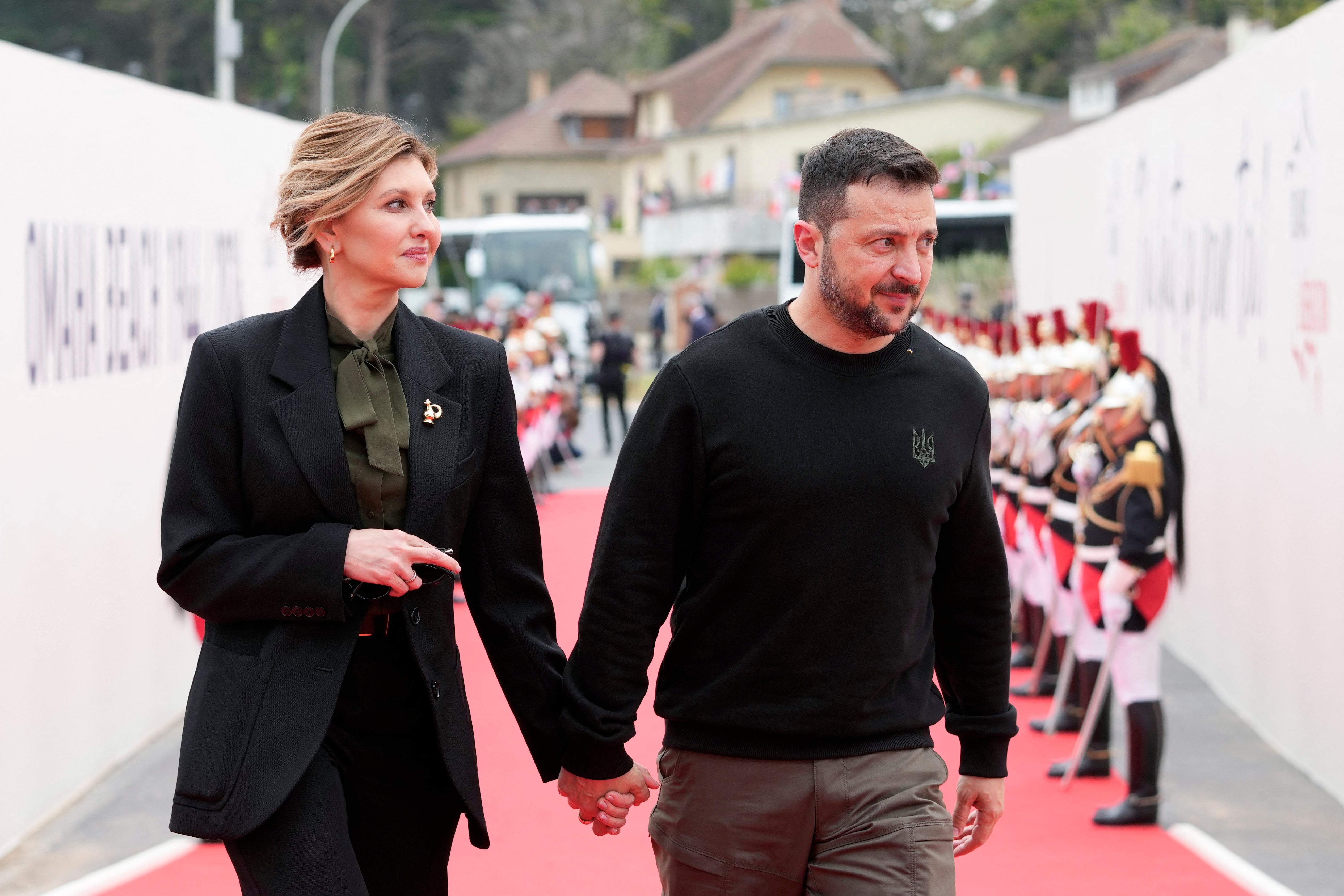


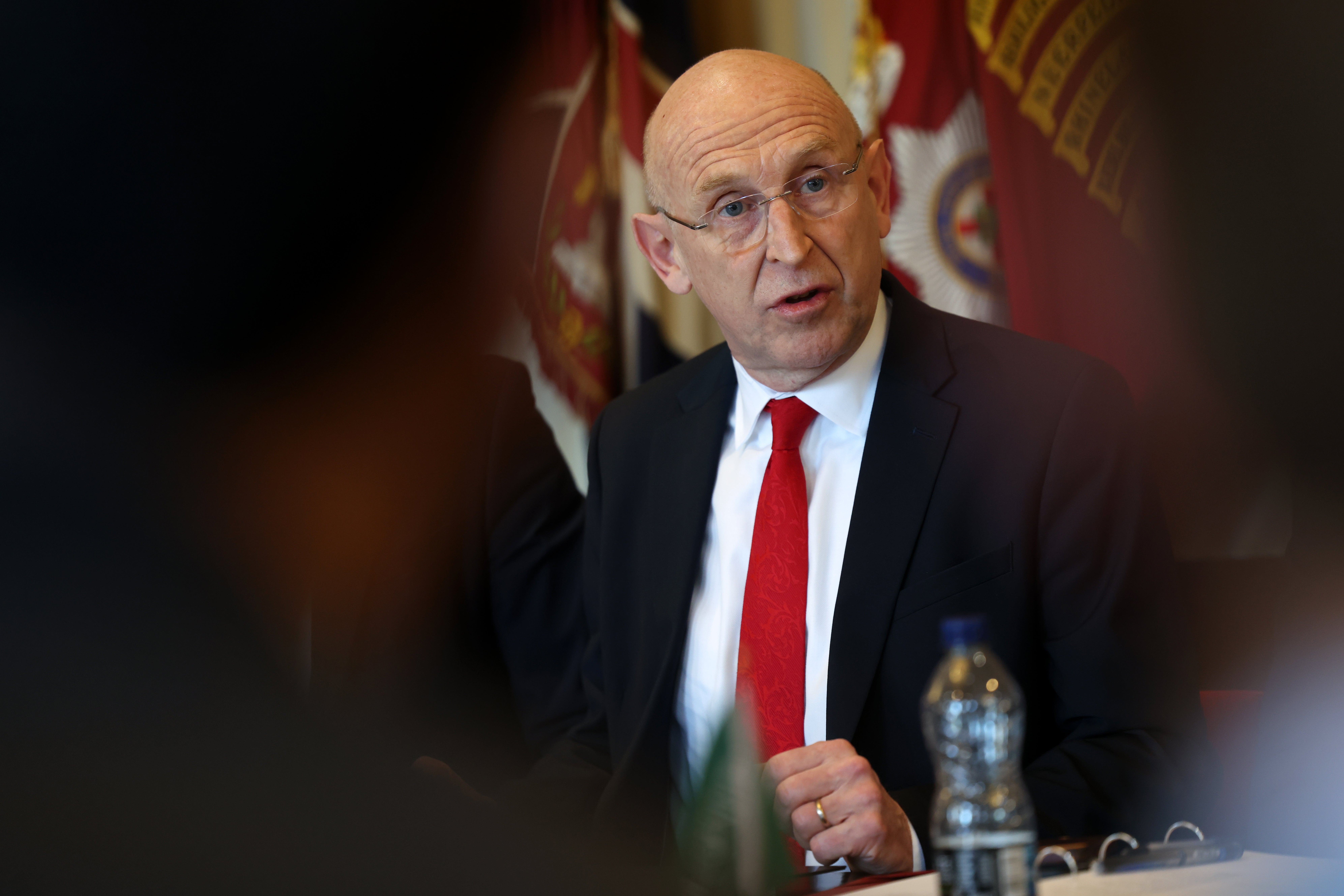
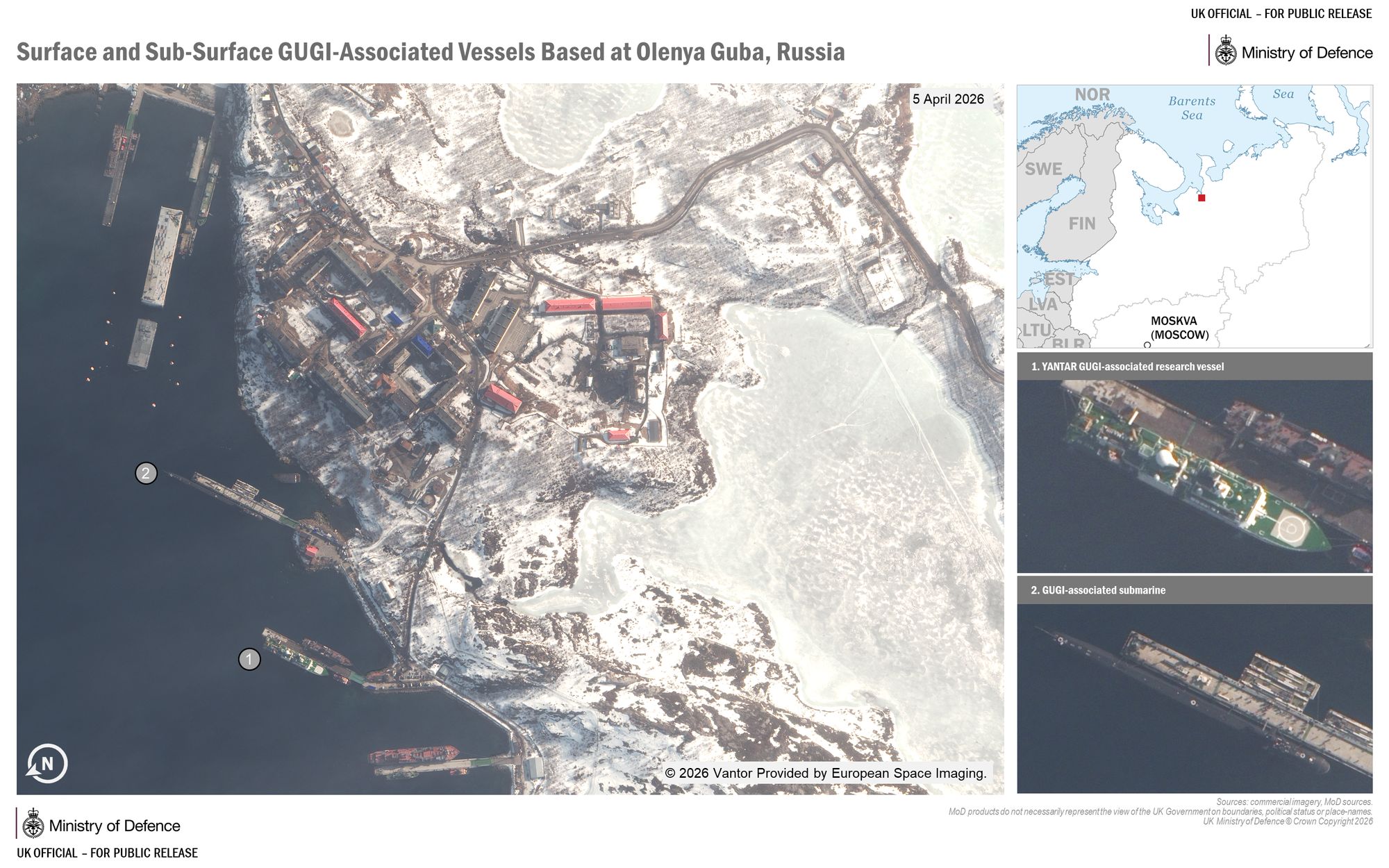
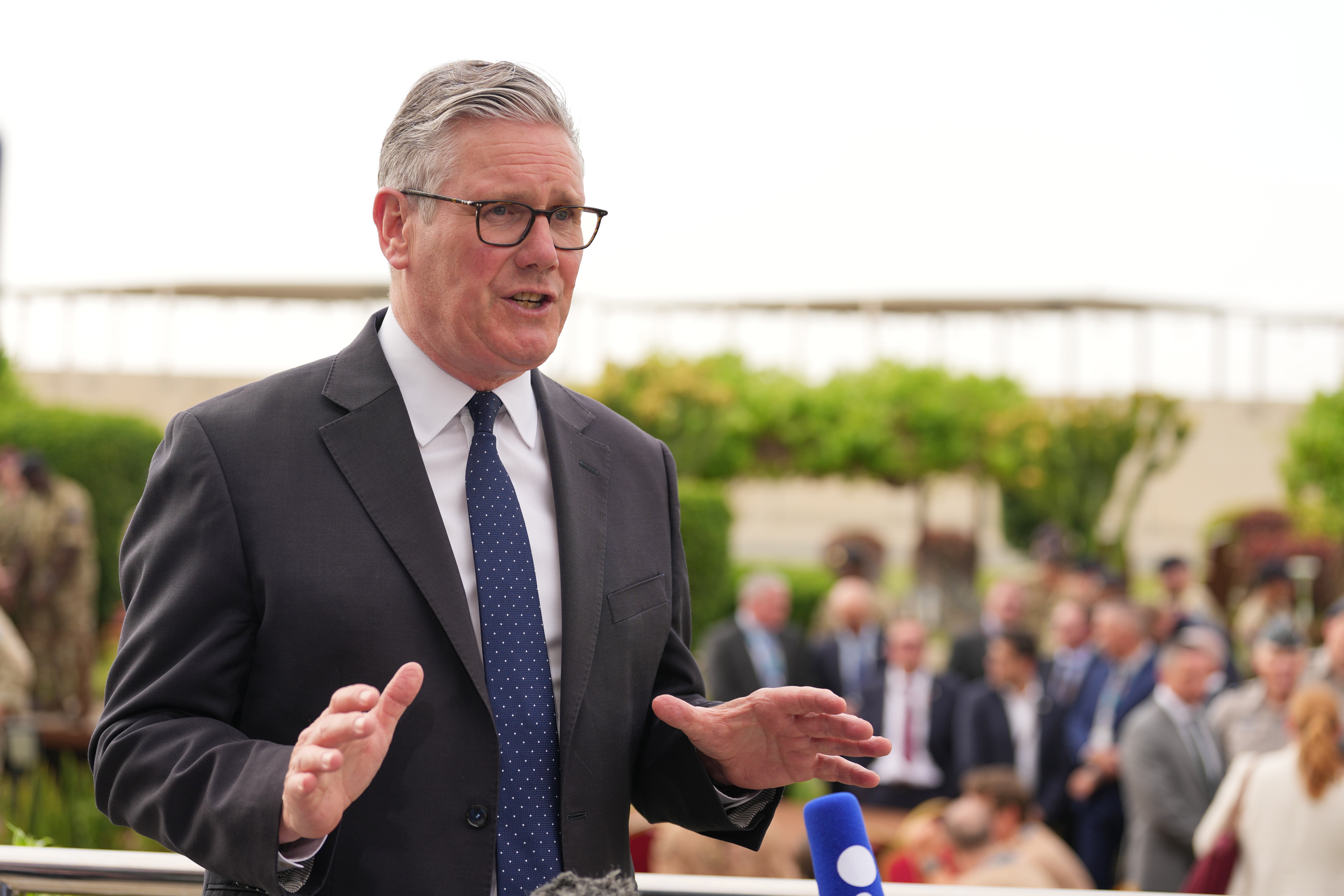
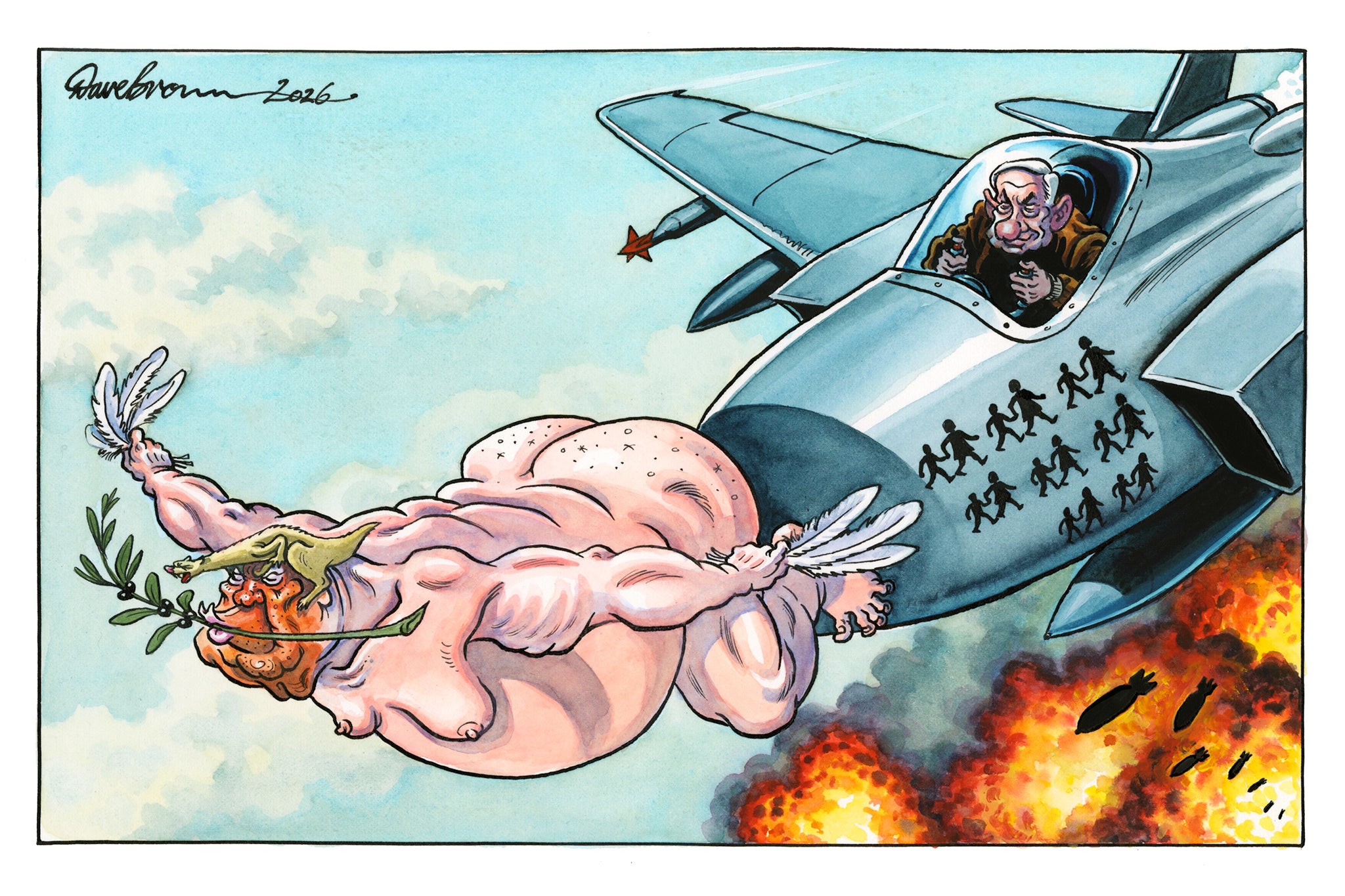
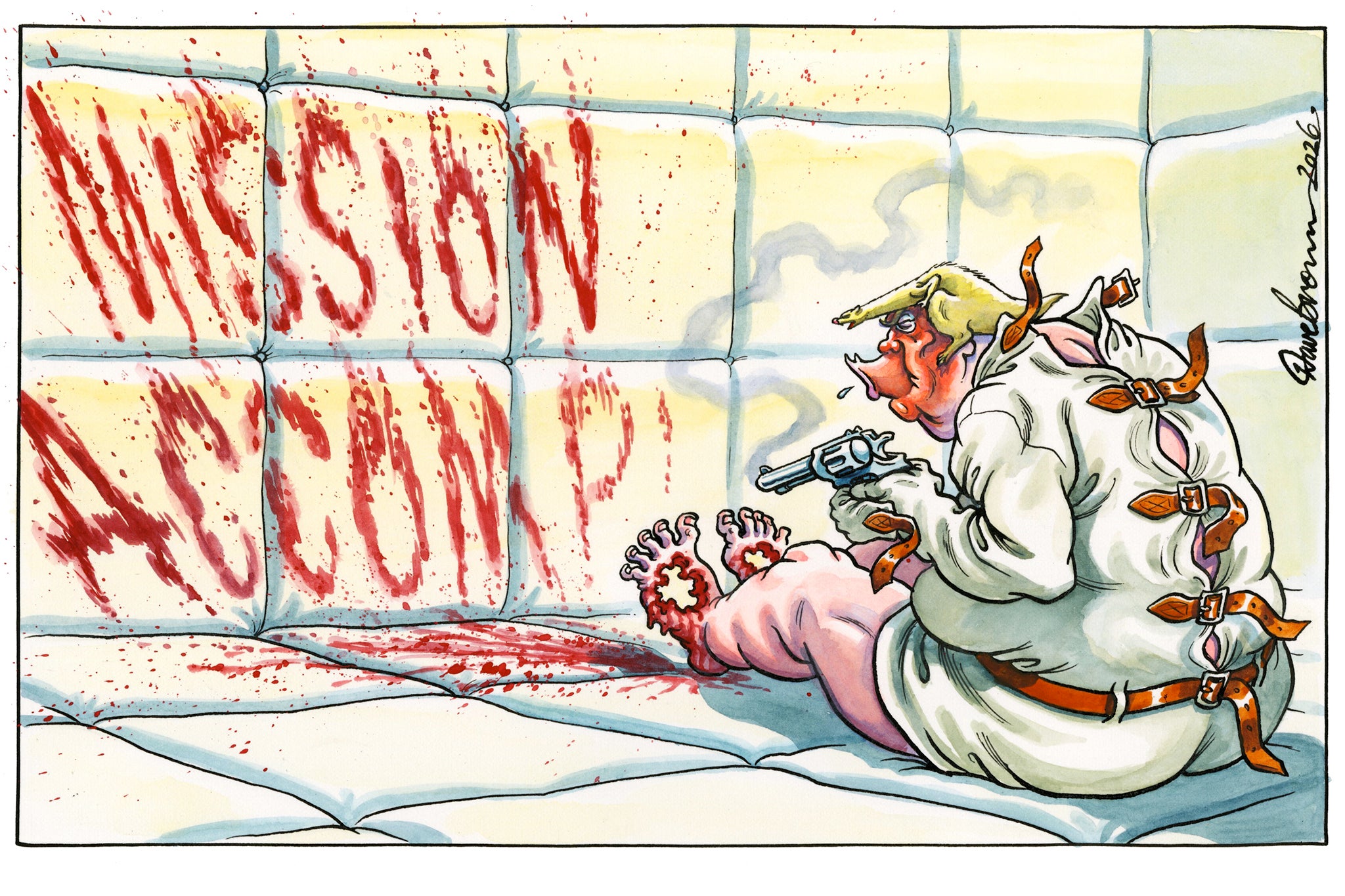
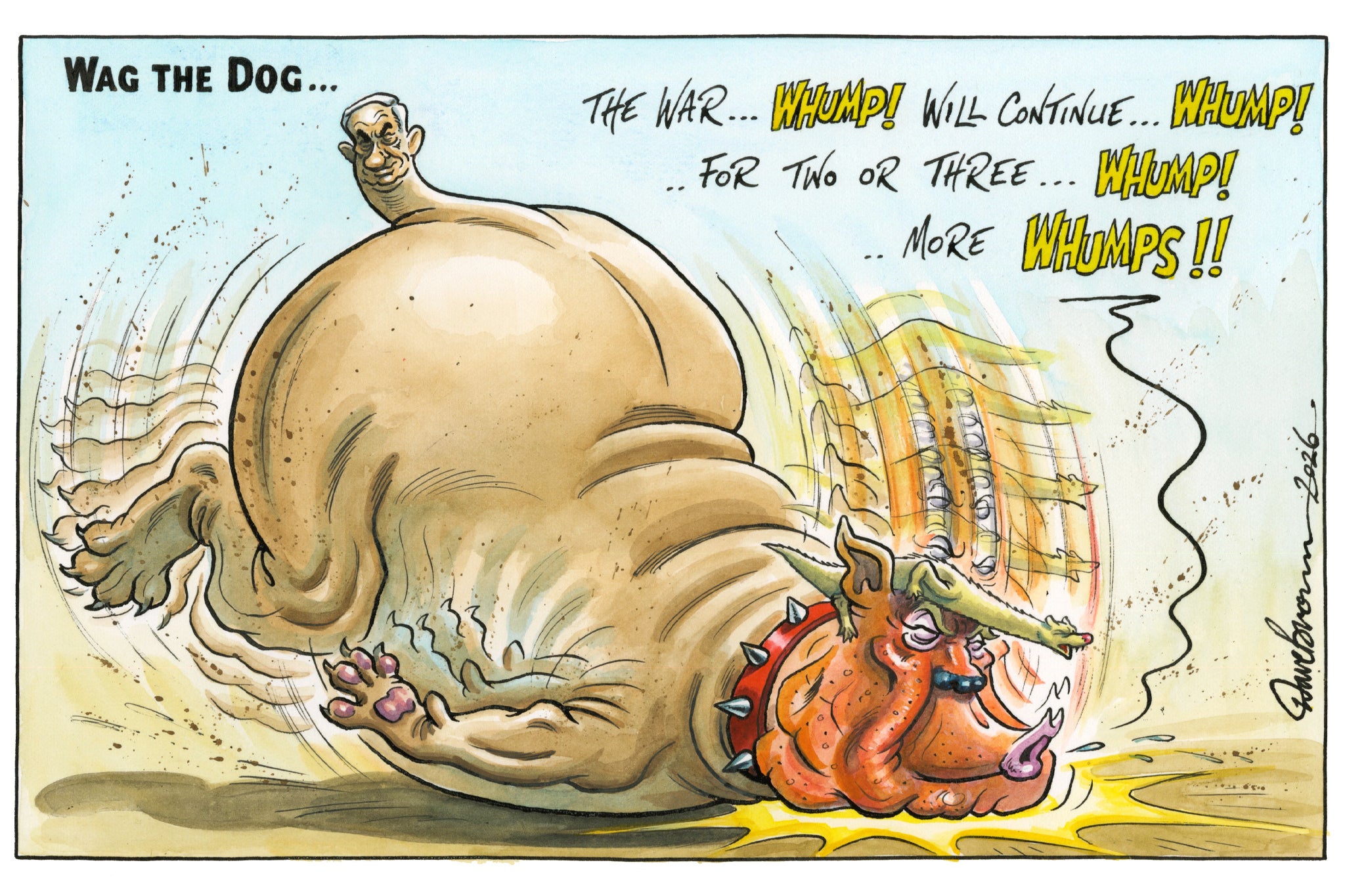
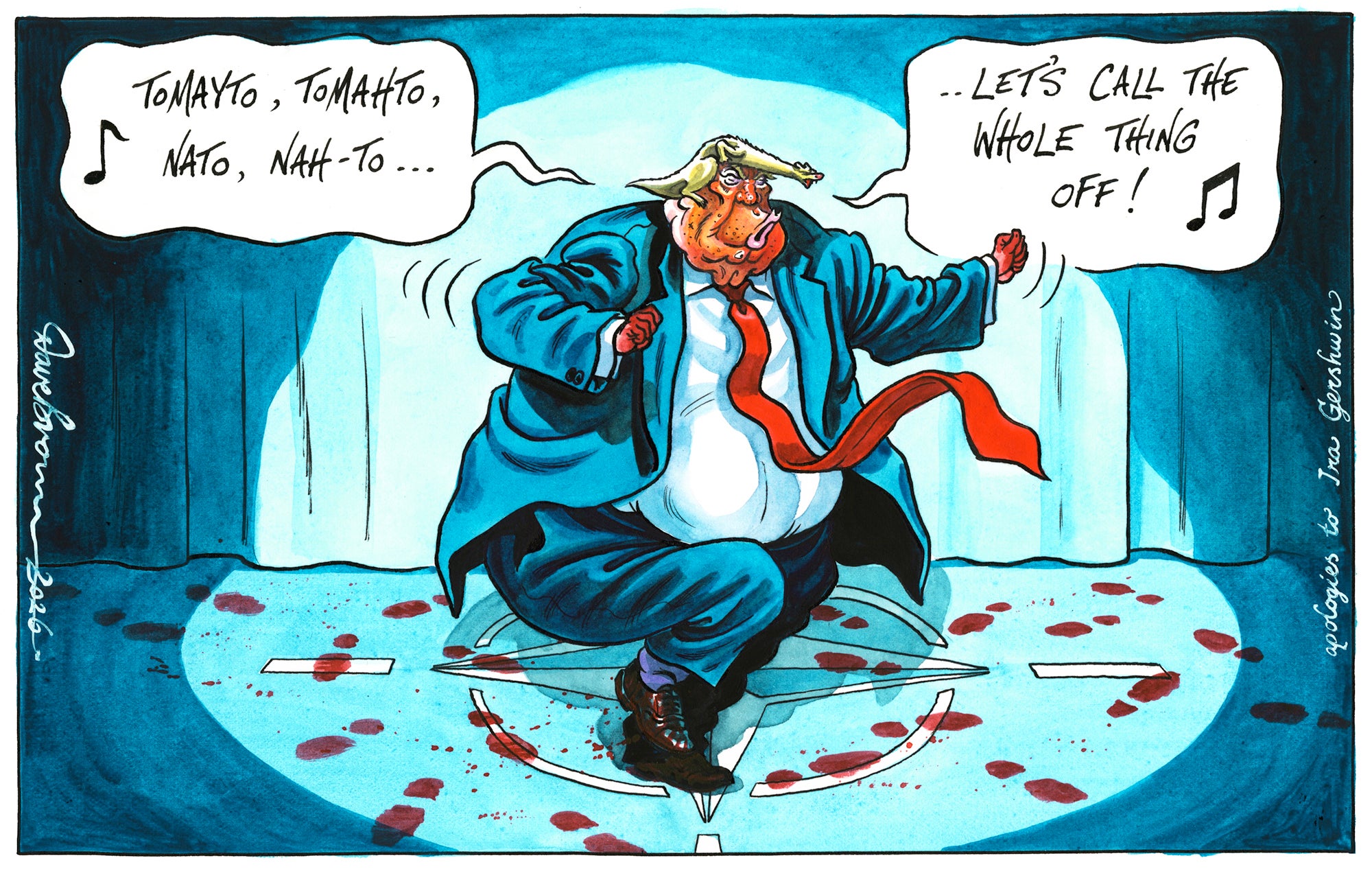
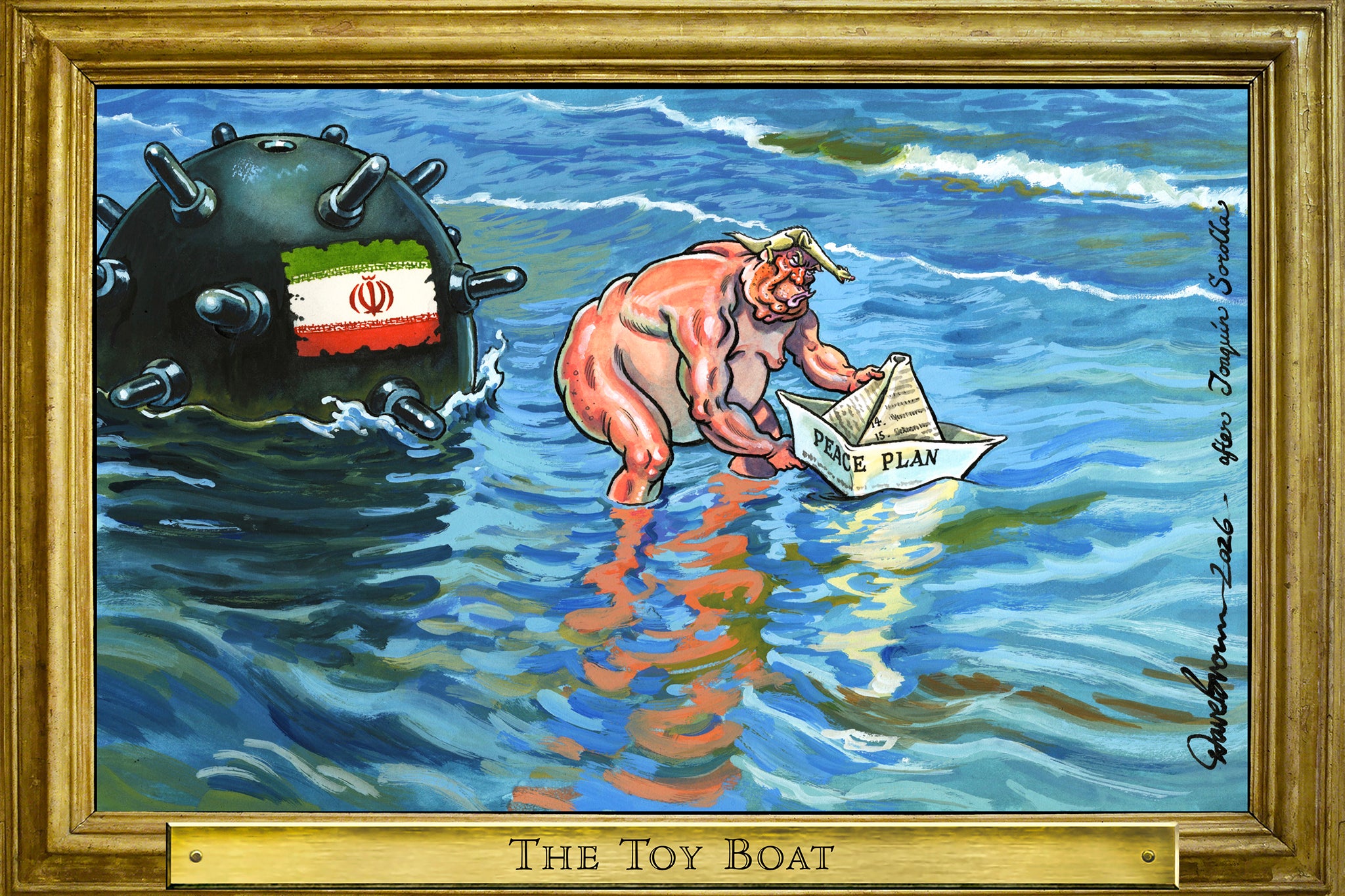
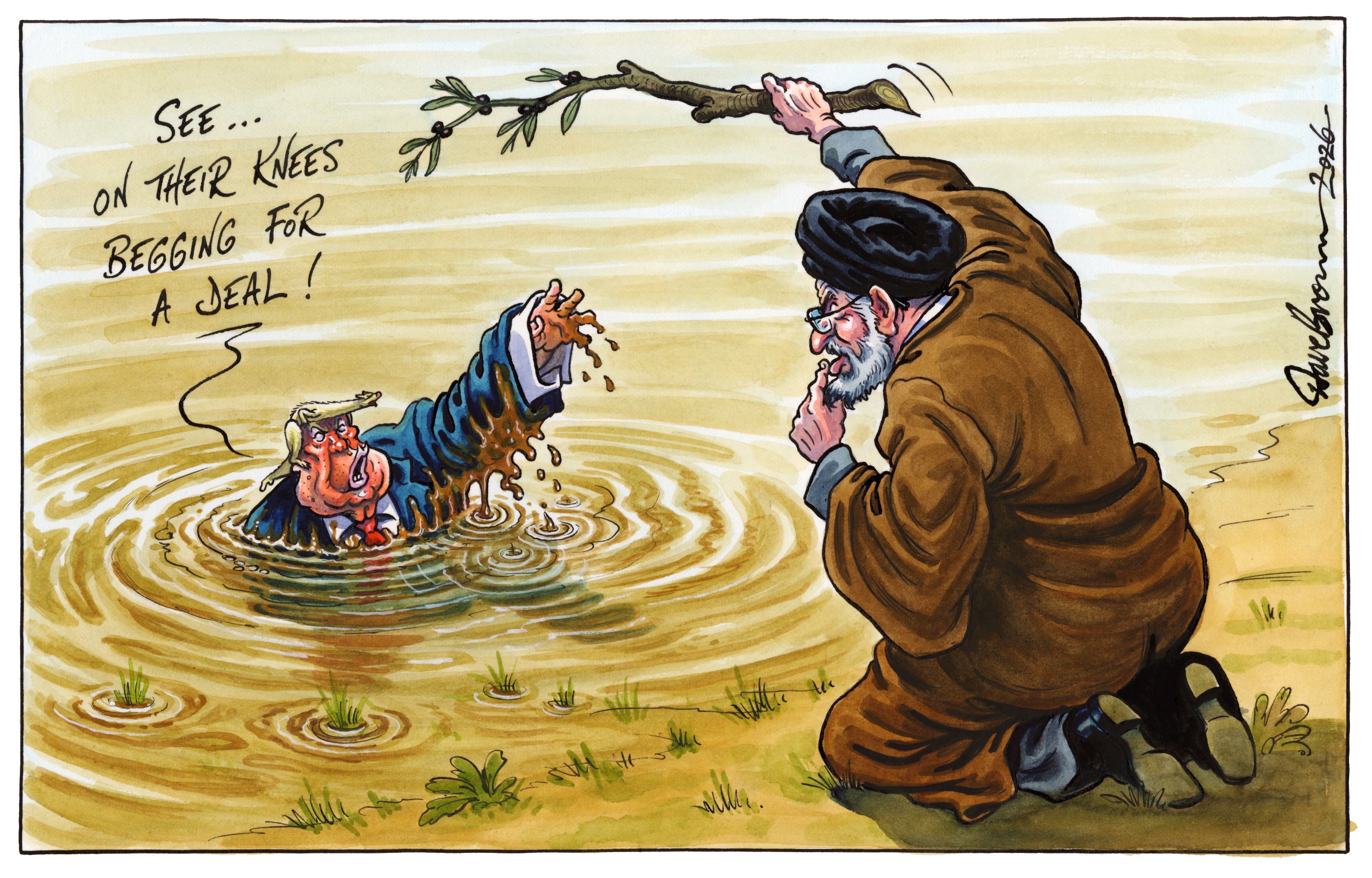
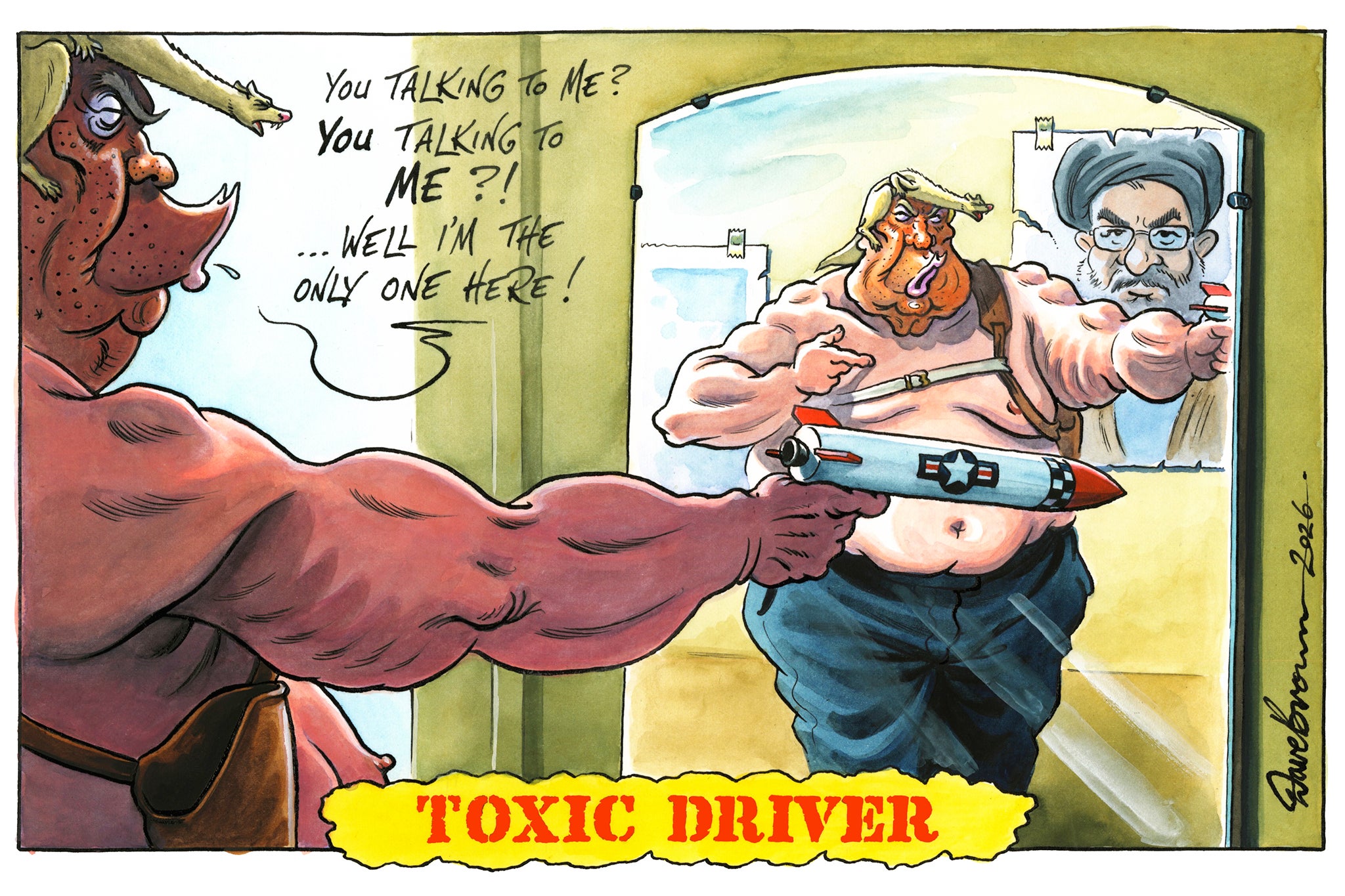
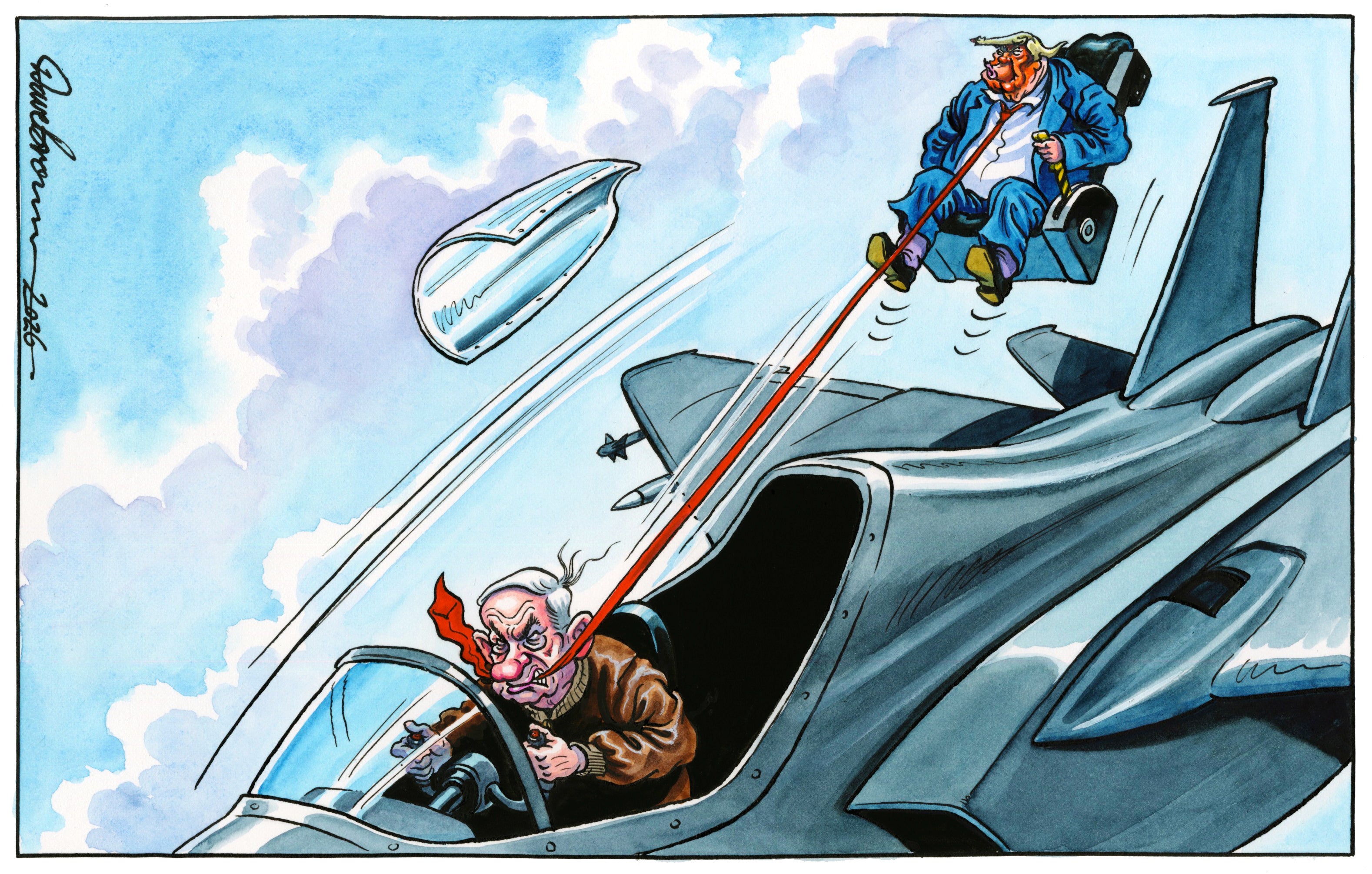
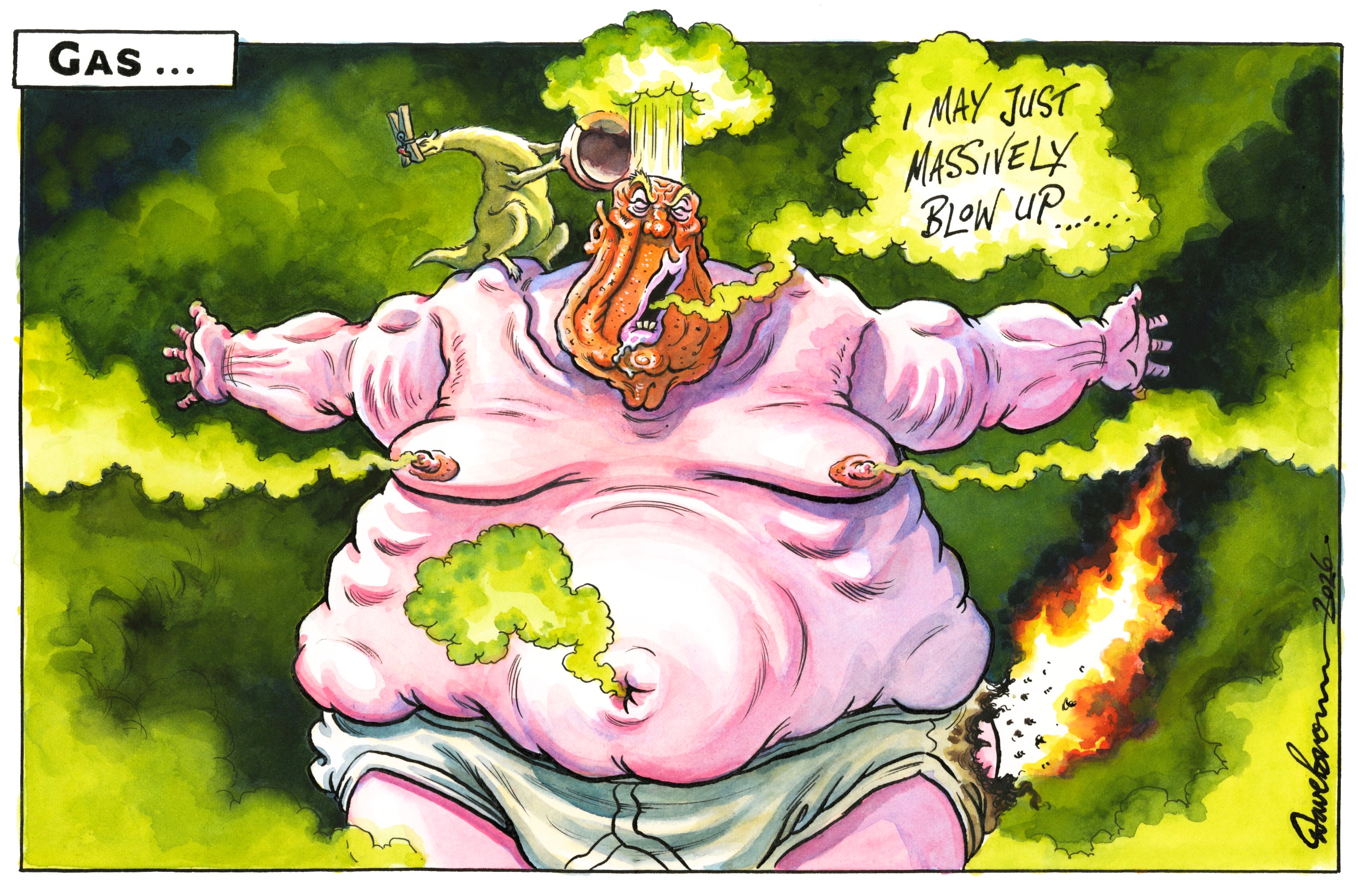
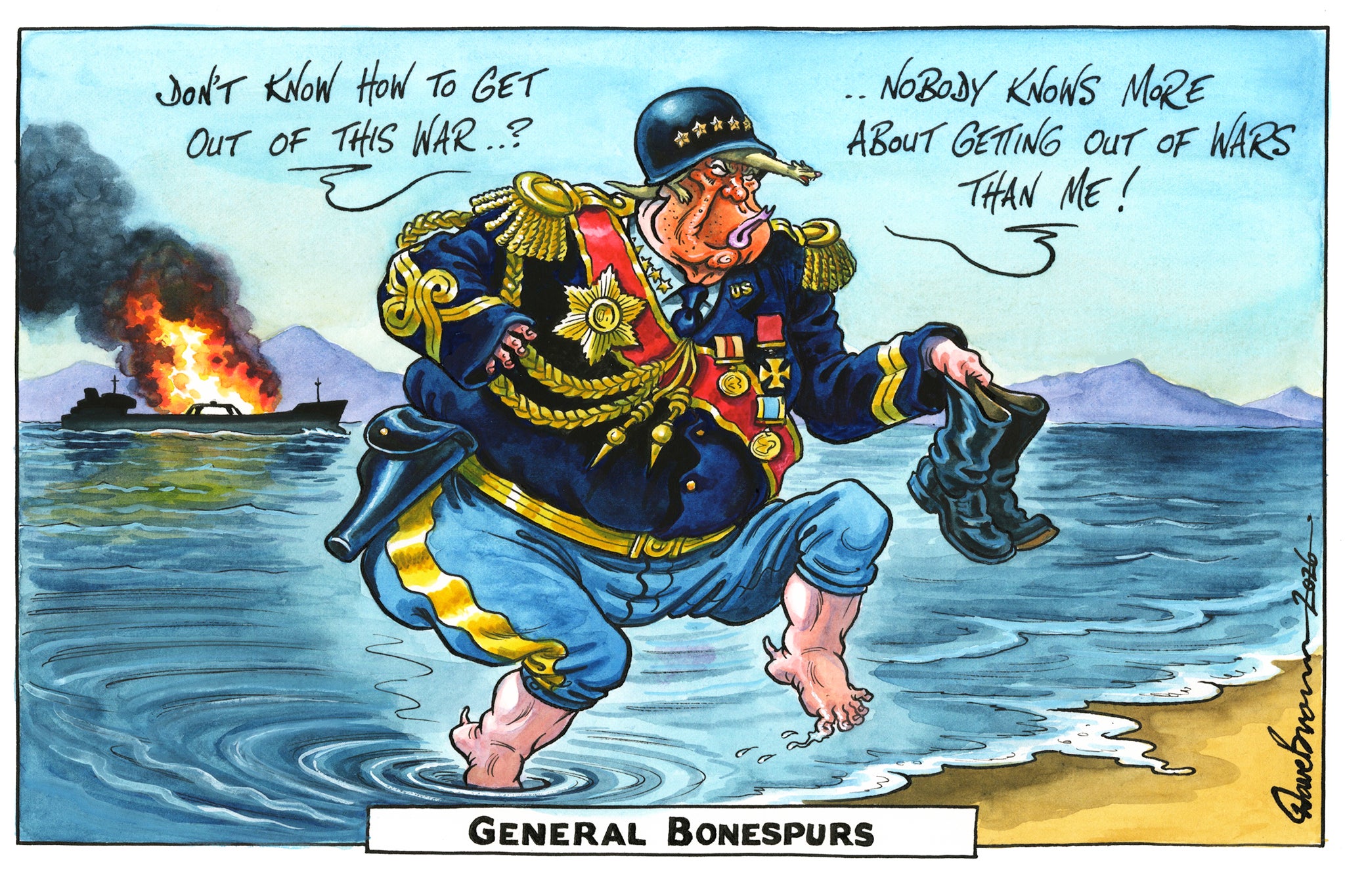
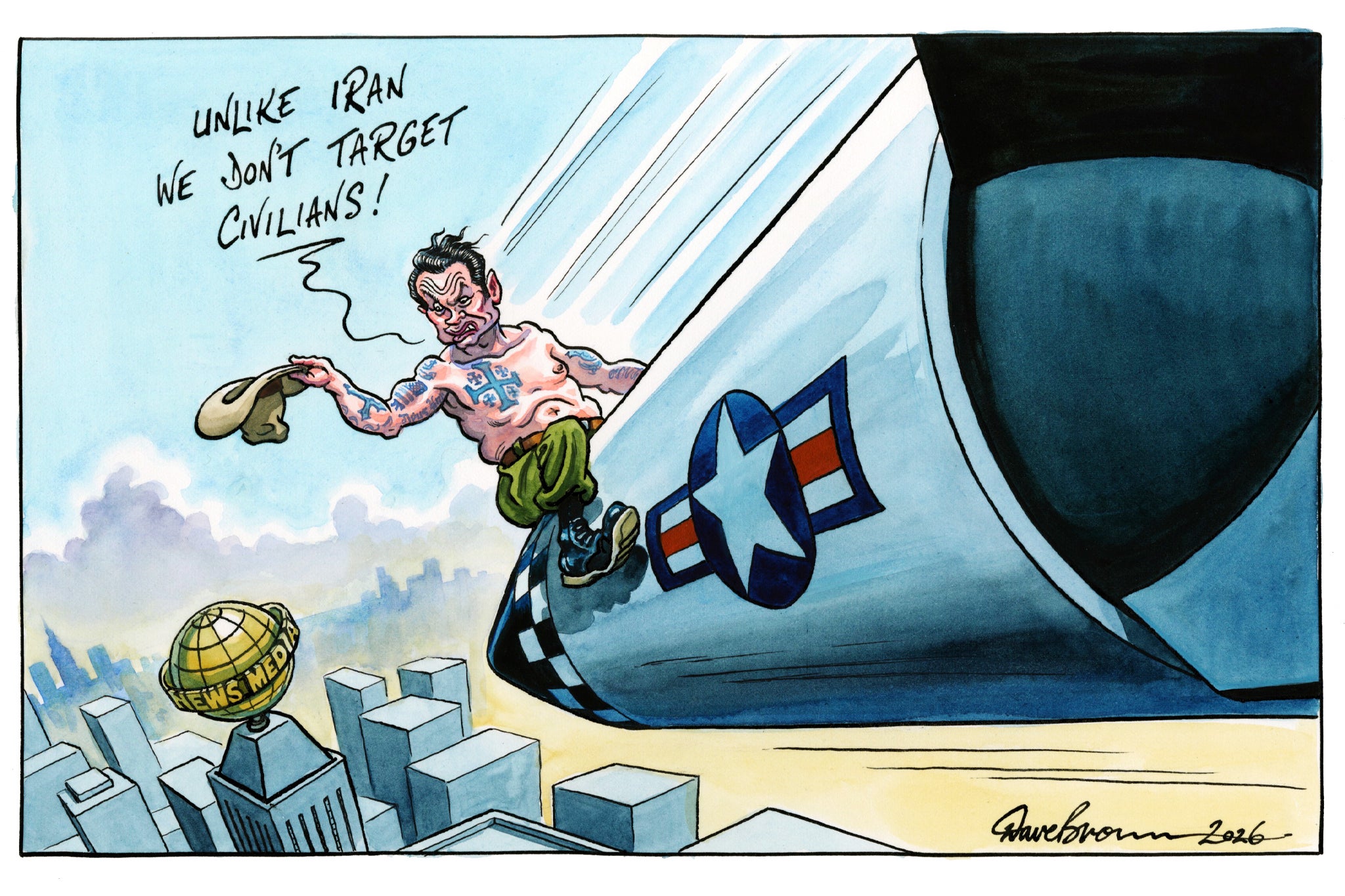
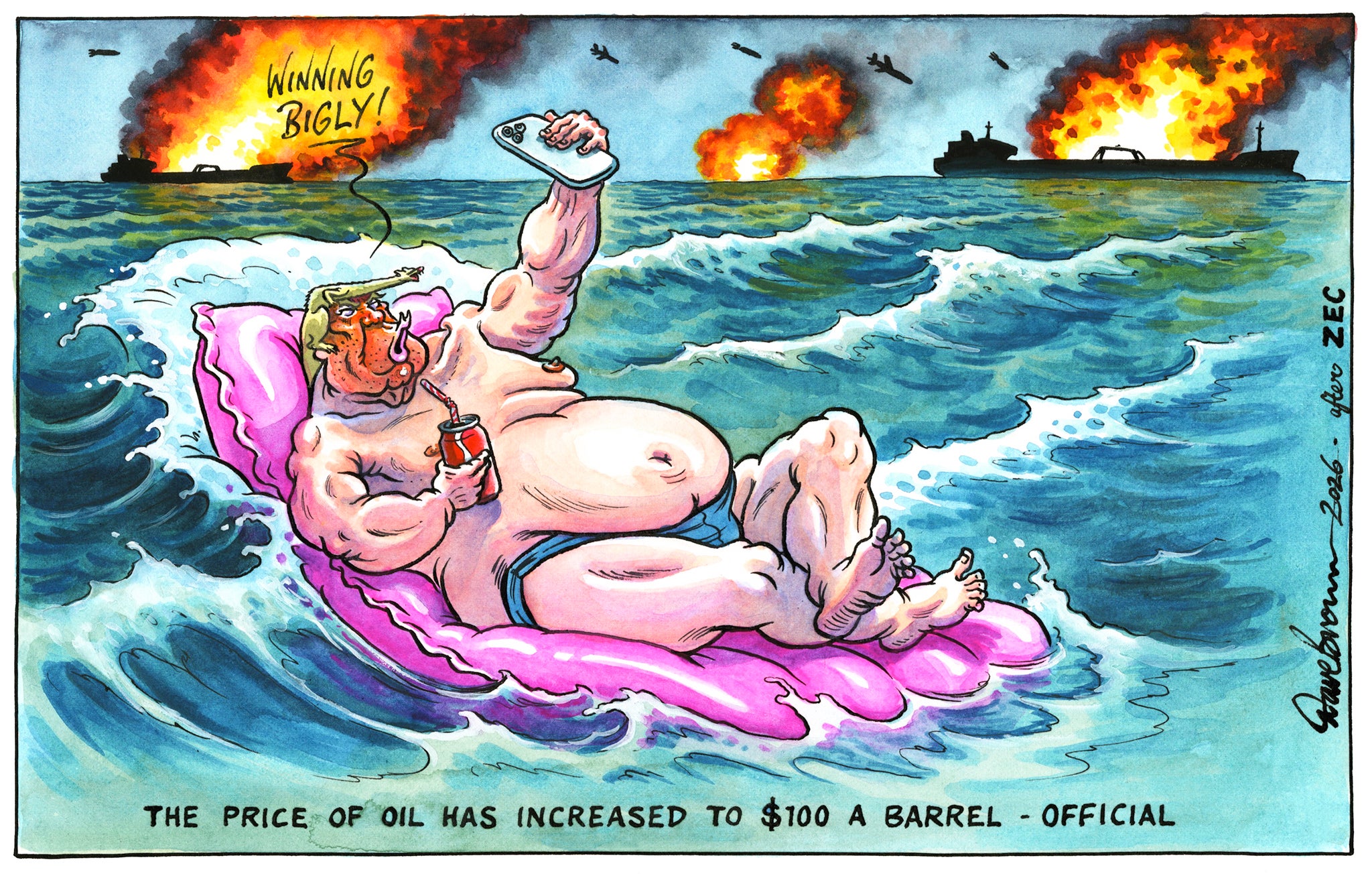
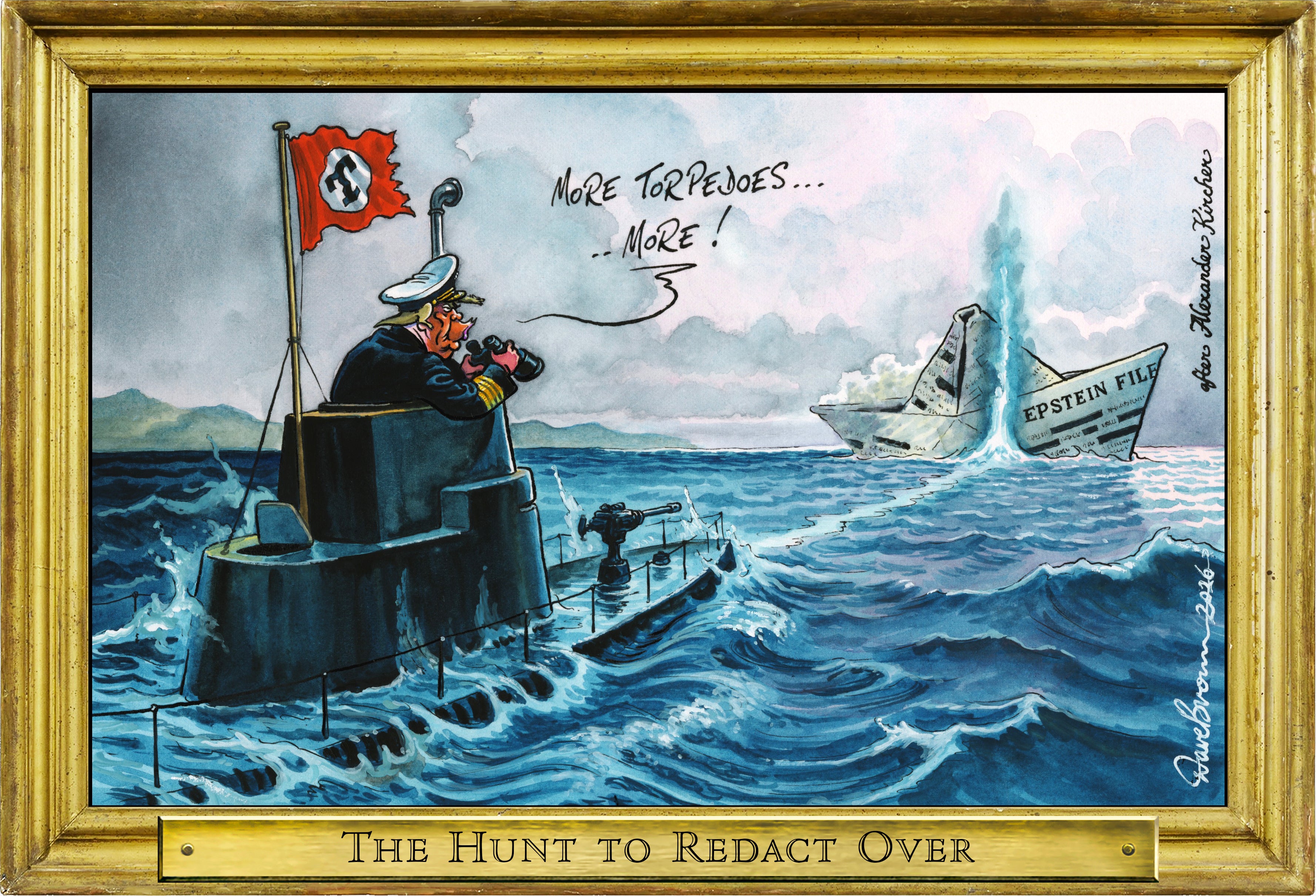


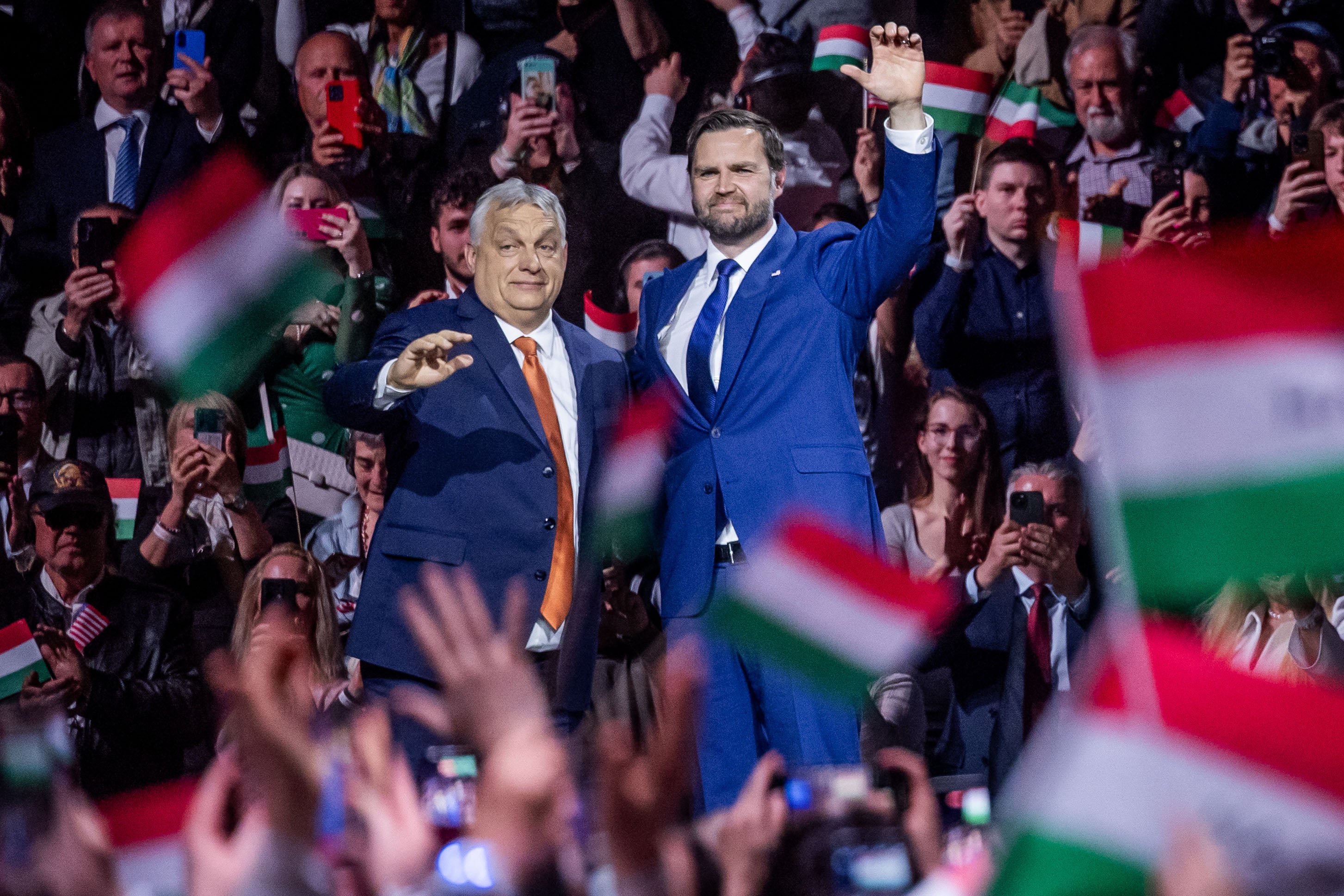
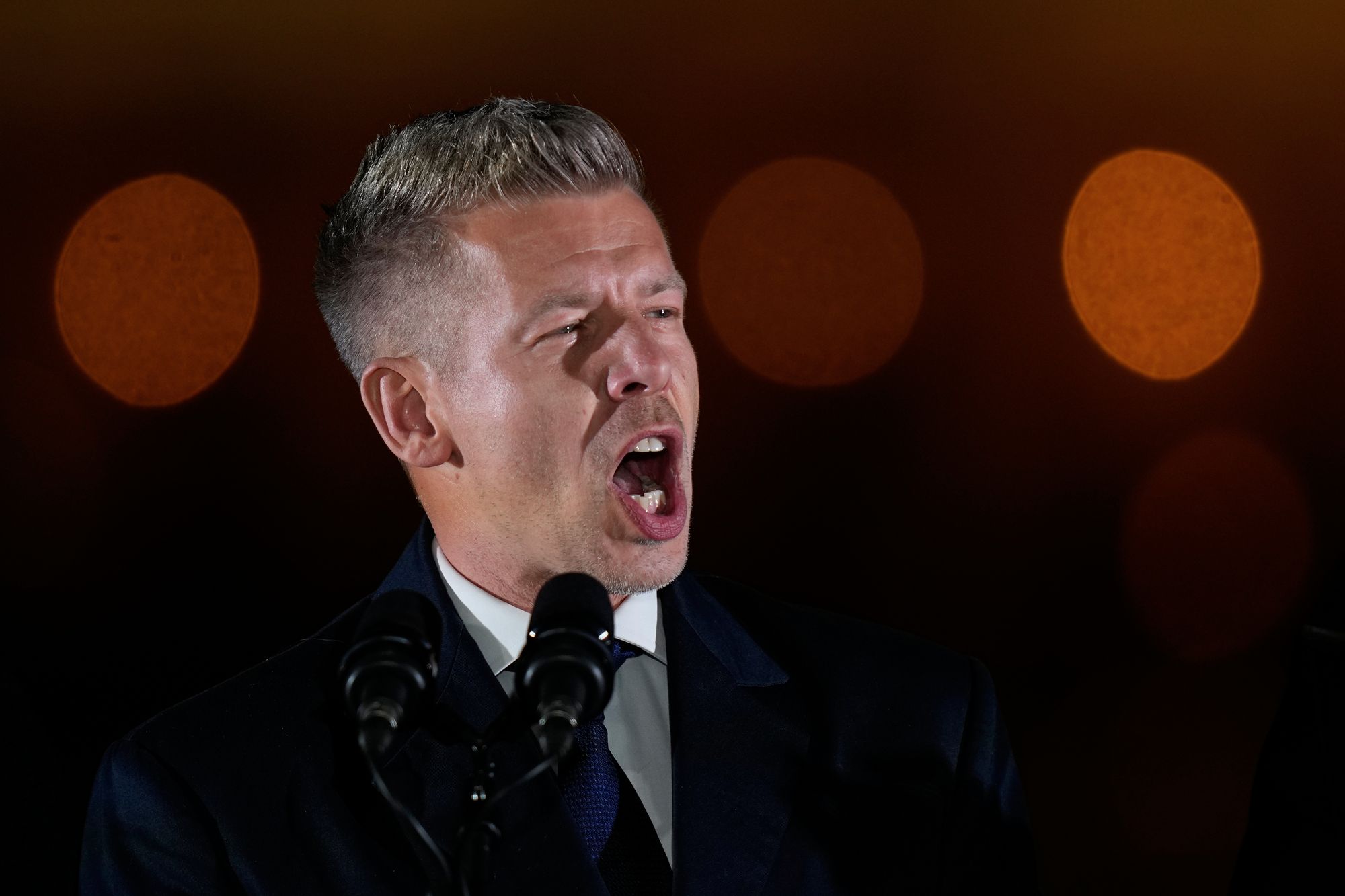
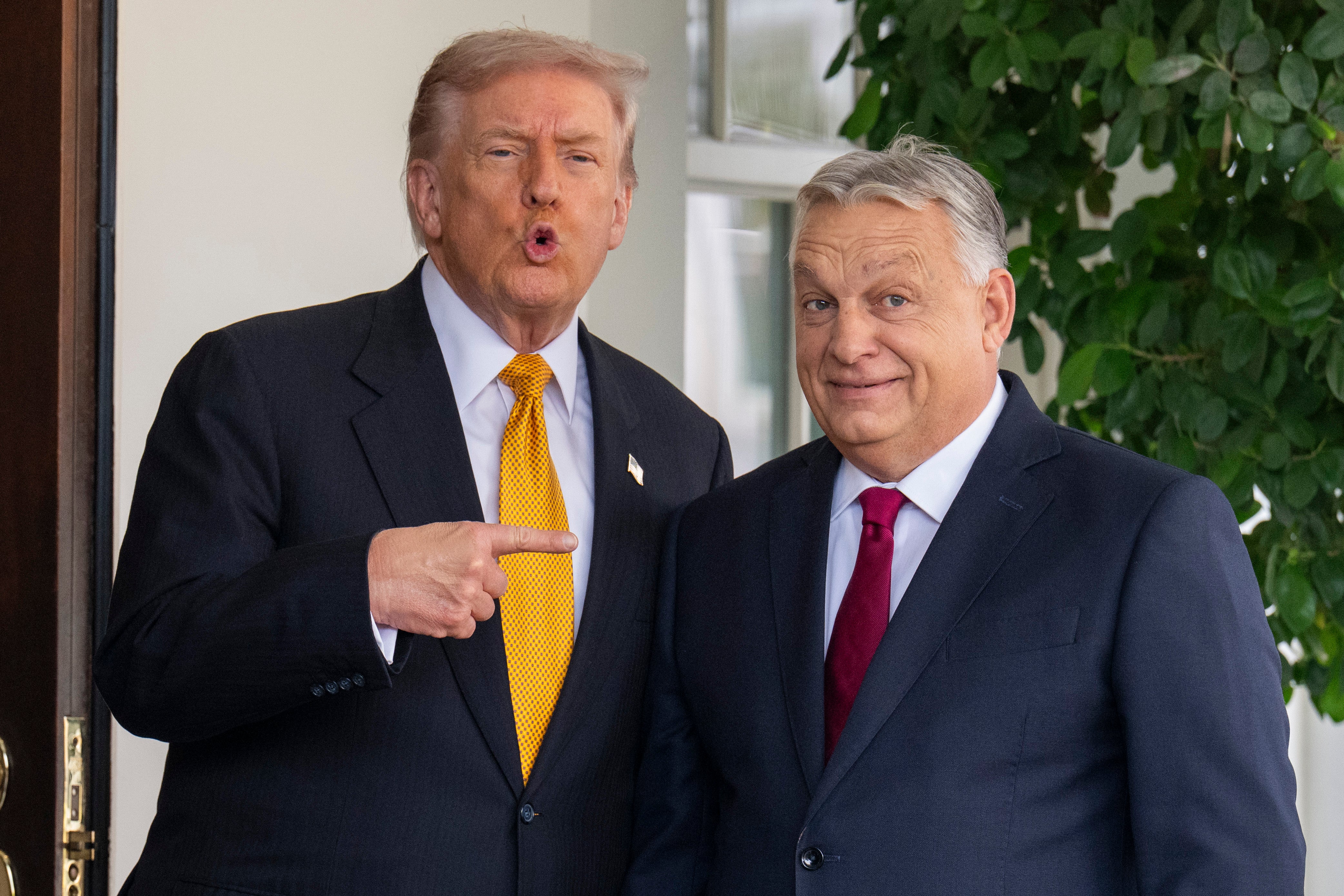
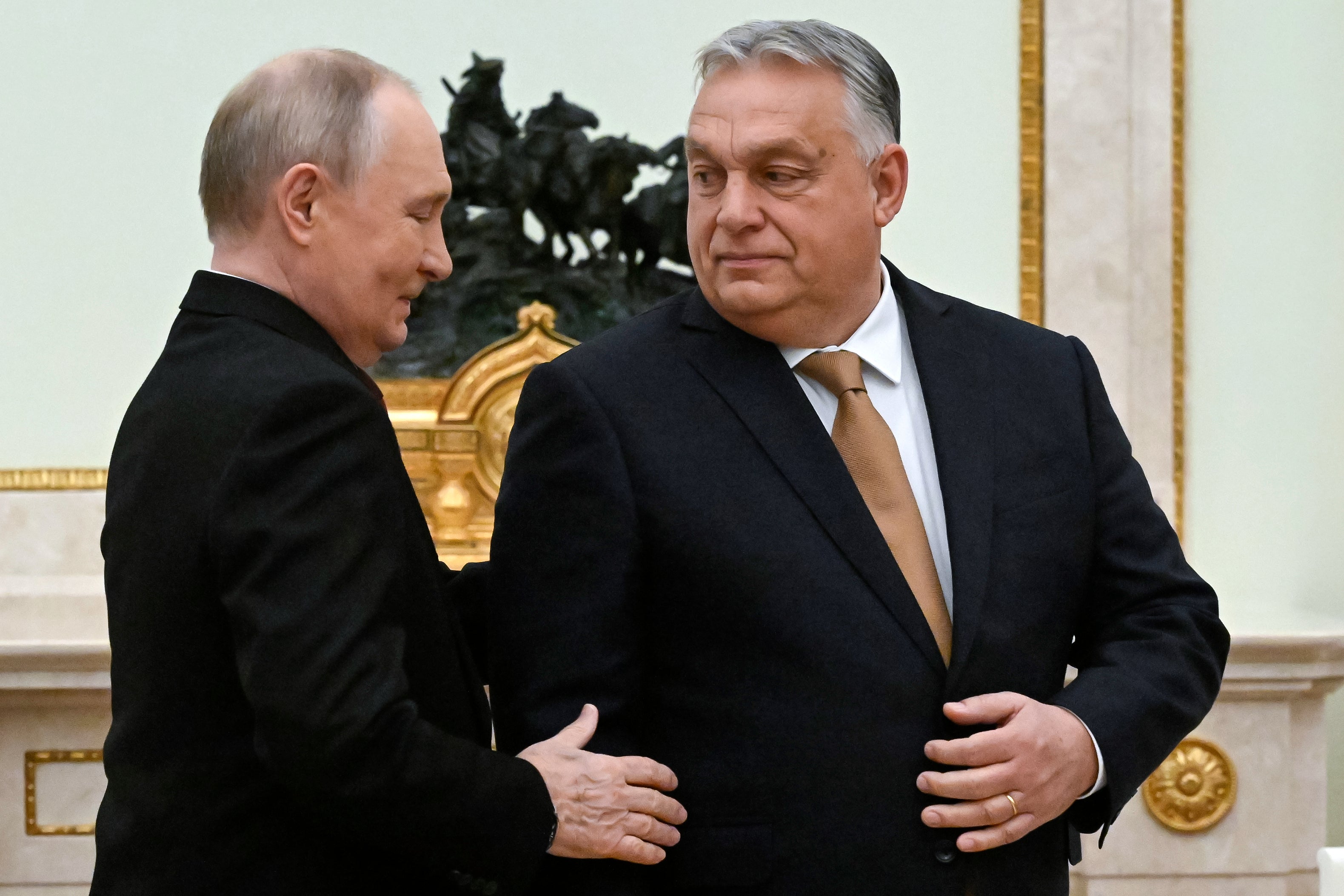


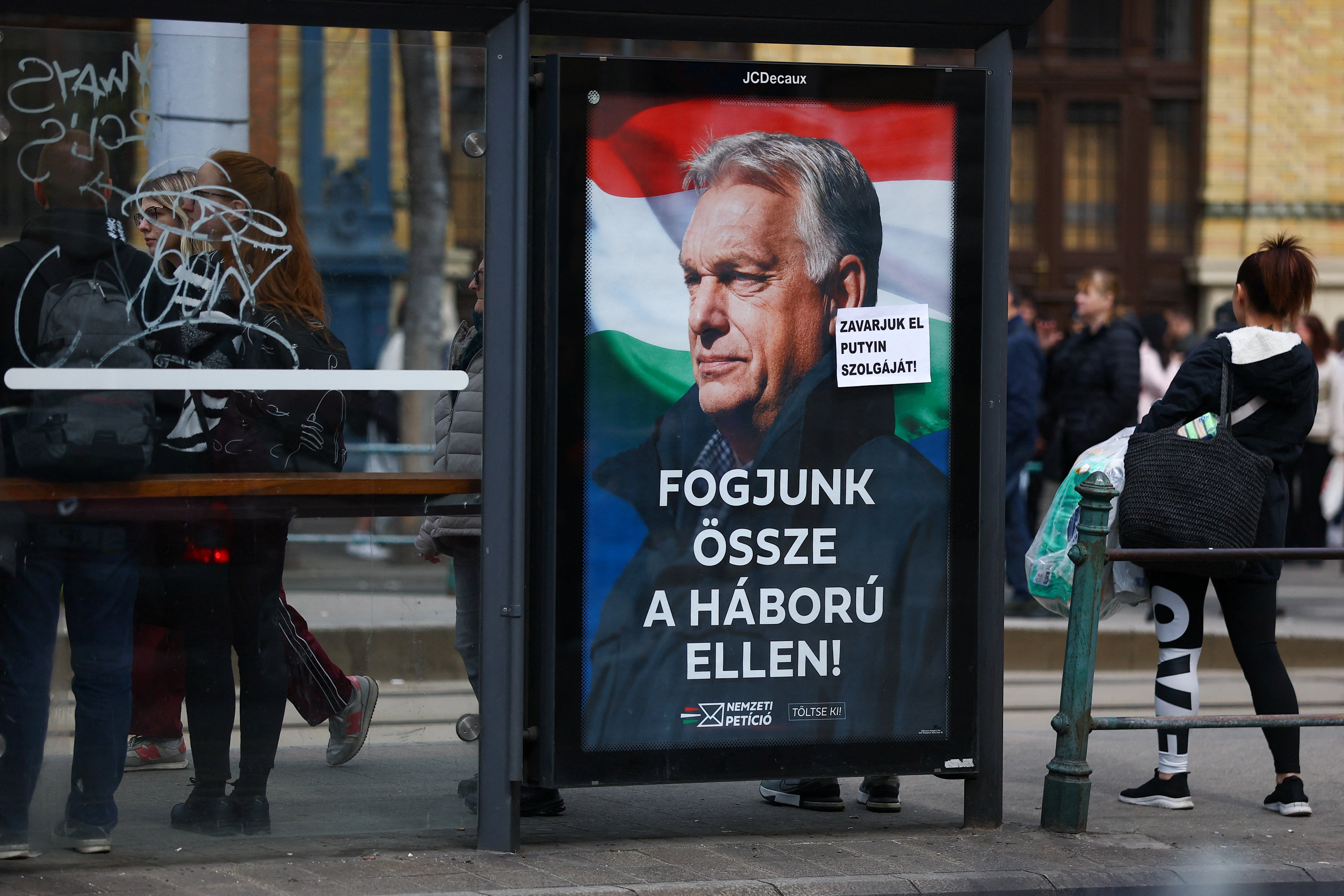
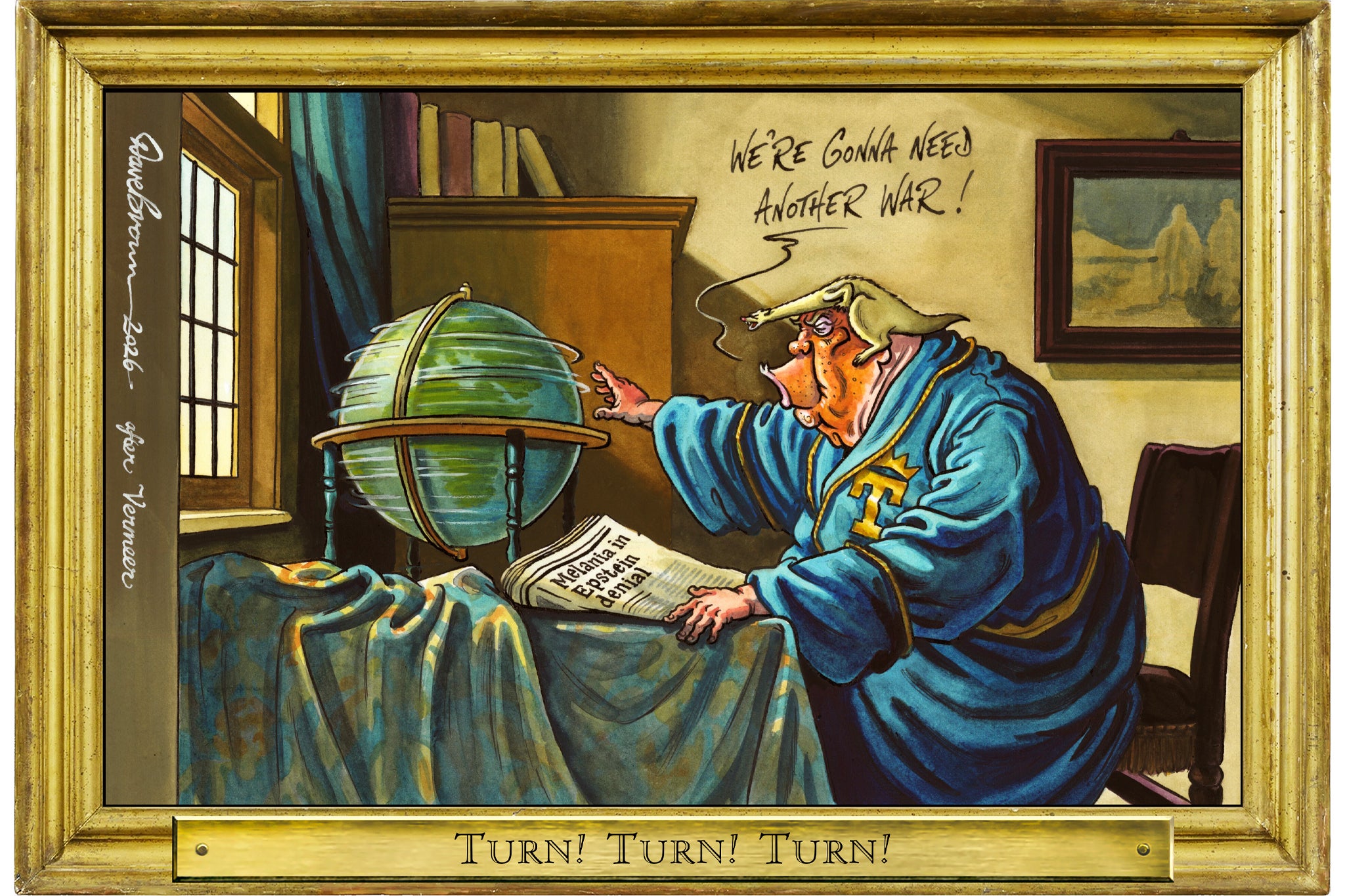


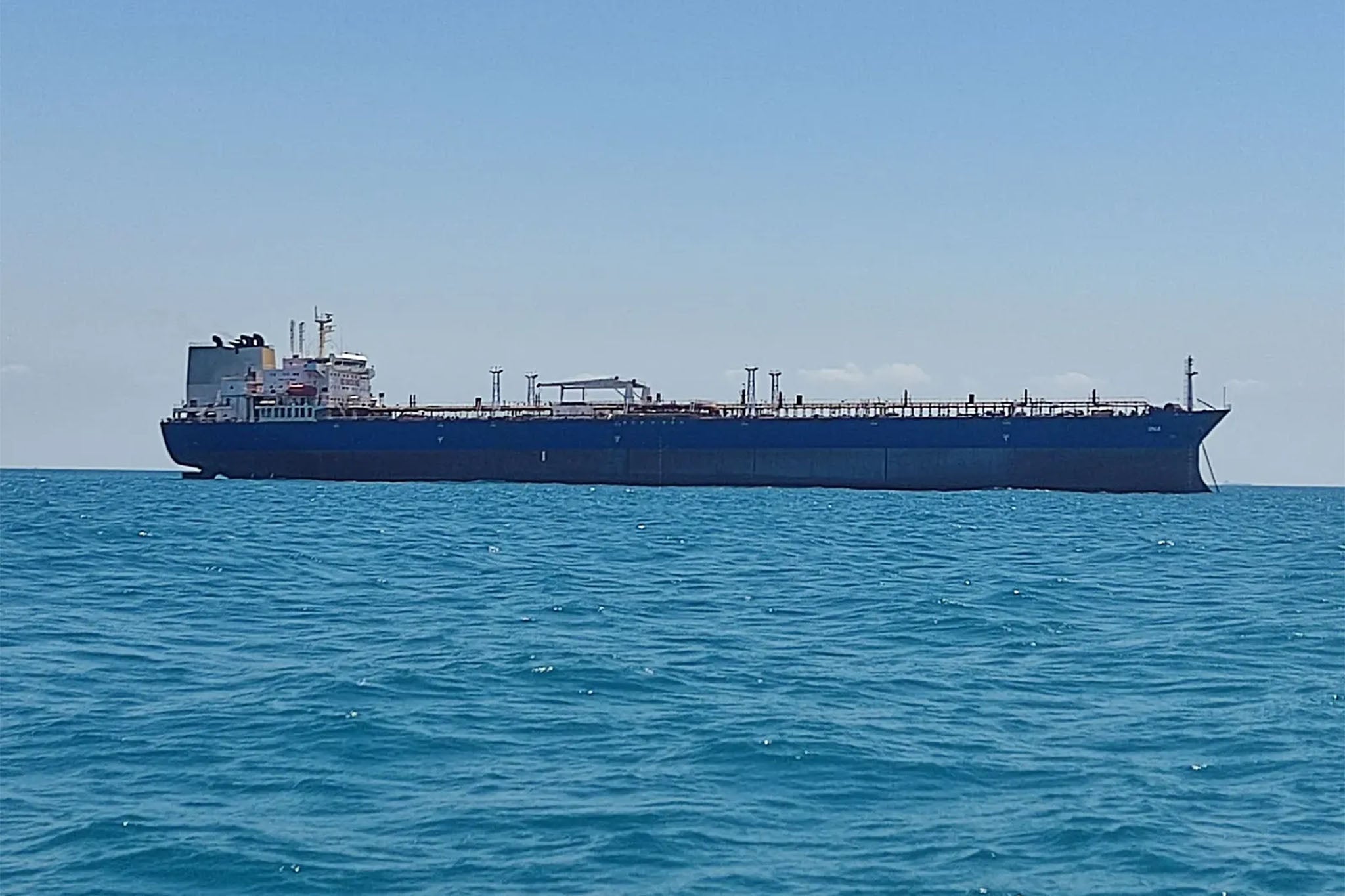
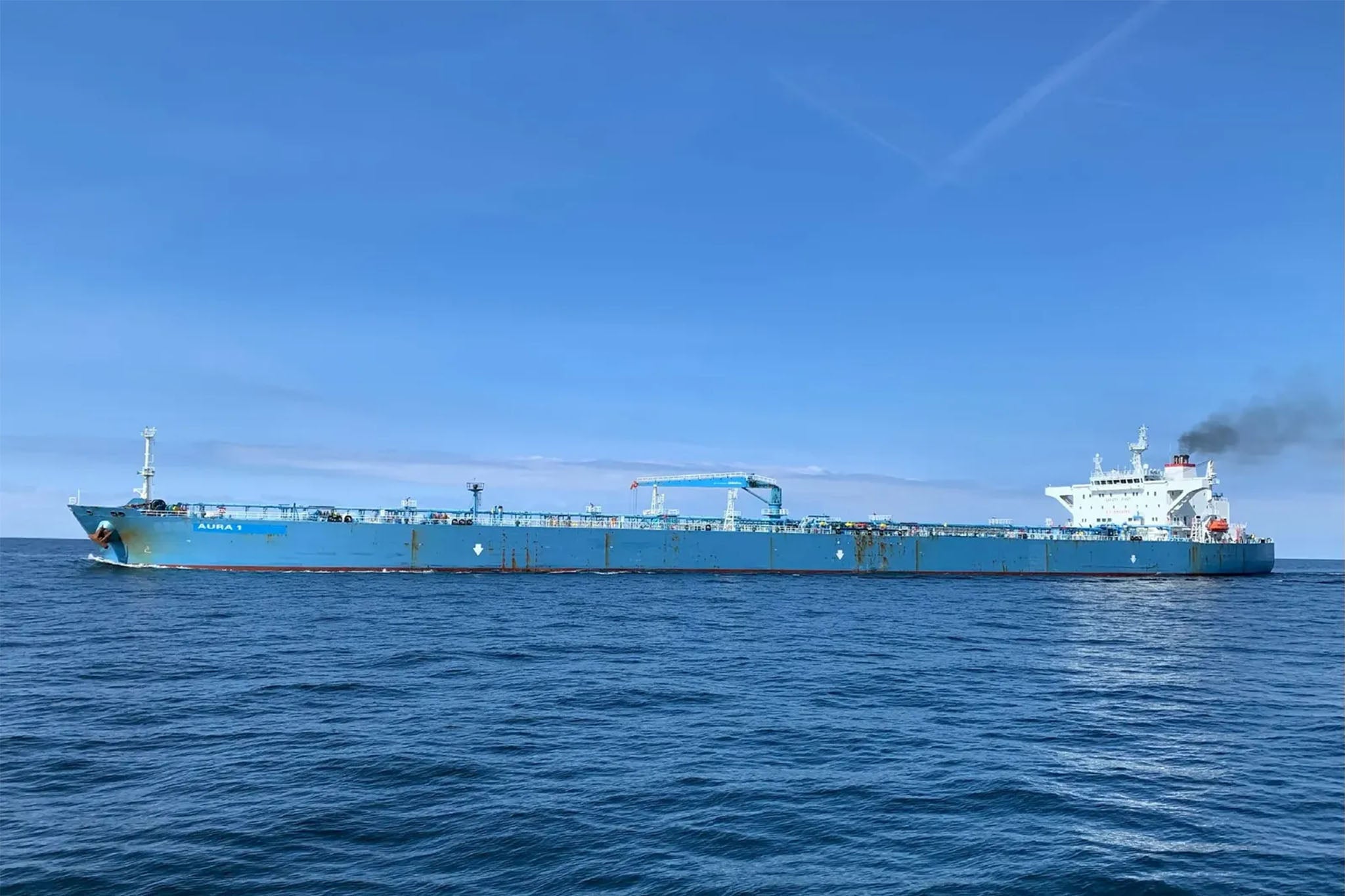
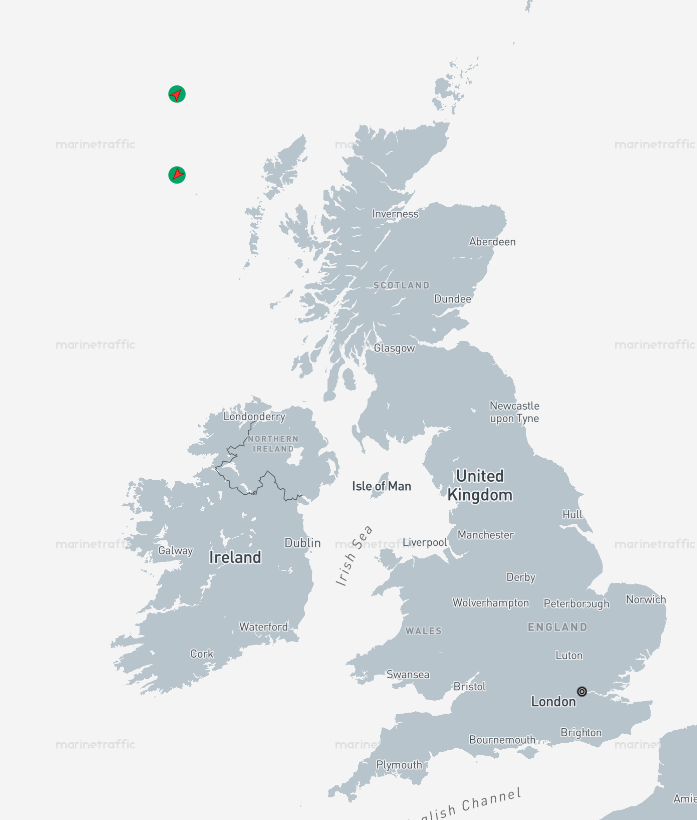
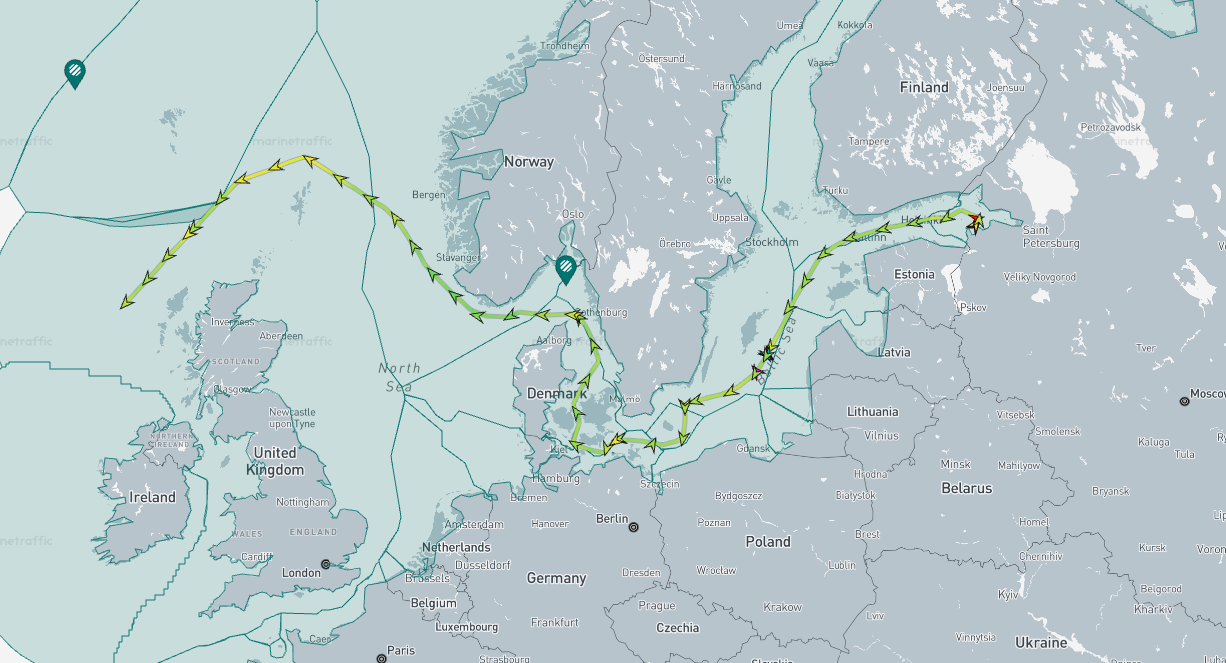
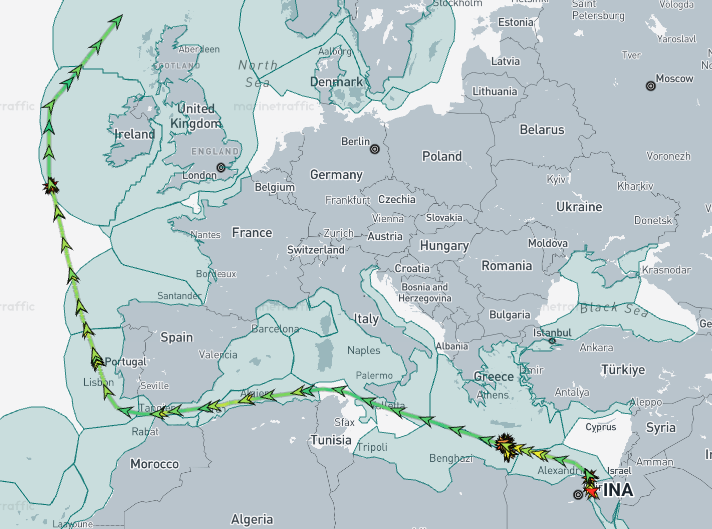
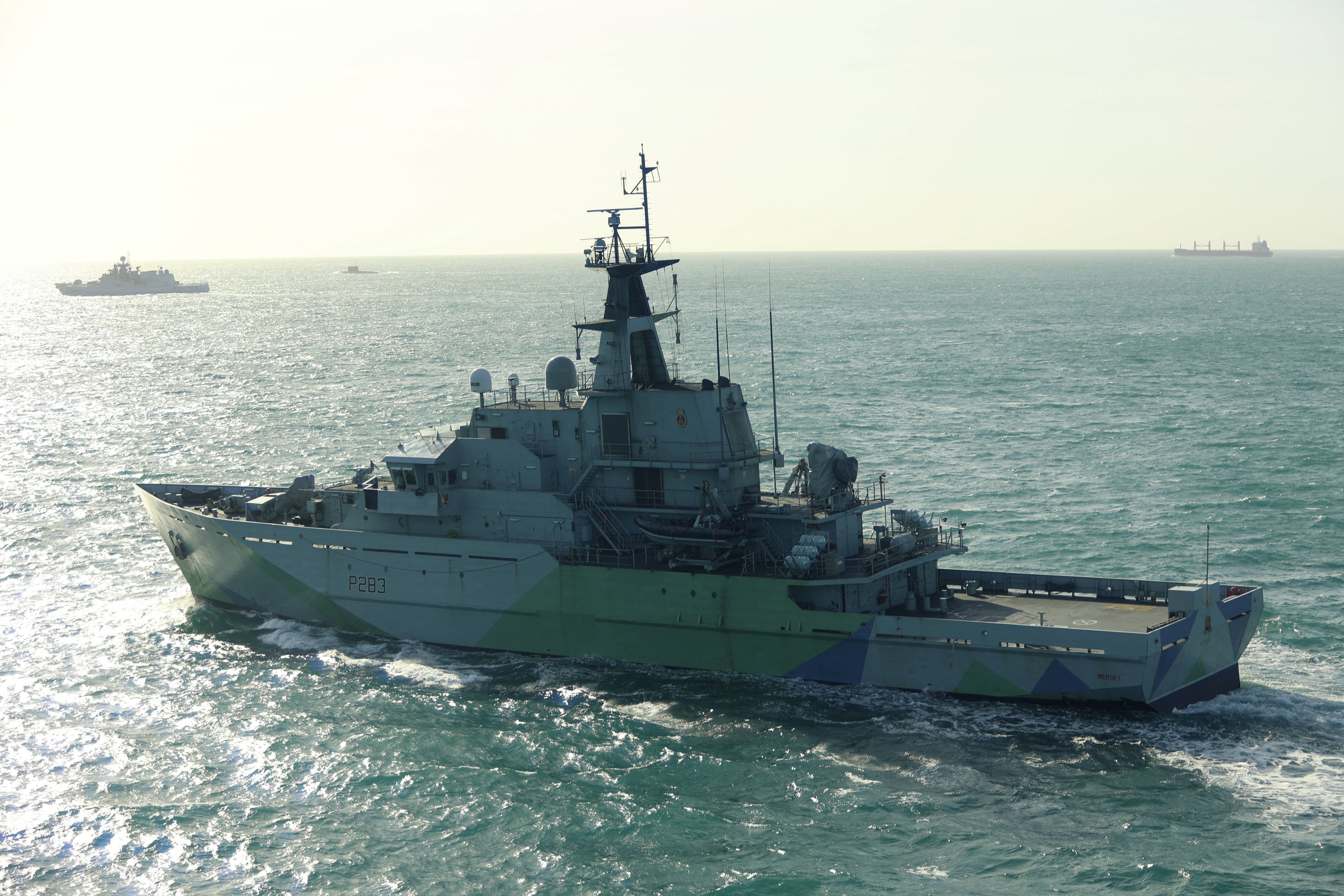
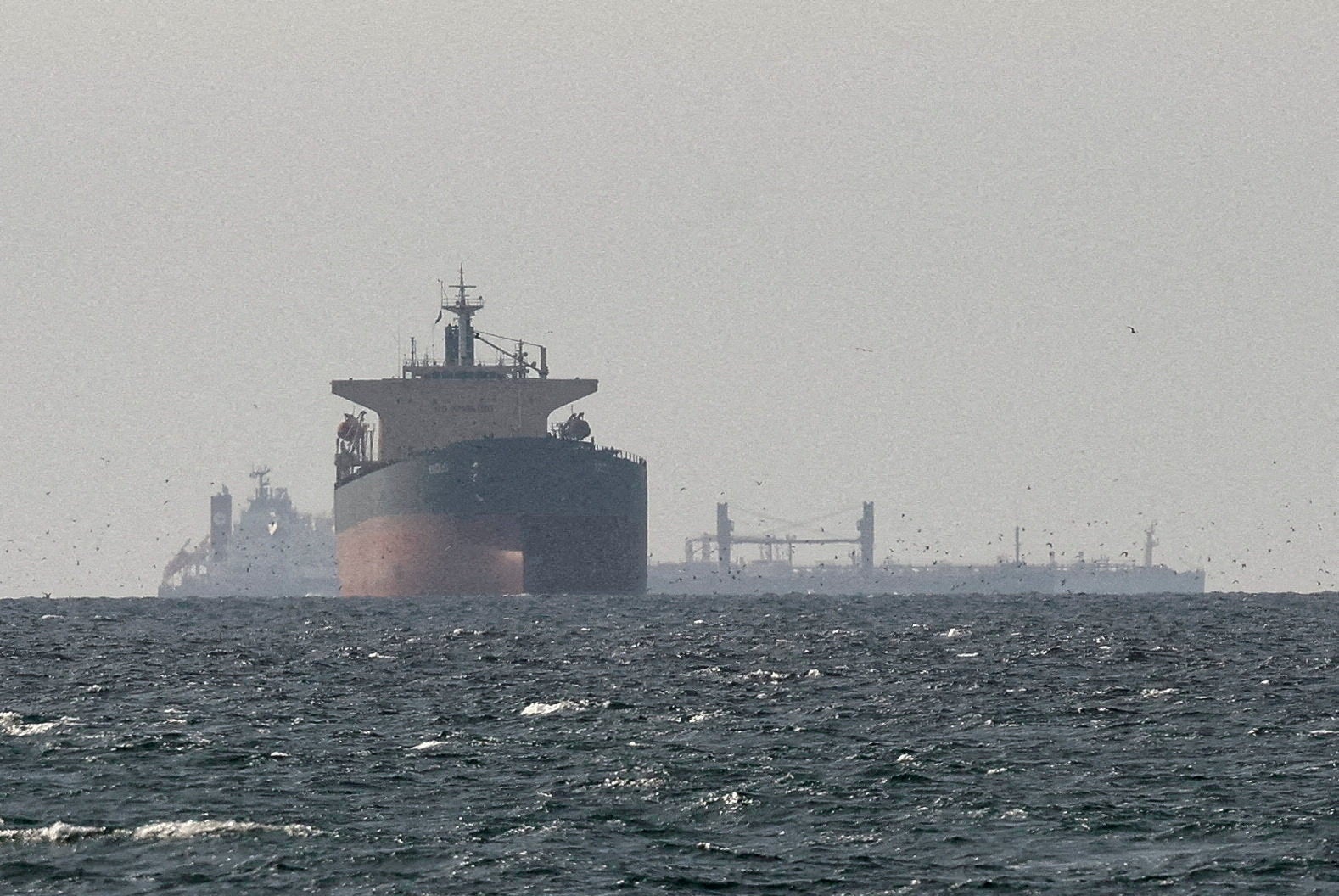
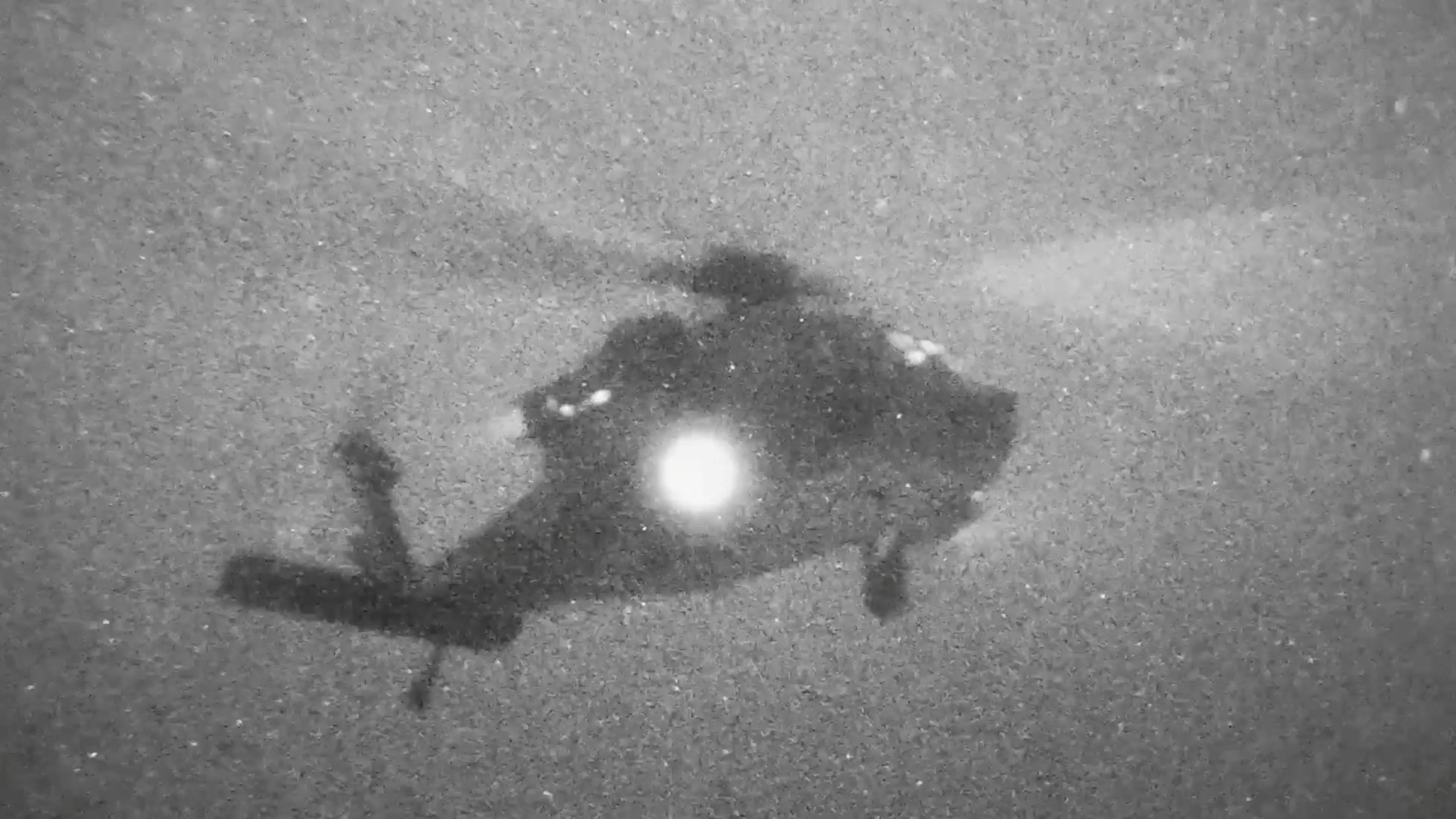
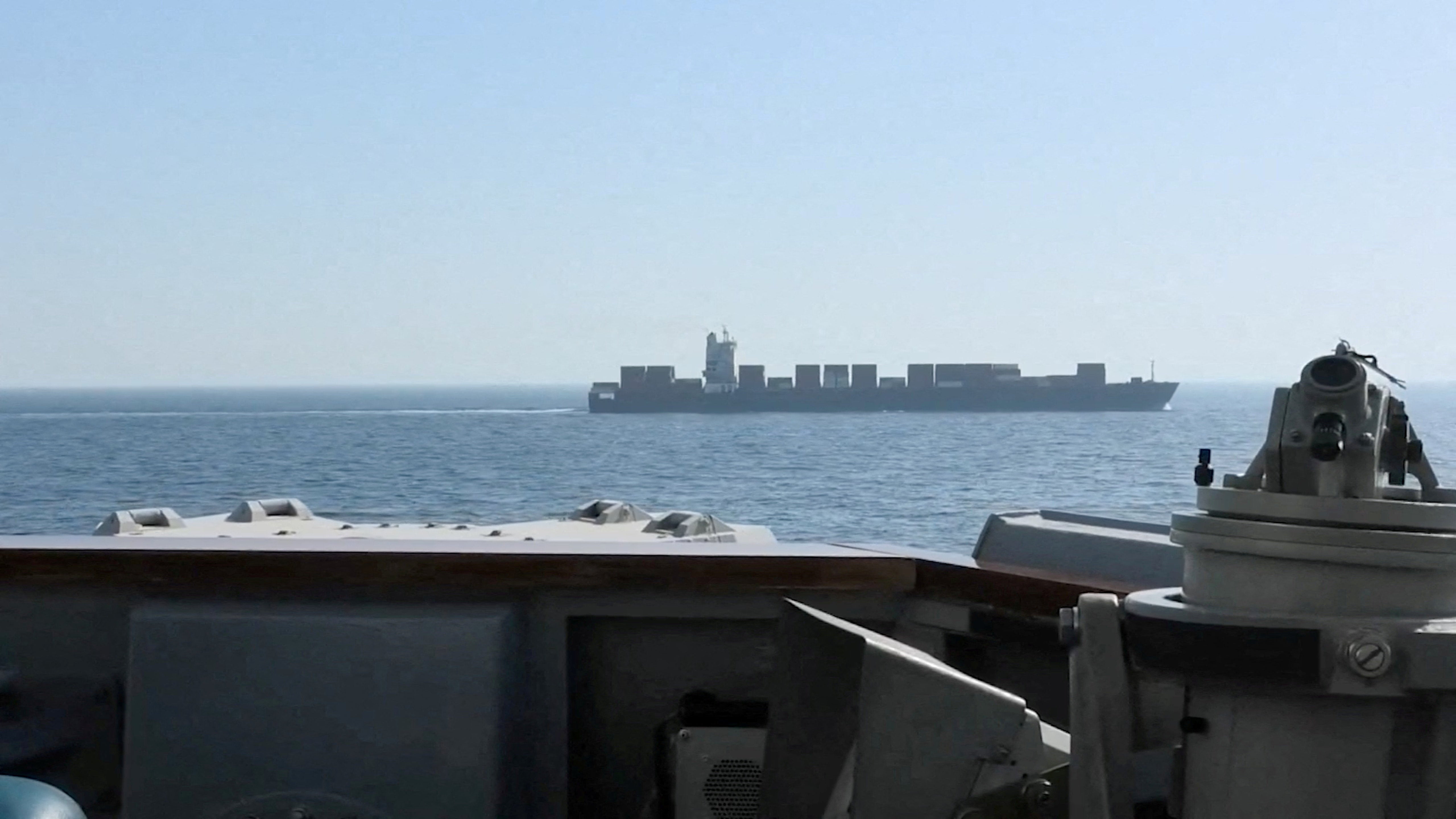
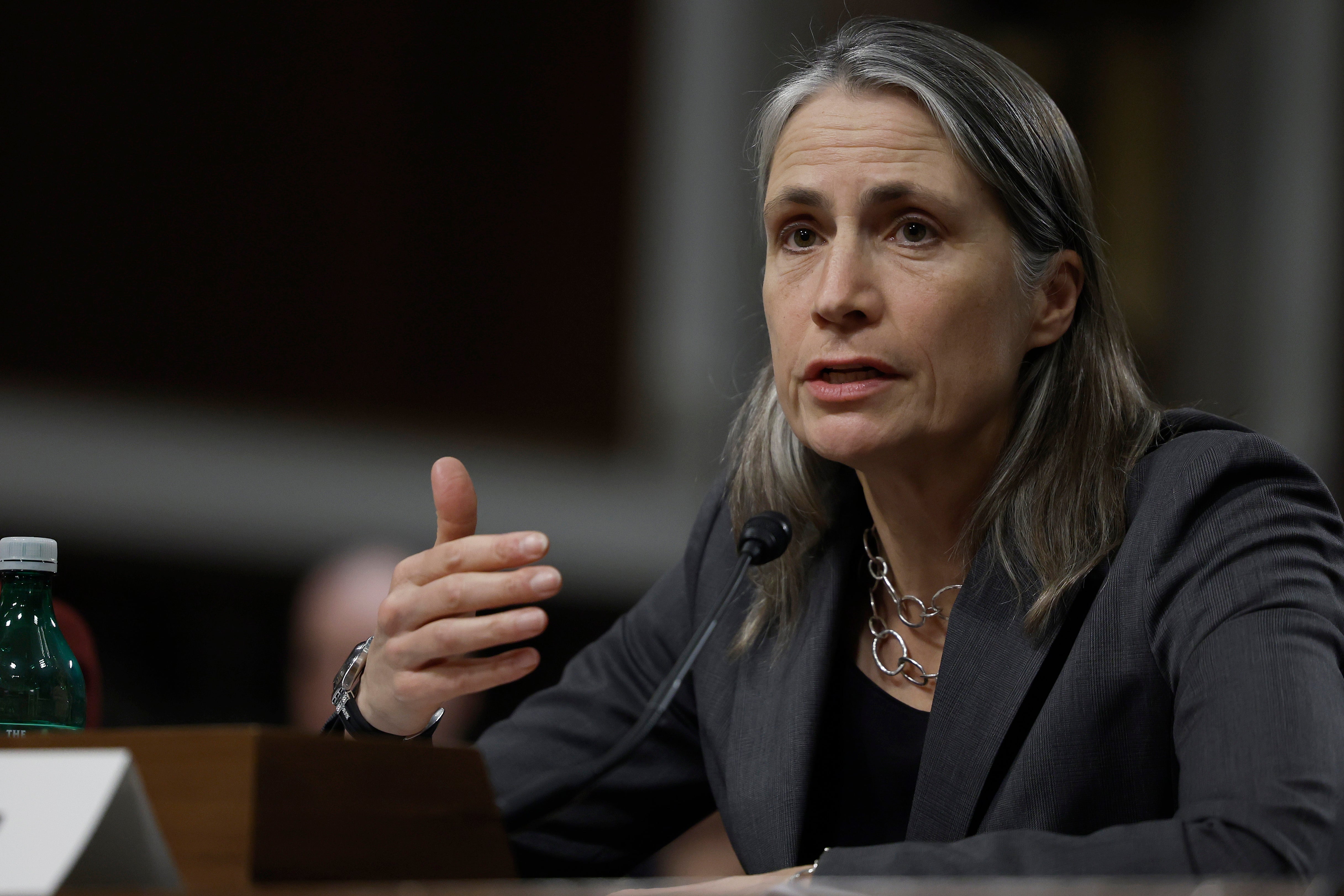
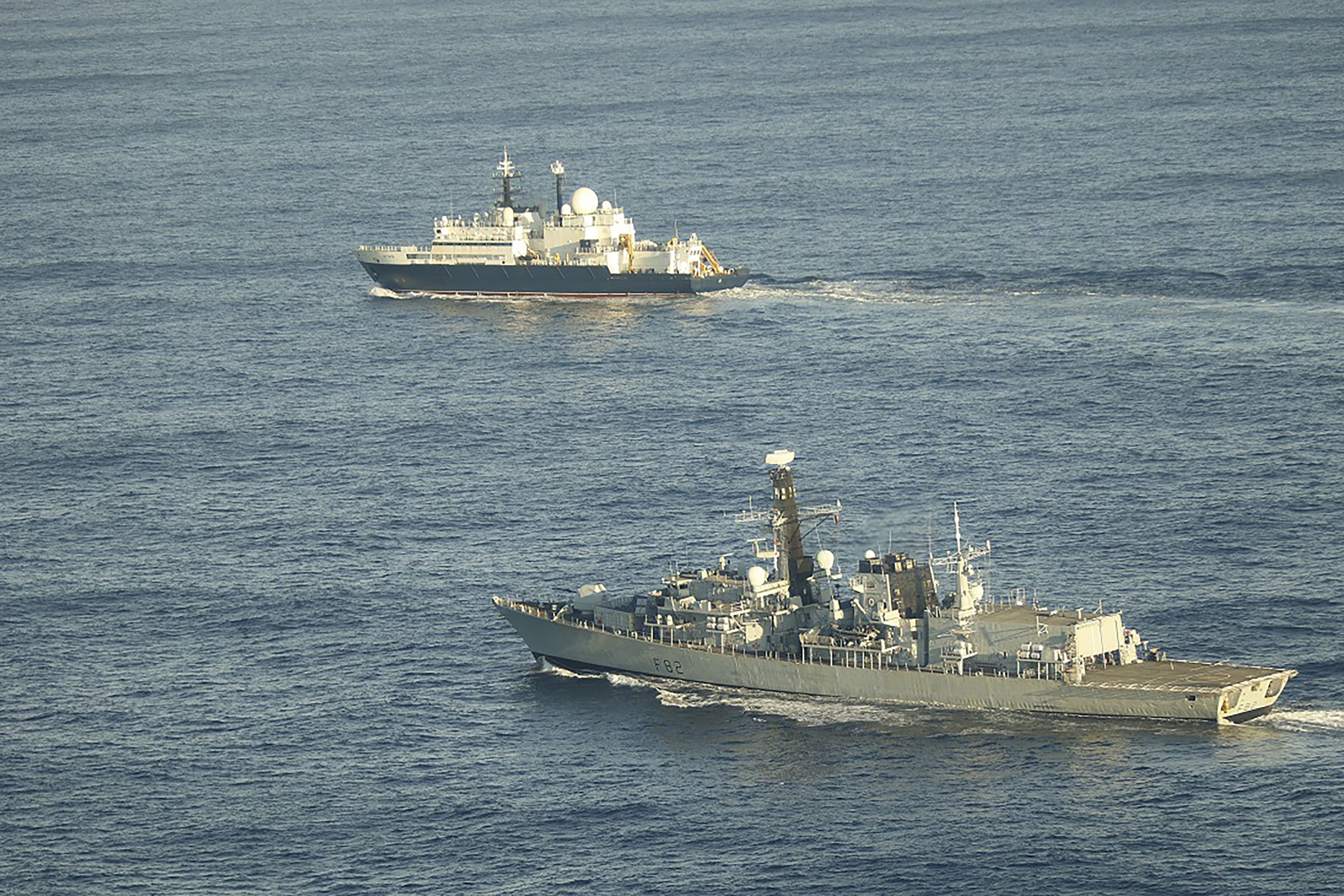
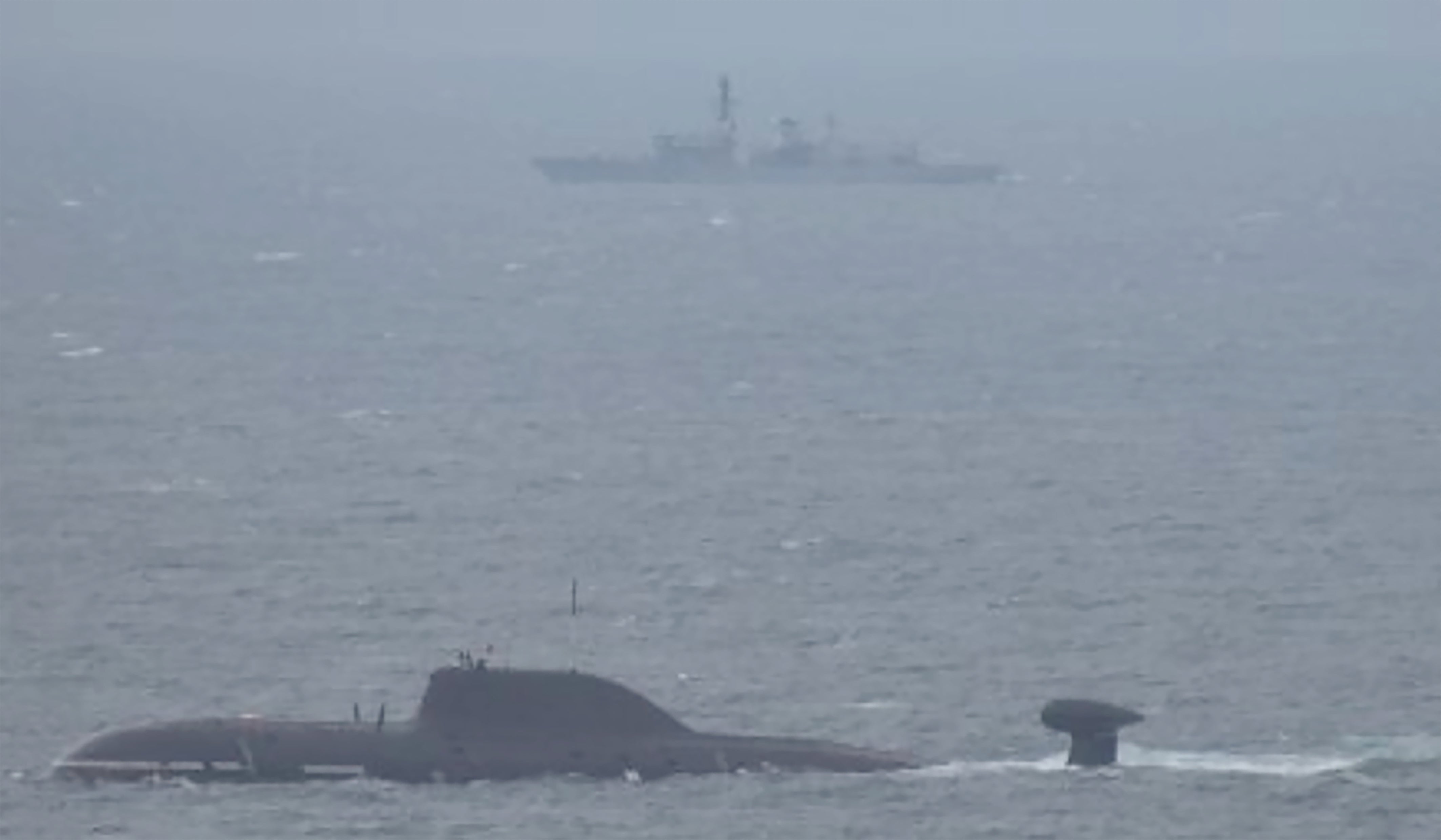
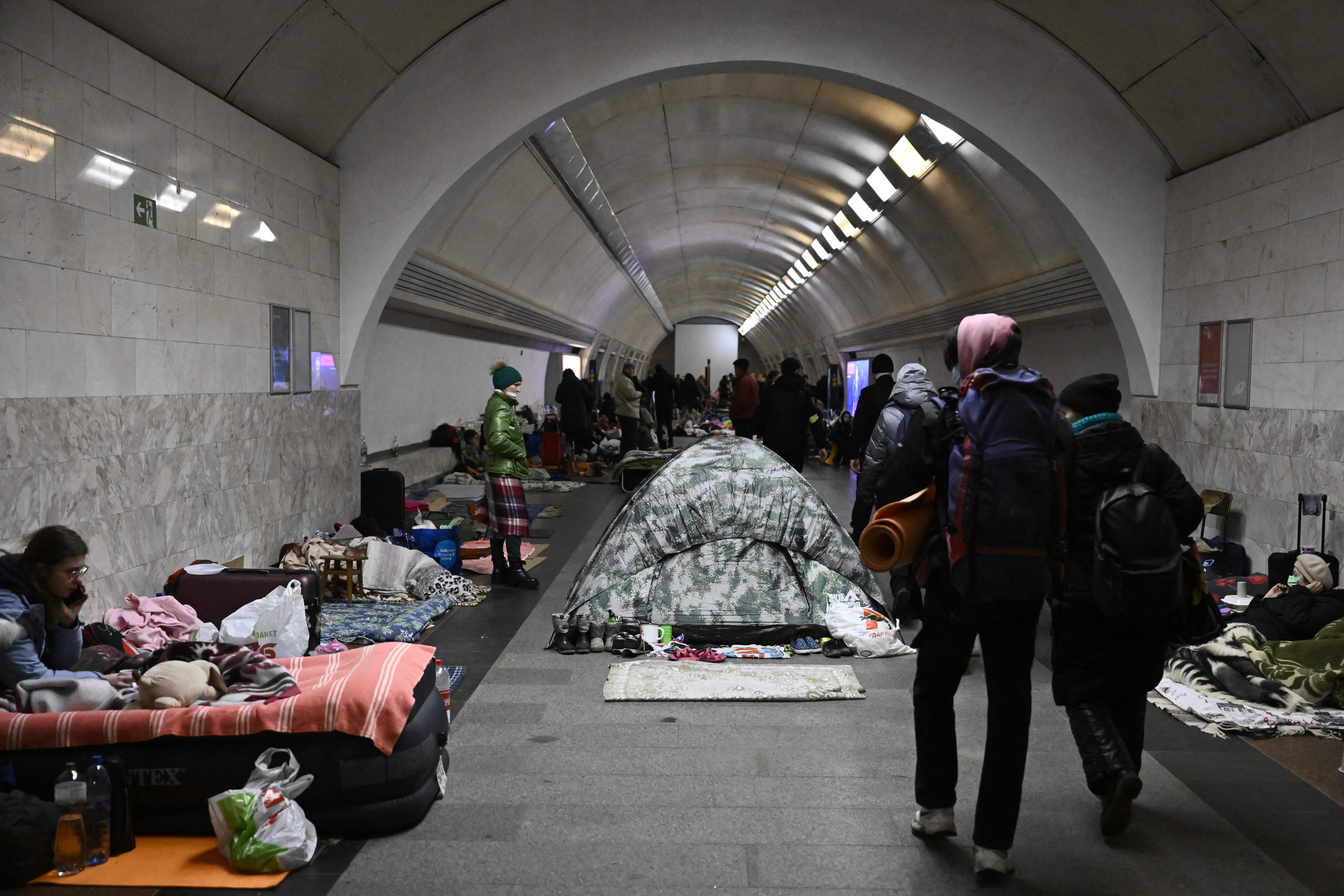














 RSS
RSS