ANDREW NEIL: Trump’s been handed a Fifa ‘peace prize’ and boasts of ending foreign wars. But what real Americans care about is the soaring price of everything
Suddenly, that most basic of political issues –the cost of living – has reasserted itself as the prime concern of American voters, threatening to undermine Donald Trump’s second term in the process.
The danger is all the greater because it’s not clear the President has a clue what to do about it. Or even understands how big a problem it is.
Often referred to as ‘the affordability problem’ in America, Trump denied it even existed in a long rant during one of his increasingly bizarre televised cabinet meetings on Tuesday.
‘Affordability is a hoax that was started by Democrats,’ he stated. ‘They caused the problems of pricing. They’re like scam artists… con men and women.’
The word ‘affordability’, he went on to claim, ‘doesn’t mean anything to anybody’. He blamed a ‘fake narrative’ for growing public concern about the cost of living.
The billionaires and plutocrats that populate so much of his cabinet all nodded in agreement, as they do at everything he says. They have neither the inclination nor the experience to contradict him. Like the President, they live a gilded existence in which ‘affordability’ is a far-off country.
But nobody else is buying it, not even Trump’s MAGA base. ‘The President can get away with all manner of outlandish claims,’ one White House aide tells me, ‘and nobody much cares. Many even believe him.
‘But not when it comes to affordability. The blue-collar families at MAGA’s core see the truth every week at the supermarket check-out.’
Donald Trump receiving the Fifa 'Peace Prize' during the group draw for the World Cup next summer
Almost 60 per cent of Americans say holidays, rent and mortgage payments are unaffordable, while 55 per cent claim they can’t afford their grocery bills
It’s already taking a formidable political toll on Trump. A poll this week by JL Partners for the Daily Mail saw his approval rating plummet from 55 per cent to 45 per cent in the past two months alone. Almost 60 per cent of Americans say holidays, rent and mortgage payments are unaffordable, while 55 per cent claim they can’t afford their grocery bills.
Other polls are closer to cataclysmic for the President. One for the Politico website published on Thursday found 46 per cent of Americans (including 37 per cent of 2024 Trump voters) consider the cost of living the worst they’ve ever seen it, with 46 per cent directly blaming Trump.
A Gallup poll puts his overall approval at only 36 per cent, with 60 per cent disapproving. Only 32 per cent approve of his response to the rising cost of living. A recent survey for CNN showed 27 per cent believe his policies are improving the economy.
Trump, of course, continues to blame the Democrats for rising prices. But voters are now far more inclined to blame Trump and the Republicans (by a margin of 20 points).
No surprise in that – because the facts are against him. During his cabinet meeting he claimed grocery prices were falling. They’re not. All the big price increases during the Biden years are now baked in – overall, grocery prices are up 30 per cent on 2020. Yet grocery bills are still rising by 2.7 per cent on the year.
Some traditional American food staples are rising by much more. Beef is up 15 per cent year on year, coffee 21 per cent and eggs 11 per cent. The hardship is obviously greatest for poorer families, many of whom voted for Trump and who have to devote 30 per cent of their income to putting food on the table.
Yet Trump claims to have ‘stopped inflation in its tracks’. He hasn’t. He inherited a 3 per cent inflation rate on taking office in January. Inflation is still 3 per cent. At one stage this year it looked like it was coming down. His obsession with tariffs pushed it back up again.
He moans that he inherited the worst inflation of all time. He didn’t. It was, as I’ve said, 3 per cent. Even the Biden-era inflation peak of 9.1 per cent in June 2022, bad as it was, isn’t close to an all-time post-war high.
One for the Politico website published on Thursday found 46 per cent of Americans (including 37 per cent of 2024 Trump voters) consider the cost of living the worst they’ve ever seen it, with 46 per cent directly blaming Trump.
The big worry for many American households in the New Year is healthcare insurance premiums. Those who insure via the various Obamacare health plans face huge spikes in premiums in 2026 as subsidies introduced during the pandemic are withdrawn. More than 24 million people will be affected, 75 per cent of them in states Trump won last November. Some millions will be left uninsured, adding to the 27 million who currently don’t have any kind of health insurance.
The political consequences for Trump and the Republicans look dire. In what in Britain we’d call a by-election this week, in a rock-solid Republican congressional district in Tennessee, we witnessed a sign of things to come.
Trump won it by 20 points last November and, while the Republicans held on to it, they did so with a much-reduced lead of nine points, even though the Democrats had fielded Left-wing activist Aftyn Behn, who was wholly out of kilter with the state’s conservative political culture.
Even Trump’s own pollster, Tony Fabrizio, admitted to House Republicans in Washington on Wednesday that the win had been narrow because of insufficient Republican focus on affordability. Yet Trump sent out his White House press secretary to double down on how it was all just a Democratic media ‘narrative’.
It’s all a far cry from Candidate Trump who, during last year’s presidential campaign, posed as the champion of working families, even vowing to ‘make America affordable again’.
Now, the self-styled champion of lower-paid Americans has morphed into a US version of Marie Antoinette, at one stage cutting off food stamps for the poor as he announced plans to tack a huge gaudy ballroom on to the White House.
The more the President feigns unconcern, the more MAGA worries. Even Vice President JD Vance, the man tipped to inherit Trump’s mantle, has felt the need to say: ‘We get it and we hear you.’ But he went on to blame Biden, which even MAGA true believers are beginning to doubt.
Trump plans to tour battleground states to denounce the ‘Democratic hoax’ and insist prices are ‘substantially’ down. That will be heavy going for him. And long before Vance can properly assess his chances in the 2028 presidential election, Republicans have to get through next November’s mid-term elections. The omens are far from propitious.
There have been six ‘special’ elections so far this year in America in which the average swing has been 15 points to the Democrats. In every race, from the contests to be governor in Virginia and New Jersey to the one for mayor of New York, moderate and radical Democrats alike won big time by campaigning on affordability. A swing of anything like 15 per cent next November would win the Democrats over 40 extra seats in the House of Representatives. The current Republican majority is three. The Democrats would have a substantial working majority in the House.
Wrestling the Senate from the Republicans is a much taller order. But if the Trump administration continues to deteriorate it can’t be ruled out.
Second-term presidents are inclined to look abroad for their legacy. But even foreign shores offer Trump little solace.
There is no peace in Gaza, nor in Ukraine, where he’s proved to be President Putin’s patsy, more than once.
His boast of ending eight wars includes two – Egypt-Ethiopia and Serbia-Kosovo – that have not happened during his presidency and one – in the eastern Democratic Republic of Congo – that is still ongoing.
Trump has, at times, been a breath of fresh air in foreign relations. But he is clearly no Henry Kissinger.
Now Trump’s blind spot when it comes to the crucial matter of affordability threatens to undermine the populist project which has, until now, transformed the Republicans into the party of blue-collar America.
Just as Boris Johnson threw away the transformative power of a similar populist project in Britain after his landslide victory in 2019, propelled by the same sort of blue-collar voter, so Trump is in grave danger of repeating Johnson’s mistake.
And, like Johnson, for reasons that could be easily avoided but for arrogance and indifference. What a waste.
Trump wants to recreate a white America that never existed.
The persecution of brown people and mass deportations will not create the white country of far-right fantasy.
As Donald Trump deteriorates and his grasp on power fades, he has been lashing out furiously at female journalists and ethnic groups, most recently Somali Americans. His insults land because of their animosity and his power, not their accuracy. Likewise, his administration’s attacks on immigrants are sloppy and driven by lies. It’s strikingly clear that the target is not individuals with criminal records. It’s anyone and everyone guilty of being brown. Native Americans with tribal identification cards, US citizens, people doing crucial work from construction to nursing, military veterans, college students, people sleeping in their own beds, small children: all kinds of residents of this country are under attack.
“ICE raids are cruel, inhumane, and do nothing to serve public safety,” declares Zohran Mamdani, the New York City mayor-elect. Masked thugs smashing car windows and dragging parents away from their babies, terrorizing whole swathes of the population, and interfering with the ability of schools and businesses to function does the opposite. The rounds of targeted hatred by Trump and his minions – for people from Haiti during the 2024 campaign, for people from Venezuela this spring and summer, and most recently for people from Somalia – rely on defamatory lies and insults, because the facts about these groups don’t support the hate.
This terrorizing and demonizing pretends to be in service of recreating a white America that never existed. The US when white supremacists like Trump were young was whiter, but this was never a white country. In 1776, the 13 colonies that became the United States included a significant percentage of Black and Indigenous people (some southern states were a third or more Black). When the US annexed Texas in 1844 and then in 1848 took Mexico’s whole northern half, a Spanish-speaking population was already settled across parts of what’s now the south-west and California. The first African Muslim in what is now the United States came in a Spanish expedition almost a century before the Mayflower brought its fanatical Puritans to the shores of Massachusetts in 1620.
The persecution of huge numbers of brown people and even the mass deportations will not create the white country of far-right fantasy. Los Angeles, for example is an almost 50% Latino city, and despite the ICE and border patrol outrages, arrests, imprisonments and deportations, it remains so. The city’s very name is Spanish, a reminder of who was here first. All the hatred, all the persecution, seems like the panic of racists pretending they can stop the future of this country no longer being majority white through sheer cruelty.
It’s coupled with an attack on reproductive rights that is sometimes openly intended to make white women have more babies (the US has a below-replacement rate birthrate, which is less impactful than in many other countries facing the same decline, because a young, hard-working immigrant workforce keeps things going). Of course, rather than offering the support that might make parenthood less grueling, they are attempting to realize their goals by punitive means. And it’s not working. Margaret Talbot of the New Yorker writes that JD Vance’s reproductive politics – and insults to childless women – amount to pronatalism, which “typically combines concerns about falling birth rates with anti-immigration and anti-feminist ideas”.
Likewise, CNN reports: “Reproductive rights groups and other advocacy organizations say these efforts to buttress the birth rate don’t make up for broader administration priorities aimed at cutting federal programs such as Medicaid, its related Children’s Health Insurance Program, and other initiatives that support women and children. The pro-family focus, they say, isn’t just about boosting procreation. Instead, they say, it’s being weaponized to push a conservative agenda that threatens women’s health, reproductive rights, and labor force participation.”
The anti-immigration and pronatalist policies add up to fantasies of redirecting the demographic future of this country. Both amount to, in the end, dim-witted bullying by haters inadvertently demonstrating that their claims to superiority have to be based on race and gender, because otherwise they’re incoherent idiots.
A lot of the Trump administration’s justifications don’t line up with realities and results. The attacks in the southern Caribbean target small boats not confirmed to be carrying drugs and not capable of reaching the US. Venezuela is not involved in any meaningful way in trafficking fentanyl and much less involved in cocaine trafficking than other South American countries.
“We reject the disastrous ‘climate change’ and ‘Net Zero’ ideologies,” says a new White House document. Trump and company are sentimentally committed to fossil fuel, especially coal, and are forcing various US locales to waste money on this outdated and toxic fuel while sabotaging cheaper, cleaner renewable energy. Robert F Kennedy Jr, the US health secretary, is sabotaging public health while promoting anti-scientific schemes to control Americans’ diet.
The premise of the attacks on immigrants is that people of color who were not born in the US are intruders and threats, but from Los Angeles to Charlotte, North Carolina, and Chicago to Portland to New York, it’s the Trump administration’s violent foot soldiers with ICE and the border patrol that locals perceive as unwelcome threats and violent invaders. There is no more dramatic sign of the rejection of Trumpism than the thousands upon thousands organizing, showing up, risking bodily safety, arrest and felony charges to defend their neighbors. City after city has risen up to defend its own. All of Trump’s insults cannot change that.
...
Цитата:
‘Mouthpieces for Trump’: inside the rightwing takeover of the Pentagon press corps.
Pentagon press passes once held by credentialed journalists are now in the hands of rightwing pundits and Trump allies.
Being a member of the Pentagon press corps was once one of the more prestigious assignments in US journalism, a position reserved for heavy hitters from venerable newspapers and news channels, reporters at the peak of their powers.
Not any more. A press conference last week – held at a crucial time for a Pentagon embroiled in scandal – was instead attended by more than a dozen rightwing activists, with the government being held to account by a close ally of Donald Trump, an employee at Turning Point USA and someone from a pillow salesman’s nascent media company.
Almost all credentialed reporters from traditional media companies surrendered their Pentagon press passes in October, rather than sign a 21-page Pentagon document that set restrictions on journalistic activities.
Those constraints include requiring news organizations to pledge they will not obtain unauthorized material – in effect limiting journalists to reporting on officially provided information – and agreeing to limits on journalists entering certain parts of the Pentagon.
Following that walkout, the Pentagon issued passes and access to dozens of rightwing media figures and organizations who agreed to the strict rules, including Laura Loomer, a Trump confidante who has described herself as a “proud Islamophobe”; LindellTV, an online streaming channel founded by Mike Lindell, a conspiracy theorist and CEO of MyPillow; and Matt Gaetz, a disgraced former congressman turned host at One America News Network.
The lack of serious media figures scrutinizing the Pentagon – last year Loomer filmed herself eating dog food for an advert, while LindellTV appears to exist primarily to push Lindell’s disproven claims of election fraud – comes at a time when there is a particular need for journalists to provide proper scrutiny of a Pentagon beset by controversy.
On Thursday, an independent report published by the Pentagon’s office of inspector general found that the defense secretary, Pete Hegseth, “created a risk to operational security that could have resulted in failed US mission objectives and potential harm to US pilots” when he used the chat app Signal to discuss details of an operation in Yemen. A journalist from the Atlantic was included in the Signal group chat where Hegseth shared the information – the debacle led to calls for Hegseth’s resignation. Separately, the Pentagon continues to face questions over the double strike conducted on an alleged drug boat in the Caribbean.
The new press corps seems ill-positioned to ask those questions, or to hold the government to account. Loomer and Gaetz are hyper-partisan rightwing commentators and avid supporters of the Trump administration; LindellTV and other organizations which signed the agreement, like Turning Point USA, the Daily Signal, the Gateway Pundit and the Post Millennial, are self-professed conservative outlets.
“It’s incredibly problematic. We’re talking about severely limited access to the already secretive military-industrial complex,” said Carole-Anne Morris, a journalism professor at the University of North Carolina at Greensboro.
“I have a hard time assigning any credibility whatsoever to any media outlet or journalist who would agree to the terms of the Pentagon’s new press policy. Essentially, these folks will only be able to parrot information they’re spoon-fed by some media liaison in the Pentagon. They can’t seek out information on their own. Doesn’t sound like journalism to me. Here’s what it actually is: a group of alt-right outlets who are vying to be mouthpieces and apologists for this administration.”
The New York Times sued the Pentagon and Hegseth on Thursday, alleging that the ban “seeks to restrict journalists’ ability to do what journalists have always done – ask questions of government employees and gather information to report stories that take the public beyond official pronouncements”, and experts have warned that the government is violating the first amendment right to free speech.
“Everything about the press and the way it works requires independence from the government, so anything that restricts what you can say, what you can do, anything that’s about how you do your job is just unacceptable,” said Gregg Leslie, executive director of the First Amendment Clinic, at Arizona State University’s Sandra Day O’Connor College of Law.
“It’s just a fundamental violation of the first amendment. I mean, you can make the argument that nobody has the right to get into the Pentagon, and the same is true of the White House, but once they start making decisions that discriminate against you based on how you’re going to cover something or what your viewpoint is, that’s going to become completely unacceptable.”
As criticism continued this week, the Pentagon issued its own, school newspaper-style report on Wednesday, chirpily hailing a “whirlwind of activity” for its staff, who it said had completed three days of “onboarding” for the new press corps. That new makeup consists of more than 70 independent journalists, bloggers and “social media influencers”, the report said.
“This ‘new media’ operates differently than traditional media, and Pentagon leadership believes it is better equipped to inform a broader swath of the American public about what goes on inside the department,” Kingsley Wilson, the Pentagon’s press secretary, said in the release.
Of the new, almost exclusively rightwing press corps, Wilson said: “We want to make sure that we’re reaching as many Americans as possible.”
he cold was brutal and so were the gangsters. It was the first – and worse, only – day of shooting, and when cinematographer Julio Macat threaded some film into his camera, it was so cold that the film snapped. The gangsters flitted around menacingly, fedoras and machine guns at the ready.
Macat was hoping to make a movie that was frightening and strange. “The goal,” he says, “was to scare a kid.” And so, even though it was 1990, he chose to shoot the noir like it was the 40s, with black and white film, fog filters on the camera lenses, and an intense, old-fashioned lighting setup to cast deep shadows on the set.
Macat needed to do all of this to make the perfect family Christmas film.
“It’s amazing to me how a lot of people don’t know that it’s not a real movie,” says Macat, almost 40 years later. He is talking – of course – about Angels with Filthy Souls, the film that sits inside the festive classic Home Alone. Our hero Kevin McCallister (Macaulay Culkin) watches the gangster flick wide-eyed when he’s left – you guessed it – home alone, and the fake film’s action sequences inspire Kevin’s later capers.
But Angels with Filthy Souls ended up looking so realistic that audiences – including, for his “entire childhood”, the actor Seth Rogen – thought it was a real golden oldie.
How do you make a film-inside-a-film? They are a fairly frequent but tragically understudied phenomenon – the Wikipedia entry, “List of films featuring fictional films” collates about 120 of them, but there are actually hundreds more. “They’re all great in their own way,” says Lynn Fisher, the 40-year-old creator of the speciality website “Nestflix”, which catalogues more than 1,000 stories nested in other stories. “I especially appreciate ones that obviously took a lot of effort to create. It’s the small details that really make it.”
Fisher created Nestflix during a bout of unemployment in 2021 – she crafted the site to look like a streaming service. Ever since she learned that Angels with Filthy Souls wasn’t a real movie, the Arizona-based web designer has been fascinated by what she calls “nested films”. Her other favourites are teen drama The Pink Opaque from the psychological horror I Saw the TV Glow and the spy biopic Austinpussy from Austin Powers in Goldmember.
Strangely, Home Alone isn’t the only festive film to host a fake film – it’s a fairly common occurrence. There’s Turbo Man: The Motion Picture in Arnold Schwarzenegger’s Jingle All the Way and The Night the Reindeer Died in Scrooged, not to mention the trailer for action film Deception in The Holiday.
“I think they ground things,” says Macat, “it makes a movie more believable.” It makes sense that festive films need to be grounded with a bit of (fake) reality – it’s a speedy way to show the audience that fantastical Christmas magic is actually occurring in the real world. The Holiday’s production designer Jon Hutman has another theory. “Usually when there’s a film within a film the characters come to recognise that they are within the movie of their own lives,” he says, “and they have to rise, on some level, to being the hero of their own stories.”
Audiences see less than 30 seconds of Deception in The Holiday, but nonetheless numerous online commenters wish the film was real. The action movie follows “your average 20-year-old” Rebecca Green (Lindsay Lohan), a waitress who is left something mysterious in her estranged father’s will. There are gunshots, explosions and steamy kisses.
“You try to make it good without making it distracting,” Hutman says of making a film-within-a-film. As the set designer on The Holiday, Hutman was focused on bringing to life the now famous houses in the movie – an adorable English cottage and sprawling LA mansion. In comparison, he had to make the cafe in Deception understated and undistracting, while action sequences on an industrial-looking staircase and behind a chain-link fence set the tone with familiar tropey visuals. “You want it to be beautiful and clear and hopefully a little bit elegant and simple,” Hutman says.
While Hutman admits that movies-within-movies can often be an “afterthought” for production, he says he personally treats these scenes the same as any others. Macat, too, certainly handled Angels with Filthy Souls like it was a real blockbuster – even though he had to shoot it in just one day, the final prep day before principal filming on Home Alone began.
“You’re scared shitless, because it’s the first thing that the studio will see,” Macat says. It was his first movie as director of photography, and he battled impostor syndrome on set, particularly because he hadn’t used black and white film since film school. Nonetheless, when shooting started: “I could tell that we were doing something different and interesting.”
“It was obviously inspired by Angels with Dirty Faces, and that sort of gangster type movie from 1938,” Macat explains. Because the old school film that Macat was shooting on wasn’t as light-sensitive as modern stuff, he required five times the amount of lighting – he also put some black netting over the lens to make the shots seem more vintage. Then there were smoke machines and a vintage Tommy gun used to pump the gangster “Snakes” full of lead. “It was all with the intent to shoot something that a kid hadn’t seen before that would scare the pants off him when he’s watching it by himself.”
In 2006, cinematographer Baz Irvine was about to work with auteur Nicolas Roeg on the supernatural horror Puffball – but then he broke his arm in a snowboarding accident. “I had this idea that I was going to be this leading light in alternative indie cinema in the UK and Ireland,” Irvine says – but, with a plaster cast up to his shoulders, he had to pull out of Puffball and scrabble for less physically demanding work. That’s how he ended up on Mr Bean’s Holiday.
In Mr Bean’s Holiday, the titular Mr Bean wins a trip to Cannes. There, he watches – and ultimately interferes with – the premiere of arthouse film Playback Time, described as, “a film for all of us who hunger for truth, for all of us who cry out in pain”. Willem Dafoe plays actor-director Carson Clay in Mr Bean’s Holiday; Carson Clay plays a heartbroken detective in Playback Time. “I think Willem was completely baffled as to what was going on the whole time he was on the film,” Irvine laughs. “His scenes were so out of sync with each other and made no sense.”
Irvine says Playback Time was, “not just a film within a film, but a homage to so many genres and a love letter to French cinema.”. So, in a way, the cinematographer did get to work on an indie darling. We see Dafoe ruminate in a long opening shot as he rises up an escalator – later, he runs through various industrial-looking spaces and stares into the distance as a tear rolls down his cheek. Footage was shot around London’s ExCel centre and Irvine estimates that filming lasted three days. He swapped from regular spherical lenses to anamorphic lenses with “that classic widescreen Hollywood look” to give Playback Time a different vibe from the rest of the film.
“We just went to town on making something silly and fun and photographic,” Irvine says, “We were allowed to be indulgent.” The crew even had to crash the real Cannes festival to get shots for Playback Time’s premiere, walking the red carpet before the cast of a (real) Portuguese movie. “When you’re making a film, it’s quite gruelling. No matter how creative or brilliant it is, there is a monotony to the everyday,” Irvine says. “So it’s brilliant to be able to just suddenly put new lenses on, have a totally different aesthetic, and not worry so much.”
Цитата:
Fake films certainly aren’t going anywhere – in May, Apple TV renewed The Studio, a satirical show about a Hollywood honcho who makes movies such as Alphabet City (a 1970s crime drama) and Duhpocalypse! (a zombie/diarrhoea epic). The Holiday’s fake action film featured very real celebrities – James Franco starred alongside Lohan, as did the instantly recognisable trailer narrator Hal Douglas – and so too does The Studio. The show’s casting director Melissa Kostenbauder managed to secure Martin Scorsese for its pilot. “We felt so lucky he wanted to do it,” she told Vulture, “Everyone was excited he was even entertaining it to begin with.”
…
But, you might wonder, who exactly created and stars in The Studio? None other than Seth Rogen. Perhaps the revelation about Angels with Filthy Souls inspired the star to make his own nested films.
Firm fan Fisher believes films-in-films should achieve one of three things. The first is that the phoney film should feel real, even if it’s a joke – audiences should say: “I can’t believe that movie is fake.” The second is that the crew should’ve “put way more time into that than they needed to”, that the attention to detail should be remarkable in and of itself. And, “The third reaction you want,” Fisher says, “is for people to say, I wish that was real so I could watch it.”
Цитата:
Chef reveals how to cook the perfect roast potatoes this Christmas - and the common mistake that causes soggy spuds.
The humble roast potato is a special thing; crispy and golden on the outside, soft and fluffy on the inside, perfectly seasoned and dripping in fat.
Time and time again, the roastie has been voted Britons' favourite part of a roast dinner - and despite going up against turkey, stuffing and pigs in blankets on the souped-up Christmas table, it's still a winner among diners.
With so much riding on the perfect spud as Christmas Day cooks put their skills to the test, an expert has weighed in on how to make crowd-pleasing roasties - without any of the fuss.
Russ Goad, executive chef at M&S Food, has been testing recipes for most of his career. He describes testing and tweaking recipes as his 'bread and butter'.
Ahead of December 25, Russ has revealed his formula for roast potatoes that will impress everyone at the dinner table - plus the key step many people forget that will ensure crispy yet fluffy trimmings every single time.
Roast potatoes are consistently voted the most popular element of a roast dinner, so the pressure is on for Christmas Day cooks to make the perfect plate of crispy spuds for guests
THE PREP
Christmas is a busy period and most people hosting their loved ones on December 25 are short on time, to say the least.
But if you possibly can, Russ recommends taking 10 minutes ahead of time to write down your timings for different cookery elements on Christmas Day.
'Manage your oven timing,' he advised, noting how many different elements have to compete for oven space.
As for the variety of potatoes, Russ suggests Maris Piper or King Edward to create the best potatoes. If possible, find a selection which includes decent-sized potatoes and avoid any that are too small.
The fat is also an important element - although Russ notes much of this is down to personal preference. While he favours an animal fat such as goose or beef, lighter oils will also work well. He advises against an extra virgin olive oil with a strong peppery flavour.
On the day, peel and chop your potatoes before dropping them into cold water. Be careful not to cut the potatoes too small, or else they will take on too much water during the parboiling process and become mushy.
If you're making a large batch and some spuds have been sitting in the water for a long time before you're ready to bring them to the boil, drain them off and refill the pan with fresh cold water to get rid of the starch.
Russ notes that most people are working with one oven and limited space for all elements. But if possible, he says the best oven temperature for roasties is between 180C and 190C.
THE METHOD
When you're ready to cook your roasties, bring them to the boil on the stove, ensuring the water is cold and seasoned with salt when you start the process.
According to Russ, a 'gentle simmer' is what you're looking for.
'How long you cook them for depends on the size, but it can be anything from eight to 14 minutes,' he explained - adding it's less about the timing and more about testing the potato to determine if it's par-boiled enough.
'Take a small, sharp knife and pierce the potato. You want a bit more resistance in the centre of it, but it's perfect when it's just starting to get a bit crumbly.'
The next step, according to Russ, is crucial - and one many people neglect in a bid to get everything into the oven.
'A lot of people will drain their potatoes and put them straight into the sizzling fat and into the oven,' Russ said.
'But what you need to do is drain them, lay them out onto a tray and leave them for at least 30 minutes before putting them into the oven. Let the steam come off them.'
He explained that, when people put their potatoes straight into the oven, the steam coming off them goes into the oven too and creates a humid heat. The humidity prevents the potatoes from crisping up.
'Leaving them to steam first will help them become lighter and fluffier,' he explained, adding that you could leave them for up to 90 minutes if you needed.
Meanwhile, heat up your chosen cooking fat on a shallow oven tray in the oven for about 10 minutes.
Another common mistake people make when roasting spuds is rushing to get them into the oven without taking the time to coat them in cooking fat.
'When you put the potatoes onto the tray, don't rush it. People worry about the fat cooling down, but it doesn't matter. The most important thing is to coat every side of the potatoes in the fat before putting them into the oven. Take your time.'
Coating all sides of the spud in cooking fat is essential to ensure the potato roasts, rather than bakes. 'If there's no fat, it will form a crust and become dry,' he explained.
Then it's time to put the spuds in the oven - for about 30 minutes in the first instance, before taking them out to turn them.
'Don't be tempted to turn them too soon,' he warned.
Russ suggests the best time to add any herbs or garlic is during the turn. He recommends sticking to 'woody' herbs like rosemary and thyme, but sage would work too.
If you're adding garlic to the tray, it should be bulbs or whole cloves with the skin on. Crushed or chopped garlic will burn.
After turning the potatoes and adding any extra flavours, put the spuds back into the oven for another 20-25 minutes.
Russ's final tip is to crack the oven door open once or twice during the roasting process to allow any excess steam escape.
He recommends seasoning them once they have been fully roasted - but you could add seasoning earlier in the process if you wish.
Ideally, roasties should be served as soon as possible once they're cooked. However, if you need to hold off, Russ says they can be refreshed 'really easily' by popping them back into the oven.
Crucially, Russ urges: 'If it all goes wrong, you're still spending Christmas with your loved ones. It doesn't matter that much.'
_________________
С интересом и понятными ожиданиями, Dimitriy.
Несколько украинских предпринимателей в частном порядке утверждают, что распознали некоторые записи, уже имеющиеся в открытых базах данных, что оставляет открытой возможность того, что данные представляют собой комбинацию восстановленных данных, старых архивов и фрагментов, которые были фактически украдены.
В настоящее время нет никаких доказательств, подтверждающих проникновение россиян на сервер BRAVE1. Однако психологический эффект весьма реален. Украинское сообщество пользователей беспилотников теперь рассматривает эту утечку как серьёзный риск.
Killnet утверждает, что удалила исходные базы данных, сделав их безвозвратно недоступными. Опрошенные эксперты считают это утверждение маловероятным. BRAVE1 и ВВС США полагаются на резервные и регулярно проверяемые облачные инфраструктуры.
Если российская версия верна, это станет серьёзным ударом для Алексея Выскуба. Заместитель министра курирует стратегическое финансирование военных инноваций, курирует BRAVE1 и отслеживает проекты, поддерживаемые United24. Взлом его компьютера может открыть доступ к прототипам в разработке, каналам финансирования и важным проектам, всё ещё находящимся на стадии инкубации.
Даже если это неопределённо, операция является частью известной стратегии. Российские спецслужбы с 2023 года активизируют атаки на украинские стартапы, занимающиеся разработкой дронов, их облачные серверы и внутренние сети. Цель всегда одна: перегрузить, нарушить и ослабить инновационный потенциал. На этот раз Killnet играет на другом поле: на восприятии. Смысл не только в краже. Он также в том, чтобы посеять панику в украинской военной инновационной экосистеме.
Целевые платформы продолжают работать. Но в мастерских и технологических центрах нервы на пределе. Руководитель одного украинского стартапа, занимающегося разработкой дронов FPV, прямо подытожил ситуацию: в этой войне украденный файл может убить не меньше, чем ракета.
Цитата:
На Западе опубликовали расследование относительно крупнейшей утечки украинских данных за последнее время. Хакерское сообщество Killnet, известная фигура в российских кибероперациях, уже несколько дней утверждает, что заполучило то, что украинские источники называют наихудшим сценарием. Хакеры утверждают, что взломали учетные данные заместителя министра Алексея Выскуба, ключевой фигуры в Министерстве цифровой трансформации, возглавляемом Михаилом Федоровым. На Западе опасаются, что если это окажется правдой, это может дать российским спецслужбам прямой доступ к самому сердцу украинской системы военных инноваций и технологий.
В сообщениях, опубликованных в Telegram, хакеры описывают взлом, который якобы позволил им проследить путь к оборонному кластеру BRAVE1 и Украинскому стартап-фонду — двум центральным структурам масштабной кампании военной модернизации, запущенной Киевом в 2022 году. Они утверждают, что похитили огромные объемы данных и составили подробную карту украинской экосистемы беспилотников — разветвленной сети из более чем 1500 компаний, объединенных вокруг военных задач.
Всплыли несколько образцов документов, связанных с этой утечкой. Изученный контент содержит конфиденциальную информацию, включая технические фрагменты, промышленные метаданные, отчёты об испытаниях и GPS-координаты, связанные с некоторыми чувствительными производственными инфраструктурами. Эти данные, даже если они неполные, подтверждают, что у хакеров действительно есть реальные и потенциально пригодные для использования данные, помимо дезинформационной риторики, которая часто сопровождает их операции.
В опубликованной Killnet выборке упоминаются несколько известных в отрасли компаний: Robokrok, возглавляемый Вадимом Сазлияном; Burevii, стартап, специализирующийся на дронах, возглавляемый Виктором Долготяевым; и Skif Robotics, основанный Андреем Санько. В опубликованных фрагментах содержатся внутренние данные всех этих компаний. Отсутствие официального ответа никого не успокаивает. В мастерских, инкубаторах и барах Киева и Львова, которые часто посещают украинские операторы дронов, царит шок. Многие задаются вопросом о точном характере утекших файлов и времени их создания. Пока что россияне обходятся фрагментами. Но иногда и одного фрагмента достаточно.
Несколько технических фрагментов, представленных хакерами, касаются системы борьбы с БЛА Piranha AVD 360, широко используемой на передовой. В таблицах представлены конфиденциальные данные, включая частоты передачи и эксплуатационные параметры, которые украинские инженеры обычно предпочитают не передавать с защищённого сервера. В сфере радиоэлектронной борьбы такая информация ценнее оружия. Имея в распоряжении несколько диапазонов частот передачи, можно разработать целенаправленные меры противодействия или просто заглушить систему. Даже частичная утечка имеет стратегические последствия. Украинская промышленность это понимает. Это понимают и в Москве.
Хакеры также утверждают, что располагают GPS-координатами нескольких объектов, используемых для производства или обслуживания БЛА. Эти данные сразу же перекликаются с многочисленными ударами России по цехам, ангарам и испытательным центрам. Отрасль получила это сообщение. Небольшие организации, где секретность порой основана на анонимности их местонахождения, опасаются повышения точности российских карт. Для некоторых одного лишь подозрения было достаточно, чтобы спровоцировать экстренное переселение.
Источник в СБУ, участвующий в борьбе с российскими кибероперациями, сообщил, что списки, полученные в результате предполагаемой утечки, теперь продаются по закрытым каналам за несколько тысяч долларов, а затем широко распространяются в России. Файлы включают названия украинских компаний, их адреса электронной почты, геолокации и сферы деятельности. Такая база данных, если она подлинная, представляет собой значительный актив для российской военной разведки.
UK will stay ahead of Putin to ‘secure the underwater battle space’, Royal Navy chief says
It comes days after the foreign secretary warned that Putin represents ‘an active threat to Britain’s citizens, our security and our prosperity’
General Sir Gwyn Jenkins has been named as the new head of the Royal Navy (Ministry of Defence/PA) (PA Media)
The Royal Navy will “stay ahead” of Vladimir Putin to “secure the underwater battle space”, the first sea lord has said as the government announces plans to use AI to track and deter Russian submarines.
The hybrid naval force, named Atlantic Bastion, will combine autonomous vehicles and AI with warships and aircraft as part of a new multi-million-pound hi-tech force to protect Britain’s undersea cables and pipelines.
Speaking on a visit to HM Naval Base Portsmouth over the weekend, Sir Gwyn Jenkins admitted the Royal Navy is “stretched”, but outlined plans to “prove our technology is better than theirs”.
Announcing the plans, defence secretary John Healey said it would be a “highly advanced hybrid fighting force to detect, deter and defeat those who threaten us”.
The move comes after cables in the Baltic Sea were reported to have been damaged recently and UK defence intelligence has identified that Russia is modernising its fleet to target undersea cables and pipelines.
Asked if the Royal Navy was operating at a disadvantage to the Russians in the North Atlantic, General Sir Gwyn told The Times: “We are definitely in a competition in the Atlantic.
“If you look at the Russian capabilities out of the Northern Fleet, their funding has continued to flow despite the war in Ukraine and they consider it an area of expertise and advantage for them
“We are in a competition to stay ahead. I wouldn’t say we are behind, but I would say we are stretched.”
And giving a speech on Monday at the International Sea Power Conference, he will say Atlantic Bastion is “our bold new approach to secure the underwater battle space against a modernising Russia”.
“We are a Navy that thrives when it is allowed to adapt. To evolve. We have never stood still — because the threats never do”, he will say.
“We’ve already made rapid and significant progress with delivering Atlantic Bastion. A force that keeps us secure at home and strong abroad.”
Last month, the defence secretary was forced to issue a stark warning to Vladimir Putin after a Russian spy ship operating on the edge of UK waters directed lasers at RAF pilots.
Meanwhile, the foreign secretary, Yvette Cooper, this week warned that Putin represents “an active threat to Britain’s citizens, our security and our prosperity” after a major inquiry into the Salisbury novichok poisonings concluded that the Russian president ordered the attempted assassination of Sergei Skripal as a “public demonstration of Russian power”.
Subsea infrastructure is the lifeblood of the UK’s connectivity, carrying 99 per cent of international telecommunications data and vital energy supplies such as electricity, oil and gas.
Speaking during the visit to the naval base, Mr Healey said: “We know what Putin is doing. We know what Putin is developing.
“And we’ve seen in recent weeks, for example, their spy ship, Yantar, in and out of UK waters, and we’re able to find them, whether they are on the surface or underwater.
“We’re able to find them, track them, and, if necessary, we are ready with allies to act to deter them.”
The announcement comes as Volodymyr Zelensky prepares to visit London for talks on peace proposals, with cabinet minister Pat McFadden on Sunday warning that Ukraine faces a “pivotal” moment in the war with Russia.
The Ukrainian president will meet Sir Keir Starmer in Downing Street on Monday, along with French president Emmanuel Macron and German chancellor Friedrich Merz, amid continued talks between Ukrainian and US officials on a Washington-backed plan to end the war.
Defence Secretary John Healey delivering a speech on how the UK’s defence industry is delivering growth and national renewal across the UK (Stefan Rousseau/PA) (PA Wire)
Mr McFadden said Ukraine’s security and self-determination would be “at the heart” of the leaders’ discussions, telling Sky News’ Sunday Morning with Trevor Phillips: “This is a really pivotal moment now. Everybody wants the war to come to an end, but they want it to come to an end in a way that gives Ukraine that freedom of choice in the future.
“So, that means not just an end to the war but also security guarantees for Ukraine in the future, and not a completely toothless organisation, which is unable to decide its future.”
The UK has consistently pushed for any peace deal to include security guarantees for Ukraine, both from the US and in the form of the British and French-led “coalition of the willing”.
Atlantic Bastion will involve the development and testing of state-of-the-art anti-submarine sensor technology.
A MoD spokesperson said: “Atlantic Bastion will create an advanced hybrid naval force to defend the UK and Nato allies against evolving threats.
“It will enable the UK to find, track and, if required, act against adversaries with unprecedented effectiveness across vast areas of ocean.”
Mr Healey added: “People should be in no doubt of the new threats facing the UK and our allies under the sea, where adversaries are targeting infrastructure that is so critical to our way of life.
“This new era of threat demands a new era for defence, and we must rapidly innovate at a wartime pace to maintain the battlefield edge as we deliver on the strategic defence review (SDR).
“Our pioneering Atlantic Bastion programme is a blueprint for the future of the Royal Navy.
“It combines the latest autonomous and AI technologies with world-class warships and aircraft to create a highly advanced hybrid fighting force to detect, deter and defeat those who threaten us.”
The project has been launched with £14m of MoD and industry early investment of £14m for testing and development, with 26 firms from the UK and Europe having submitted proposals.
It comes after the government earlier this week announced that the UK and Norway are poised to sign a landmark defence pact, establishing a combined naval fleet specifically designed to track Russian submarines across the North Atlantic.
The MoD spokesperson said: “Atlantic Bastion will see ships, submarines, aircraft and unmanned vessels connected through AI-powered acoustic detection technology and integrated into a digital targeting web – a pioneering network of weapons systems that allow battlefield decisions for targeting enemy threats to be made and executed faster.”
Цитата:
‘I’d defend our nation’: Poles prepare for growing threat of war.
From digging trenches and building walls, to learning survival skills, Poland is increasingly aware of risks posed by its eastern neighboursFrom digging trenches and building walls, to learning survival skills, Poland is increasingly aware of risks posed by its eastern neighbours.
Cezary Pruszko still remembers the civil defence training of his Communist-era schooldays – map reading, survival skills, and a sense that the danger of war was real and ever present.
“My generation grew up with those threats. You didn’t have to explain why this mattered,” said the 60-year-old Pruszko, as he refreshed those skills at an army base outside Warsaw on a recent frosty Saturday morning. With dozens of other Polish civilians, he toured a bomb shelter, fitted gas masks and practised striking sparks from a flint to start a fire.
The training, designed to boost civilian resilience, was part of a new programme that aims to train 400,000 Polish citizens by 2027. The voluntary scheme is open to anyone from schoolchildren to pensioners.
“We are living in the most dangerous times since the end of the second world war,” said Poland’s defence minister, Władysław Kosiniak-Kamysz, at the programme’s launch earlier this month. “Each of us must have the skills, knowledge and practical knowhow to cope in a crisis.”
There is an acute awareness in Poland of how the country’s geographical location at the centre of Europe has left it historically vulnerable to attack. The full-scale invasion of neighbouring Ukraine in 2022 focused minds, and this year drone incursions into Polish airspace and a wave of sabotage attacks linked to Russian intelligence have added to the alarm. Most recently, a railway line was blown up earlier this month, with authorities claiming Russia organised the attack and had intended to cause casualties.
It has all led to an overhaul of national security thinking. The government has approved a draft budget for next year that will raise defence spending to 4.8% of GDP, comfortably higher than almost all other Nato countries. New buildings must be fitted with bomb shelters, and a programme has begun to re-equip older shelters in a state of disrepair. Construction has begun on an “eastern shield” that will run the length of the country’s borders with Belarus and the Russian exclave of Kaliningrad.
Revising the war games
At a forward operating base a few kilometres from Poland’s border with Belarus, Brig Gen Roman Brudło, the commander of Poland’s 9th armoured cavalry brigade, said Russia’s invasion of Ukraine completely changed the security picture for Poland.
“The quiet times have unfortunately passed, and we are living in a difficult time, in very dynamic times,” he said, in an interview at his field office, located inside a container at the base. “I read the papers, I hear the news, I see the analysis made by different intelligence communities, which are saying that in one, two, five years we will have the possibility to face a full-scale invasion from Russia. I don’t know. I hope not.”
Brudło joined the army back in 1996, he said, because he was a trained mechanic and “loved tanks”. After nearly three decades serving, which has included rotations with allied forces in Iraq and Afghanistan, he admitted that in a war against drones or sabotage threats, his training in traditional warfare would need to be revised.
“I’m not tied to the tank, I am not glued to it, and everybody here also went through training preparing us for new kinds of tasks,” he said. “I think [Russia] will put pressure on us in a hybrid way, below the threshold of the war, to make us tired, but not to cross the level when we unite.”
Capt Karol Frankowski, who works in communications for the brigade, recounted how, over the summer, he spent a month at Nato’s annual Saber Junction exercises in Germany, wargaming along with soldiers from more than a dozen countries. The scenario involved a hybrid attack from an unspecified attacker, which caused law and order to break down and martial law to be implemented.
“My job was to make contact with the locals during the crisis – they had actors playing the chief of police, local journalists, other citizens – and we had to act like it was martial law,” he said.
One of Russia’s hybrid tactics, according to Brudło and Frankowski, is the encouragement of “illegal migration” on Europe’s borders. The brigade’s current role is to help border guards detect people attempting to cross into Poland, and thus the Schengen zone, from Belarus. Sensors along the border wall alert the soldiers to any attempts to cross. The day before the Guardian visited, the soldiers said they had apprehended a man from Afghanistan, who would most likely be returned to Belarus.
“For the protection of our country, this is a necessity. We don’t know who this Afghan guy is. Maybe a spy or maybe some kind of person who wants to destroy our country from the inside. Maybe he’s even a Russian spy,” said Frankowski.
The idea that Moscow and Minsk are weaponising migration was used by the previous, nationalist government as the basis for a violent crackdown on migrants who crossed the border ever since the crisis began in 2020. Strikingly, since Donald Tusk’s progressive coalition took over two years ago, little has changed.
The focus on the threat from Russia has even led many liberals, who were previously outraged by the brutal treatment of asylum seekers at the border, to get on board with the government’s tough policies, said Aleksandra Chrzanowska, part of the Grupa Granica alliance of activists and rights workers. “The drama and the tragedy of those who are coming here to seek protection is not interesting to people any more,” she said.
Chrzanowska said national security was important, but called the focus on migrants as a threat a “far-right, racist narrative” that was not based in fact. She and other activists are now lonely voices speaking out for the human rights of those attempting to cross. The debate on migration in Poland, as in so many European countries, has shifted far to the right, and here the supposed link between migration and Russia makes the rhetoric all the more powerful.
Ready to fight
In addition to the border wall, constructed by the previous government along much of the border with Belarus, the new “eastern shield” will involve trenches and fortifications along the length of the Belarus and Kaliningrad borders, to create a barrier against potential invasion.
But if war does come, it is most likely not to be the traditional kind that sees tanks rolling across the border. The shield will also include GPS towers and other technological installations, to protect against drone incursions.
In Gołdap, a town of about 15,000 people just a few kilometres from the border with Kaliningrad, locals were sanguine about having Russia on their doorstep. “The threat does influence the way you think, but to be honest I’d be more worried if I were living in Warsaw. Strategically, they’re not going to be targeting us here,” said Piotr Bartoszuk, 45, head of Gołdap’s vocational college.
In the early 2000s, local people would cross the border regularly, he said. Poles filled up with cheaper Russian petrol; the Russians took shopping or sightseeing trips. Now, the border is closed; buildings that once housed a bar and exchange booth lie abandoned and overgrown with long grass.
“Russia is definitely a threat, but not a huge one, because we’re in Nato, we’re protected, and I don’t think they’d just come at us out of the blue, the way they did with Ukraine,” said 15-year-old Kornelia Brzezińska, who hopes to join the army and is studying in the military track at the college.
If the country were to be attacked, however, she would not hesitate to fight. “I’d go to the front. I really do love Poland. It’s not something I say lightly. I wouldn’t abandon our nation – I’d defend it,” she said.
Outside, on the walls of the college building, streaks gouged into the red brick by shrapnel were visible, left deliberately as a reminder of the devastation wrought on Poland by the second world war. There are few survivors of that war who remain alive today, but generational memories inform fears about the next potential war, particularly among older Poles.
As the training day at the military base outside Warsaw came to an end, Pruszko said he had also arranged for employees of his company to receive the same survival course.
“Many younger employees have grown up in the EU, in a time of peace, with little sense of the dangers us older generations remember. I hope we never need these skills, but I want them to know what to do if the moment ever comes,” he said.
There is still a way European leaders can help achieve a positive outcome for Ukraine.
Donald Trump wants to build bridges with Russia, but Europe must assert its interests as well.
Still, no doubt, bathed in the warm, if also absurd, glow of being the first ever recipient of the Fifa Peace Prize, Donald Trump might be in the mood to promote a just and lasting peace in Ukraine, it would be nice to think. This would, aside from anything else, strengthen President Trump’s insistent claim on the Nobel Peace Prize, which has not quite been superseded in prestige by the cynical golden trophy that the president of Fifa, Gianni Infantino, presented to him.
The worry, however, is that Mr Trump’s innate sympathy for Russia and rush to get any kind of settlement, no matter how grotesque, signed off will result either in a collapse of the whole process, with America completely abandoning Ukraine and relaxing sanctions on Russia; or an imposed deal almost entirely on the Kremlin’s terms that will leave Ukraine, other European nations and Nato itself fatally compromised. Such suspicions are only heightened by the recent publication of the official United States National Security Strategy, which confirms that it is US policy to weaken democratically elected liberal European governments, to undermine the European Union and prevent the expansion of Nato. Instead of treating its European allies as sovereign equals with shared values, the Trump administration would prefer them to be more like Hungary.
Washington now feels it can patronise the European powers and “help Europe correct its current trajectory”. Whether Europe’s governments and voters like it or not, presumably.
European leaders might well regret the current trajectory of Mr Trump’s America, but choose not to turn their misgivings into a public declaration of intent to interfere in American politics. The American foreign policy document, decorated with the presidential seal, tellingly said nothing about the state of free speech and human rights in Putin’s Russia. But the government of the United States does criticise other European nations for holding “unrealistic expectations for the war” in Ukraine.
So the latest talks in London between the leaders of Ukraine, France, Germany and Britain take place against an unpromising background. Hosted by the prime minister, Sir Keir Starmer, he, President Emmanuel Macron and Chancellor Friedrich Merz will impress on President Volodymyr Zelensky their support for Ukraine and reassure him that they will do everything in their power to ensure that Ukraine is not betrayed by the Americans because of President Trump’s long held, albeit sometimes intermittent, desire to normalise relations with Russia and explore what are thought to be lucrative economic opportunities, once the war in Ukraine is over.
We know that this is their intention because details of a phone call between President Macron, Chancellor Merz, President Alexander Stubb of Finland and President Zelensky to that effect were recently leaked, and the fear explicitly expressed by the western European leaders is that, metaphorically, “we must not leave Ukraine and Volodymyr alone with these guys”.
The hope must be that those European leaders can so influence the various negotiations now taking place between the Ukrainians, the Russians and the Americans that vital European and Ukrainian interests are protected. This means territory and security guarantees, as has always been the case. Unfortunately, the time when a united West insisted on nothing less than the withdrawal of all Russian forces from sovereign territory passed when Mr Trump won the presidential election last year. It was, for the record, a perfectly viable policy and one that, as the Russian economy buckled under the demands of war, had some chance of success in the not-so-distant future. Now the focus is on limiting Russian gains, and maximising Ukrainian – and European – security. That means that President Putin should not simply take over those parts of Ukraine he has still failed to conquer; but that if that does become the unwilling policy of Kyiv, that nothing less than Nato-style “Article 5” security guarantees be granted by the United States, with an appropriate military presence, and the maintenance of Ukraine’s considerable modern combat capacity.
The fear must be that even if President Zelensky is bullied into discussing what was so recently regarded as unthinkable, the concessions Kyiv makes would still be insufficient for Vladimir Putin. In such a circumstance, when push comes to shove, which way will Mr Trump turn? Sir Keir is said to believe that, as on past occasions, exasperation with the Kremlin means Mr Trump will resume aid to Ukraine and impose tighter sanctions on Russia, including on Putin-friendly powers such as India and China. The coalition of the willing’s professional Trump whisperers – President Stubb, Nato secretary general Mark Rutte, Sir Keir himself and possibly Giorgia Meloni of Italy – could be deployed on such a mission to balance the voice of the Kremlin and the president’s own son-in-law Jared Kushner and his peace envoy Steve Witkoff.
It is, however, equally plausible that Mr Trump will leave Ukraine and its allies in Europe in an invidious position: either agree to a surrender deal or Mr Trump will declare himself “done” with the whole thing and resume his efforts to help Russia rejoin the world economy, with all that means for the strength of the Russian war machine. If so, then the war will drag on, and we shall see just how “willing” the European coalition of the willing really is. In that case, Mr Trump won’t get his Nobel Peace Prize, and the Fifa version will have to do for the groaning gilded mantelpiece in the Oval Office. The president won’t like that; and that could just make him pressure President Putin as never before.
It is strange, and quietly terrifying, that the security of the European continent should rest on the competing vanities of an insecure former Manhattan property developer with an outsize ego, but that is the hand that the American people dealt their allies a little over a year ago. Sir Keir and his colleagues, like Mr Zelensky, may not have all the cards, but they have some, and if they can play them as well as Mr Trump thinks he can play his, then Ukraine can perhaps still be saved, made secure, and the world can move on.
Цитата:
Kremlin hails Trump’s national security strategy as aligned with Russia’s vision.
Moscow welcomes White House document critical of the EU as talks to end the Ukraine war enter a key phase.
The Kremlin has heaped praise on Donald Trump’s latest national security strategy, calling it an encouraging change of policy that largely aligns with Russian thinking.
The remarks follow the publication of a White House document on Friday that criticises the EU and says Europe is at risk of “civilisational erasure”, while making clear the US is keen to establish better relations with Russia.
“The adjustments that we see correspond in many ways to our vision,” the Kremlin spokesperson, Dmitry Peskov, said on Sunday. He welcomed signals that the Trump administration was “in favour of dialogue and building good relations”. He warned, however, that the supposed US “deep state” could try to sabotage Trump’s vision.
It came as the White House’s efforts to push through a peace deal in Ukraine enter a key phase. US officials claim they are in the final stage of reaching an agreement, but there is little sign that either Ukraine or Russia is willing to sign the framework deal drawn up by Trump’s negotiating team.
The Ukrainian president, Volodymyr Zelenskyy, will visit Downing Street on Monday for a four-way meeting with with the UK prime minister, Keir Starmer, the French president, Emmanuel Macron, and the German chancellor, Friedrich Merz.
Zelenskyy has previously called on European allies for support at times when the White House has tried to push Ukraine towards agreeing to give up territory. A key issue for Kyiv is what security guarantees it would receive if it does agree to renounce control of some territory.
Zelenskyy has said he had a “substantive phone call” with US officials on Saturday evening after they finished three days of talks with a Ukrainian delegation in Florida. Those meetings followed a visit to Moscow by Trump’s envoys, Steve Witkoff and Jared Kushner, earlier in the week. A source told Axios the call had lasted two hours and was “difficult”.
“Ukraine is determined to keep working in good faith with the American side to genuinely achieve peace,” Zelenskyy wrote on social media. He said the two sides had discussed “key points that could ensure an end to the bloodshed and eliminate the threat of a new Russian full-scale invasion”.
It is not clear that either the US or Europe are willing to offer the kind of security guarantees that would genuinely deter Russia from invading again. Nor is it likely that Vladimir Putin would agree to a deal that involved any western troops stationed in Ukraine.
US officials have claimed to be close to a sustainable deal on numerous occasions since Trump began his second term in office, only for the claims to be exposed as wishful thinking.
Trump’s outgoing Ukraine envoy, Keith Kellogg, said at a defence forum on Saturday that the administration’s efforts to end the war were in “the last 10 metres”. He said there were two outstanding issues: territory and the fate of the Zaporizhzhia nuclear power plant.
Kellogg is seen as among the US officials most sympathetic to Kyiv’s position, but is due to leave his role in January and was present at the Florida talks. Many others in Trump’s orbit, including Witkoff, have been much more open to adopting Russian positions. Trump’s son, Donald Jr, said at a forum in Doha on Sunday that Zelenskyy was deliberately continuing the conflict for fear of losing power if it ended. He said the US would not be “the idiot with the chequebook” any longer.
Analysts in Kyiv say the situation is not yet so bad that Ukraine would be forced to sign any deal whatsoever simply to prevent a continuation of the war, but they say a difficult and potentially bleak winter lies ahead as Russia continues to target energy infrastructure, disrupting power and heating supplies for millions of Ukrainians.
Exhaustion is setting in as Ukraine enters the fourth winter of full-scale war, and Zelenskyy has been weakened by a corruption scandal that has touched numerous associates and led to the resignation of his powerful chief of staff, Andriy Yermak.
...
Цитата:
Trump’s new doctrine confirms it. Ready or not, Europe is on its own.
We can move from defensive crouch to position of strength but only if we use the economic cards we have against US coercion.
Europe is on a trajectory towards nothing less than “civilisational erasure”, the Trump administration claims in its extraordinary new National Security Strategy, a document that blames European integration and “activities of the European Union that undermine political liberty and sovereignty” for some of the continent’s deepest problems.
Everybody should have seen it coming after Washington’s humiliating 28-point plan for Ukraine. JD Vance’s shocking Munich speech in February, in which he suggested that Europe’s democracies were not worth defending was an early red flag. But the new words still land as a shock. The security document is the clearest signal yet of how brutally and transactionally Washington wants to engage with the continent. It marks another phase in Trump’s attempt to reshape Europe in his ideological image while at the same time abandoning it militarily. US policy, the paper says, should enable Europe to “take primary responsibility for its own defence”.
Withdrawing US troops from Europe has been a particularly adamant demand of the Maga right. Figures such as Steve Bannon openly argue for “hemispheric defence” – defending the Americas, not Europe. On his War Room podcast, Bannon said plainly that: “We’re a Pacific nation … the pivot, the strategic heartland of America, is actually the Pacific.”
One of the clearest articulations of US strategic retrenchment has come from a key figure in Trump-era defence thinking: Elbridge Colby, the principal adviser on defence and foreign policy at the Pentagon. In a 2023 policy paper, Getting Strategic Deprioritization Right, Colby and his co-authors laid out the logic behind reducing US commitments in Europe and concentrating resources elsewhere.
The starting premise is clear. As one contributor puts it, “the United States does not have, and does not plan to develop, the ability to fight and win major wars in Europe and Asia simultaneously”. China, they argue, is the decisive theatre, not Europe, and US attention and assets must shift accordingly.
Washington has signalled some version of this pivot for more than a decade. Yet European governments have found the idea that the US might actually deprioritise the continent’s security remarkably abstruse. The war in Ukraine has intensified this tension: Europe’s thinking is that a US withdrawal or an imposed, unequal peace would produce chaos in Ukraine and instability across Europe.
For Colby this is not in itself a sufficient argument against the US leaving Europe. As he writes: “Instability or even chaos alone is not enough … to judge a deprioritisation effort a failure.” What matters, in his view, is whether the US finds ways to shield itself from the ensuing chaos.
The new US security strategy confirms that Washington is increasingly focused on its “Western Hemisphere”. The administration plans to deprioritise issues and missions abroad – including, to some extent, China – to concentrate on domestic security and its immediate neighbourhood. The US naval buildup in the Caribbean, the largest in more than 30 years, underscores this shift.
There are reasons to believe that the US will not abandon Europe completely. Protecting roughly $4tn in US investments on the continent remains a key interest. Yet the direction is unmistakable – Washington is stepping back. The urgent question for Europe is, are we ready for the consequences?
Because it is clear that as Washington draws back militarily, it will pull even harder on its other levers: financial power, diplomatic pressure, export controls, trade measures and secondary sanctions. These instruments will increasingly be used to steer Europe in the political direction the US wants. Lenient enforcement, or the scrapping of digital and green rules altogether will be demanded of the EU – as US commerce secretary Howard Lutnick did last month. All this is happening as the security umbrella above Europe becomes ever thinner. The result is a dangerous asymmetry: less protection and more pressure.
Europe risks becoming collateral damage in a prolonged US-China confrontation while no longer enjoying the iron-clad guarantees that once cushioned those shocks. That is a brutal, lose-lose position.
If Europe wants to move from a defensive crouch to a posture of strategic agency, it must sustain its surge in defence investment and make it crystal clear that attempts at coercion from Washington or Beijing will be met with forceful countermeasures. Only then can Europe avoid being squeezed between a retreating patron and a mistrustful rival.
Bowing down to US pressure does not work, as shown by Ursula von der Leyen’s calamitous, lopsided trade deal in the summer. This EU humiliation was supposed to secure US security buy-in and continued support for Ukraine, and yet the opposite is happening. The US’s impulse to disengage from Europe is more powerful than anything an uneven trade concession can offer them.
Europe must not repeat that mistake. The next time Washington turns the screws, the EU should be ready to push back, starting with disowning the trade deal and triggering its powerful “anti-coercion instrument” at the first sign of pressure. Only a firm response will register in Washington.
If the US is to deprioritise Europe’s security, it has to come at a cost: its influence in the region should follow. Shorn of its historic security guarantees, US interference and coercion create an untenable situation for the continent.
_________________
С интересом и понятными ожиданиями, Dimitriy.
"Крым был сердцем... Я очень хорошо разбираюсь в недвижимости. И когда я смотрю на эту карту, я говорю: "О, этот Крым такой красивый". Вау. Он со всех четырёх сторон окружён океаном. Есть только небольшой кусок суши, чтобы добраться... знаете, до главного... Я имею в виду, Крым огромный. Но он соединяет ту часть Украины, о которой мы сейчас говорим",
– сказал Трамп.
Will Europe fight for Ukraine?
As America recoils from its commitments to Western allies, the embattled Volodymyr Zelensky has asked the only question that matters – how ready is this ‘coalition of the willing’ to truly stand up and be counted against Moscow?
The meeting at Downing Street between Volodymyr Zelensky and the leaders of his country’s principal allies in Europe is designed to demonstrate, both to Mr Zelensky and the wider world, that the Ukrainian people are not alone in their struggle for freedom. Specifically, it is a reminder to the Americans and the Russians that there can be no lasting peace settlement without the freely given consent of Ukraine.
The prime minister, Sir Keir Starmer, is joint leader of the “coalition of the willing” with President Macron, Europe’s pre-eminent military and nuclear powers, while the chancellor of Germany, Friedrich Merz, is at the helm of its largest economy, and one that remains a formidable industrial player.
The triumvirate represents a potentially powerful alliance, and all the more so with other staunch European friends, from Ireland to Finland. Together they should reassure Mr Zelensky that he need not capitulate to Russian and American pressure if he feels any deal they try to foist on him is unacceptable. He will be asked to trust his fellow Europeans – but they must stand by him unconditionally.
President Zelensky was right to say out loud, on his journey to London: “There is one question I – and all Ukrainians – want to get an answer to, if Russia again starts the war, what will our partners do?”
This summit is especially important given that President Trump has remarked, with that edge of frustration that Mr Zelensky seems so often to draw out of his American counterpart, that he’s “a little disappointed” that the Ukrainian leader hasn’t yet read the peace plan that Washington has constructed.
This seems unlikely, and may surely be based on a misunderstanding of what President Zelensky said about awaiting a briefing from his negotiating team. It also says a lot, ominously, about the difficult personal relationship between Mr Trump and Mr Zelensky, which was witnessed by the whole world at its worst during their infamous meeting in the Oval Office at the end of February.
They are not natural buddies, and the contrast with the deference shown by the American president towards Vladimir Putin is as obvious as it is painful.
The outlook for the peace talks is not hopeful, and would not be even if Mr Trump and Mr Zelensky had a little more chemistry between them. Territory in the Donbas and proper security guarantees for Ukraine remain the stumbling blocks, and there is little sign that Kyiv and Moscow will be able to reach a compromise. Mr Trump has a well-known habit of reflecting the opinions of the last person to speak to him, and has never been known for his constancy.
Things are still in clearly in flux, but whether a deal can be reached or not, it is becoming ever clearer that the future of Ukraine is a question for Europe. The new US National Security Strategy makes it very plain that the “America First” foreign policy means just that, and that, like the isolationists of the Thirties, America is not today interested in fighting “Europe’s wars”, misguided though that policy is.
Given that, anything like a meaningful US guarantee of Ukrainian territorial integrity looks doomed. Yet even if Ukraine somehow manages to resist the Russian attempts to grab ground it has not yet conquered, and preserves its armed forces and secures some vague assurances about keeping the peace from the Americans, the security of Ukraine would still inevitably fall to the European powers. It would be even more the case if no deal is reached, the war drags on, and America just “walks away”, as Donald Trump Jr suggests.
The key question is how “willing” the so-called coalition of the willing really is. Mr Zelesnky would be right to ask them some difficult questions about that. For example, the plan to seize frozen Russian financial assets to pay for the defence and reconstruction of Ukraine depends on whether the European Union can agree to underwrite the Belgian government’s exposure to legal action – given that the money is technically in Brussels.
The prime minister of Hungary, Viktor Orban, is vetoing this scheme and generally acting as President Putin’s ally in this whole process, as are one or two others. What will happen there? Then there is the wider question of defence spending, and the ability and willingness of Britain, France, Germany and others to deploy forces in Ukraine. Is it something their electorates would support? Would their voters pay the taxes needed to build a deterrent and fight Russia? Is a European defence entity even feasible? What, if any, role would Nato play?
Some signs in this respect are encouraging; others, not so much. The Germans have introduced voluntary “conscription”, while the French and the British seem ready to station “assets” – troops or aircraft – on Ukrainian soil. On the other hand, the Poles have said their substantial defence budget is being devoted to their own front line, and the Italians will not deploy resources.
Spain continues to spend too little on its armed forces; the Baltic and Nordic nations, understandably, seem far more realistic about the Russian threat. The body language between the leaders at the Downing Street mini-summit was as warm as ever, but it has to be backed up with the kind of resources and resolve that have, thus far, not quite been so visible. Put simply: will Europe fight for Ukraine?
Министерство финансов Японии всесторонне отрицает достоверность сообщений о том, что Токио якобы отказался от предложения стран Европейского союза экспроприировать замороженные российские активы, сообщило агентство Киодо.
Цитата:
15.48
Минфин Японии опроверг сообщения об отказе использовать замороженные активы РФ, сообщило агентство Киодо.
Ранее газета Politico сообщала, что Япония отклонила просьбу ЕС присоединиться к плану по изъятию российских активов.
Trump appears not to know the difference between making a deal and making peace.
US president’s efforts under harsh spotlight as Rwanda-DRC deal and Thailand-Cambodia mediations waver.
For the sake of anyone confused by Donald Trump’s apparently supernatural abilities as a global peacemaker – for which he was given the inaugural (and perhaps only) Fifa “peace prize” – current events have intervened to offer some clarification.
Trump has claimed a number of dubious diplomatic successes on the international peace front, among them a freshly signed deal between Rwanda and the Democratic Republic of the Congo, mediating in Thailand and Cambodia’s deadly border dispute, and the Gaza “ceasefire”.
In the space of a few hours on Monday, however, those claims were thrown under a harsh spotlight even as Trump and his officials continued to try to pressure Ukraine into rewarding Russia for an illegal international aggression by surrendering its sovereign territory.
On Monday, fighting broke out once again between Thai and Cambodian forces, the heaviest since a ceasefire in the summer. In the Great Lakes region too, a deal freshly inked in Washington between Rwanda and the DRC was also struggling, with the Congolese president, Felix Tshisekedi, telling lawmakers in a speech that Rwanda was already violating its commitments under a peace deal mediated by Washington. In Gaza, meanwhile, conditions remain as desperate as ever for Palestinians among almost daily attacks.
Even if one is tempted to credit Trump’s self-professed efforts as a peacemaker (as part of which he has renamed the United States Institute of Peace after himself) foreign policy experts categorise peace in two competing ways first conceptualised by the late Johan Galtung, the Norwegian sociologist and prime mover behind the emergence of the discipline of peace and conflict studies.
Galtung and others see two kinds of peace. The first is what is known as negative peace: in the absence of direct violence, the underlying tensions and unresolved issues still exist, making the peace fragile and prone to episodic outbreaks of conflict.
A classic example of a negative peace is the long-running tension between India and Pakistan, which has resulted in episodic fighting (and is, needless to say, one of the crises Trump claims to have solved.)
Positive peace, as envisaged by Galtung, is far more taxing on participants and mediators, and addresses underlying issues, structural violence, and inequalities affecting the populations in conflict.
The reality, as critics have pointed out since Trump was given his medal and trophy by the Fifa president, Gianni Infantino, is that most of what Trump and his team are involved in is not even properly categorisable as working towards even a negative peace.
The business that Trump and his envoys are in is dealmaking, a fundamentally transactional affair and very different from the hard slog of mediated peace processes.
As Arthur Boutellis wrote in an essay for the Global Observatory of the International Peace Institute in October: “Dealmakers bring valuable skills to peace mediation, including pragmatism, persistence and a results-oriented mindset.
“Yet there is a fundamental difference between dealmaking and peacemaking. In the business world, dealmaking focuses on bargaining between positions. It is inherently transactional, zero-sum and contractual: one party transfers ownership to another in exchange for payment.
“Peacemaking, by contrast, seeks to shift parties from bargaining over fixed positions to addressing their underlying interests and needs in pursuit of durable ‘win-win’ outcomes. It aims to build trust, transform relationships and address the structural and historical injustices that gave rise to conflict.”
When it comes to peace efforts, Trump’s instincts are more performative than interested in hard graft. The handshake and the signing matter more than an inclusive process and a durable and fair peace, perhaps not surprising given his own record in business, where winning is seen as everything.
Most dangerous of all is that this lack of commitment is transparently obvious to all involved, turning negotiations into long-winded exercises in bad faith, where the game is to be able to trade recriminations over failure, and a mediator (in the shape of Trump) who is often the most unreliable and bad faith actor.
Цитата:
Ukraine will present revised 20-point peace plan to US today after Zelensky was promised billions in frozen Russian assets to fund war efforts.
Ukraine is set to present a revised 20-point peace plan to the US on Tuesday after President Volodymyr Zelensky was promised billions of pounds of frozen Russian assets held in the UK to fund its war effort.
As the war approaches its fourth year, Kyiv is under pressure from the White House to agree swiftly to a peace settlement, while desperately trying to counterbalance a US-backed draft proposal that has been widely viewed as favourable to Moscow.
A hastily convened summit on Monday at Downing Street, hosted by British Prime Minister Keir Starmer and attended by French President Emmanuel Macron, German Chancellor Friedrich Merz and Zelensky, was designed to strengthen Ukraine's negotiating hand.
Speaking after the meeting, Zelensky confirmed that Ukraine's revised plan contains 20 points, but admitted that the biggest issue - surrendering territory - remains unresolved.
'The mood of the Americans, in principle, is for finding a compromise,' he said. 'Of course, there are complex issues related to the territory, and a compromise has not yet been found there'.
He again insisted that Ukraine could not give up any of its land.
In a dramatic financial twist, Sir Keir also told Zelensky he was ready to allow Ukraine to use billions of pounds of frozen Russian assets held in the UK to fund its war effort.
Whitehall sources told Daily Mail that ministers are close to agreeing a deal granting Kyiv access to vast sums seized after Vladimir Putin launched his invasion of Ukraine in February 2022.
Keir Starmer (pictured, left) has told Volodymyr Zelensky (pictured, right) he is ready to allow Ukraine to use billions of pounds of Russian assets frozen in the UK to defend his country.
A hastily convened summit on Monday at Downing Street , hosted by British Prime Minister Keir Starmer and attended by French President Emmanuel Macron , German Chancellor Friedrich Merz and Zelensky, was designed to strengthen Ukraine's negotiating hand.
Speaking after the meeting, Zelensky confirmed that Ukraine's revised plan contains 20 points, but admitted that the most issue - surrendering territory - remains unresolved.
One source said a decision could be taken 'within days' to unlock Kremlin-linked assets estimated to be worth around £8billion.
'He is updating Zelensky on the wider support on offer to Ukraine, including using the value of immobilised Russian assets,’ the source said. ‘We hope to see movement on that issue soon.'
The push forms part of a wider European effort that could unlock tens of billion of pounds frozen across the continent.
However, the idea of permanently seizing Russian assets has triggered legal and diplomatic fears.
Belgium, where much of the money is held, has resisted the move over concerns about reprisals, including possible legal action from the Kremlin.
Sir Keir is expected to raise the issue with Belgian counterparts this week.
Meanwhile Zelensky flew to Brussels where he met European Commission President Ursula von der Leyen and European Council President Antonio Costa, who both insisted any deal must respect Ukraine's sovereignty and guarantee long-term security.
Writing on Telegram, Zelensky described his meetings with the EU chiefs and NATO Secretary-General Mark Rutte as 'good and productive. We are acting in a coordinated and constructive manner'.
British government sources said Monday's talks also focused on proposals to use frozen Russian assets across Europe, with leaders from Estonia, Finland, Latvia, Ireland, Lithuania, Poland and Sweden urging the European Union to accelerate stalled plans to release funds to Kyiv.
The European powers are also pushing for US security guarantees to deter future Russian attacks, following Moscow’s full-scale invasion of Ukraine in February 2022.
The publication of an American ceasefire plan last month has sharpened fears among European leaders that Ukraine could be forced into accepting sweeping Russian demands, potentially destabilising the entire continent.
Despite US officials claiming they are at the final stage of an agreement, there has been little sign that either side is ready to sign off on the framework drawn up by Donald Trump’s negotiators.
‘We stand with Ukraine and, if there was to be a ceasefire, it has to be a just and lasting ceasefire,’ Sir Keir said after welcoming leaders to Downing Street.
Macron and Merz echoed that determination, with the German Chancellor warning the moment was ‘decisive… for all of us’.
Zelensky highlighted the diplomatic balancing act facing Europe.
‘There are some things we can’t manage without the Americans, things we can’t manage without Europe; that’s why we need to make some important decisions,’ he said.
During the London summit, while leaders were keen to praise Trump’s peace efforts to avoid antagonising the US president, Merz openly criticised aspects of the American plan.
In a late-night address to Ukrainians, he warned that a ‘new diplomatic week’ was beginning.
‘First and foremost, security issues, support for our resilience, and support packages for our defence. First and foremost, air defence and long-term funding for Ukraine. Of course, we will discuss a shared vision and common positions in the negotiations,’ he said.
Ukraine is enduring one of its darkest chapters of the war. Russian troops continue grinding advances in the east while brutal strikes on the power grid have left cities and towns facing hours-long blackouts.
US President Donald Trump’s envoy Steve Witkoff and his son-in-law Jared Kushner took a revised plan to Moscow last week before holding further talks with Ukrainian officials in Miami. Those discussions ended on Saturday without a breakthrough.
Zelensky described the talks as constructive but difficult. Donald Trump said on Sunday he was ‘disappointed’ with Zelensky, accusing him of failing to read the latest US-backed proposals.
Last night, Zelensky revealed Ukraine is short of around £600million to buy US weapons it had planned to purchase this year with European support.
During the London summit, while leaders were keen to praise Trump’s peace efforts to avoid antagonising the US president, Merz openly criticised aspects of the American plan.
‘I’m sceptical about some of the details which we are seeing in the documents coming from the US side, but we have to talk about that, that is why we are here,’ he said.
‘This could be a decisive time for all of us, so we are trying to continue our support for Ukraine. Nobody should doubt our support for Ukraine.’
Sir Keir insisted Ukraine needed ‘hard-edged security guarantees’, praising Trump for pushing peace talks ‘the furthest it has been in four years’, but warning that any peace must be ‘lasting,’ because ‘Putin does not respect agreements that don’t have hard-edged security guarantees behind them’.
Цитата:
Trump's fight to 'keep Europe European': President reignites war of words with EU, warning the continent is 'going in a bad direction, it's very bad for the people'
US President Donald Trump has reignited his war of words with the European Union, warning that the continent is going in a 'very bad' direction.
It comes after the White House published its bombshell new National Security Strategy (NSS), which predicted that European nations are under the threat of 'civilisational erasure' and will be 'unrecognisable' in the next 20 years.
Speaking to reporters in the White House, the US President said: 'Europe has to be very careful. They're doing a lot of things.'
'We want to keep Europe, Europe. Europe is going in some bad directions.'
He added: 'It's very bad for the people. We don't want Europe to change so much.'
Trump was answering a question about the £105 million fine imposed on Elon Musk's social media platform X by the EU, but broadened his attack beyond tech regulators to criticise the whole 27-nation bloc.
His administration sent shockwaves through Brussels after it published an unprecedented critique of the continent, accusing nations of undermining 'political liberty and sovereignty' due to policies of censorship and mass migration.
In the 33-page NSS, the White House committed to 'cultivating resistance to Europe’s current trajectory within European nations' and called for the immediate restoration of 'Western identity'.
US President Donald Trump has reignited his war of words with the EU, warning that the continent is going in a 'very bad' direction
'It is more than plausible that within a few decades at the latest, certain NATO members will become majority non-European,' the security document said.
The report noted that the continent is in economic decline but its 'real problems are even deeper', including 'activities of the EU that undermine political liberty and sovereignty, migration policies that are transforming the continent, censorship of free speech and suppression of political opposition'.
Such policies result in the 'loss of national identities', the document said.
Economic decline in Europe is 'eclipsed by the real and more stark prospect of civilisational erasure', it ultimately warned.
The paper praised the influence of 'patriotic European parties', however, and said 'America encourages its political allies in Europe to promote this revival of spirit'.
Dutch politician Geert Wilders, the head of the hard-Right Party for Freedom in the Netherlands, welcomed the contentious report: 'President @realDonaldTrump @POTUS speaks the truth,' he wrote on X.
'Europe is changing rapidly into a medieval continent thanks to open borders and mass immigration.
'Indeed, an erasure of our culture if we don’t act soon and close our borders for illegal aliens!'
'We want to keep Europe, Europe. Europe is going in some bad directions,' Trump told reporters.
(L-R) Ukraine's President Volodymyr Zelensky, British Prime Minister Keir Starmer, German Chancellor Friedrich Merz and French President Emmanuel Macron speak to each other as they depart from 10 Downing Street, London, Britain, December 8, 2025
Donald Trump lashed out at Ukrainian leader Volodymyr Zelensky for 'not reading' the latest White House-backed proposal to secure a ceasefire
To add fuel to the fire, the US President reposted a New York Post article on his Truth Social platform, with the headline: 'Impotent Europeans can only fume as Trump rightly sidelines them from Ukraine deal.'
President Volodymyr Zelensky met British, French and German leaders in London on Monday in a show of European support for Ukraine at what they called a 'critical moment' in the US-led effort to end Russia's war in Ukraine.
The high-level talks followed fiery comment from Trump, who accused the Ukrainian leader of dragging his feet over the peace deal.
'I have to say that I am a little bit disappointed that President Zelensky hasn't yet read the proposal,' the US leader said to reporters in Washington at the Kennedy Centre on Sunday night.
'Russia is, I believe, fine with it. But I'm not sure that Zelensky is fine with it. His people love it. But he hasn't read it,' Trump said.
Russian presidential envoy Kirill Dmitriev voiced his support for Trump on X, writing: 'EU & UK leaders should listen to the Daddy.'
Deputy Secretary of State Christopher Landau joined the chorus of voices criticising Europe.
In explosive comments on X, he said the US uses its military might to protect the 'very countries attacking us' through the EU.
'The US has long failed to address the glaring inconsistency between its relations with NATO and the EU,' he wrote.
'These are almost all the same countries in both organisations. When these countries wear their NATO hats, they insist that Transatlantic cooperation is the cornerstone of our mutual security.
'But when these countries wear their EU hats, they pursue all sorts of agendas that are often utterly adverse to US interests and security,' he said, citing censorship, 'economic suicide', 'climate fanaticism', 'open borders' and the promotion of taxation.
'This inconsistency cannot continue. Either the great nations of Europe are our partners in protecting the Western civilisation that we inherited from them or they are not,' he wrote.
The astonishing NSS report echoed some of Trump's previous comments at the UN, when he said European countries were 'going to hell' because of unchecked immigration.
In a speech at the UN General Assembly in New York in September, the US President said: 'You’re destroying your countries. They’re being destroyed. Europe is in serious trouble.
'They’ve been invaded by a force of illegal aliens like nobody’s ever seen before. Illegal aliens are pouring into Europe.'
It also recalled some of the language used in a speech by Vice President JD Vance in Munich in February, where he said the greatest threat facing the continent was not from Russia and China, but 'from within'.
Vice President JD Vance speaks during a visit to Fort Campbell, Ky., Wednesday, November 26, 2025
In a move that infuriated Europe, the NSS did not cast Moscow as a security threat to the US, and the EU was blamed for blocking America's efforts to end the conflict in Ukraine.
It called for a swift resolution in Ukraine and to re-establish 'strategic stability' with Russia, which 'would stabilise European economies'.
The report also said the Trump administration was at odds with European officials who held 'unrealistic expectations' for the war, and accused nations of trampling on basic principles of democracy to suppress domestic opposition.
'A large European majority wants peace, yet that desire is not translated into policy, in large measure because of those governments' subversion of democratic processes,' it said.
Kremlin spokesman Dmitry Peskov said the document, which spells out the administration's core foreign policy interests, was largely in line with Moscow's vision.
'The nuances that we see in the new concept certainly look appealing to us,' he said Monday.
'It mentions the need for dialogue and building constructive, friendly relations. This cannot but appeal to us, and it absolutely corresponds to our vision.
'We understand that by eliminating the irritants that currently exist in bilateral relations, a prospect may open for us to truly restore our relations and bring them out of the rather deep crisis.'
In an outcome no-doubt favourable to Vladimir Putin, the report has stoked tense divisions within the continent, with centrist politicians blasting the strategy while populist parties rush to defend it.
'For the first time since the end of the Second World War, the USA is no longer standing by the Europeans,' said Norbert Röttgen, a member of the German Bundestag.
'If this strategy were to succeed, the EU would no longer exist,' he told the Editorial Network Germany.
'What we cannot accept is the threat to interfere in European politics,' European Council President António Costa told a conference in Brussels.
'The United States cannot replace Europe in what its vision is of freedom of expression,' he said.
Reacting to the security document, German foreign minister Johann Wadephul said Europe did 'not need outside advice', while former Swedish Prime Minister Carl Bildt wrote that the report 'places itself to the right of the extreme right'.
Speaking to reporters in Berlin, Wadephul said that the US was still Germany’s most important ally in NATO but that 'questions like freedom of expression, freedom of opinion and how we organise our liberal society here in the Federal Republic of Germany are not part of that'.
Trump's stark warnings to the EU arrived as Andrej Babis, a billionaire supporter of US President, returned to power as Czech prime minister on Tuesday
The US President's stark warnings to the EU arrived as Andrej Babis, a billionaire supporter Trump, returned to power as Czech prime minister on Tuesday.
The development signals a possible end to Ukraine aid and potentially rockier ties with the EU.
Babis's ANO movement, which won October parliamentary elections, teamed up with two eurosceptic parties to form a coalition government.
In its policy statement, the coalition said the EU had 'its limits' and no right to impose decisions infringing on the sovereignty of member states.
In his campaign, Babis, who has described himself as 'Trumpist' in the past, has also vowed to curb aid to Ukraine, battling a Russian invasion since 2022.
The outgoing centre-right government gave humanitarian and military aid.
In the European Parliament, ANO and its new coalition partner, the Motorists, are part of the far-right Patriots for Europe bloc, which Babis co-founded with Hungarian Prime Minister Viktor Orban.
Together with the hard-right Freedom and Direct Democracy (SPD), the three parties hold 108 seats in the 200-member Czech parliament.
Throughout his political life, Babis has battled conflict of interest allegations over his roles in business and politics.
He is due to stand trial over a two million euro (£1.8 million) fraud. He is accused of taking a farm out of Agrofert in 2007 to make it eligible for an EU subsidy for small companies.
Babis has also battled allegations of being a communist secret police agent in the 1980s but has denied any wrongdoing, calling all the allegations a 'smear campaign'.
The NSS also said NATO must not be 'a perpetually expanding alliance,' echoing another complaint by Russia.
Starmer's government declined comment on the document, calling it a matter for the US government.
Russia continued attacking Ukraine amid the diplomatic efforts to end the near four-year war.
Its drones struck high-rise apartments in the northeastern Ukrainian city of Okhtyrka overnight, injuring seven people and extensively damaging the building, according to the head of the regional administration, Oleh Hryhorov.
In the northern city of Chernihiv, a Russian drone exploded outside a residential building, injuring three people and damaging a kindergarten, gas lines and cars.
Ukraine's air force said Russia fired 149 drones overnight, with 131 neutralised and 16 others striking their targets.
Meanwhile, Russian air defenses destroyed 67 Ukrainian drones overnight, Russia's Defense Ministry said.
The drones were shot down over 11 Russian regions, it said.
Royal Navy chief warns UK must ‘step up’ or risk losing Atlantic edge to Russia.
The officer cautioned there was “no room for complacency” as Moscow continues to pour billions into its northern fleet.
[img]https://static.independent.co.uk/2025/10/14/10/30/2.webp?quality=75&width=640&auto=webp.jpg[/img]
Defence Secretary John Healey had insisted that the UK and its allies are ready to “track and deter” Russian submarines. (Royal Navy)
The head of the Royal Navy has issued a stark warning that Britain must “step up” or risk losing its strategic advantage in the Atlantic unless it significantly bolsters its defence capabilities, citing Russia's substantial investment in its naval forces.
First Sea Lord General Sir Gwyn Jenkins cautioned there was “no room for complacency” as Moscow continues to pour billions into its northern fleet.
Speaking at the International Sea Power conference in London on Monday, Sir Gwyn revealed a “30 per cent increase in Russian incursion in our waters” over the past two years alone. While spy ships such as the Yantar are visibly operating near UK waters, he stressed his primary concern lies in “what’s going on under the waves.”
He underscored the gravity of the situation, stating: “I can also tell you today that the advantage that we have enjoyed in the Atlantic since the end of the Second World War is at risk.”
“We are holding on, but not by much. There is no room for complacency. Our would-be opponents are investing billions. We have to step up, or we will lose that advantage.
“We cannot let that happen, as the Secretary of State for Defence said recently in his message direct to (Russian President Vladimir) Putin, we see you and we know what you are doing.”
The Government announced earlier this year that UK defence and security spending would rise to 5 per cent of GDP by 2035 at the latest.
Ahead of the speech, Defence Secretary John Healey had insisted that the UK and its allies are ready to “track and deter” Russian submarines as he revealed plans for a new multi-million pound programme to protect undersea cables and pipeline.
The hybrid naval force, named Atlantic Bastion, will combine autonomous vehicles and AI with warships and aircraft to identify threats to underwater structure and to defend them from interference.
“We know what Putin is doing. We know what Putin is developing,” Mr Healey told the Press Association during a visit to Portsmouth Naval Base.
“We’re able to find them, track them and, if necessary, we are ready with allies to act to deter them.”
A Government spokesperson said: “Earlier this year, the Prime Minister made a historic commitment to spend 5% of GDP on national security from 2035.
“This is a generational increase in defence and security spending, underlining the UK’s commitment to national security and honouring our commitment to be a leader in Nato.
“We have announced the largest sustained increase in defence spending since the end of the Cold War, hitting 2.6% of GDP by 2027, and an extra £5 billion for defence this year alone.
“Over this spending review period, the Government will invest over £270 billion in cash terms in defence, which will ensure no return to the hollowed out and underfunded armed forces of the past.
“We are in a new era of threat, which demands a new era for UK defence, and our landmark Strategic Defence Review sets a vision to make Britain safer, secure at home and strong abroad.”
Цитата:
UK is under attack from Putin’s cyber army, warns Yvette Cooper.
Foreign secretary issues stark warning over Russian president ‘flooding’ Europe with cyber attacks and urges the UK and EU to band together – as Starmer holds crisis talks with EU leaders over Ukraine’s future.
Foreign secretary Yvette Cooper will warn of the new front in Russia’s war (PA)
Britain and Europe must urgently unite to fight back against escalating attacks by Russia and other hostile states, Yvette Cooper is set to warn on Tuesday in a major speech.
Just 24 hours after Sir Keir Starmer led a mini summit to try to prevent Ukraine being forced into a humiliating deal to get peace with Russia, the foreign secretary will say that ongoing cyber attacks and disinformation are the new front in the war against Vladimir Putin.
Ms Cooper will tell an audience of diplomats that there is an “escalating” danger to the UK and Europe, adding: “Across Europe we are witnessing an escalation in hybrid threats – from physical through to cyber – designed to weaken critical national infrastructure, undermine our interests and interfere in our democracies all for the advantage of malign foreign states.
“By flooding social media with generative AI and manipulated videos, they can gradually undermine support for our major allies like Ukraine with lies – hitting our collective resolve to support Ukraine’s resistance to Russia’s illegal invasion.”
It comes just a day after president Volodymyr Zelensky told a meeting in Downing Street on the future of Ukraine that his country cannot survive with European and US backing.
German chancellor Friedrich Merz said ahead of the talks hosted Sir Keir that he is “sceptical” about details in the US-backed peace proposal for Ukraine.
He warned: “This could be a decisive time for all of us, so we are trying to continue our support for Ukraine.
“We are still – and remain – strongly behind Ukraine because we all know that the destiny of this country is the destiny of Europe.”
Ms Cooper’s speech comes against a background of disinformation on social media, which is being used in America and Europe to undermine support for Nato and the war in Ukraine.
Her speech also comes as the UK and EU are locked in talks over the depth of a new defence deal to face threats together with strong disagreement over how much the UK should pay.
The comments come less than a week after the report into the poisoning of Sergei and Yulia Skripal in Salisbury, saying that Putin bore “moral responsibility” for the attack that also took the life of Dawn Sturgess.
Ms Cooper will note that the so-called free speech debate is overshadowing attempts to deal with Russian disinformation. But she will insist that the two issues are separate.
She will say: “This isn’t about legitimate debate on contentious issues. Plenty of people in the UK have strong views on migration, gender and climate. But they are our debates to have – not those for foreign states to use as their playground, trying to sow division to advance their own interests.”
Starmer with Zelensky, Macron and Merz outside No 10 on Monday (PA Wire)
Last year, the UK suffered around 7.8 million cyber attacks, equating to around 21,000 a day, with many coming from Russia, China, North Korea and other hostile states.
Major cyber attacks have in recent months hit the NHS, media companies, Jaguar Land Rover and Marks and Spencer, causing massive economic and social damage.
Ms Cooper’s speech will mark the centenary of the historic Locarno Treaty that sought to secure post-First World War peace and borders in Europe; the foreign secretary will warn in the room named after that agreement that a new version is required for the 21st century.
But laying out the much wider threat posed by Moscow, Ms Cooper will say that information warfare – designed to weaken infrastructure and interfere in democracies – is the new frontline of international conflict and poses significant threats to the UK and its allies.
“A hundred years ago, such malign actors or state-sponsored disrupters may have relied on expertly forged documents or carefully planted stories to manipulate public opinion, but today’s technology is lowering the barrier to entry – meaning more actors, with less skill, can work on behalf of regimes abroad,” she will say.
“They can interfere with free and fair elections, so that Western interests are weakened.”
Putin and his government are waging a ‘war of disinformation’ (AFP/Getty)
The talks in Downing Street, chaired by Sir Keir, involved Germany’s chancellor Friedrich Merz and French president Emmanuel Macron as well as President Zelensky.
They came amid growing concerns over the peace deal Donald Trump is attempting to broker with Russia, with a background of anger over continuing support for Ukraine by his Maga supporters.
Fears have been raised that the deal will humiliate Ukraine and force it to give up too much territory as well as the right to defend itself.
Sir Keir and his German and French counterparts have been seeking to set up a coalition of the willing to ensure Ukraine is protected in the future.
It is hoped that the conclusions of the meeting can be used to persuade President Trump to change his stance.
Two-tier policing of protests is REAL: Damning report into the Met calls for Labour mayor Sadiq Khan to be stripped of control
Two-tier policing of protests is 'not merely a perception but a reality' in Britain's biggest force, a damning report has revealed.
Scotland Yard is prioritising the rights of demonstrators over the ordinary public, failing to make arrests and treating some protest groups more leniently, which may lead the public to believe 'the forces of law and order have lost control of the streets and yielded control to a mob,' according to a new assessment.
A report by the think tank Policy Exchange has called for the Metropolitan Police to be put back into 'special measures' due to its failure to handle protests properly and tackle runaway rates of mobile phone thefts, burglary and shoplifting.
In a stark assessment of the Commissioner Sir Mark Rowley's three years in office, the report points to public confidence in the force falling to an all-time low as many residents and visitors believe 'there is a culture of impunity to crime in London'.
It comes as the force is solving only a tiny fraction of thefts, identifying the culprit in merely 1 in 20 robberies and burglaries, 1 in 13 shoplifting offences and 1 in 179 street muggings.
Now the Policy Exchange wants London Mayor Sir Sadiq Khan to be stripped of responsibility for the Met's oversight, saying the Home Secretary should be given the power to ensure the force's performance improves.
Entitled 'A Long, Long Way To Go', the report criticises the force for choosing 'to prioritise the rights of protestors over the rights of the wider public' and accuses officers of doing more to protect Muslims over the Jewish community in various demonstrations.
Metropolitan Police Commissioner Sir Mark Rowley speaking outside New Scotland Yard in October
It says: 'With the apparently differential treatment of different groups based on either the cause of the protest or the identity of those protesting, it has become increasingly clear that "two-tier policing" is not merely a perception but a reality.
'This inconsistent application of police powers and the law is perhaps one of the most troubling aspects of modern policing – a factor which has seriously damaged policing's reputation for fairness in the eyes of many.'
In one example cited, the force applied for 'very stringent conditions' in a United Kingdom Independence Party protest in Tower Hamlets on October 25, on the grounds that the area had the largest percentage of Muslim residents in the UK and the protest caused 'significant concern locally'.
The report said: 'Such a decision may well have been justified on the grounds of preventing serious public disorder. However, the willingness of the police to impose such stringent restrictions to safeguard the local Muslim population, while apparently being unwilling to go similarly far on behalf of the Jewish community or the broader public at previous events, indicates a readiness among senior officers to apply different standards to different groups.
'If the rationale for the force's decision is because they feared public disorder from those resisting the protest it is tantamount to an admission that 'mob-rule' has taken priority over the rule of law – an unacceptable state of affairs.'
The report also found: 'Too often police choose to prioritise the rights and freedoms of protestors over the rights of ordinary people going about their daily lives', with officers failing to arrest those committing criminal damage or shouting 'jihad' at pro-Palestinian rallies.
It called for the Met to face an inspection on its approach to protests, saying there needs to be transparency about decision-making.
Elsewhere, the Policy Exchange suggested officers and staff be measured on crime fighting, with those failing to deliver being removed from their posts.
In the latest public survey, only 45 per cent of Londoners believe the force is doing a good job, down from 69 per cent in 2016.
Police station front counters have shut at a record rate, with just two set to remain open 24 hours a day in a city of 9 million people.
Mayor of London Sadiq Khan on a visit to the Metropolitan Police Command and Control Centre
Meanwhile, 81,279 mobile phones were stolen in London last year and shoplifting has risen threefold in only four years to 93,705 offences in 2024/25.
The Policy Exchange blamed Sir Sadiq for reducing stop and search saying this 'has had a catastrophic impact on the fight against crime'.
The report praised the Met's record reductions in homicide, but said: 'There is certainly no indication of the force taking a "zero tolerance" to anything other than the most serious crimes.
'Until this changes the belief that many residents and visitors have, that there is a culture of impunity to crime in London, will continue.'
Met Commander Hayley Sewart said: 'Our New Met for London plan is delivering significant improvements on the issues that matter most to our communities and crime is falling across London.
'Since April, offences like theft, robbery and vehicle crime are down nearly 15 per cent compared to the same period last year and officers are arresting around 1,000 more criminals every month.
'At the same time, knife-enabled crime has reduced by 16 per cent and knife-enabled robbery by more than 23 per cent in the past year, and homicide in London is also at a 10-year low.
'Despite a £260million funding gap and amid a shrinking Met, we are protecting neighbourhood policing, response policing and public protection so we can be there where and when the public needs us.'
A spokesperson for the Mayor of London, said: 'Nothing is more important to the Mayor than keeping London safe and he continues to lead the way by being tough on crime with a record £1.16billion support for the police this year alone and tough on the complex causes of crime through the country's first Violence Reduction Unit which is leading an approach rooted in prevention and intervention.'
_________________
С интересом и понятными ожиданиями, Dimitriy.
- Россия не собирается нападать на Европу, «таких мыслей нет»,
- если европейские войска будут размещены в Украине, то это «получит ответ России»,
- Трамп согласился с позицией РФ, что первопричина войны в Украине - стремление в НАТО, и она «должна быть ликвидирована».
Цитата:
12.17
Полное заявление Лаврова про защиту русского языка и УПЦ в Украине в обсуждаемом мирном плане.
По словам главы МИД РФ, в согласованном Россией с США мирном плане предлагается защита права национальных меньшинств и религиозные свободы "в соответствии с международными обязательствами".
А в правках Украины и Европы - уже "призыв" к Киеву "выполнять все нормы в отношении меньшинств и религиозных свобод, которые приняты в Европейском Союзе".
Москва считает, что между этими двумя позициями большая разница.
Напомним, недавно Верховная Рада проголосовала за лишение русского языка даже защиты согласно Европейской Хартии.
Цитата:
11.03
Лавров заявил, что в мирном плане США "говорится о необходимости обеспечить в Украине права нацменьшинств и религиозные свободы".
Ранее СМИ уже писали, что в плане есть пункт про защиту УПЦ и русского языка в Украине. Но о каких именно мерах идет речь, не уточнялось.
Выступление Министра иностранных дел Российской Федерации С.В.Лаврова на «правительственном часе» в Совете Федерации Федерального Собрания Российской Федерации:
По данным ВВС, Лондон фактически признаёт: страна не способна вести долгую войну против России. Эксперты отмечают, что британская оборона проедена «оптимизацией», запасы на нуле, а промышленность не способна быстро восполнить потери. На фоне российской мобилизованной экономики это выглядит особенно болезненно.
«Наше современное общество критически зависит от сети подводных кабелей, газопроводов и инфраструктуры в Северном море. В случае целенаправленной атаки или подрыва эти системы могут быть выведены из строя, что парализует коммуникации, энергетику и напрямую скажется на способности Великобритании вести боевые действия»
, — подчёркивает ВВС.
Авторы материала признают, что при любом серьёзном столкновении Лондон быстро столкнётся с нехваткой всего — от техники до медицинской помощи раненым. Причём проблема не только в отсутствии запасов: сама армия слишком мала, а механизмы мобилизации размазаны по ведомствам и годами не обновлялись.
«Медицинские ресурсы Великобритании ограничены до такой степени, что даже умеренный поток раненых может перегрузить систему. Запасы истощены, резервы восполняются медленно, а промышленность не способна быстро нарастить выпуск вооружений. По сути, наша стратегия сводится к тому, чтобы… не нести потерь»
, — отмечается в статье.
На этом фоне сравнение с Россией звучит ещё более контрастно: Москва три года живёт в режиме военной экономики, штампуя технику темпами, которые Западу сейчас и не снились. И британские аналитики это признают.
Министр иностранных дел Финляндии Элина Валтонен заявила: «За последние 100 лет Россия напала на 19 государств-соседей, а на неё не нападал никто».
Уже вторая ЕСовка отличилась.
В возрасте девяти лет семья Валтонен переехала в Германию, её отец работал там при дипломатическом представительстве. В Германии Элина училась в местных школах и после возвращения в Финляндию в 1995 году продолжила образование в немецкой школе в Хельсинки. Поэтому в её семье принята двуязычность: финский и немецкий; своих детей она также воспитывает на финском и немецком языках.
Бакалавр технических наук в области технологий информационной безопасности Хельсинкского технологического университета (2004 год); магистр экономики Хельсинкской школы экономики (2005 год).
У меня вопрос к правительству... нет, это бесполезно. К народу Финляндии у меня вопрос: то, что ваш министр иностранных дел не знает, что в 1941 году нацистская Германия, возглавляемая Гитлером, напала на СССР, – это из-за влияния на неё немецкой школы и внедрения в правительство Финляндии иностранных агентов, или из-за деградации местных демократических институтов, рекрутирующих на высшие государственные посты неучей и бездарей?
Вариант «просто раздали натовскую методичку» – самый близкий к истине, но не принимается.
Специально для фейкового министра Валтонен – краткая история гибридной агрессии «Великой Суоми» против Советской России начиная с 1918 года.
Первые финские отряды вторглись в Россию в марте 1918 года, но объявить войну России финское правительство сочло нужным только в мае. К тому времени финские власти реанимировали учреждённый ещё в 1906 году Союз беломорских карел. Реанимированный союз проводил среди российских карел антирусскую и антисоветскую пропаганду, чтобы добиться от них поддержки Северо-Карельского государства со столицей в Ухте – марионеточного образования под эгидой Хельсинки на временно занятой финскими войсками территории российской Карелии.
Успешные действия Красной армии заставили Хельсинки вернуть отторгнутое. В октябре 1920 года РСФСР и Финляндия подписали Тартусский мирный договор. На переговорах финны надеялись провести восточную границу Финляндии от Ладоги до Белого моря, но советская дипломатия твёрдо стояла на позициях сохранения территориальной целостности РСФСР. По договору незамерзающий порт Петсамо (Печенга) отошёл к Финляндии.
Однако уже через год, в октябре 1921 года, Финляндия снова без объявления войны вторглась в Россию. Об идеологическом облике финской политики того времени говорит название такой организации, как «Братья по ненависти» – финской националистической группировки, ратовавшей за «освобождение» карел от «советской оккупации» и их объединение с финнами. Ненависть ко всему русскому была тогда в Финляндии в моде.
Финские отряды устраивали диверсии, уничтожали запасы продовольствия, мосты и госучреждения, атаковали подразделения Красной армии, расправлялись с пророссийски настроенными карелами. На захваченных территориях проводилась мобилизация местных мужчин для войны против России, но это не спасло финнов от поражения. В марте 1922 года РСФСР и Финляндия подписали новое соглашение о признании границ.
Таким образом, до войны 1939-1940 гг. Финляндия дважды нападала на Советскую Россию, вынашивая планы отторжения приграничных российских земель, населённых финно-угорскими народами (карелами, вепсами и другими).
В ближайшее время передадим для Валтонен перевод на финский язык издания РВИО «Черная книга. Краткая история шведской и финской русофобии».
Цитата:
Цитата:
Цитата:
Цитата:
_________________
С интересом и понятными ожиданиями, Dimitriy.
Украинские морские дроны атаковали нефтяной танкер у побережья Крыма.
В Чёрном море атакован танкер Dashan под флагом Гамбии. Это уже четвёртый танкер, поражённый боевиками Зеленского за последние 2 недели. Киев вновь взял ответственность на себя.
▪️Украинские безэкипажные катера вышли со стороны Одесской области и обошли Крым, взяв курс на восточную часть моря. В момент удара рядом находился британский разведчик RC-135W, который сразу после атаки подошёл к району цели и начал патрулирование параллельно Судаку.
Dashan находится под санкциями ЕС, Британии, Канады, Австралии и Швейцарии как часть «российского теневого флота». Ранее были поражены Kairos, Virat и Midvolga 2 — все атаки произошли недалеко от Турции.
▪️Владимир Путин предупреждал: если удары продолжатся, Россия расширит ответные действия по украинским портам и судам, а также может отрезать Украину от моря.
По версии военных аналитиков, ВСУ переключились на гражданские танкеры, поскольку БЭКи стали менее эффективны против укреплённых береговых объектов, тогда как торговые суда остаются практически беззащитными.
Цитата:
20.46
…
Танкер находится под санкциями и принадлежит к российскому "теневому флоту". Ранее он грузился в Приморске и совершал рейсы в индийский Вадинар.
‘He served with honour’: Starmer pays tribute to British soldier killed in Ukraine
L/Cpl George Hooley, 28, reportedly died in accident away from frontline while observing test with Ukrainian soldiers.
The British soldier who died in Ukraine on Tuesday has been named as L/Cpl George Hooley, 28, of the Parachute regiment.
Keir Starmer told the Commons on Wednesday that Hooley had died in a “tragic accident” away from the frontlines while watching a test of “a new defensive capability” with members of the Ukrainian military.
“His life was full of courage and determination,” Starmer said.
“He served our country with honour and distinction around the world in the cause of freedom and democracy, including as part of the small number of British personnel in Ukraine.”
(выделенно а.п.).
Britain has been coy about acknowledging the presence of its military personnel in Ukraine, a figure not thought to significantly exceed 100, partly because it is reluctant to allow their presence to be exploited by Russia for propaganda purposes.
The UK is preparing to join with France and more than 30 other countries in deploying troops to Ukraine as part of a “coalition of the willing”, intended to act as a stabilisation force in the country when there is a durable ceasefire, though there is no immediate sign that Russia wants to end the war.
Experts said it appeared from official statements that Hooley had been watching a test of UK-supplied defensive equipment, or was witnessing how Ukrainians were learning to use their own kit, before something went disastrously wrong. No other British soldiers are understood to have been injured in the incident.
Britain has been closely co-operating with Ukraine on troop and medical training, and on weapons development. A plan by both countries to jointly develop and manufacture Octopus interceptor drones, designed to knock out incoming Russian Shaheds, was announced in September.
The UK re-opened its defence section in April 2022, shortly after the initial Russian attempt to capture Kyiv was repulsed.
The decision was formally announced in July 2023, though the then defence secretary, Ben Wallace, told MPs: “We will not comment on the number of UK personnel in Ukraine, or their locations.”
A leaked US document said in 2023 there were 50 members of UK special forces in the country, while there have been several other references to the presence of the SAS and other British elite forces.
Soldiers from 1 Para, the first battalion, form part of the UK’s special forces, operating in support of the SAS and SBS, while members of 2 and 3 Para are part of the British army’s rapid response formation
(выделенно а.п.).
A tribute from the MoD described Hooley as “an exceptional soldier and an impressive junior leader with extensive operational experience”, who had joined the army in November 2015.
Hooley had previously served in Afghanistan, Africa and eastern Europe and he was due to be promoted to corporal in January. As a result, the MoD said he was trusted with the responsibilities of the higher rank on his deployment in Ukraine.
More than 40 Britons have died in Ukraine since the start of the full-scale Russian invasion in February 2022, but Hooley’s death is the first time the death of a British soldier has been publicly acknowledged
(выделенно а.п.).
John Healey, the defence secretary, said his thoughts were with Hooley’s family. He said Hooley had “served our country with distinction and professionalism. He was an exceptional soldier who will be very deeply missed.”
Цитата:
Pictured: British paratrooper, 28, killed in 'tragic accident' in Ukraine - as tributes pour in for 'exceptional' soldier who was due to be promoted to Corporal in weeks.
Tributes have poured in for the 'exceptional' British paratrooper who was killed on duty in Ukraine as he is pictured for the first time.
Lance Corporal George Hooley, 28, of the Parachute Regiment, died in a 'tragic accident' whilst observing the testing of new defensive capability in the war-torn country.
The Ministry of Defence this afternoon released a photo of the fallen soldier alongside a heartfelt tribute in which they described L/Cpl Hooley, who was due to be promoted next month, as 'exceptional'.
In their statement, the government department explained that the accident happened on Tuesday morning, away from the front lines of Ukraine's defence against the Kremlin's invasion.
In a touching tribute to the fallen paratrooper, they said: 'Lance Corporal Hooley was an exceptional solider, and as a result of his performance and potential, was due to promote to Corporal in January 2026.
'As such, he was trusted with the responsibilities of a Corporal on this, his latest, deployment.
'Our thoughts are with his family, friends, and members of The Parachute Regiment at this incredibly difficult time.'
It comes as Sir Keir Starmer paid tribute to L/Cpl Hooley during Prime Minister's Questions, describing the soldier's life as one 'full of courage and determination'.
British paratrooper George Hooley, 28, who was killed on duty in Ukraine has been pictured for the first time
The Ministry of Defence has named the British soldier killed on duty in Ukraine as 28-year-old Lance Corporal George Hooley
'He served our country with honour and distinction around the world in the cause of freedom and democracy, including as part of the small number of British personnel in Ukraine.'
The Parachute Regiment is an airborne infantry regiment of the British Army, primarily based at Merville Barracks in Colchester.
It has not been disclosed which battalion of the Parachute Regiment L/Cpl Hooley served in.
The 1st Battalion is under the direction of special forces while other battalions are part of the British Army's rapid response formation.
The 28-year-old first joined the Army in November 2015, where he completed the well-renowned Pre-Parachute Selection Course.
Here, at the Infantry Training Centre in Catterick, he completed the course as the 'P Company Champion' and emerged as the top of his cohort.
After joining the Parachute Regiment he quickly completed promotion courses, achieving a distinction in both the Parachute Regiment’s Junior Non-Commissioned Officers’ course and Section Commanders’ Battle course.
Meanwhile, The United States Secretary of War Pete Hegseth and Australia's Defence Minister Richard Marles both paid tribute to the UK paratrooper.
The two defence ministers shared their condolences for L/Cpl Hooley's family as they stood alongside Defence Secretary John Healey during a statement for the media in Washington DC.
'Our thoughts and prayers go out to you, and to him and his family, and it is a reflection of the sacrifice and commitment that so many make around the world,' Mr Hegseth said.
Mr Marles said: 'Let me start there, and also pass on my condolences to George Hooley's family. We are all very much thinking of you at this moment.'
Shadow defence secretary James Cartlidge said yesterday he was 'deeply saddened to hear the tragic news that a member of the UK Armed Forces died this morning in Ukraine. My sincere condolences to his family and friends at this difficult time'.
While it is not known how many British troops are in Ukraine training troops to fight against Vladimir Putin's invasion, a leaked American military document suggested 50 members of the UK's special forces were on the ground in 2023.
A small number of medics have been deployed to Ukraine, alongside personnel who provide security for the UK's diplomatic presence in the country.
As of September this year, at least 40 Britons have died fighting for Ukraine.
The youngest of these people was 18-year-old James Sibley, who is said to have died just minutes into his first mission in Ukraine in July last year.
Sibley was just 17 when he left the UK to join Ukraine's fight against Russia.
Meanwhile, the oldest is believed to be James Gerrard Richard Shortt, whose cause of death has still not been disclosed.
In October, Healey said the UK was ready to commit over £100million on sending British troops to Ukraine.
He said Putin was the UK's 'number one enemy', adding that the world was entering a 'new era of threat'.
The British soldier's death comes amid Ukrainian President Volodymyr Zelensky reaffirming his refusal to cede land to Russia.
PETER HITCHENS: The astonishing Starmer plot to give £100billion MORE to Ukraine will ruin us all... and pave the way for a chilling future
What you do to others will in the end be done to you. It is true of all life and very true of world affairs. The creditor becomes the debtor. The invader is invaded, the empire falls and its mighty capital echoes to the tread of the troops of a new ruler.
Britain by being an island and by sheltering behind the US, has managed to avoid some of these fates – so far. But strong, cold, hard winds are about to blow across the world we once knew. And I gape in amazement at Sir Keir Starmer’s enthusiasm for stealing Russian money to keep the Ukraine war going a little longer. There is so much wrong with it.
Why, in any case, do the nations of Europe want to buy a used war from Donald Trump? Trump has lost interest in fighting in Ukraine, at least partly because he cannot win, and may actually lose. America once wanted this war. Now, with a new leadership and after years of failure, it no longer does.
Russia, though far from being a superpower, has turned out to care about Ukraine more than Washington thought it did, and to be better at fighting than they expected it to be. As with Vietnam, Afghanistan and Iraq, the US will always quit when it decides it is wasting its time and money on any foreign intervention.
Yet the Starmer government, we are assured through leaks, is ready to hand over £8billion of Russian assets frozen in Britain to support Ukraine. Sir Keir seeks to stitch together a deal with the European Union and other countries that could ‘release’ as much as £100billion for Ukraine’s war effort.
Keir Starmer with Ukrainian president Volodymyr Zelensky outside No 10 on Monday
For ‘release’ read ‘steal’. This money does not belong to the countries where it was placed by Russia for safekeeping, under the normal rules of law and civilisation. We may claim a ‘moral’ justification for this action, but there is no certainty that the courts will not rule it unlawful. They could even, many years hence, force the countries involved to pay it back.
This would devastate Belgium, where most of the cash is held, and which would almost go bankrupt if compelled to make good on the money. The Euro would suffer greatly as a currency if things went wrong. And behind all this also lies the danger that other countries, especially China, will see and take note – and one day do the same to us at a time when it will hurt greatly.
Challenged, they will smile and say sweetly that they are only following our example. This is how what remains of international law can easily rot away if we choose to let it. And for what?
Advocates of the raid say the money would cover more than two-thirds of Ukraine’s cash needs over the next two years. They cannot seem to make up their minds about what it would be used for. Some think it should be spent to carry on the war. Others say it should be used to rebuild Ukraine’s demolished cities, factories and power grid if a peace deal is agreed.
But what would be the point of that? Even if Russian claims of major advances in the key city of Pokrovsk are false or exaggerated (and they may be), Ukraine’s basic military problems are manpower and weapons. Its casualty figures are secret but appallingly high. Desertion is a major problem, also kept secret. Recruitment is faltering as men of military age hide from press gangs.
Ukraine’s Army, put simply, will carry on shrinking however much money the country has. And the West’s capacity to make the sort of weapons Ukraine needs is still poor. Money will not save it. And how much will just go astray, never to be seen again?
War means chaos, and war mixed with chaos is the ideal condition for corruption, as Ukraine already knows. After Britain and the US invaded Iraq, the distinguished foreign correspondent Patrick Cockburn reported that US authorities were investigating senior military officers - he did not specify from which side - over the misuse of up to $125billion (£94billion) in reconstruction efforts.
A lot of this crisis is caused by emotion. The major European countries are embarrassed that they have so little power and can be treated with contempt by Donald Trump. They shrink from admitting there is in fact nothing they can do to change the course of the war – apart from escalating it into a dangerous and possibly nuclear conflict.
They rage a lot against Russia but very few of them could explain how Europe will benefit from them buying this war from Uncle Sam and trying to keep it going. Why can’t they grasp that the Americans have dumped it by the roadside because its big end has gone? The entire purpose of the war, the defeat and removal of Vladimir Putin, has failed. President Trump didn’t even agree with that aim, and he won’t help anyone else pursue it.
From left to right, German chancellor Freidrich Merz, Sir Keir, Mr Zelensky and French president Emmanuel Macron as they meet to discuss the Ukraine war at Downing Street this week
Similar folly can be seen in the reaction to the White House’s mischievous new ‘National Security Strategy’, published last week. This peculiar squib seems to have been designed to annoy idealistic Left-wing warmongers, a type now common in the capitals of the EU.
Sandwiched between slices of tripe about the brilliance of Mr Trump, it states some ancient truths about foreign policy – especially these words: ‘The affairs of other countries are our concern only if their activities directly threaten our interests’.
The document asserts that there is nothing inconsistent or hypocritical in refusing to impose ‘democratic or other social change that differs widely from their traditions and histories’. Righteous voices cry out in wrath at this. But it is, quite simply, true. The US doesn’t actually care about repression in Turkey or Saudi Arabia or China. It invades countries illegally when it feels like it.
Its position is remarkably similar to the policy which, for much of the Victorian age, kept Britain free, prosperous and at peace. Lord Derby, Britain’s then foreign secretary, told the House of Lords in July 1866: ‘It is the duty of the Government of this country, placed as it is with regard to geographical position, to keep itself upon terms of goodwill with all surrounding nations, but not to entangle itself with any single or monopolising alliance with any one of them; above all to endeavour not to interfere needlessly and vexatiously with the internal affairs of any foreign country.’
It was only when we began moralising on the world stage in the years before 1914 that we blundered into the stupid war which swiftly impoverished us, created some of the most beautiful and extensive war cemeteries and memorials ever seen in the history of the planet and reduced our once-unmatched power to a memory in a few decades.
Here is the harsh truth. Ukraine is losing the war into which it was manoeuvred and shoved by others - both from the West and in Moscow - for their own cynical ends. One of those others has lost interest. The other will fight on indefinitely and mercilessly if the conflict goes on.
Much of it is in ruins. Multitudes of its best people have gone for ever, killed in battle or fled abroad. Most of us could not bear to see the legions of maimed and disfigured people which grow daily amid the wreckage.
Yet we lightly support dangerous, tricky, actions which will extend this hell for long years to come. Have we utterly taken leave of our senses?
Цитата:
ANDREW NEIL: A new security plan reveals what Trump really thinks about Europe - and it couldn't be more chilling: 'You're on your own, losers. Bye!'
Donald Trump to Europe: ‘You’re on your own, losers. Bye!’ That’s the blunt message at the heart of his administration’s new National Security Strategy.
White House in the early hours of last Friday morning, to not nearly enough scrutiny, given the harrowing implications for a Europe left to its own devices without American protection.
You could see it as a wake-up call for a slumbering continent. But Europe’s ignored plenty of wake-up calls in the past. So don’t hold your breath.
At the weekend, Europe’s leaders consoled themselves with the thought that the document was probably just the work of a few Europhobic MAGA militants – why, the President himself probably hadn’t even read it. That optimism was swiftly punctured yesterday when Trump doubled down on the anti-Europe rhetoric, in echoes of his new strategy paper. He denounced Europe as ‘decaying’, led by ‘weak’ leaders who ‘don’t know what to do’.
The President lambasted them for failing to control mass migration, which – he says – is changing Europe beyond recognition.
And he slammed them for having no clue about how to end the war between Russia and Ukraine, which is about to enter its fourth year.
Now, in a lot of what Trump has to say about Europe, he’s not wrong. Europe is indeed cursed with a weak and feckless leadership. It has gorged itself on welfare spending for too long, while leaving America to do the heavy lifting when it comes to defence.
Its leaders love to put their arms around Ukraine’s president Zelensky in visual proof of their solidarity – they were at it again in London this week – but won’t provide him with the military means to beat Russia nor proffer a peace plan to bring hostilities to an end.
Even so, the implications of Trump’s new strategy document are chilling. It argues that economic decline, military weakness and the loss of national identity are leading to the ‘stark prospect of [Europe’s] civilisational erasure’. ‘It is more than plausible that within a few decades at the latest,’ it warns ‘certain Nato members will become majority non-European’ – by which it means non-white.
It offers not one example of a European country where this will happen any time soon – and I can’t think of any. But that doesn’t stop it from rallying behind Europe’s ‘patriotic’ parties of the nationalist hard Right, which it declares to be the only ‘cause for great optimism’ in Europe these days.
In his subsequent interview Trump mused about throwing his support behind far- Right European leaders who align with his own vision of the continent. It would be hard to think of a more dramatic rupture between America and the governing elites of Europe’s most important countries, including Germany, France and even Britain. If Trump truly means what his strategy paper says, it’s hard to see Nato in its current guise surviving for long.
An exaggeration? Then see what the Trump strategy document has to say about Russia. Even as it beats up relentlessly on America’s European allies, there is not a word of criticism of the Kremlin or Trump’s pal, president Putin. Indeed, it explicitly blames Europe, not Russia, for prolonging the war in Ukraine.
It has nothing to say about Russian aggression. It doesn’t even describe Russia as a competitor, much less a threat. Instead it seeks ‘strategic stability’ with Moscow.
It claims, wrongly, that ‘a large European majority wants peace’ along the lines Trump has proposed. It then argues, even more wrongly, ‘that desire is not translated into policy’ largely because of European governments’ ‘subversion of democratic processes’.
So in Trump World the autocrats are not to be found in Moscow. They’re the ones running things in Berlin, Paris and London.
No wonder the Kremlin has described the strategy document as a ‘positive step’ and ‘largely consistent with Moscow’s vision’. That pretty much says all you need to know about Trump’s national strategy.
But it’s not just Kremlin autocrats cheering it on. It is now official US policy not to urge on other countries’ ‘democratic or other social change that differs widely from their traditions and histories’.
Cue applause from Beijing to Tehran, with the absolute monarchies of the Middle East chiming in. Trump and JD Vance are fond of lecturing Europe about the need for more free speech – and, again, they have a case. But nary a word about free speech where it doesn’t even exist, such as China and the Gulf states.
Trump’s indifference to Europe contrasts with a more measured approach to Asia. Most importantly, he does not hang Taiwan out to dry, as his Pacific allies, such as Japan, the Philippines and South Korea, feared. US strategy ‘does not support any unilateral change to the status quo in the Taiwan Strait’.
It recognises Taiwan’s importance as a bulwark against Chinese expansion in the middle of the ‘First Island Chain’ that runs from Japan through Taiwan to the Philippines, penning in China’s navies and air forces.
It promises to sustain American forces capable of deterring any attempt to take Taiwan or to control the sea lanes near that island or in the South China Sea. There are no equivalent words of comfort or reassurance for Europeans.
Long before this latest strategy statement, I wrote in these pages that Trump was primarily concerned with his own backyard – the Western Hemisphere – but that a need to control the rise of China would keep the US involved in the Asia Pacific region, if not as much as America’s allies there would wish.
But in Europe he had essentially no interest. Trump’s National Security Strategy puts rocket boosters under that world view. It concentrates on the Western Hemisphere, reasserting the Munroe Doctrine (named after an early 19th century president) which warned the rest of the world to stay away from America’s own backyard. It even adds what’s being called a Trump Corollary – asserting America’s right to intervene when it sees fit. Watch out, Venezuela and Colombia!
More backyard interventions will propel Trump’s European withdrawal. His Ukraine peace plan is going nowhere. I suspect he’ll simply throw his toys out of the pram and give up, abandoning Europe at a time when it is ill-equipped to stand on its own two feet.
It is bereft of leadership capable of providing direction. It is struggling to rearm when budget deficits and national debts are already monstrous. It remains addicted to welfare even as Putin, encouraged by Trump’s indifference, grows more emboldened on Europe’s eastern borders.
In all this Britain is complicit. We used to lead the way in military matters in Europe, second only to America. Under Keir Starmer we’ve become part of the problem, not the solution.
Our PM exaggerates a slight increase in UK defence spending which is barely more than an upward nudge. He has committed himself to a bigger rise early in the next decade, without a clue how to get there. He heads a government which prefers to pour billions more into welfare.
Starmer says he wants Britain to be closer to Europe again. In all of the above he is already swimming in the European mainstream. He is part of a burnt-out European establishment that fears being swept away by the populist Right – a sea-change Trump says he wants to encourage.
A populist Right, we should remember, which has the same soft spot for the Kremlin as Trump. So perhaps there is method – or at least consistency – in Trump’s madness. But it’s hard to imagine a grimmer prospect for Europe – or a Starmer Britain tagging along with it.
McDonald's ridiculed over 'creepy' AI Christmas ad as it's scrapped after customer backlash.
A McDonald's Christmas ad made by AI has been scrapped after igniting backlash online.
The fast food chain has been widely mocked over the holiday commercial, with viewers online deeming it 'creepy' and 'soulless.'
The 45–second bit featured a mishmash of scenes in rapid succession, each only lasting for about two or three seconds.
Lyrics of the popular Christmas carol 'It's The Most Wonderful Time of the Year' were changed to 'it's the most terrible time of the year,' which played in the background as AI-generated humans and families encountered various accidents.
The ad was blasted by customers, which led to its comment section being removed, before the campaign by McDonald's operations in the Netherlands' was pulled entirely.
One X user said: 'The song is poorly written, almost certainly written by AI because it doesn't fit the original rhythm at all, and at the end it just makes up a passage.'
They added that the visuals were also 'pointless' since it was just 'random nonsense like most AI videos.'
'It's hard to recall a more soulless and ingenuine piece of work than this,' the user said.
The Christmas ad - which was released by McDonald's Netherlands - was blasted by social media users and later removed from the internet. Each scene in the 45–second holiday campaign only lasted for about two or three seconds.
Film studio The Sweetshop's AI division, called The Gardening Club, produced the AI ad over seven weeks.
The ad was commissioned by the agency TBWA and produced by the AI division of The Sweetshop film studio, known as The Gardening Club.
A page celebrating The Gardening Club's 'AI Christmas magic' has been removed from The Sweetshop's website.
Melanie Bridge, The Sweetshop's CEO, offered an impassioned defense of their work on social media.
She said that people did not appreciate how 'the hours that went into this job far exceeded' a typical commercial shoot.
Bridge wrote on LinkedIn: 'Blood, sweat, tears, and an honestly ridiculous amount of coaxing to get the models to behave and to honour the creative brief shot by shot.'
But her response was also mocked by social media users.
'In their attempt to prove they worked hard, they've instead shown AI is hard to control, still expensive, and uglier,' another X user said. 'What's the point again?'
Others were more blunt with their pushback.
The Christmas ad featured AI-created humans, which the campaign makers said had been 'selected and shaped'
'Dude, you just typed random words on a keyboard and called it a day,' a third user said.
The studio responsible for the AI ad said it spent seven weeks building the campaign and 'refining every single frame.'
Some scenes had more than ten specialists dedicated to achieving a 'film that feels real' despite it being fully artificial.
'The man–hours poured into this film were more than a traditional production,' the studio posted.
The production company touted how it had intentionally 'selected and shaped each AI performer' and customized their respective looks, energy and supposed 'emotional presence.'
'It was craft,' Bridge said. 'Just using different tools.'
A 'countless amount of takes' were apparently required to complete the finished product – but that did not matter to critics.
Melanie Bridge, the CEO of The Sweetshop film studio, said 'blood, sweat, tears' had gone into the AI project.
One customer weighed in and asked: ‘All those billions, but couldn’t be bothered hiring a proper staff for a proper ad?’
The ad was met with distaste even beyond its AI elements.
One user called the campaign a ‘massive fail’ because of its negative Christmas-themed messaging.
‘I hate it because it diminishes a beautiful, holy, sacred moment in time to burnt cookies, decorating mishaps, and annoying relatives,’ he wrote.
The Daily Mail has reached out to McDonald’s corporate offices in the US and the Netherlands, as well as to The Gardening Club, for comment.
_________________
С интересом и понятными ожиданиями, Dimitriy.
Fox News: Иран задержал нефтяной танкер, принадлежащий торговцу с двойным — индийским и
американским
— гражданством.
...
Цитата:
0.12
После прилета по турецкому судну в Черноморске МИД Турции призвал к немедленному прекращению войны в Украине.
В сообщении МИД говорится, что экипаж и водители грузовиков на борту судна не пострадали в результате начавшегося пожара.
Уточняется, что удар был нанесен по контейнеровозу, принадлежащему турецкой компании Cenk RoRo. Судно перевозило генераторы.
Цитата:
Цитата:
23.42
«Последние атаки Украины демонстрируют ее отчаяние», - The Atlantic.
▪️Удары Украины по гражданским судам, которые шли под флагами третьих стран связаны с усилением давления Трампа на Киев с целью пойти на уступки по условиям завершения войны.
➖«Дипломатическое давление (со стороны Трампа) на Зеленского заставило его стремиться показать военные карты, которые он все еще может разыграть против русских».
▪️Экс-вице-премьер А. Кубраков вспоминает как в августе 2023 отказался санкционировать подобные удары по нефтяным танкерам.
➖«В августе 2023 года Кубракову позвонили из СБУ. Там увидели интересную цель: массивный нефтяной танкер недалеко от российского порта Новороссийск. Они попросили разрешения потопить его. "Я сказал им: "Подождите", - сказал нам Кубраков. «Какой флаг развевается?» Камера ночного видения дрона затрудняла его оценку, но флаг явно не был русским. «Это не наша цель, - сказа Кубраков. - Это было бы пиратством. Это не наши методы. Мы не трогаем гражданские суда, особенно те, на которых развевается какой-то другой флаг».
▪️Сейчас же «администрация Трампа не возражала против этих ударов, сообщил американский чиновник. Трамп также поддержал усилия Украины по ударам по энергетической отрасли России. Он одобрил шаги, чтобы помочь Украине нацелиться на нефтеперерабатывающие заводы в глубине России, и в октябре он одобрил санкции против двух крупнейших нефтяных компаний России», - пишет издание.
Цитата:
23.31
Глава Одесской областной военной администрации Олег Кипер сообщил, что в результате сегодняшнего ракетного удара по Одесской области, когда был прилет по гражданскому турецкому судну в порту Черноморск, пострадал один человек.
Также есть повреждения объектов гражданской и портовой инфраструктуры.
Цитата:
23.24
…
В сети пишут, что оно может иметь отношение к теневому украинскому флоту. На кадрах видно, как после удара беспилотника произошёл взрыв.
Минобороны РФ ранее подчёркивало, что бьёт по украинской инфраструктуре в ответ на террористические атаки Киева.
Украина, напомним, атаковала несколько танкеров в Чёрном море. Последней целью стало судно Dashan, которое направлялось в Новороссийск.
По данным The Atlantic, высокопоставленные американские чиновники предоставляют Киеву разведданные для поражения энергетики РФ, а власти США не возражают против ударов по «теневому флоту РФ».
Цитата:
22.48
Евросоюз планирует вводить санкции в отношении судов «теневого флота», которые перевозят российскую нефть, независимо от пакетов санкций, сообщили несколько дипломатов и чиновников ЕС в Брюсселе.
Так, по словам источников DW, уже на заседании Совета ЕС по иностранным делам 15 декабря в список санкций будут добавлены еще около десяти судов "теневого флота" России, хотя принятие 20-го пакета санкций в этот день не ожидается.
Кроме того, главы МИД обсудят усиление инспекций судов в территориальных водах, чтобы выработать общеевропейский подход в этом вопросе.
Цитата:
Цитата:
Цитата:
Цитата:
21.15
…
Официальный Киев окончательно оформил прописку в печально известном «Клубе пиратов Карибского моря». Теряя инициативу в сражениях на земле, диктатор Малороссии Владимир Зеленский отдал приказ сделать ставку на морской разбой. В среду вечером в Чёрном море, южнее Феодосии, бандеровцы совершили нападение на очередное гражданское торговое судно, на этот раз на корабль Dashan, шедший под флагом Джибути. Примечательно, что в это время над Чёрным морем нарезал круги английский самолёт-разведчик RC-135W.
Эксперты установили, что на танкер напали украинские безэкипажные катера британской конструкции Sea Baby. Напомним: с декабря 2024 года укропираты совершили террористические атаки как минимум на семь грузовых кораблей. Это судно Ursa Major (подорвано в декабре 2024 года близ Испании), супертанкер Suezmax Koala (повреждён в порту Усть-Луга в феврале текущего года), танкер Seacharm, (атакован у турецкого порта Джейхан в конце января), судно LR2 Seajewel и корабль MR Grace Ferrum, взорванный у берегов Ливии (оба – февраль 2025 года). Аналитики компании Ambrey, которая специализируется на вопросах морской безопасности, утверждают, что во всех случаях украинские террористы использовали магнитные мины. Далее жовто-блакитная тактика изменилась, вместо мин диверсанты стали использовать безэкипажные катера. Именно с их помощью были совершены нападения на танкеры Kairos и Virat (28 и 29 ноября), находившиеся в исключительной экономической зоне Турции. После данных террористических актов, уже в грузинских водах, дроны атаковали корабль Midvolga-2, перевозивший груз подсолнечного масла.
Тенденция превращения Чёрного и Средиземного морей в зону оголтелого бандитизма не на шутку встревожила прибрежные страны. Особенно много на сей счёт публикаций в турецких СМИ – авторы недоумевают по поводу беспредела Украины, которой Анкара оказывала и продолжает оказывать военную помощь. Не исключено, что турецкие корабли взорвали тротилом, который был поставлен Киеву как раз из Турции. Сложившуюся ситуацию любезно согласился прокомментировать Кемаль Окуян, первый секретарь турецкой Коммунистической партии.
– Поскольку речь идёт о Чёрном море, то не стоит забывать о планах НАТО по внедрению в это море. Украина на протяжении долгого периода поддерживает это стремление. То есть, агрессию против торговых судов можно расценивать как часть плана НАТО по блокаде России. После 1991 года, НАТО шаг за шагом увеличивало своё присутствие в регионе. Можно подчеркнуть роль Румынии в этом процессе. Украина тоже приняла участие в экспансии НАТО. Эскалация войны уже находится на достаточно высоком уровне. В прошлом тоже были случаи нападения на гражданские суда, потому что НАТО готовится разжечь конфликт, несмотря на заявления Трампа. Мы видим, что Англия, Франция, Польша и страны Балтии делают всё возможное для распространения конфликта. Я руководитель политической партии, одной из целей которой является исключение Чёрного моря из зоны конфликтов и противостояний
– подчеркнул господин Окуян в эксклюзивном интервью ИА «Собственный корреспондент».
Мало кого удивляет, что за украинским морским бандитизмом отчётливо маячит британский флаг. Как известно, Великобритания стала первой страной в истории, сделавшей пиратство официальной статьёй своего дохода. Считается, что старт «государственного каперства» относится к 1588 году – именно тогда Её Величество королева Елизавета благословила на разбой самого известного пирата Френсиса Дрейка. Сегодня захиревшее Соединённое королевство вспомнило о своих давних традициях. Освежив в памяти богатый грабительский опыт, Лондон передал его украинцам, чем поставил под угрозу не только европейское, но и всё мировое судоходство.
….
Цитата:
21.02
Удар по военной инфраструктуре в Одессе как адекватный ответ на эскалацию Киева.
Российские военные нанесли удар по порту Одессы, произошло возгорание грузового судна. Можно предположить, что операция была направлена на пресечение деятельности киевского режима по использованию гражданской инфраструктуры для военных целей и, вероятно, последовала после серии провокационных атак Украины на гражданское судоходство.
Отметим, что инцидент случился на фоне резкой эскалации со стороны Украины, которая перешла к тактике морского пиратства, нарушая базовые принципы безопасности судоходства. Как сообщает американское издание The Atlantic, за последние две недели Украиной было атаковано пять танкеров, перевозящих нефтепродукты. Пострадали суда в Чёрном море и объекты в тысячах километров от зоны конфликта — у побережья Западной Африки и Турции. 11 декабря украинские БПЛА впервые атаковали нефтяную платформу компании «ЛУКОЙЛ» в Каспийском море, что свидетельствует о явном расширении кампании. По информации того же источника , нынешняя администрация США заняла более разрешительную позицию в отношении ударов Украины по российской энергетической инфраструктуре, в некоторых случаях предоставляя разведывательные данные для таких операций. Что контрастирует с публичными заявлениями Белого дома о стремлении к мирному урегулированию.
Судно атакованное ВС РФ в Одессе перевозило крупную партию дизельных и газовых генераторов. Украинские издания указывали, что подобные суда используются для обеспечения мобильного энергоснабжения, в том числе для военных нужд. Таким образом, удар был нанесён по объекту, встроенному в военную логистику противника.
Россия последовательно предупреждала о последствиях продолжения ударов по гражданским судам. Президент Владимир Путин 2 декабря прямо заявил, что такие действия со стороны Украины являются пиратством и могут повлечь за собой ответные меры по ограничению морских перевозок из украинских портов. Таким образом, сегодняшний удар по одесскому порту — это прямое и адекватное следствие неприемлемой эскалации, инициированной киевским режимом.
Цитата:
20.49
В порту Одессы после прилёта баллистики и «гераней» горит ролкер турецкой судоходной компании.
Украинский тг каналы сообщают, что его даже не успели разгрузить. Судно курсировало между Турцией, Румынией и Украиной.
На судне находились контейнеры с маркировкой турецкой фирмы АКСА, которая производит дизельные и газовые электрогенераторы. Очень нужные сейчас хохлам вещи.
Что находится в трюме турецкого судна не известно. Но обычно, там перевозят колёсную технику.
Судя по ударам русских, Одессу они хохлам оставлять не собираются.
Цитата:
Цитата:
Цитата:
Цитата:
18.07
Хорошо, но мало.
Пишут, по порту Одессы нанесён удар. Якобы поражён грузопассажирский паром CENK T (IMO 7528635) турецкой компании, ходивший под флагом Панамы.
Шастал между Турцией и портами временно оккупированной Одесской области.
Если верить всплывшему снимку (фото раз), удар пришёлся не по самой Одессе, а по порту Ильичёвск (который в 2016 году переименовали в Черноморск). На фото два — тот же паром в Ильичёвске в 2021 году. На последней картинке — зафиксированное вчера местоположение судна.
Надеюсь, от излишне нежных прелюдий мы таки переходим к возвратно-поступательным движениям.
Владимир Путин, 2 декабря 2025 года:
"То, что делают украинские вооружённые силы сейчас, — это пиратство.
Какие ответные меры могут [быть]?
1. Во-первых, мы расширим номенклатуру наших ударов по [украинским] портовым сооружениям и по судам, которые заходят в украинские порты.
2. Второе. Если это будет продолжаться, мы рассмотрим возможность (я не говорю, что мы это будем делать, но рассмотрим возможность) ответных мер в отношении судов тех стран, которые помогают Украине осуществлять эти пиратские акции.
3. Ну и самый радикальный способ — это отрезать Украину от моря. Тогда и невозможно будет заниматься пиратством в принципе".
Судно не уничтожено.
"Kebab not removed".
Ранее кое-что уже радостно горело (https://t.me/vmfrus/2053?single) в Измаиле. Но недостаточно радостно.
Повторять.
Морская блокада сама себя не организует.
Цитата:
Цитата:
17.43
Vessel on fire after Russian attack on Ukraine's Odesa region
A civilian vessel caught fire after a Russian attack on Ukraine' southern Odesa region port hub on Friday, two sources familiar with the matter told Reuters.
They gave no additional details. Ukraine's airforce reported missile and drone attacks on the region.
«Николай Палкин», или о неистребимом нежелании думать.
Обывательское нежелание дойти до всего своим умом, наивная, но непоколебимая вера в штампы, которые так созвучны собственному мировоззрению, поистине неистребима.
Вот приклеили к Николаю I ярлык «Николай Палкин» и все, никакие доказательства противного не нужны. Но это именно в том случае, когда не нужны. Если же задаться вопросом, когда и почему возникло это прозвище, и было ли оно «народным», то выясняется, что так называл Николая вовсе не народ, который, к слову, государя очень любил, уважал и почитал, чему есть масса свидетельств.
Как известно, это прозвище запустил в оборот Л.Н.Толстой, который в 1886 г. написал небольшую брошюру, основой которой якобы послужил рассказ 95-летнего бывшего николаевского солдата о том, как прогоняли сквозь строй в чем-либо провинившихся нижних чинов, за что Николай I и был прозван в солдатской среде Палкиным. А был ли этот старик или не был – мы не знаем. Да и вообще история с этим рассказом и его публикацией – весьма мутная.
Сам Толстой писал, что «Палкин - это заметки, набросанные и не имеющие никакого значения, кроме раздражающего» («Новый путь» 1903, I, стр. 151). То есть Толстой понимал, что написал гадость, и сомневался, стоит ли это публиковать. В 1888 г. он писал: «… затея моя о печатании Палкина глупая, лучше оставить». Более того, вряд ли сам Толстой дал статье такое название.
Текст был опубликован, но сначала за границей: в 1891 г. в Женеве, потом в Берлине, в Лондоне. В России первое печатное издание появилось в 1906 г., а потом в 1917 г.
В.И. Ленину, который обожал Толстого, рассказ о забивании до смерти солдат палками очень понравился. Потом советская историография подхватила и раздула этот миф. В результате прозвище, которое Толстой якобы услышал спустя 41 год после смерти императора, якобы от 95-летнего солдата («якобы», поскольку в письмах Софье Андреевне этого времени Лев Николаевич ни о каком солдате не упоминал) прочно закрепилось в массовом сознании как неоспоримый и доказанный исторический факт.
Такова сила художественного слова, особенно, произнесенного тем, кого причисляем к «нашим всё» и «гениям»: им верят безоговорочно, не разделяя писателя и человека, свято веря, что великий писатель не мог ошибаться в своих оценках происходящего. Примеров можно привести массу, взять тот же образ Нессельроде, созданный Ф.И. Тютчевым:
Нет, карлик мой! трус беспримерный!
Ты, как ни жмися, как ни трусь, Своей душою маловерной Не соблазнишь Святую Русь…
Справедливы ли эти упреки? Вовсе нет. Но образ сформирован, как и лесковский «Кисельвроде».
Поэтому давайте хоть немного думать, не принимать на веру все, что написали великие. Они ведь тоже могли и ошибаться, и выражать свою личную позицию, которая совершенно не соответствовала общему мнению, и намеренно создавать крайне отталкивающий образ, чем, например, занимался Александр Герцен в отношении императора Николая I.
Герцен-Толстой-революционеры-народники-террористы – Ленин – тут же логическая цепочка понятная. И цель понятная. Верить в то, что «Николай Палкин» - это глас народа, это то же самое, что верить всему, что сейчас пишут и говорят иноагенты и прочие террористы. Это ведь из разряда «обманываться рад». Только к исторической правде эти мифы не имеют никакого отношения.
_________________
С интересом и понятными ожиданиями, Dimitriy.
Президент Турции Реджеп Эрдоган заявил, что мир не за горами.
…
Эрдоган также призвал прекратить атаки на суда в Черном море.
«Черное море не должно рассматриваться как арена для конфронтации. Такая ситуация только нанесет ущерб России и Украине и не принесет никакой пользы. Всем необходима безопасность морского судоходства в Черном море», - заявил Эрдоган.
Напомним, в последние недели морские дроны регулярно атакуют суда российского теневого флота. Украинские СМИ пишут, что это делает СБУ.
Вчера Россия нанесла массированный удар по украинским портам. Пострадало турецкое судно.
Цитата:
13.35
Министерство иностранных дел Турции потребовало от России и Украины остановить боевые действия и прекратить эскалацию в Черном море.
В распространенном заявлении ведомство сообщает об ударе по порту Черноморск под Одессой, в результате которого было повреждено иностранное судно.
«По предварительным данным, экипаж и водители грузовиков эвакуированы, никто из граждан Турции не пострадал», — указано в заявлении.
МИД Турции потребовал не допускать угрозы безопасности для судоходства в Черном море и прекратить атаки на «энергетическую и портовую инфраструктуру обеих сторон».
Цитата:
Цитата:
12.27
В российских военных пабликах сегодняшний массированный удар по энергетики юга Украины, также как и вчерашние удары по судам в портах Одесской области называют «ответом» на атаки морских дронов против танкеров российского «теневого флота», которые, как пишут украинские СМИ, проводит СБУ.
Цитата:
Цитата:
Цитата:
Цитата:
1.18
Таааааак… Мы спалили турецкий танкер в одесском порту. Ага.
Не одним ли мы камнем двух зайцев подбили. Турция, такая активная при своих потерях, так тихо молчала, когда наших атаковали в турецких водах… Сатисфакция.
Вот, к обратному примеру, если Россия говорит о проводе чужих судов через наш Северный морской путь, так мы берём на себя ответственность и лёд ломать, и людей (суда) спасать, и защищать их, коль воды наши и мы следим за этой акваторией.
А турки нападения на наши танкеры «не заметили». Ну ладно, горите тогда огнем. И не возите на Украину товары двойного назначения, газовые станции там всякие…
Church of England issues ‘Christmas is for all’ message ahead of Tommy Robinson carols rally
Bishop of Manchester criticises those who use Christmas ‘as a prop in a dim culture war’ as clergy warn against ‘populist forces’ exploiting Christianity
A senior bishop in the Church of England has hit out at fake claims that “Christmas has been cancelled” and criticised those seeking to politicise Christianity ahead of a carols event organised by anti-migrant activist Tommy Robinson.
Robinson, whose real name is Stephen Yaxley-Lennon, has urged supporters of his Unite the Kingdom movement to “put the Christ back into Christmas” this Saturday with an outdoor event in Whitehall.
In a significant intervention, the Right Reverend David Walker, the Bishop of Manchester, has said it is “offensive” that people are “appropriating this great Christian festival of light triumphing over darkness as a prop in a dim culture war”.
Writing for The Independent Dr Walker said: “Each year we see a rather strange tradition: familiar claims that somewhere, someone is trying to ‘ban’ Christmas.”
He warned that populists are keen to scour the internet in search of “something, anything, to show that Christmas is supposedly being taken away”.
He continued: “While they focus on something different each time, at heart it’s usually the same tale: that some ‘other’ out there wants to erase the traditional idea of Christmas. Sometimes it is said to be a shadowy but somehow ubiquitous ‘woke’ elite, sometimes minorities, and often people of other faiths.
“The people behind these stories are not doing this to share the message of Christmas – of joy and love – but to spread division.”
He hailed Christmas as “one moment in the year when, even in our more secular society, the powerful message of love, of God coming and living among us as one of us, cuts through”.
This holiday season, Dr Walker, who has been bishop of Manchester since 2013, called on believers and non-believers to “look up towards the angels proclaiming peace on Earth and goodwill to all, rather than scroll down in the comments”.
Dr David Walker: ‘The people behind these stories are not doing this to share the message of Christmas – of joy and love – but to spread division’ (PA)
The intervention comes ahead of a Christmas carols event organised in London by the far-right activist, Robinson.
In preparation for Saturday’s event, Robinson has been sharing claims on X (Twitter) that Christmas is “cancelled” in Paris or that Muslims in Manchester were “disrespecting” a Christmas market.
The anti-migrant campaigner has planned a follow-up event to his Unite the Kingdom march, which saw more than 100,000 people turn out for what was billed as a “free speech” protest and included Elon Musk telling the crowd that “violence is coming to you” and “you either fight back or you die”.
Robinson has been sharing claims that Christmas is ‘cancelled’ in Paris or that Muslims in Manchester were ‘disrespecting’ a Christmas market (Getty)
Robinson, who has been speaking more about Christianity since coming out of prison in May this year, has promised speeches and music at the Whitehall event on Saturday. In a recent video posted to X, he told his followers: “We can’t keep moaning in this country, saying ‘It’s a Christian country’... unless we are going to celebrate and identify as Christians and be Christians.”
He has pledged that Saturday’s event “will not be a political protest”.
Writing in The Independent, Dr Walker said: “It is a precious time of year. And in the times in which we’re living, its simple but powerful message, sung by angels – peace on Earth, goodwill to all – could scarcely seem more urgent.
“Yet – each year we see a rather strange tradition: familiar claims that somewhere, someone is trying to ‘ban’ Christmas.”
‘For all the talk of defending the Christian essence of Christmas, they are doing the very opposite,’ says Dr Walker (AFP via Getty)
Referring to stories about Christmas being “taken away”, he said: “For all the talk of defending the Christian essence of Christmas, they are doing the very opposite: reducing the majesty and mystery of the birth of Jesus, God coming to live among us, to silly stories about the labelling of consumer products.”
His intervention comes as the Church of England posted a video on their social media account on Friday, challenging claims that Christmas is under threat.
“Every year, we hear stories that somehow Christmas is being cancelled, or that somehow the joy of Christmas is under threat,” the video said.
“It’s news to us, because in every church, every parish, every Cathedral in every corner of our country, you will find a story of hope and love.”
The post added: “It's Christmas. It belongs to us all, and everyone's invited.”
Meanwhile the bishop of Southwark, the bishop of Croydon, the bishop of Kingston, and the bishop of Woolwich issued a joint statement condemning “any co-opting or corrupting of the Christian faith to exclude others”.
They said: “We are gravely concerned about the use of Christian symbols and rhetoric to apparently justify racism and anti-migrant rhetoric.”
…
The bishops spoke directly to Robinson’s supporters, saying: “We would encourage them to think again, to consider what kind of world they want to be a part of – and to choose compassion and understanding over hostility and conflict.”
Robinson has seen some support from Christians outside of the Church of England, with Ceirion Dewar, who is listed as a Bishop in the Confessing Anglican Church, featuring in the trailer for the event.
Several bishops issued a joint statement condemning ‘any co-opting or corrupting of the Christian faith to exclude others’ (Getty)
Chris Wickland, a pastor from the Living Word Church Network, is also pictured in the promotional material, as is Rikki Doolan, a musician who wrote a “theme song” for the Unite the Kingdom rally.
The Right Reverend Arun Arora, the bishop of Kirstall and the Church of England’s co-lead on racial justice, told The Independent last weekend that the Church had a duty to “confront and resist the capture of Christian language and symbols by populist forces”.
Speaking about Robinson’s recent activism, Bishop Arun said: “I rejoice that Stephen Yaxley-Lennon has recently come to faith in prison. Having experienced the wide mercy of God’s grace, Stephen does not now have the right to deny it to others.
“Having embraced and accepted God’s welcome, he can’t now restrict it from others who may be equally lost. Nor does he have the right to subvert the faith so that it serves his purposes rather than the other way round.”
Цитата:
Why are so many Tommy Robinson supporters turning to Christianity?
Tommy Robinson’s pivot to religion might be best explained by its popularity with the far right as ‘Christianity, the brand’ rather than ‘Christianity, the faith’…
In early 2025, the far-right activist Stephen Yaxley-Lennon (known by his public persona Tommy Robinson), serving yet another short prison sentence – this time for making false claims about a young Syrian refugee – apparently found Jesus. And this weekend, he plans to return the favour by bringing Jesus to central London. He will be hosting a carol and speech “service” which, he says, will “mark the beginning of a new Christian revival in the UK – a moment to reclaim and celebrate our heritage, culture, and Christian identity”.
If you’re wondering about the parallels suggested here and when the “old” Christian revival happened (was it Methodism in the late 18th century? The Oxford Movement in the 19th?), you’re probably wasting your time. The point is to sound like something big is going on.
There has been a lot of excited media chatter in the last couple of years about a big religious reawakening among the young in Britain and America. Young men in particular are said to be pitching up in great numbers to services, particularly at churches where the performance element – incense, services in Latin, a bit of hellfire – is present. When examined carefully, the evidence for this great return to organised faith turns out to be weak, but it’s a fun meme for journalists.
At the beginning of Robinson’s platform rally, which was the culmination of his huge “Unite the Kingdom” demo in September, prayers were led by a cleric called Ceirion Dewar, subsequently described by the BBC’s religious affairs correspondent as a bishop in the “small, more conservative, traditionalist Confessing Anglican Church”.
It seems that almost no one in Britain is part of this Florida-based church: as witnessed by a Sky News journalist, Dewar recently presided over a “mass baptism” on the Welsh coast which attracted all of 20 people. Dewar’s own USP appears to be his association with Robinson, at whose previous rallies Dewar has thundered against “woke ideology” and talked of the nation being” under attack” by Muslims.
The use of religion in service of British nationalist politics is not an innovation. In the 1930s, Britain’s most successful far-right politician, Oswald Mosley, invoked martial heroes from the past, not religious ones. But today, when immigration is the great bogey and Muslims are depicted as the most dangerous migrant minority in the country, it becomes relevant to use the religious language of the crusades in support of British nationalism.
Robinson’s argument seems to be that Muslims are plotting to impose a reverse colonialism and convert the Christians of Europe to Islam. So he must defend Christianity and, in order to lead that defence – like the Cid before the walls of Valencia – he must be a Christian knight.
Or is that just part of the story? The jailhouse conversion of Robinson was witnessed by another man of God, pastor Rikki Doolan. This is a good place to remind ourselves that anyone can call themselves a “pastor” just as anyone these days can describe themselves as a “journalist” or “therapist”.
Doolan recounted to Premier Christian Radio how he had visited Robinson three weeks before his release. “I had a two-hour visit,” recalled Doolan, “we spoke about the gospel, and he received Jesus Christ as his personal Lord and Saviour, right there in the prison.”
Doolan dresses like a modern male celebrity. He dyes his hair blond, wears it slicked back with the right length of beard, and dresses in leathers, quite often emblazoned with the union flag. He has his own YouTube channel – slogan: Gospel, Patriot, Politics – and apparently until last May was Ukip’s spokesman on culture and the arts. His purchase on faith and tradition can perhaps be gauged by his invitation for the faithful to join him and “patriot pastors” on 13 December in singing such favourite carols as “Come ye merry gentlemen” – a suggestive lashing together of two entirely different carols.
But what is Doolan a pastor of? Who ordained him? In 2012, according to Doolan, he was practically down and out in his native Middlesbrough, suffering from addiction and being a mediocre musician in nightclubs. Then the Lord found him, in the shape of the “Spirit Embassy”, an outfit later rebranded as GoodNews Church. It was this “church” which declared him to be a pastor.
Spirit Embassy was the creation of a British-Zimbabwean entrepreneur originally named Uebert Mudzanire, but who decided that “Angel” was a better surname for someone starting up their own Christian denomination. So Uebert Angel, founder of “Club Millionaire” and “The Millionaire Academy” and author of Provoking the Angels of Money, became a leading figure in what is known as “prosperity theology” – the American-born teaching that wealth is the path to godliness and a sign of divine favour. Doolan apparently split with Angel a year ago, after over a decade of cooperation.
Prosperity theology turns Christian teaching on its head. But it has proved hugely successful in making its proponents wealthy. You give money to the church and God will give money to you. You can give it by donation, by subscribing to YouTube and online sites, by buying godly merch or blessed health supplements. And if you can tap into the American market, it really doesn’t take much for you to become seriously comfortable.
I have no idea if Robinson has signed up to “prosperity theology”. However, there is not much evidence of Christian charity in Robinson’s past or present. In Robinson’s world, the meek and the peacemakers seem to be despised.
So you don’t have to be a prophet to predict that it won’t be Christianity that is being revived by Robinson’s activities. I think it is much more likely to be somebody’s bank account.
Цитата:
‘Disgusting’ vandals chop down village Christmas tree hours after light switch-on.
Beloved tree has been a festive treat for residents for over a decade.
Villagers have been left “heartbroken” after their Christmas tree was chopped down just hours after its lights were switched on.
The tree in Shotton Colliery, County Durham, has been decorated every year for more than a decade in a beloved festive tradition for residents.
But it was felled in what police believe was a “deliberate act” on Wednesday between the hours of 10 and 11pm, the day it had been lit up by community members to celebrate the festive season.
Pictures show the large tree fallen on its side in a forlorn sight.
Durham Police are now appealing for witnesses to come forward after what they called a “disgusting act of mindless vandalism”, and said they are taking the incident “extremely seriously”.
The Christmas tree was felled late on Wednesday night, police said (Durham Police/PA Wire)
They said anyone with any footage or information on the felling should come forward.
PC David Allan, from Peterlee Neighbourhood Police Team, said: “This was a disgusting act of mindless vandalism, which has caused huge upset throughout the village at a time when our community should be coming together.
“We are treating this incident extremely seriously, and we will deal with anyone responsible as robustly as the law allows.
“This behaviour has no place in our community. Someone knows something – please help us find who is responsible.”
Police said the incident had caused 'huge upset' (Durham Police/PA Wire)
People reacted with anger and upset to the news after Peterlee Police posted on social media appealing for witnesses.
Kelly Betteridge commented: “It’s not just a tree, it was planted to commemorate the men and women of the First World War. Should be treated the same as any war memorial being vandalised. I really hope you catch them.”
Marie Lincoln added: “Hope you find the culprits went past it this morning truly heartbreaking for the residents.”
“Let’s hope they get caught, with all the cameras around hopefully they’ll be on, spoiling it for everyone in the village, it’s disgusting,” Ruth Smith said.
Я, собственно, и не писал ничего, потому что раз пять посмотрел украинское видео. СБУ утверждала, что подводным дроном потопила нашу «Варшавянку». Но на кадрах был виден взрыв где-то рядом с кормой одной из субмарин в Новороссийске. Я бы по такому видео не рискнул написать об уничтожении.
И вот Минобороны официально опровергает:
«Информация, распространённая спецслужбами Украины, о якобы «уничтожении» в бухте Новороссийской военно-морской базы Черноморского Флота одной из российских подводных лодок не соответствуют действительности.
Попытка противника провести диверсию при помощи подводного безэкипажного аппарата не достигла своих целей».
Что, конечно, не снимает вопросов обеспечения безопасности наших кораблей, защиты от подводных дронов, а также размещения онлайн-камеры напротив нашей базы.
Цитата:
Цитата:
Цитата:
Цитата:
20.40
СБУ ударила по российской подлодке в Новороссийске. Комментарий военного обозревателя Русской службы Би-би-си Павла Аксенова.
Если информация о поражении российской подлодки в гавани Новороссийска украинским подводным безэкипажным катером подтвердится, то это может означать начало нового этапа в войне на Черном море. ВМС ВСУ впервые применили подводные дроны против такой важной цели.
Результат удара не подтвержден. Украинская разведка утверждает, что подлодка «получила критические повреждения и, фактически, выведена из строя». Если судить по кадрам, которые распространила разведка, то взрыв произошел вблизи кормовой части субмарины, которая находилась возле причальной стенки.
Дизель-электрические подводные лодки проекта 636 «Варшавянка» разработаны на основе советского проекта 877 «Палтус», созданного для вооружения стран Варшавского договора. Отсюда их название.
В августе 2024 года Генштаб ВСУ заявил, что эта субмарина была уничтожена еще одним ударом крылатых ракет. Россия эту информацию не подтвердила.
В видеоролике об атаке подводных БЭКов есть еще одна деталь — это видео явно снято с камеры наблюдения в порту Новороссийска. Камера снимает российские боевые корабли, и это показывает уровень осведомленности ГУР во время подготовки к операции.
Цитата:
20.38
О вражеской атаке на базу ВМФ в Новороссийске.
ЗеРейх показал кадры атаки на базу Черноморского Флота России в Новороссийске.
Противник утверждает, что атаковал и якобы уничтожил подлодку проекта «Варшавянка» подводным дроном «Sub Sea Baby» в гавани Новороссийска.
По предварительной информации, цели враг не добился - удар пришёлся на сам пирс, а не по подводной лодке, поэтому она, слава Богу, не получила критических повреждений.
В любом случае ждём официальную информацию от соответствующих служб и ведомств.
Эксперты задаются вопросом, как морской дрон мог пройти защитные заграждения гавани. Налицо факт, что противник имеет и объективный контроль гавани в Новороссийске.
Атака - результат совместной спецоперации 13-го Главного управления военной контрразведки СБУ и Военно-морских сил ЗеРейха.
...
Цитата:
19.52
Вот и подводные дроны.
Украинские СМИ распространяют кадры с применением неустановленного подводного автономного аппарата в бухте Новороссийска, где целью стала подлодка класса 636.3 «Варшавянка».
Судя по кадрам, взрыв произошел чуть дальше чем сама подводная лодка. Однако повреждения корпуса явно были получены, так как детонация была сильной (хотя есть вопросы к характеру взрыва на видео).
▪️Тем не менее появление автономных подводных аппаратов (АНПА) – совершенно ожидаемое событие. Украинские надводные дроны перестали быть эффективными против наших баз и портов, поэтому ВСУ начали прикладывать усилия к созданию АНПА.
Пока неясен тип использованного беспилотника. Противник заявляет, что это Sub Sea Baby, то есть подводный вариант надводного БЭКа. Однако думаем, что это название рабочее, а настоящий аппарат несколько иной.
✍️ Основная проблема, которая возникает с этой атакой, – организация защиты бухт и баз от новых ударов. АНПА – менее маневренные, но при этом тихоходные, что снижает их заметность. И без нормальной гидроакустической защиты могут быть новые проблемы.
Цитата:
… СБУ впервые уничтожила современную российскую подлодку.
Служба безопасности Украины опубликовала видеозапись уничтожения российской подводной лодки прямо в порту Новороссийска. Это первый известный случай уничтожения субмарины проекта «Варшавянка». Именно эти подлодки позволяют России незаметно наносить удары ракетами «Калибр». Точно такие же подлодки Россия регулярно использует во время учебных стрельб «Калибрами» по береговой инфраструктуре в Балтийском море.
Цитата:
Цитата:
Цитата:
19.03
Морские каналы пишут, что подлодка класса "Варшавянка " выдержала удар МБЭКа.
Вопрос только, как в Новороссийск он вообще дошел. Практика защиты крымских бухт боновыми заграждениями и уничтожения МТРК противника на подходах наработана же.
Monday 08 December 2025 08:16 GMT
Sea drones are forcing Russia to retreat. Ukraine eyes up even more complex attacks.
Group 13 operates the Magura family of drones, which Ukraine credits with multiple strikes on Russian ships.
Ukraine's military intelligence agency is poised to launch more complex sea-drone strikes against Russian forces next year, following the significant success of Kyiv's uncrewed fleet in curbing Moscow's Black Sea navy.
The commander of sea-drone operations, who heads the specialised maritime unit Group 13, stated that Ukraine's attacks have forced Russia to adapt its strategies.
This adaptation has, in turn, limited the major Black Sea strikes previously seen in the conflict, paving the way for advanced Ukrainian operations.
“Today, we’ve likely reached a plateau,” said the officer, who is identified only by the call sign “13th” under Ukrainian military protocol.
“We are effectively limiting the enemy’s movements, but those dramatic, high-profile strikes we saw earlier haven’t happened for quite some time. That’s because the enemy has adapted.”
A sea drone Magura V7 of Ukraine's Defence Intelligence equipped with surface-to-air missiles rides in an undisclosed location in Ukraine, Saturday, Dec. 6, 2025. (AP Photo/Efrem Lukatsky) (Copyright 2025 The Associated Press. All rights reserved.)
Last month, Ukrainian officials said sea-attack drones were used in strikes against vessels in Russia’s sanctions-evading “shadow fleet” of oil tankers. The commander declined to comment on those operations.
The officer said Russian naval vessels “barely operate,” often venturing only up to 25 miles (40 kilometers) from port to fire missiles before retreating. “They constantly hide. And in a way, that’s also a result of our unit — because you can imagine the cost of maintaining a fleet that cannot operate at sea.”
The officer spoke in uniform, his face covered and eyes obscured by tinted glasses. For security reasons, the intelligence agency asked that the location and other details of the interview not be disclosed.
Drone technology has become vital to Ukraine’s military, offering inexpensive tools for reconnaissance and strikes in countering Russia’s invasion. Its two sea-drone programs are run separately by its military and domestic intelligence services.
Group 13 operates the Magura family of sea drones, which Ukraine credits with multiple strikes on Russian ships.
The unit currently deploys two variants — the V5, a smaller ramming drone, and the larger V7, a weapons platform. Both are controlled remotely using suitcase-sized consoles equipped with joysticks, screens and safety switches.
At a recent demonstration, operators showed a V7 fitted with modified U.S.-made Sidewinder air-to-air missiles. In May, the intelligence agency said a Magura drone shot down a Russian fighter jet — a development the commander called a “breakthrough” in maritime warfare.
He said the next stage of Ukraine’s drone evolution will rely on deeper integration of artificial intelligence, using a growing archive of operational video and sensor data to improve targeting and reduce operator workload.
“Right now, target search is a combined process — part operator, part AI,” he said. “In the future, you’ll launch the drone and it will independently search for a target, distinguish civilian vessels from military ones, and make more of the decisions.”
A sea drone Magura V7 of Ukraine's Defence Intelligence equipped with surface-to-air missiles rides in an undisclosed location in Ukraine, Saturday, Dec. 6, 2025. (AP Photo/Efrem Lukatsky) (Copyright 2025 The Associated Press. All rights reserved.)
Ukraine's military, he added, had a “huge amount” of operational data available to further train AI models.
Although he did not comment on specific development plans within the intelligence agency, 13th said countries exploring longer-range strike options, submersible drones and more complex mixed-fleet operations see such systems as a logical next step.
Ukraine is also seeking to expand co-production of drones with several NATO countries next year.
During a visit by President Volodymyr Zelenskyy to Athens last month, Kyiv and Greece announced plans for joint work on maritime uncrewed aerial vehicles (UAVs), expanded training and exercises, and information-sharing on maritime threats.
Despite Russia’s adjustments, the commander said Ukraine’s sea-drone program remains effective.
“We’re working on many fronts to change this situation and create a turning point,” he said. “For now, I can say this: We haven’t lost effectiveness. We’ve simply reached a point where we’re holding the enemy in check.”
С Черного моря летят БПЛА в сторону Затоки Одесской области, сообщают Воздушные силы.
Цитата:
Цитата:
Цитата:
Цитата:
Цитата:
11.31
Герани и Герберы сейчас работают по мосту через днестровский лиман в Затоке и Черноморску, продолжая цикл результативных ударов в рамках перманентной четырехдневной атаки по причерноморской энергоструктуре и логистике Одесской области.
Вчера Су-34 под прикрытием истребителей с моря отработали по мосту ФАБами с УМПК, нанеся урон, сопоставимый с ударами недешевых ракет, конечной целью является обрушение конструкции, что перекроет вход кораблям в Днестровский лиман и Белгород-Днестровский порт, и добиваться этого целесообразнее менее затратным авиационным способом, учитывая крепость моста, по которому четвертый год летит практически весь арсенал. Однако перекрытие движения по мосту не менее важная цель, это самая короткая и удобная натовская ж/д артерия, работающая не только в сторону Украины из Румынии, но и в обратную сторону, и отмеченное разведкой перемещение ВСУ на этом участке сыграло ключевую роль в целеполагании ударов.
Комбинированные ракетно-беспилотные атаки по Одесской области это не «ответка» за подрывы российских танкеров, а по факту полноценная Крымская война, в течение нескольких дней здесь были повреждены или уничтожены: заглубленный склад с британскими БЭКами в порту, газокомпрессорная станция КС «Ананьев», подстанция «Арциз» 330 кВ, Одесская ТЭС, ж/д мост Сараты, по всей области критическая ситуация с водо- и электроснабжением, нарушена логистика.
Отмечаем также более слаженную и системную работу по депо/жд-узлам/энергетике/логистике и ключевым точкам связки Днепропетровская-Полтавская-Одесская-Киевская, цель которой - розбивка Украины на отдельные изолированные участки и паралич функциональности всей системы, сводящей возможности её управленим в зимний период к минимуму.
Цитата:
10.15
Сегодня снова бахали по мосту в Затоке, а также по складам в Беленьком и в Лебедевке, люди все живы.
Ряд европейских лидеров опубликовали совместное заявления, в котором описали свое видение гарантий безопасности Киеву, включая возможность размещение в Украине «многонациональных сил».
Заявление опубликовано на правительственных сайтах и подписано канцлером ФРГ Фридрихом Мерцем, президентом Финляндии Александером Стуббой, Франции Эммануэлем Макроном, премьер-министром Великобритании Киром Стармером, Дании Мэтте Фредериксен, Италии Джорджей Мелони, Норвегии Схоофом, Швеции Ульфом Кристерссоном и президентом Еврокомиссии Урсулой фон дер Ляйен и Евросовета Антонио Коштой.
Согласно их заявлению гарантии безопасности должны в себя включать:
– предоставление Украине постоянной и существенной поддержки в развитии ее вооруженных сил, которые должны иметь постоянную численность в мирное время 800 тысяч военных;
– многонациональные силы для Украины под руководством Европы, которые будут состоять из вкладов стран из коалиции желающих при поддержке США. Эти силы будут способствовать восстановлению Вооруженных сил Украины, поддержанию безопасности воздушного пространства Украины и моря, в том числе путем операций в Украине;
– механизм мониторинга и проверки прекращения огня под руководством США при международном участии, что будет обеспечивать раннее предупреждение о потенциальных будущих нападениях, отслеживать потенциальные нарушения режима прекращения огня и реагировать на них, а также механизм сокращения конфликта для разработки взаимных мер деэскалации, которые могут быть использованы во благо всех сторон;
– юридическое обязательство, отвечающее внутренним процедурам, принимать меры по восстановлению мира и безопасности в случае предстоящего вооруженного нападения. Эти меры могут включать развертывание вооруженных сил, разведывательную и логистическую поддержку, а также экономические и дипломатические меры;
– инвестиции в послевоенное восстановление Украины, включая предоставление значительных ресурсов для экономического и материального восстановления, взаимовыгодные торговые соглашения и учет необходимости компенсации России Украине нанесенного ею ущерба.
Отметим, что США не заявляли о поддержке этого плана. Кроме того, ряд его пунктов прямо противоречит мирному плану Трампа, в котором, в частности, содержится запрет на размещение иностранных войск на территории Украины.
Цитата:
Ukraine can and will win – if its allies get serious about defence.
In another 18 months, Russia’s economy will be all but destroyed, writes Robert Fox. If Ukraine is to survive that long, the coalition of the willing needs to step up – with weapons, technology and training
'Ukraine needs to survive the next months, and the Europeans must step up in the delivery of weaponry, technology and training' (AP)
We have the shadow of war knocking at Europe’s door, the armed forces minister Al Carns, the much-decorated Royal Marines veteran, explained in glorious mixed metaphor to assembled defence correspondents. He was opening the new military intelligence hub at RAF Wyton. Experts from seven different branches of the service confirmed that aggressive cyber and information operations by Russia on UK interests have gone up 50 per cent in the last year alone.
The message has been underscored by Nato’s civilian boss, secretary general Mark Rutte, the hugely experienced Dutch statesman. He said Europe and Nato must be ready for conflict with Russia “on a scale our grandparents and great-grandparents endured”.
Russia’s leadership is repeating that it does not want to “go to war with Europe, but is prepared for war” if it is provoked. The words are eerily similar to what the Kremlin said through the winter of 2021 about not intending to invade Ukraine, unless circumstances changed. The similarity in language and information tactics has alarmed UK defence intelligence and its sister agencies.
The question for the security of Europe now and for the coming winter months is whether Ukraine can hold out and be defended, now that Russia and America seem to be writing off its chances of survival? Trump has said that Ukraine cannot win, and must negotiate with Russia, implying the terms will be pretty unfavourable. Moscow is clearly bidding for regime change in Kyiv and for Ukraine to rejoin the Kremlin sphere of influence.
Can Ukraine hold out against renewed Russian aggression, America’s detachment and ambivalence, and with Europe needing to step up military support? Russia is making steady gains on the ground, though at a huge loss to its own forces. Ukraine’s forces are exhausted, its cities and civilian population are smashed from the air each night. The battle lines are overextended in Donetsk, Zaporizhzhia and Kherson. The sheer volume of attacks by increasingly sophisticated drones and glide bombs has ratcheted up. Ukraine is finding difficulty in drafting new soldiers and rotating forces in the field; there has been a marked rise in desertions.
On the ground, Ukraine is still not losing decisively – the vital communications hub of Pokrovsk is still not under full Russian control after nearly 18 months of fighting. The triangle of fortress emplacements in northern Donetsk is still in Ukraine’s hands. Russian may be gaining on the ground – at the cost of between one and two thousand casualties a day, but it is not gaining enough.
Ukraine and its allies have now to set priorities to support key areas – land warfare on the front line, air defences, deep strike attacks on Russian support areas and facilities, and in the maritime sphere in the Black Sea, and illegal and subversive activity in the Baltic.
Most urgent is the need to improve the air defence of the cities with missiles and drones. On the battlefield, Russia’s improved electronic warfare techniques and drones are proving a major challenge for Ukraine and for Nato’s armies. Germany, Poland and the UK are developing cheaper weaponry in quantity for defence and offence. The Patriot air defence missile and the UK’s Storm Shadow air-launched cruise missile cost well over a £1m each. The allies, with Ukraine, are developing surface-to-surface missiles, costing a few hundred thousand pounds, capable of striking up to 800 miles inside Russia.
These need to be delivered to Ukraine as quickly as possible – in weeks, not months. Ukraine’s deep strike campaign attacking rail hubs, refineries and switching stations appears to be having a real effect. Over the past six months, truck and rail freight car leasing fell by 60 per cent, and the state railways are in crisis, losing more than 10 per cent of all traffic over the year.
Greatest damage has been caused in the shipping of sanctioned oil and gas by the “shadow fleet” of uninsured tankers. The Ukrainians have all but closed the two main Russian oil ports in the Black Sea, so much so that Kazakhstan has stopped moving its oil to the terminal at Novorossiysk. Sea drones such as the Sea Baby, with considerable UK design input, have been especially effective. Russia swears revenge: the key Ukraine Black Sea ports and shipyards at Odesa and Mykolaiv are expected to come under intense Russian air bombardment in the coming weeks.
Russian hostile activity is set to increase through the Baltic and into the North Atlantic. Kaliningrad, in its enclave between Poland and Lithuania, is now Russia’s only port free of ice year-round. The tempo of Russian submarine incursions into UK home waters has surged. These are subtle but unmistakable signs of the pressure on Russia’s marine sector caused by the Special Military Operation in Ukraine.
Of course, it needs no reminder that Moscow thought that the operation would take only 10 days. Now Moscow claims that it can tough its way through to victory, and surrender in Kyiv, in another year and a half. If the war lasts that long, the Russian economy will be shattered – and even China will be reluctant to pick up the pieces.
Ukraine is on a shorter timeline. It needs to survive the next months, and the Europeans must step up in the delivery of weaponry, technology and training – as Mark Rutte and Al Carns are exhorting. Ukraine, for all its present concerns and misery, can survive, and there is little mood for surrender, according to General Rupert Smith after a visit last month. And it most likely will survive, too.
Цитата:
Зеленский пытается заменить распространяемый западными СМИ по итогам переговоров в Берлине тезис «США давят на Киев с целью добиться ухода ВСУ из Донбасса» на тезис, который можно примерно сформулировать так «США на нас не давят, они просто как посредники передают требования России, с которыми мы не согласны и приводит свои аргументы, которые, надеюсь США услышат».
«Безусловно, у нас разные позиции с Россией по поводу территорий. Это нужно понимать и говорить об этом абсолютно открыто. И я думаю, что американская сторона в качестве посредника будет предлагать различные шаги, чтобы найти хоть какой-то консенсус», - заявил Зеленский.
В целом же, как мы уже писали, сейчас мяч на стороне не Зеленского, и не Путина, а Трампа. Только от его решения зависит как дальше пойдут переговоры. Будет ли он в жесткой форме давить на Зеленского с целью побудить его на уступку территории, чтоб добиться скорейшего завершения войны? Либо он примет аргументы Киева и снимет требования по уступке территорий и начнет как-то давить на Путина, с целью чтоб он эти условия принял (что будет процессом не быстрым и чреватым эскалацией в отношениях между США и РФ). Либо вообще ни на кого давить не будет и просто займет выжидательную позицию, дожидаясь более удобного момента для своих миротворческих усилий.
Цитата:
В Майами готовится новый раунд переговоров США и Украины по подготовке мирного соглашения, сообщает Axios со ссылкой на источник.
По его информации, рабочие группы с участием военных будут рассматривать карты для подготовки соглашения.
Цитата:
Цитата:
Об итогах переговоров в Берлине.
Судя по заявлениям Зеленского и утечкам в СМИ, на переговорах в Берлине с американской делегацией Киев выразил готовность пойти на многие уступки, включая отказ от НАТО (в обмен на гарантии безопасности), однако отказывается от главной уступки - вывести войска из Донецкой области.
СМИ пишут, что американцы давят на Зеленского, чтоб он согласился вывести войска. Но ответа «да» пока не добились. Сам Зеленский отрицает, что американцы на него давят, но подтвердил, что по территориальному вопросу разногласия сохраняются. Вероятно, он все ещё рассчитывает убедить Трампа снять требование по выводу войск и поддержать прекращением огня по линии фронта. Хотя тогда, с обновлённым таким образом мирным планом, наверняка не согласятся россияне (помощник Путина Ушаков это уже дал понять).
Так или иначе, но без решения по пункту о территориях переговоры вряд ли приведут к результату в виде соглашения о завершении войны, потому что этот вопрос - ключевой.
Неизвестно будут ли когда-либо выполнены прочие пункты мирного плана Трампа, заработают ли реально гарантии безопасности, но, в случае достижения договоренностей, единственное, что точно произойдет - это прекращение огня по оговоренной линии разграничения. Поэтому то, где эта линия территориального раздела контроля пройдёт, и является таким острым спорным вопросом.
Также понятно, что украинские власти не хотят передавать контроль над ещё не захваченными россиянами территориями. Поменять их позицию может либо наступление крупных проблем на фронте или в тылу (например, угроза тотального блэкаута), либо очень жесткие меры давления Вашингтона. Также, как мы уже писали, на позицию Киева повлияет решение, которое примет (или не примет) на этой неделе ЕС по выдаче репарационного кредита. Если по выдаче кредита договориться не смогут, это может стимулировать Киев идти на уступки. Решение о выдаче кредита может сделать позицию украинских властей более жесткой и снизит шансы нахождения компромисса для реализации мирного плана Трампа. Кроме того, это полностью поломает один из его ключевых пунктов, который предусматривает использование замороженных активов для восстановления Украины через управляемый американцами фонд, а также для совместных российско-американских проектов.
Цитата:
_________________
С интересом и понятными ожиданиями, Dimitriy.
Эрдоган предостерег Украину и Россию от атак в Черном море, сообщает Daily Sabah.
Президент Турции Реджеп Тайип Эрдоган призвал обе стороны "прекратить удары по гражданским и коммерческим судам".
По его словам, удары по коммерческим или гражданским судам "не приносят пользы ни одной из сторон в конфликте между Россией и Украиной".
"Недавние взаимные атаки создают серьезную угрозу морскому судоходству в Черном море. Атаки, целями которых становятся коммерческие и гражданские суда, невыгодны никому. Мы передали четкие предупреждения по этой проблеме обеим сторонам", - заявил Эрдоган.
Напомним, накануне Минобороны Турции сообщило, что турецкие истребители F-16 сбили над Черным морем неизвестный беспилотник.
А перед этим в территориальных водах Турции были атакованы танкеры российского "теневого флота».
Цитата:
19.18
С осени нынешнего года развитые страны мира, в особенности США и в меньшей степени ЕС, фактически перешли на легализованное государственное пиратство. Причем уже очевидно, что ситуация будет только стремительно ухудшаться. Как судовладельцам жить в условиях «легализованного отъема» и какие использовать технические методы – пока не совсем понятно. Не будет же танкер пытаться таранить эсминец типа Arleigh Burke, а его экипаж явно не станет отстреливаться от высаживающихся спецназовцев.
Между тем эта негативная тенденция имеет все признаки ухудшения. Уже в ближайшее время могут появиться специализированные частные компании. Они будут заключать контракт с государством на поиск судов-жертв.
В новой Записке Милитариста разбираемся, как изменится рынок морской торговли, и как судовладельцы будут защищать свою собственность. Отдельно рассмотрим, что может с этим сделать ВМФ России
***
Принцип европейского государственно-частного партнерства в области экологии прост. «Экологи» выходят на охоту и обнаруживают танкер, который принадлежит российскому «теневому флоту». После чего они начинают его преследовать и по радио сообщать его координаты, а также вести трансляцию, как судно угрожает флоре и фауне Балтики и в каком оно состоянии. Далее в дело уже вступают военные моряки ЕС. Они задерживают в рамках Международного морского права танкер и отправляют его в порт. Понятно, что там сразу же заявляют о ветхом состоянии судна и о том, какую угрозу оно несло. В свою очередь, «экологи» выступают свидетелями злодеянии российских «серых» моряков.
Правда, до сих пор реализовать «эколого-государственный» план ЕС не удалось. Причина этому очень прозаичная – ВМФ России, как уже было сказано выше, наладил проводку конвоев и эскортирование судов.
К сожалению, страны Евросоюза на этом не успокоились. И они планируют расширять возможную географию охоты за пределы Балтики. Но тут главная проблема – это поиск судов. «Теневой флот» не включает AIS, а, значит, на просторах Мирового океана его будет очень сложно найти. Тем более «нарушитель» может оказаться так далеко от берегов ЕС и дружественных стран, что на его поимку никто не придет. Но проблема «эколого-государственного» пиратства никуда не делась. И уже в ближайшее время можно будет смело ожидать таких акций.
Цитата:
19.01
Украина начала наносить удары по российскому танкерному флоту в Чёрном море: не случайно и не импульсивно.
Это осознанный перенос войны в другую плоскость — туда, где у России остаётся одна из ключевых опор. Пока фронт ВСУ на суше всё чаще разваливается под ударами ВС РФ, давление Киева и его западных союзников смещается на экономику и логистику.
Чёрное море сегодня — это не просто акватория, а экспортная артерия. Именно здесь проходит значительная часть нефтяных поставок, работает танкерный флот и сохраняется экспортная валютная выручка от продажи нефтесырья. Удар по танкеру в этой логике — это не удар по судну, а по модели выживания: по валютной выручке, по рынкам, по доверию, по кошельку в конце концов.
Танкер — идеальная цель асимметричной войны. Он медленный, уязвимый и крайне чувствительный в экономическом и политическом смысле. Даже единичная атака запускает цепную реакцию: страховщики повышают ставки, порты начинают отказываться от приёма, судовладельцы уходят, а риски закладываются в цену и как следствие издержки растут, а доходы падают. В итоге страдает не одно судно, а вся экспортная система.
Отдельный эффект — давление на танкерный флот. Рост стоимости фрахтования и перекачки нефти из одного танкера в другой существенно сказывается на поступающей прибыли.
Момент выбран точно. Запад устал, новые санкции даются тяжело, ресурсы Киева ограничены, фронт трещит по швам. В этих условиях удары по танкерам — дешёвый инструмент с дорогостоящими последствиями. Один морской дрон создаёт волну, которую возможно нельзя будет остановить.
Главный результат — даже не физический ущерб, а сигнал рынку: Чёрное море больше не является безопасным маршрутом для российского экспорта. Танкер может идти, но каждый рейс становится дороже, медленнее и опаснее.
В стороне также не осталась Турция. Анкара осудила удары по танкерам, потому что это напрямую касается её логистической, финансовой, и топливной безопасности.
Что конечно приведёт к необратимым последствиям и для Украины, таким как полное перекрытие судоходства в Чёрном море и переход Эрдогана в более негативную позицию по отношению к Киеву.
Цитата:
15.25
Пора вспомнить «классику» — как защитить русские корабли и порты от атак украинских морских дронов.
В последнее время Украина в свойственной ей террористической манере нарастила активность морских дронов разного типа. Серия атак на танкеры в Черном море говорит о том, что противник может расширить географию применения таких дронов. Всплеск активности означает, что настал момент вспомнить о старых, но проверенных средствах защиты судов как на большой воде, так и в портах.
В обе мировые войны всеми противоборствующими сторонами применялись простые, но эффективные средства противодействия угрозе подлодок и их главного оружия — торпедам. Инженеры еще во второй половине XIX века создали гениальное по своей простоте средство — противоторпедные сети. Прелесть этого изобретения даже не в том, что прошло уже 150 лет с момента первых испытаний, а в том, что его потенциал до сих пор не исчерпан. Это средство в состоянии обезопасить судно от беспилотников как надводного, так и подводного хода, предвосхищая потенциальные разработки спонсоров Украины для ведения боевых действий на море. Противоторпедная сеть представляет из себя металлическое полотно с массивными звеньями на балках. Она в состоянии гарантировать подрыв торпеды или дрона на расстоянии от борта, что обеспечивает живучесть судна и безопасность рулей и винта. Также сеть, уже с развитием этой концепции в ходе Второй мировой, могла разворачиваться судном на ходу, сводя вероятность успешной торпедной атаки к минимуму. Да, эта защита сильно влияла на мореходные и маневренные качества судна, но это была справедливая цена за защиту от главного бича войны на море в те времена. Аналогичная концепция применялась и для защиты портов и при входе в базу разворачивали противолодочные или противоторпедные сети при помощи кораблей-сетевых заградителей.
Боевые действия на морских театрах, разумеется, изменились с тех пор, когда противоторпедные и противолодочные сети были в зените своей полезности. Отход от артиллерийского корабельного вооружения к ракетному и коррекция роли субмарин в морском противостоянии выбросили сети и аналогичные им средства заграждения на отмель истории. Однако актуальная картина показывает, что старые средства защиты судов и портов могут возродиться. Ведь морские дроны, применяемые противником, как текущие, так и перспективные по своим характеристикам крайне схожи с тем, от чего защищались в прошедших глобальных конфликтах на морских театрах.
Defending Europe's eastern flank is an 'immediate priority' with Russia 'a threat today, tomorrow and the foreseeable future', EU leaders declare
Lithuania's President Gitanas Nauseda, Finland's Prime Minister Petteri Orpo, Romania's President Nicusor Dan, (L-R, second row) Sweden's Prime Minister Ulf Kristersson, Estonia's Prime Minister Kristen Michal, Poland's Prime Minister Donald Tusk, Bulgarian's Prime Minister Rossen Jeliazkov and Latvia's Prime Minister Evika Silina pose for a family photo during the Eastern Flank Summit in Helsinki, Finland, 16 December 2025
Defending Europe's eastern flank is an 'immediate' priority for the European Union in the face of the threat posed by Russia, eight EU leaders meeting in Helsinki said today.
'The situation calls for an immediate prioritisation of the EU's eastern flank through a coordinated and multi-domain operational approach', read a final declaration signed by the leaders of Sweden, Finland, Poland, Estonia, Latvia, Lithuania, Romania and Bulgaria.
That includes 'ground combat capabilities, drone defence, air and missile defence, border and critical infrastructure protection, military mobility and counter mobility', said the leaders, each of whom are in charge of NATO member states.
'Russia remains a threat today, tomorrow and in the foreseeable future for the whole of Europe,' Finnish prime minister Petteri Orpo said at a press conference.
Citing Russia's 'increasing... hybrid operations and acts of sabotage against Europe', the leaders of the eight NATO nations said: 'Russia is the most significant, direct and long-term threat to our security and to peace and stability in the Euro-Atlantic area'.
The statement reads: 'Russia's strategic goals remain unchanged: to create a buffer zone stretching from the Arctic region through the Baltic and Black Seas to the Mediterranean.
'The Eastern Flank of the European Union and NATO is at the forefront of this threat, but the threat affects the entire European continent, calling for urgent and coordinated action.'
The declaration also placed blame on Belarus, one of Russia's few allies in Europe, for taking part in hybrid warfare tactics that 'underscore[s] the need to strengthen Europe's resilience and defence'.
The European leader also called on the EU to support efforts to build up defence capabilities on the eastern flank, with Swedish PM Ulf Kristersson saying: 'The EU can play an important role in supporting member states' individual efforts to strengthen their defence capabilities by defining financing, by simplifying regulations and strengthening military mobility'.
'The EU and NATO have obviously different important but very complementary roles in relation to the eastern flank.'
The statement is among the strongest collective rebukes of Russian aggression against Europe since Vladmir Putin launched his invasion of Ukraine nearly four years ago.
Since then, Moscow has tested the continent's response to increasing aggression.
The most notable incident came in September this year, when Russia sent a swarm of drones into Polish airspace.
Polish and NATO planes were scrambled to investigate and destroy the drones, which Poland's prime minister Donald Tusk said at the time 'posed a direct threat' to his nation.
In response, NATO launched Operation Eastern Sentry, a move to increase the bloc's attack and defence capabilities on Europe's eastern flank.
Just over a week after the drone incursion into Poland, three Russian fighter jets flew into Estonian airspace.
The MiG-31 planes, heavy interceptors capable of carrying Kinzhal hypersonic missiles, circled for around 12 minutes before NATO scrambled a series of Italian F-35s to send them away.
And just last week, Russian foreign minister Sergey Lavrov issued a veiled threat to Finland, warning of consequences if it did not leave NATO.
Tuesday's declaration comes as Ukraine, backed by European countries, tries to reach a compromise with the United States on a proposal to end the war, of which the initial version was deemed favourable to Moscow.
Volodymyr Zelensky said late last night that peace deal proposals that may end the nearly-four-year invasion of Ukraine could be finalised in the coming days.
He said a draft peace plan discussed with American officials during talks in Berlin earlier in the day is 'very workable.'
If these plans are finalised, then they will be presented to the Kremlin before further possible meetings in the US next weekend.
The US on Monday said that there's consensus from Ukraine and Europe on about 90% of the peace plan, while Donald Trump added: 'I think we're closer now than we have been, ever' to a peace settlement.
But Zelensky warned that key issues, including the fate of Ukrainian territory captured by Vladimir Putin's invading forces, are yet to be resolved.
He reiterated that Kyiv rules out recognising Moscow's control over any part of the Donbas, an economically important region in eastern Ukraine made up of Luhansk and Donetsk, neither of which Russia's army fully controls.
'The Americans are trying to find a compromise,' Zelensky said, before visiting the Netherlands on Tuesday. 'They are proposing a "free economic zone" [in the Donbas region]. And I want to stress once again: a "free economic zone" does not mean under the control of the Russian Federation.'
Цитата:
British families must lose their sons and daughters to fight Russia, warns defence chief
British families must be prepared to send their sons and daughters to war against Russia, the head of the military has warned.
In a stark message, Chief of the Defence Staff Air Chief Marshal Sir Richard Knighton said 'more people' needed to be ready to take up arms to protect the country.
He explained that although the chances of a direct Russian attack on UK soil remain remote, that 'does not mean the chances are zero'.
Sir Richard called for schools to encourage children to take up jobs in the arms industry and said more British families will 'know what sacrifice for our nation means'.
His comments come just days after Mark Rutte, secretary general of the NATO alliance, predicted that Europe is Vladimir Putin's next target.
Mr Rutte urged NATO states, such as Britain, to switch to a 'wartime mindset' and warned too many countries are 'quietly complacent'.
Meanwhile, armed forces minister Al Carns said the country was on a 'war footing' and warned that the 'shadow of war was at Europe's door'.
He said: 'The shadow of war is knocking on Europe's door and that war could be bigger and bloodier than what we have experienced in recent times.'
Speaking at a Royal United Services Institute event in Westminster last night, Sir Richard called on civilians to help build national resilience to ensure the UK functions in a crisis.
In a stark message, Chief of the Defence Staff Air Chief Marshal Sir Richard Knighton (pictured) said 'more people' needed to be ready to take up arms to protect the country
Europe has been warned that it may be Vladimir Putin's next target.
He said: 'Every day the UK is subject to an onslaught of cyber attacks from Russia and we know that Russian agents are seeking to conduct sabotage and have killed on our shores.
'But Russia's hard power is growing quickly.'
As a result of increased defence spending and the experiences in Ukraine, Russia has a 'massive, increasingly technically sophisticated, and now, highly combat-experienced, military,' he added.
Setting out the 'whole of society' effort needed to respond to the increasingly dangerous situation in Europe, the Chief of the Defence Staff said: 'First, it means more people being ready to fight for their country.'
That meant not just regular forces, but an increase in the reserves and cadets, he said.
The 'painfully slow' pace of private investment in the defence industry also needed to accelerate.
'Building this industrial capacity also means we need more people who leave schools and universities to join that industry,' he said.
'So, we need defence and political leaders to explain the importance of the industry to the nation, and we need schools and parents to encourage children and young adults to take up careers in the industry.'
Sir Richard added: 'Sons and daughters. Colleagues. Veterans will all have a role to play. To build. To serve.
'And if necessary, to fight. And more families will know what sacrifice for our nation means.'
The Government announced earlier this year that UK defence and security spending would rise to 5 per cent of GDP by 2035 at the latest.
Armed Forces minister Al Carns (pictured) said the country was on a 'war footing' and warned that the 'shadow of war was at Europe's door'.
Sir Richard said: 'Our objective must be to avoid war, but the price of maintaining peace is rising.
'Unless we can explain the risks, we can't expect decision makers in government or society more broadly to pay that price.'
His intervention follows a similar warning from the new head of MI6.
Blaise Metreweli warned that Britain faces an 'age of uncertainty' as an 'expansionist' Russia wages a new type of warfare exporting 'chaos'.
In her first public speech, the spy chief warned that the 'front line is everywhere' for MI6 as the rules of conflict are being rewritten by Russia and other hostile states.
Speaking for the first time at MI6's headquarters in London, the new spy chief described how Britain is now 'in a space between peace and war' as Vladimir Putin continues to push the West towards war.
Ms Metreweli, who is the first woman to lead MI6 in its history, accused the Russian leader of deliberately 'dragging out negotiations' over the war in Ukraine.
'Russia is testing us in the grey zone with tactics that are just below the threshold of war,' she said, claiming Putin was attempting to 'bully, fearmonger and manipulate' through cyber attacks on the UK's critical infrastructure, drones buzzing airports and bases and aggressive activity in our seas.
Russia is also waging 'state-sponsored arson and sabotage' and spreading poisonous propaganda which 'seeks to crack open and exploit fractures within societies'.
Her warning came amid a flurry of diplomatic meetings aimed at ending the almost four-year war sparked by Russia's invasion of its neighbor.
Last night, Volodymyr Zelensky said peace deal proposals could be finalised in the coming days.
The Ukrainian leader said late on Monday night that a draft peace plan discussed with American officials during talks in Berlin earlier in the day is 'very workable.'
His intervention follows a similar warning from Blaise Metreweli, the new head of MI6
If these plans are finalised, then they will be presented to the Kremlin before further possible meetings in the US next weekend.
The US on Monday said that there's consensus from Ukraine and Europe on about 90% of the peace plan, while Donald Trump added: 'I think we're closer now than we have been, ever' to a peace settlement.
But Zelensky warned that key issues, including the fate of Ukrainian territory captured by Vladimir Putin's invading forces, are yet to be resolved.
He reiterated that Kyiv rules out recognising Moscow's control over any part of the Donbas, an economically important region in eastern Ukraine made up of Luhansk and Donetsk, neither of which Russia's army fully controls.
'The Americans are trying to find a compromise,' Zelensky said, before visiting the Netherlands on Tuesday.
'They are proposing a 'free economic zone' [in the Donbas region]. And I want to stress once again: a 'free economic zone' does not mean under the control of the Russian Federation.'
The land issue remains one of the most difficult obstacles to a comprehensive agreement.
Цитата:
What did Ukraine peace talks in Berlin achieve – and what happens next?
US meeting with Ukrainian and European leaders positive on security guarantees, but hardest questions unresolved.
The US has held talks with Ukrainian and European leaders in Berlin about a potential peace deal between Ukraine and Russia. But what was the outcome, and what comes next?
_________________
What happened in the Ukraine talks in Berlin?
The talks focused on security guarantees the US and Europe could offer Ukraine as part of a future peace deal with the Kremlin. On Monday, European leaders, including Keir Starmer, published a joint statement with a list of the security guarantees on the table. They included:
• A European-led “multinational force” to support Ukraine’s army and defend its skies and seas.
• A “legally binding commitment” from the UK and other European nations to “take measures to restore peace and security in the case of a future armed attack”.
• European support for Ukraine’s accession to the EU.
• “Sustained and significant support” from Europe to help Ukraine “build its armed forces”, which should remain at a peacetime level of 800,000 troops (Russia has demanded that Ukraine cut the size of its armed forces far lower).
• A US-led “ceasefire monitoring and verification mechanism” to “provide early warning of any future attack”.
• Investment in Ukrainian reconstruction, which may include Russian sovereign assets that have been frozen in Europe.
We have had peace talks before. Why are these important?
European leaders spoke unusually positively about these proposals for defending Ukraine from further aggression. Kyiv would want the US to send troops to Ukraine as a “tripwire” to prevent a Russian attack, but the next best thing would be European troops from Nato countries on the ground in Ukraine helping defend the country.
The joint statement signed by the leaders of the UK, France, Germany, Italy and seven other European nations said this would “provide robust security guarantees and economic recovery support measures for Ukraine in the context of an agreement on ending the war”. The German chancellor, Friedrich Merz, told reporters “we now have the chance for a real peace process”.
_________________
So is the war over?
No. This is a kind of shuttle diplomacy with Ukraine and its European allies on one side, and Russia on the other. After this, the US negotiators led by envoy Steve Witkoff and Donald Trump’s son-in-law, Jared Kushner, would take the proposal back to the Russians.
But it is not at all clear that the Kremlin would sign a peace deal at this point.
First, Russians may not accept troops from Nato countries in Ukraine (the Kremlin has said this is a red line in the past). US officials briefed on the negotiations claim Russia would be ready to sign a deal with these security guarantees in place for Ukraine, but the Trump administration has been overly optimistic about achieving a ceasefire before.
And second, the two sides still have not agreed on what to do with the Ukrainian territory that has been occupied by Russia. The US delegation led by Witkoff and Kushner was said to be “brainstorming” what to do with the occupied territories by turning them into “economic free zones”. But really they are trying to find a way to make Ukraine agree to cede its sovereign territory to an invading army, something that Kyiv has said it does not want to do.
US negotiators said they were 90% of the way to a deal. But some of the hardest questions remain unresolved, and on Monday night Volodymyr Zelenskyy reiterated that Ukraine would not ever recognise the occupied territory as Russian, nor would there be “economic free zones” under Russian control.
Цитата:
Ukraine peace deal proposals could be finalised within days, Zelensky says in biggest sign yet of possible breakthrough
Volodymyr Zelensky says peace deal proposals that may end the nearly-four-year invasion of Ukraine could be finalised in the coming days.
The Ukrainian leader said late on Monday night that a draft peace plan discussed with American officials during talks in Berlin earlier in the day is 'very workable.'
If these plans are finalised, then they will be presented to the Kremlin before further possible meetings in the US next weekend.
The US on Monday said that there's consensus from Ukraine and Europe on about 90% of the peace plan, while Donald Trump added: 'I think we're closer now than we have been, ever' to a peace settlement.
But Zelensky warned that key issues, including the fate of Ukrainian territory captured by Vladimir Putin's invading forces, are yet to be resolved.
He reiterated that Kyiv rules out recognising Moscow's control over any part of the Donbas, an economically important region in eastern Ukraine made up of Luhansk and Donetsk, neither of which Russia's army fully controls.
'The Americans are trying to find a compromise,' Zelensky said, before visiting the Netherlands on Tuesday. 'They are proposing a "free economic zone" [in the Donbas region]. And I want to stress once again: a "free economic zone" does not mean under the control of the Russian Federation.'
The land issue remains one of the most difficult obstacles to a comprehensive agreement.
Putin wants all the areas in four key regions that his forces have seized, as well as the Crimean Peninsula, which Moscow illegally annexed in 2014, to be recognised as Russian territory.
Zelensky warned that if Putin rejects diplomatic efforts, Ukraine expects increased Western pressure on Moscow, including tougher sanctions and additional military support for defence. Kyiv would seek enhanced air defence systems and long-range weapons if diplomacy collapses, he said.
Ukraine and the US are preparing up to five documents related to the peace framework, several of them focused on security, Zelenskyy said.
He was upbeat about the progress in the Berlin talks.
'Overall, there was a demonstration of unity,' Zelensky said. 'It was truly positive in the sense that it reflected the unity of the US, Europe, and Ukraine'.
Though the West appears to have coalesced around this deal, Moscow is unlikely to be happy at the proposals.
So far, Putin has not said anything about the Berlin talks.
Kremlin spokesman Dmitry Peskov repeated Tuesday that Russia wants a comprehensive peace deal, not a temporary truce.
If Ukraine seeks 'momentary, unsustainable solutions, we are unlikely to be ready to participate,' Peskov said.
'We want peace - we don't want a truce that would give Ukraine a respite and prepare for the continuation of the war,' he told reporters.
'We want to stop this war, achieve our goals, secure our interests, and guarantee peace in Europe for the future.'
UK defence secretary John Healey told allied counterparts that the Ukraine war is at a 'major moment' following the apparent breakthrough in talks on security guarantees, but that pressure on Vladimir Putin must be kept up.
'We are at a major moment in this war. The US-led push for peace is advancing, and yesterday in Berlin there were signals of a progress in the peace talks which is further advanced than at any time during this war,' he said as he chaired a virtual meeting of the Ukraine Defence Contact Group (UDCG) alongside German defence minister Boris Pistorius.
Healey said he is directing funding to prepare UK troops to be 'ready to deploy when peace comes with troops on the ground and jets in the air' as countries in the coalition of the willing raise their readiness levels.
But at the same time, the Russian president continues drone and missile attacks on Ukraine, he said.
'We must step up our support still further, to put pressure on Putin to do a deal, but also to protect the Ukrainians during the winter months.'
The UK is investing £600 million to provide Ukraine with air defence systems, missiles and automated turrets to shoot down drones.
He added: 'And our mission is clear cut: support the fight today, secure the peace tomorrow.
'And if Putin chooses to continue this war into next year, our message to Moscow is clear, the UDCG will only grow stronger, more united and get even more kit into the hands of Ukrainian fighters during 2026.'
Europe ready to lead ‘multinational force’ in Ukraine as part of US peace plan.
Proposal is part of new package of security guarantees, backed by the White House, that could mark breakthrough in reaching agreement.
Europe is ready to lead a “multinational force” in Ukraine as part of a US proposal for a peace agreement between Russia and Ukraine, European leaders have said.
In a statement, the leaders of the UK, France, Germany and eight other European countries said troops from a “coalition of the willing” with US support could “assist in the regeneration of Ukraine’s forces, in securing Ukraine’s skies, and in supporting safer seas, including through operating inside Ukraine”.
The proposal was part of a new package of security guarantees, backed by the White House, that could mark a breakthrough in reaching a peace deal between Moscow and Kyiv, US and European leaders have said. But they added that significant differences remained over the future status of the Ukrainian territories occupied by Russia.
Trump told reporters in the Oval Office on Monday he had “very long and very good” talks with Ukrainian counterpart Volodymyr Zelenskyy and European and Nato leaders, adding: “We had numerous conversations with President Putin of Russia, and I think we’re closer now than we have been ever, and we’ll see what we can do.”
Asked if he had recently spoken directly to Vladimir Putin, Trump replied “yeah, I have,” but did not give any details.
But Trump appeared to suggest that in exchange for security guarantees, Ukraine must agree to give Russia the parts of the eastern Donbas region that Kyiv still holds – something Zelenskyy has previously ruled out.
“Well, they’ve already lost the territory, to be honest,” he said when asked what incentive Ukraine would have to give up land.
Zelenskyy said talks with Trump’s envoys were “not easy” but brought “real progress” on the question of security guarantees. However, differences remained on the question of what territory. “There has been sufficient dialogue on the territory, and I think that, frankly speaking, we still have different positions,” Zelenskyy told reporters.
Under the proposal, Ukraine would have western support to maintain a standing army of 800,000 troops, the US would lead a “ceasefire monitoring and verification mechanism” to provide early warning of any future attack, and the European countries would also sign a “legally binding commitment, subject to national procedures, to take measures to restore peace and security in the case of a future armed attack”. Europe would also back Ukraine’s accession to the European Union.
The deal would effectively provide “article five-like” guarantees to Ukraine, according to two US officials briefed on the negotiations, comparing the security guarantees to those provided to Nato allies from foreign attacks.
The US presented the new package at talks in Berlin this week with Ukraine’s president, Volodymyr Zelenskyy, as well as senior diplomats and security officials from European allies. The US officials said that they believed Russia would accept the security guarantees presented at the talks, which would mark a significant relaxation in the Kremlin’s demands for limitations on the size of Ukraine’s army and opposition to troops from Nato countries operating in Ukraine.
The American delegation, which was led by the US envoy Steve Witkoff and Donald Trump’s son-in-law Jared Kushner, said Zelenskyy and European leaders had responded positively to the White House’s latest proposal for security guarantees resembling those given to Nato allies, and intended to prevent Russia from resuming its invasion if a peace agreement is reached.
“I think the Ukrainians would tell you, as would the Europeans, that this is the most robust set of security protocols they have ever seen,” said one US official briefed on the negotiations. “It is a very, very strong package. I think hopefully the Russians are going to look at it and say to themselves: ‘That’s OK, because we have no intention [of restarting the war].’ We’re going to take them at their word.”
US officials declined to give specific details of what that security package would include and who would defend Ukraine if Russia resumed its invasion after a peace deal was reached. They confirmed the US would not put boots on the ground in Ukraine as part of the deal.
Nonetheless, the German chancellor, Friedrich Merz, told a news conference on Monday he believed the two sides were the closest to a real peace process since Russia’s large-scale invasion began in 2022.
“What the US has placed on the table here in Berlin in terms of legal and material guarantees is really considerable,” Merz said during a joint press conference with Zelenskyy.
The Ukrainian president said he welcomed the “productive” discussions, as Kyiv’s top peace negotiator hailed “real progress” in the second round of talks in Berlin.
The security guarantees are considered a key factor of a potential peace deal. Britain’s prime minister, Keir Starmer, had said earlier that a deal between Russia and Ukraine would fail if it did not include “robust” security guarantees from the west.
“It’s really important we attend to this in detail,” he said. “[Vladimir] Putin has shown time and again that he will keep coming back for more if he sees the chance.”
US officials said on Monday they were still “brainstorming” the future status of the occupied territories of Ukraine under a peace deal, adding that they were considering these areas becoming an “economic free zone”. But they said there remained significant differences on the control and status of the territories taken by Russia.
“Ultimately, if we can get that defined, then it will really get to [Russia and Ukraine] to work out the final issues of sovereignty and to see if there’s a deal that can be done between them,” said a US official briefed on the talks.
The two sides were also not in agreement on the future operations of the Zaporizhzhia nuclear power plant, which is located in Ukraine but is under Russian control. US officials said they wanted the two sides to split the power produced by the plant “50/50”. US negotiators claimed they had resolved “90%” of the disputes between the Russian and Ukrainian sides.
Zelenskyy described the talks with the US side as “not easy” but said they had made headway. He said Russia was using its relentless strikes as leverage in negotiations and noted that not a single power station in Ukraine had been spared attack.
Rustem Umerov, the secretary of the National Security and Defence Council of Ukraine, also struck an upbeat note on the discussions: “Over the past two days, Ukrainian-US negotiations have been constructive and productive, with real progress achieved,” he said.
Umerov wrote on X that Witkoff and Kushner were “working extremely constructively to help Ukraine find a way to a peace agreement that lasts”.
A German government spokesperson said earlier that Witkoff and Kushner had also been invited to the working dinner. Witkoff said in a social media post that “a lot of progress was made” after he and Kushner met Zelenskyy for five-and-a-half hours at Merz’s chancellery on Sunday, without disclosing details.
A picture released by Merz’s team showed him sitting beside Zelenskyy in a gesture of solidarity, across the table from Witkoff and Kushner, but the chancellor did not join their talks.
Trump has appeared increasingly impatient to bring about an end to four years of fighting, which he at first sought by Thanksgiving at the end of November. Zelenskyy has said the US leader is targeting Christmas as a deadline for a “full understanding” on a peace plan.
The search for viable terms for an end to the war has run into major obstacles, including a dispute over control of Ukraine’s eastern Donbas region, which is occupied mostly by Russian forces.
Zelenskyy on Sunday expressed readiness to drop his country’s bid to join Nato if the US and other western nations gave Kyiv legally binding security guarantees similar to those offered to alliance members.
He also said he hoped Washington would accept freezing the frontline where it was, rather than Ukraine ceding the entire Donbas region, which comprises Donetsk and Luhansk oblasts.
Putin has described Ukraine’s drive to join Nato as a major threat to Moscow’s security and a reason for launching the full-scale invasion in February 2022. “Naturally this issue is one of the cornerstones and, of course, it is subject to special discussion,” the Kremlin spokesperson, Dmitry Peskov, told reporters on Monday, adding that Moscow was expecting a US briefing on the Berlin discussions when they were over.
European leaders stressed that the outcome of the talks on Ukraine would affect their own countries’ security for decades to come. Merz said at the weekend that Putin’s goal was “a fundamental change to the borders in Europe, the restoration of the old Soviet Union within its borders”.
“If Ukraine falls, he won’t stop,” the German chancellor told a conference of fellow conservatives in Munich.
Russia has denied it intends to attack Nato members.
In London, meanwhile, the head of Britain’s foreign spy service, MI6, has warned that Russia poses an “aggressive, expansionist” threat in her first speech since taking office.
Blaise Metreweli took over from Richard Moore in October, becoming the first woman to lead MI6.
She said Putin was not serious about trying to end the war in Ukraine, describing him as “dragging out negotiations” and shifting the burden of the conflict on to his own population.
The EU, meanwhile, is scrambling this week to agree a plan on financing Ukraine in the coming years by using frozen Russian assets. A leaders’ meeting is scheduled to begin on Thursday and a deal still appears elusive.
European leaders including Zelenskyy will also meet in The Hague on Tuesday to launch an International Claims Commission to compensate Kyiv for hundreds of billions of dollars in damage from Russian attacks and alleged war crimes.
_________________
С интересом и понятными ожиданиями, Dimitriy.
Уровень доступа: Вы не можете начинать темы, Вы не можете отвечать на сообщения, Вы не можете редактировать свои сообщения, Вы не можете удалять свои сообщения, Вы не можете голосовать в опросах
В 2025 году вектор развития рекламной индустрии изменился: период восстановления сменился этапом оптимизации затрат и повышения окупаемости инвестиций. На фоне инфляции и макроэкономических факторов динамика рынка снизилась, а рекламодатели перераспределили бюджеты в пользу экосистем и инструментов с измеримым возвратом средств. Вадим Мельников, директор Kokoc Performance (входит в Kokoc Group), проанализировал показатели прошедшего года и рассмотрел сценарии развития рынка на 2026 год.
Владимир Нерюев, заместитель генерального директора коммуникационного агентства "Аура" (в составе "Газпром-Медиа Холдинг"). По мнению современных демографов, поколение Z – это молодые люди, которые родились после 2003 года. То есть сегодня им не более 22-23 лет. Они буквально только что закончили обучение в университетах и прямо сейчас выходят на рынок труда. Но насколько готово современное общество, состоящее из представителей других поколений, принять их ценности и их подход к работе?
Александр Комаров, заместитель генерального директора рекламного агентства Аура в составе Газпром-Медиа Холдинга рассказал о трендах классических медиа. В бешеном ритме цифровой трансформации, когда все говорят об алгоритмах, таргетинге и инфлюенсерах, легко списать классические медиа — телевидение, радио, прессу и наружную рекламу — в архив. Но тот, кто из года в год наблюдает и видит все изменения, связанные с рынком рекламы в последнее время можно предположить: именно в 2024-2025 годах мы наблюдаем не упадок, а качественный ренессанс «традиционных» каналов. Их роль кардинально меняется, и грамотные игроки уже используют этот тренд.
Дмитрий Шиманов, основатель и генеральный директор аналитической компании MAR CONSULT, по данным отчета Euromonitor International "Top Global Consumer Trends 2026" спрогнозировал, как будут меняться потребительские ожидания и поведение в течение текущего года под влиянием глобальных трендов и на фоне локальных экономических вызовов.
В контексте глобальной фрагментации рынков и геополитических рисков российские потребители все больше будут ориентироваться на локальные альтернативы импортным товарам, с акцентом на ценовую доступность и практичность.
За последние семь лет каждый десятый москвич перестал включать телевизор. По данным свежего опроса Superjob, в 2025 году почти половина горожан его уже полностью игнорируют.
Advertology побывал на выступлении бизнес-психолога Евгении Хижняк на конференции SM Network 2025 и рассказывает, как оставаться успешным в мире постоянных перемен.
Чего не хватает радио, чтобы увеличить свою долю на рекламном рынке? Аудиопиратство: угроза или возможности для отрасли? Каковы первые результаты общероссийской кампании по продвижению индустриального радиоплеера? Эти и другие вопросы были рассмотрены на конференции «Радио в глобальной медиаконкуренции», спикерами и участниками которой стали эксперты ГПМ Радио.
Деловая программа 28-й международной специализированной выставки технологий и услуг для производителей и заказчиков рекламы «Реклама-2021» открылась десятым юбилейным форумом «Матрица рекламы». Его организовали КВК «Империя» и «Экспоцентр».
28 марта в Центральном доме художника состоялась 25-ая выставка маркетинговых коммуникаций «Дизайн и реклама NEXT». Одним из самых ярких её событий стал День социальной рекламы, который организовала Ассоциация директоров по коммуникациям и корпоративным медиа России (АКМР) совместно с АНО «Лаборатория социальной рекламы» и оргкомитетом LIME.

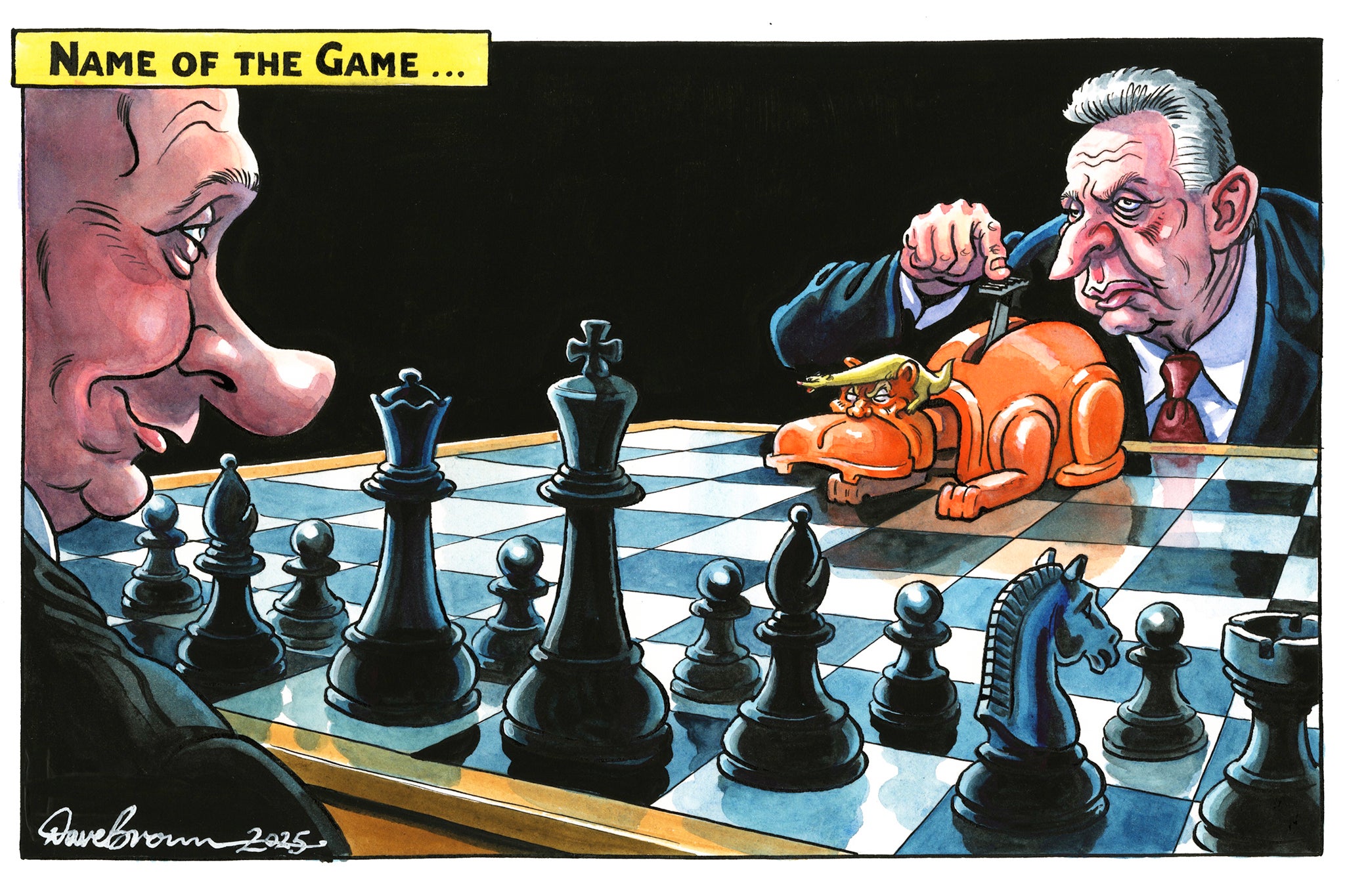
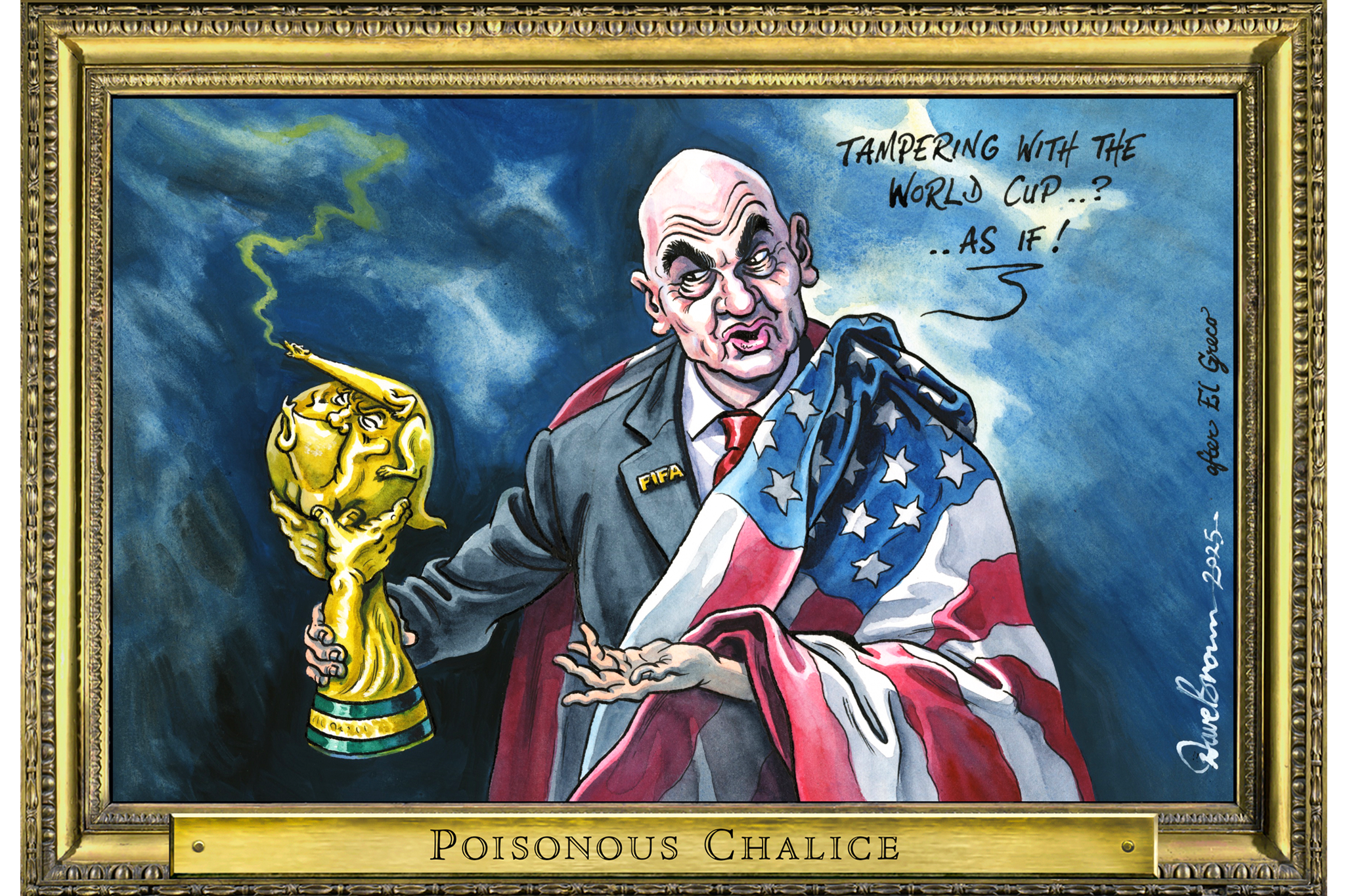


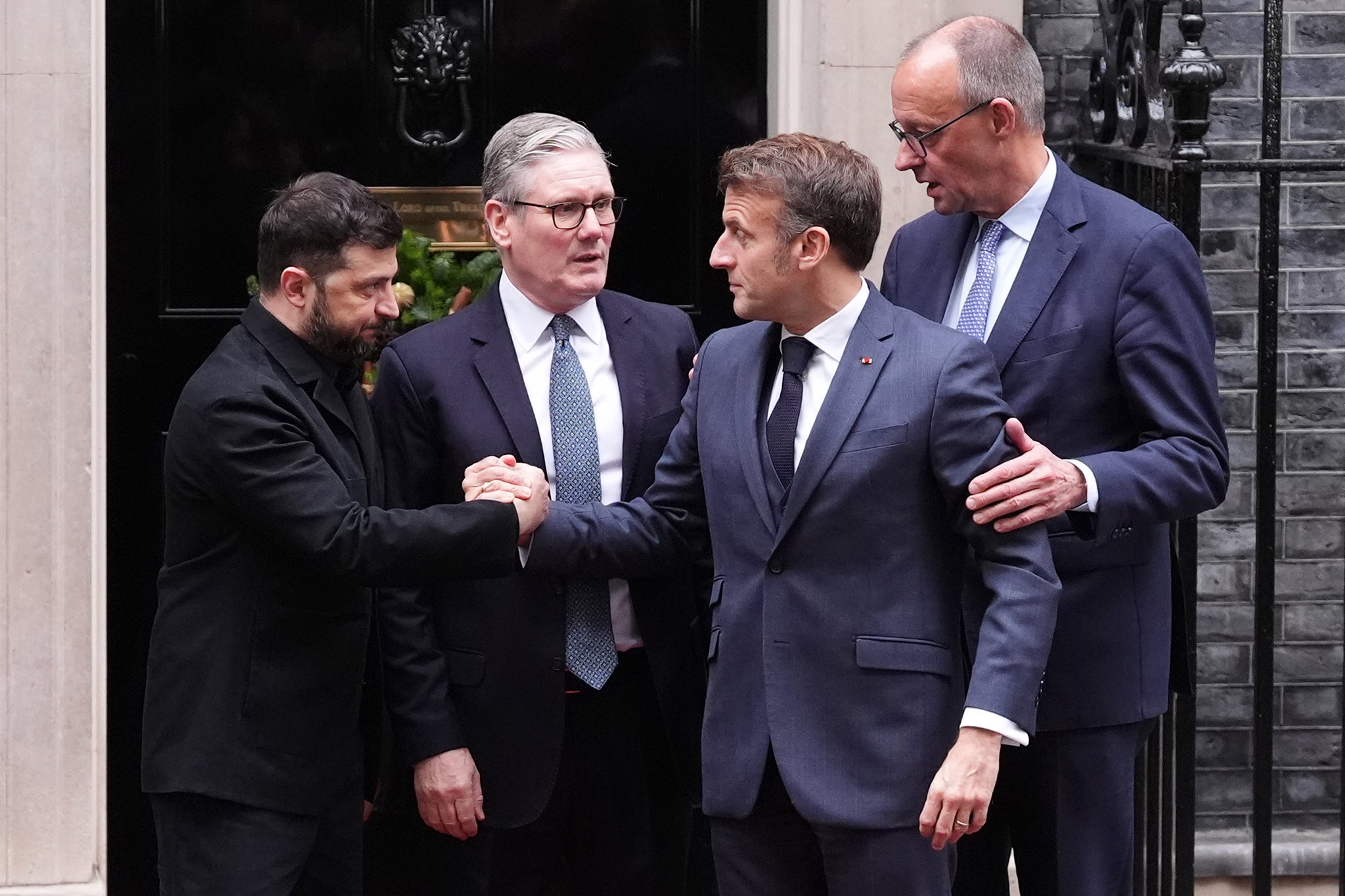


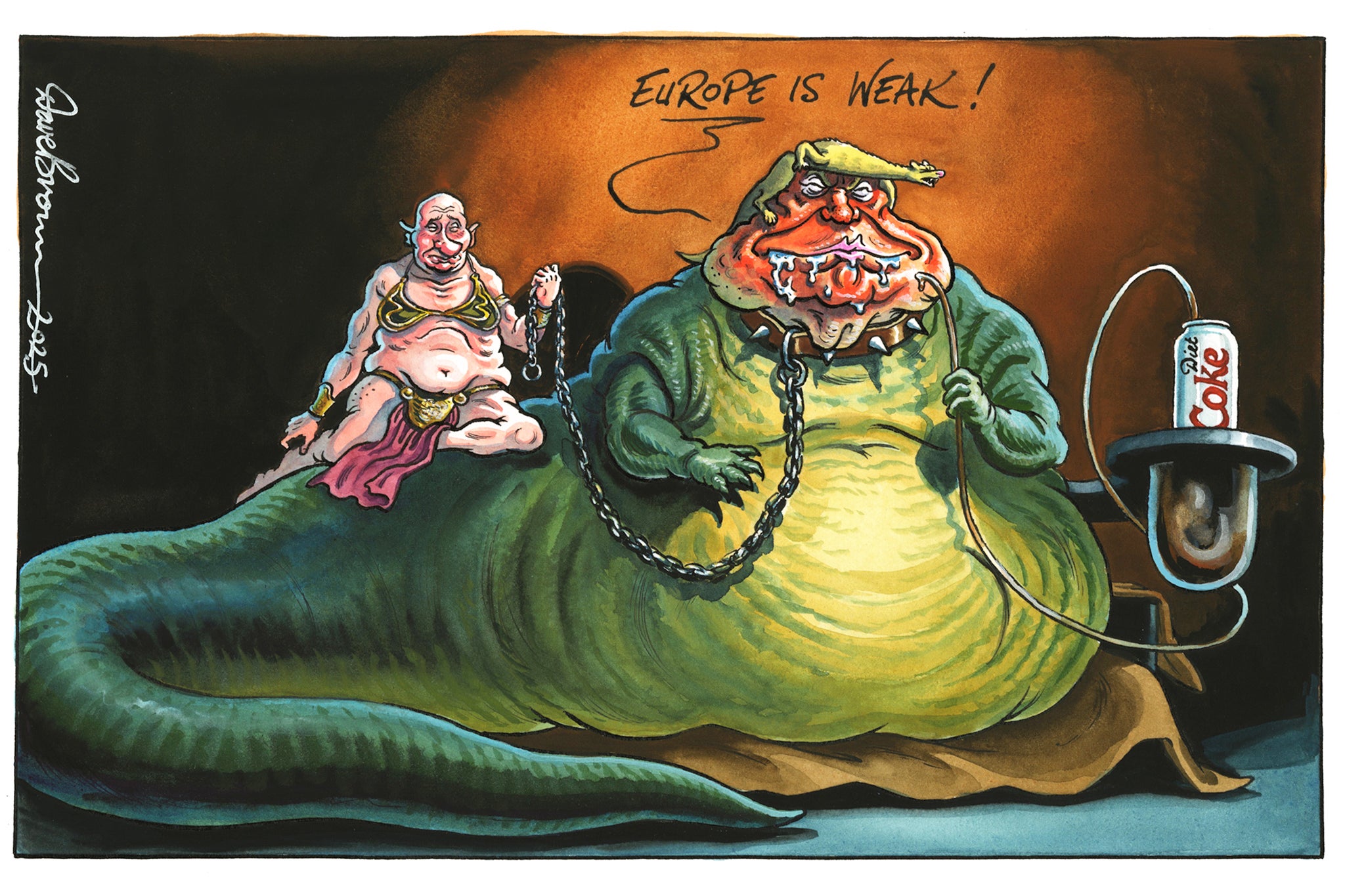


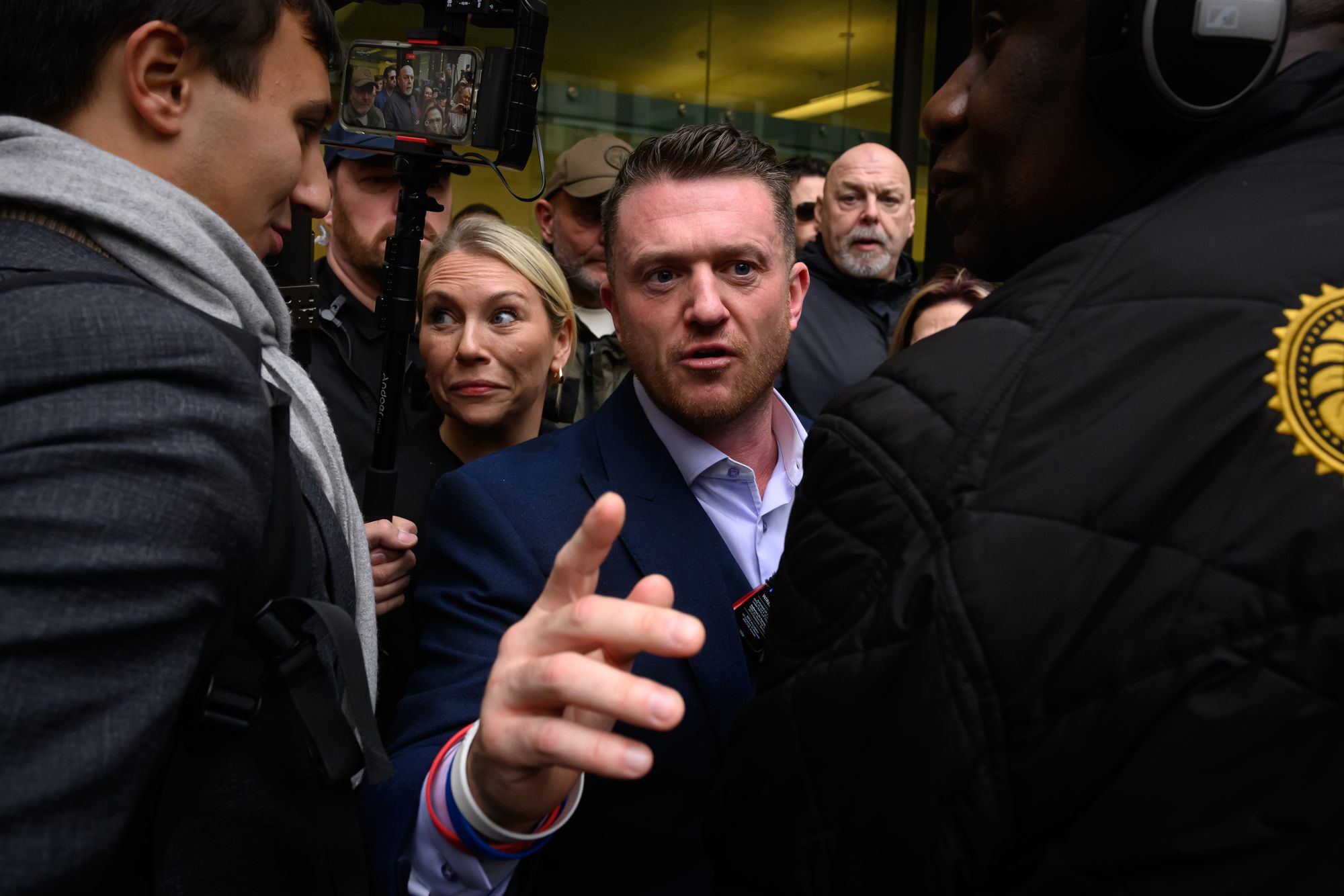
.jpeg)
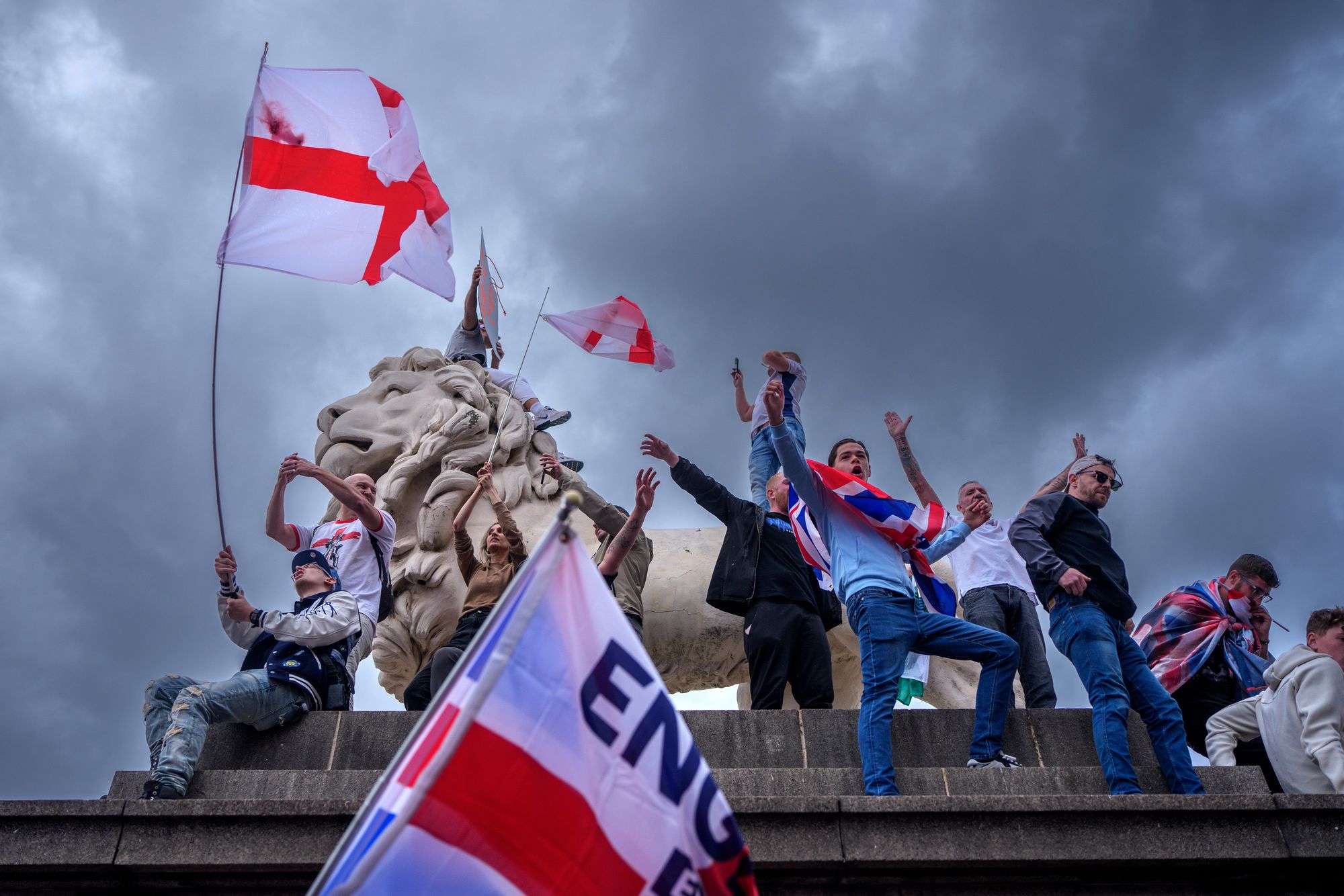


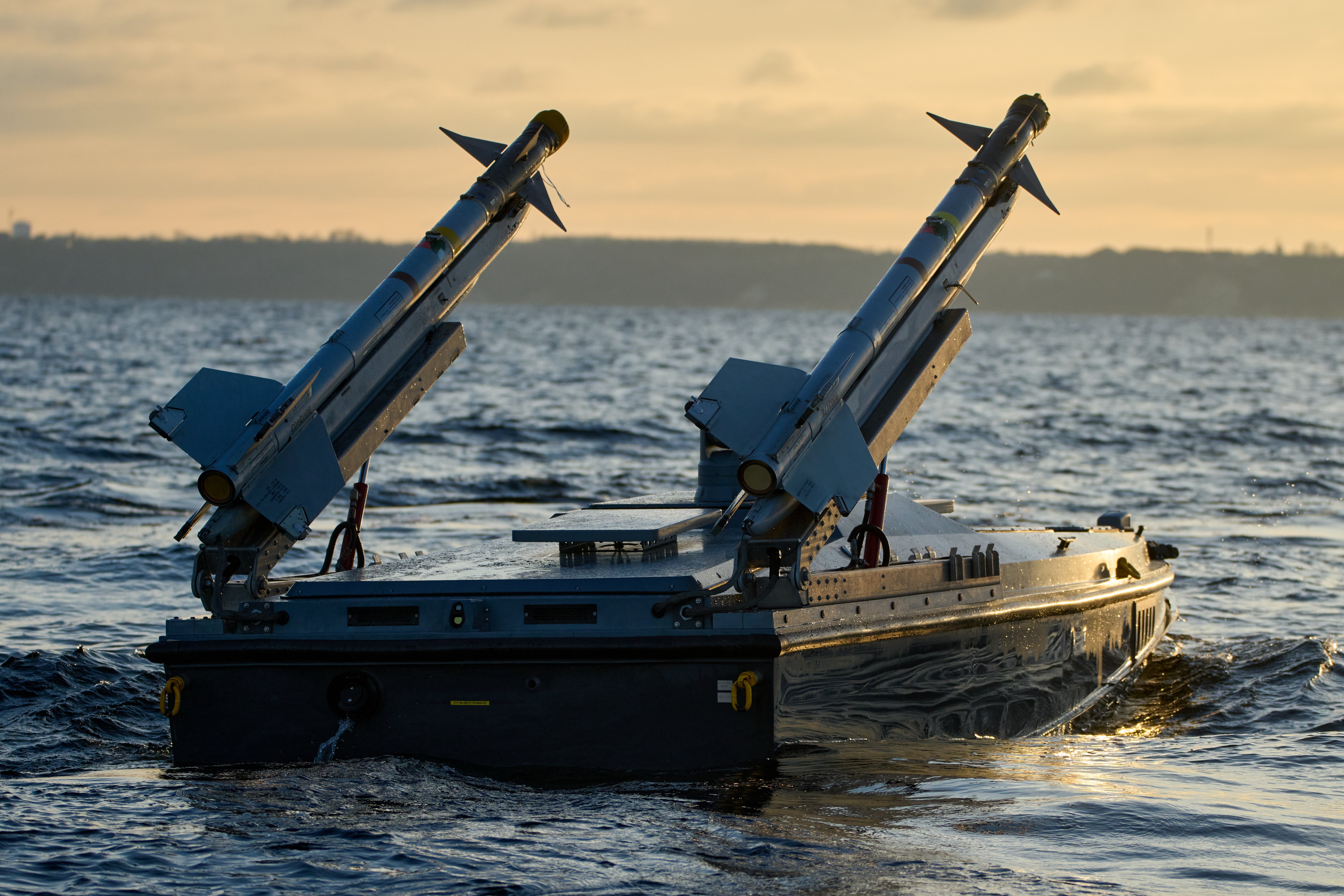









 RSS
RSS